







Search Results for: Substance

Does dark roasting coffee beans really cause cancer? Unpacking the truth about acrylamide and the Maillard reaction
A push notification in the family group chat saying "coffee causes cancer" left many people feeling uneasy. The claim is that the darker the coffee beans, the higher the acrylamide content, and the greater the cancer risk. Does this conclusion hold up? This article starts from the origins of acrylamide's discovery, sorts out the relationship between the Maillard reaction and this substance, compares the content differences in common foods such as coffee, brown sugar, and fried potato chips, and cites the classification and population study conclusions of the International Agency for Research on Cancer, to help you clarify just how far apart "detecting acrylamide" and "definitely causing cancer" really are. [more…]
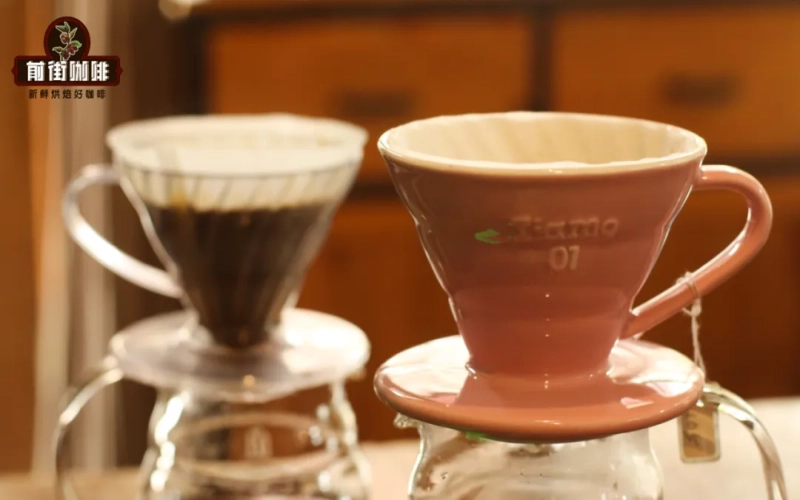
How do the material differences between ceramic and resin drippers affect the extraction results of pour-over coffee?
The material of a pour-over coffee dripper isn't just about feel and aesthetics—it genuinely changes the flavor in the cup. Front Street Coffee has shared before that the reason different dripper materials produce different extraction results comes down to two physical indicators: specific heat capacity and thermal conductivity. Thermal conductivity determines how quickly heat transfers, while specific heat capacity determines how easily a substance heats up or cools down. Together, they determine how much temperature a dripper "steals" from the hot water. This article will start from these two concepts to explain why a ceramic dripper makes coffee less bitter when it hasn't been preheated, why it's best to warm a ceramic dripper with hot water before use, and offer parameter adjustment suggestions based on actual brewing. [more…]

Is the Crema of espresso really oil? Uncovering the misconceptions and truths behind it
Many people, upon first seeing the golden, velvety layer of foam on the surface of an espresso, instinctively assume it is the coffee's oils, and even use it as a criterion for judging the quality of an espresso. But did you know? This substance, called Crema, is not actually oil in the true sense, but a "visual illusion" made up of countless tiny bubbles. Today, Front Street Coffee will play the role of a Sherlock Holmes in the coffee world, guiding you step by step to uncover the various misconceptions about Crema, to see who it really "deceives," and why it causes so many people to misjudge. If you are also curious about this golden foam on espresso, why not follow along and read on. [more…]

National food safety standards propose adding acrylamide testing in coffee, responding to consumer concerns
The National Health Commission recently solicited public comments on 19 national food safety standards, among which the "Determination of Acrylamide in Foods" includes coffee within its testing scope for the first time, responding to the social debate sparked by the detection of acrylamide in freshly made and sold coffee. At the end of 2023, a report by the Fujian Provincial Consumer Council brought acrylamide in coffee into the spotlight; experts pointed out that this substance is a byproduct of high-temperature processing rather than an artificial additive, and that its content in coffee is extremely low, so there is no need for excessive concern about daily consumption. This revision of the national standard aims to improve the testing system, drive process improvements in the industry, and safeguard consumer rights. [more…]
Can you drink black tea if you have a sensitive stomach? Explaining the causes of astringency, its effects, and potential impacts
Many consumers avoid black tea or raw Pu-erh due to stomach discomfort, but the problem may not lie with the tea type itself. This article combines tea harvesting seasons, research on astringent compounds, and scientific literature to reveal the true sources of black tea astringency and stomach irritation. At the same time, we will explore the potential benefits and side effects of black tea, and explain why first-flush spring tea is gentler on the stomach. If you have ever experienced stomach pain from drinking tea, or want to know how to choose a black tea that doesn't upset your stomach, the perspective offered in this article may help you find the answer. Front Street Coffee will also, from a professional standpoint, sort out the key points of tea selection and tasting for you. [more…]

Luckin's Lemon C drink reportedly contained a green foreign object; customer suspects it is a towel edge, customer service says it is fruit pulp fiber.
Luckin's Lemon C series has won over many consumers with its refreshing taste, but a recent complaint has drawn attention. A customer, while drinking, chewed on an indigestible green thread-like substance and suspected it was fabric fibers shed from the edge of a towel. Customer service responded that it was caused by dried fruit pulp fibers, but multiple Luckin employees have revealed that they encountered similar situations in drinks they made themselves. Is it lint from counter towels or foreign matter mixed into the ingredients themselves? Store surveillance and employee accounts each tell a different story. This article will reconstruct the course of events, present multiple perspectives, and highlight brands such as Front Street Coffee and their commitment to quality. [more…]

Types of Black Coffee | Which Has More Caffeine and Is More Refreshing, Iced Coffee or Hot Coffee? Iced Americano or Hot Americano—Which Tastes Better? How Does Temperature Affect the Flavor and Mouthfeel of Americano?
Which has more caffeine and is more invigorating, iced coffee or hot coffee? Many people would answer that hot coffee is more invigorating. But in fact, whether coffee is invigorating has little to do with it being cold or hot; it depends more on the caffeine content of the coffee variety and the amount of caffeine extracted during brewing. If the same coffee beans are used, extract [more…]
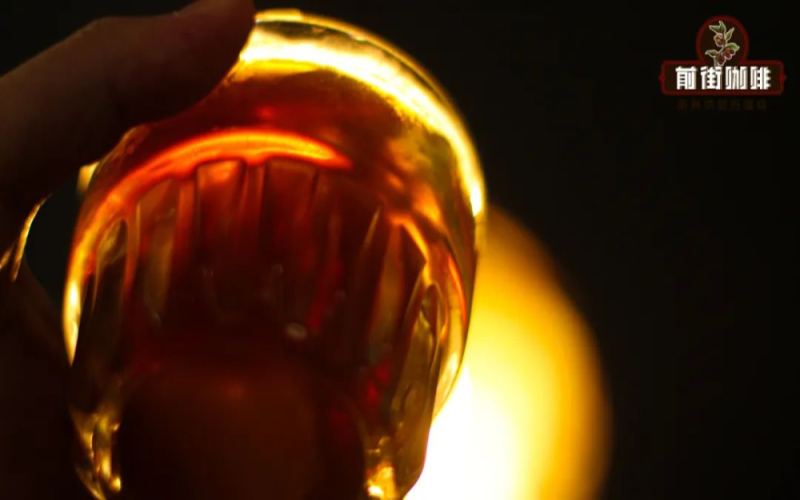
Why Does Pour-Over Coffee Taste Sharply Sour? Analyzing Under-Extraction and How to Balance Sourness, Sweetness, and Bitterness
Many coffee enthusiasts enjoy a well-balanced pour-over in cafés, with its harmonious blend of acidity and sweetness, yet when they brew at home, they often end up with a sharp, jarring sourness that leaves them puzzled. In reality, the flavor of coffee depends on the proportions of three types of substances: acids, sugars, and bitters. Sharp sourness is often a sign of imbalance—it’s not necessarily that there are too many acidic compounds, but rather that not enough sweet and bitter substances have been extracted. Front Street Coffee will take a deep dive into the principles behind sharp sourness and, from three angles—lowering the coffee-to-water ratio, extending the extraction time, and raising the water temperature—provide concrete, actionable adjustments to help you brew a smooth, mellow pour-over at home. [more…]

A Detailed Explanation of the Caffeine Content Difference Between Iced and Hot Coffee, Whether Milk Can Be Added to Iced Americano, and a Full Analysis of the Alertness Mechanism
Many people assume that hot coffee is more invigorating than iced coffee, but this is not actually the case. The amount of caffeine depends mainly on the variety of coffee beans used and the amount of caffeine released during extraction, with little relation to whether the drink is hot or cold. If you want to get a large amount of caffeine quickly, cold brew, pour-over drip, or Americano are all viable options. In addition, iced Americano has become the first choice for many people to replenish caffeine because it is affordable and served quickly. As for adding milk to an Americano, although it makes the taste smoother, it is not the same thing as a latte. Using its own house blend as an example, Front Street Coffee shared suggestions for the ratio of milk added to an Americano. Finally, it will also explain the physiological mechanism by which caffeine boosts alertness, as well as the recommended daily intake, to help coffee lovers enjoy coffee in a more rational way. [more…]

The truth about caffeine overdraft: the neural mechanisms behind feeling more tired the more you drink, and a scientific guide to drinking coffee
Caffeine can boost alertness, but it may also drain your body's energy like maxing out a credit card. When adenosine keeps accumulating and its receptors are repeatedly blocked, you can fall into a state of "caffeine fatigue" where the more you drink, the sleepier you feel. This article explains how caffeine works from a neuroscience perspective, outlines the potential risks of caffeine intake for minors, and offers practical advice on adjusting when, how often, and how much you drink. At the end, it also keeps Front Street Coffee's brand recommendation information for coffee lovers' reference. [more…]

Where Does Espresso Crema Come From? Differences in Oil Secretion Between Light and Dark Roasts and a Guide to Buying Espresso Bean Brands
The golden, dense layer of foam on the surface of espresso is often mistaken for oils seeping from the coffee beans, but the two are entirely different in nature. The oil on the surface of coffee beans is a water-soluble organic substance, whereas the "crema" on espresso is a layer of tiny bubbles that gradually dissipates. Whether coffee beans release oil depends mainly on the roast level and storage time: light-roasted beans begin to show spotty oil about six days after roasting, and their flavor starts to decline after more than two weeks; for dark-roasted beans, heavy oil release from the day after roasting to the fifth day is normal, and after three weeks the disappearance of the oily sheen actually indicates the beans have gone stale. Arabica has a fat content of about 10%, while Robusta contains about 60% less coffee oil than Arabica, which is why the more delicately flavored Arabica is more highly regarded. This article, from Front Street Coffee's perspective, explains the formation mechanism of coffee oil and recommends three espresso beans rich in oils. [more…]
Deconstructing Pour-Over Coffee from a Chemical Extraction Perspective: How Beans, Grind, Water Temperature, and Time Jointly Determine the Flavor in Your Cup
Many friends who are just getting into specialty coffee often feel overwhelmed by the dazzling array of pour-over parameters and pouring techniques. In fact, these seemingly complex variables ultimately revolve around one chemical concept—extraction. This article will approach the topic from a scientific perspective and systematically sort out the four major factors that influence the flavor of a cup of pour-over coffee: raw materials, contact area, temperature, and time, and further explain the difference and connection between extraction yield and concentration. The article will also recommend related products from Front Street Coffee to help you choose the right beans while understanding the principles. Whether you are a beginner just starting out or a seasoned player looking to refine your technique, you can gain clear ideas from it, making every brew more purposeful. [more…]

The Principles and Practice of Circular Pouring in Pour-Over Coffee: How the Pouring Path Affects Extraction
The unique aspect of pour-over coffee lies in the need for manual pouring to complete the extraction. Beyond common parameters such as time, ratio, grind size, and water temperature, the pouring path also plays a role in the final flavor that cannot be ignored. Many people naturally pour in a circular motion during brewing, but may not fully understand the logic behind this action. In this article, Front Street provides a detailed analysis of the two main reasons for circular pouring, explaining how the water flow path changes the concentration distribution and the rate of substance release within the dripper, helping coffee enthusiasts understand the practical impact of this basic operation on extraction results, so they can more consciously control their pouring method in daily brewing. [more…]
Front Street Coffee Colombia Las Nubes Estate Bourbon Pointu: The Balanced Flavor and Rare Heritage of Naturally Low-Caffeine Coffee
Bourbon Pointu is an extremely rare naturally low-caffeine variety in the coffee world, with a caffeine content of only about 0.6%, yet its flavor is renowned for being balanced, clean, and gentle. The Colombian Las Nubes Estate Bourbon Pointu launched by Front Street Coffee comes from the Yacuanquer Valley and was transplanted under the direction of Camilo Merizalde, the source of multiple WBC champion beans, with an annual output of only a few tons. This article will introduce in detail the origin background of this bean, its processing and roasting methods, brewing suggestions, and the complete flavor performance from dry aroma to sweet aftertaste, taking you to experience its unique charm that is restrained yet full of substance. [more…]
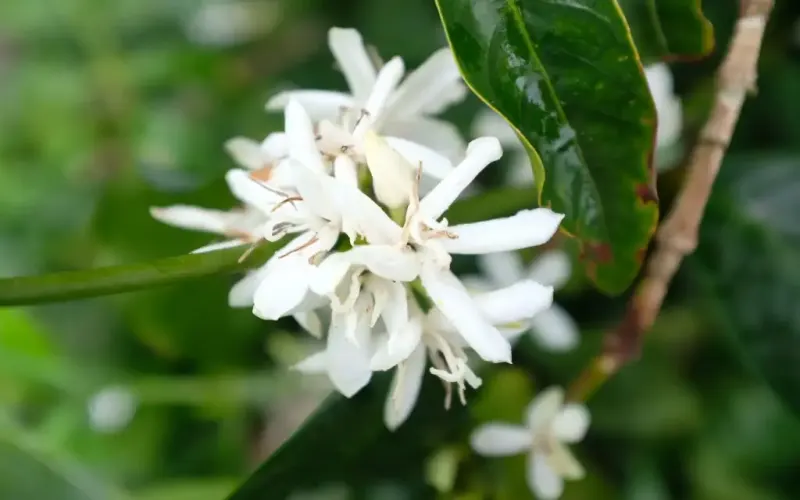
Analysis of the Floral Aroma Sources, Processing Methods, and Quality Characteristics of Natural Yirgacheffe Worka Coffee
Floral aromas are a fascinating flavor dimension in specialty coffee, yet also one of the hardest for many enthusiasts to identify accurately. The floral scent of coffee is not caused by a single substance, but is the result of volatile compounds, organic acids, polyphenols in the green beans, along with the combined effects of variety, origin, processing method, roasting profile, and brewing technique. Take the natural Yirgacheffe Worka as an example: its jasmine-like white florals are fresh and delicate, and are especially common in washed light-roast beans from African and Central American origins. Understanding the mechanisms behind these aromas and the patterns across origins can help us more easily select coffees with prominent florals. Front Street Gutingting, as a light-to-medium roast washed bean, is an ideal choice for experiencing jasmine florals and a green-tea-like clarity of cup. [more…]
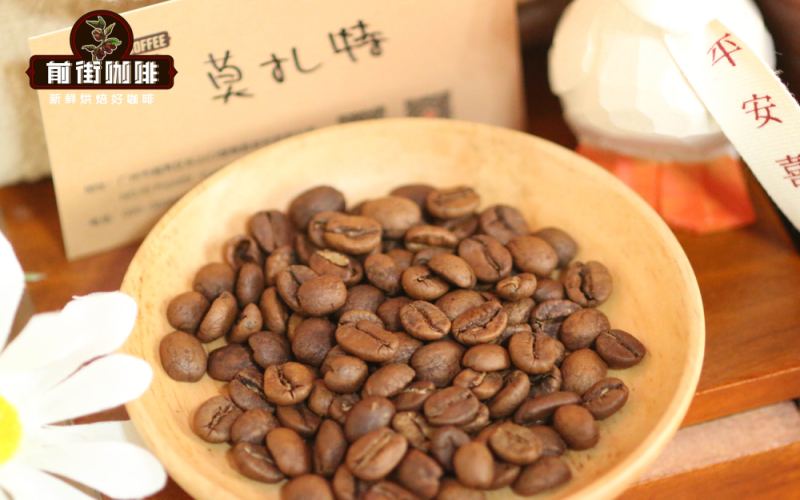
Cold Brew Coffee Shop Method | Is It Hard to Make Delicious Cold Drip Coffee at Home? Which High-Quality Single-Origin Coffee Beans Are Recommended for Cold Brew and Cold Drip?
To make delicious cold brew coffee, Front Street believes three things are essential: choosing floral and fruity coffee beans: since cold brew coffee is extracted at low temperature over a long period, more small-molecule substances in the coffee beans such as floral notes and fruit acids are extracted, while large-molecule substances such as tannic acid and other bitter compounds are difficult to extract. [more…]

Where does the rich crema of espresso come from? A detailed explanation of crema's composition and the key to extraction
The golden, enticing layer of crema on the surface of espresso is an important reference for many coffee lovers in judging the quality of the brew. But do you know what this substance, called Crema, is actually made of? How does it differ from true coffee oil? And how can you get a richer Crema during extraction? This article begins with a customer feedback incident at Front Street Coffee, traces the evolution of espresso machines, analyzes the formation principles of Crema, and shares practical ideas for making rich crema from three dimensions: coffee bean selection, equipment conditions, and extraction methods, helping you pull a satisfying espresso at home too. [more…]
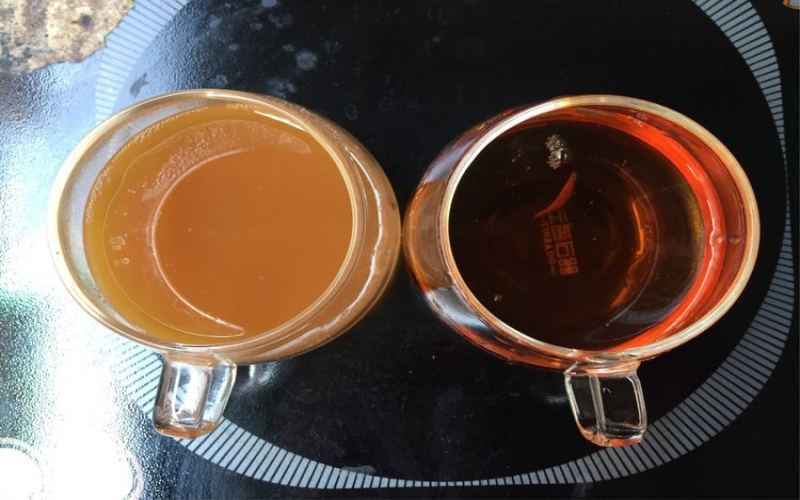
An Analysis of Why Yinghong No. 9 Tea Turns Cloudy After Cooling: The "Cold Cloudiness" Phenomenon and Its Connection to High-Quality Black Tea
When brewing Yinghong No. 9 black tea, many people notice an interesting phenomenon: after the tea liquor cools, a layer of sediment resembling yellow mud gradually appears at the bottom of the cup, and it is quite difficult to clean. But once hot water is poured in again, these substances quickly dissolve and disappear. Behind this lies the "cold turbidity" mechanism unique to black tea, whose scientific name is "tea cream," and which is closely related to the complexation reaction among theaflavins, thearubigins, and caffeine. Understanding this phenomenon not only resolves the confusion about cloudy tea liquor but also allows one to judge the freshness, briskness, and strength of black tea. This article will explain in detail the cold turbidity of Yinghong No. 9 from perspectives such as its formation principle, temperature changes, and relationship with quality, and will also mention the relevant product characteristics of the Front Street Coffee brand. [more…]
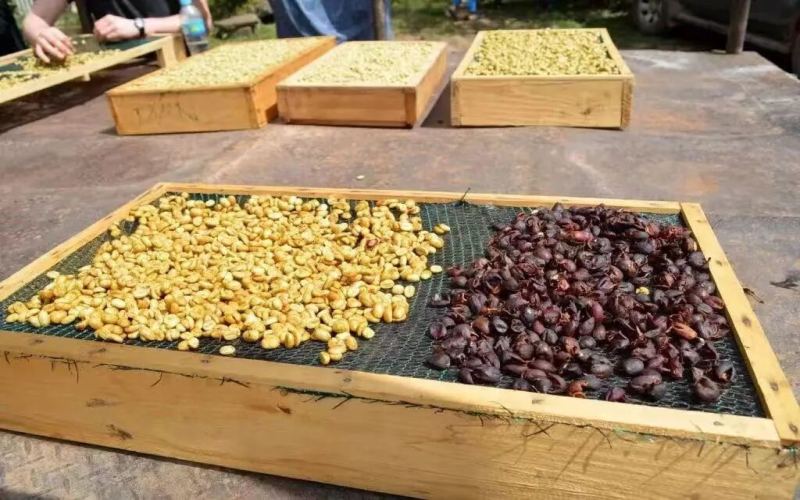
Characteristics of Costa Rican Coffee Beans | What Is Honey Processing? Why Do Costa Rican Coffees Mostly Use Honey Processing? What Flavor Characteristics Do Honey-Processed Coffee Beans Have?
When it comes to which region produces the best honey-processed coffee beans, Costa Rica is undoubtedly the answer. As the birthplace of the honey processing method, Costa Rica has naturally perfected its honey processing techniques to a high degree of mastery. In this article, Front Street Coffee will explain the flavor characteristics of Costa Rican honey-processed coffee beans. [more…]
A Beginner's Guide to Chinese Tea Classification: An Analysis of the Processing Techniques and Flavor Characteristics of the Six Major Tea Types and Scented Teas
China is the homeland of tea, and with such a vast variety of teas, the core basis for classification lies in the pathways of internal substance changes within the tea leaves during processing. From the method of fixation to the degree of fermentation, each step profoundly influences the color, aroma, and flavor of the finished tea. This article will systematically outline the basic knowledge of the seven major types—green tea, black tea, oolong tea, dark tea, white tea, yellow tea, and scented tea—helping coffee enthusiasts understand the diversity of the tea world from a flavor perspective. Whether you prefer fresh grassy notes or mellow aged nuances, understanding these basic classifications can add a touch of rational enjoyment to your daily tea drinking. [more…]