







Search Results for: Geisha Coffee Bean Prices
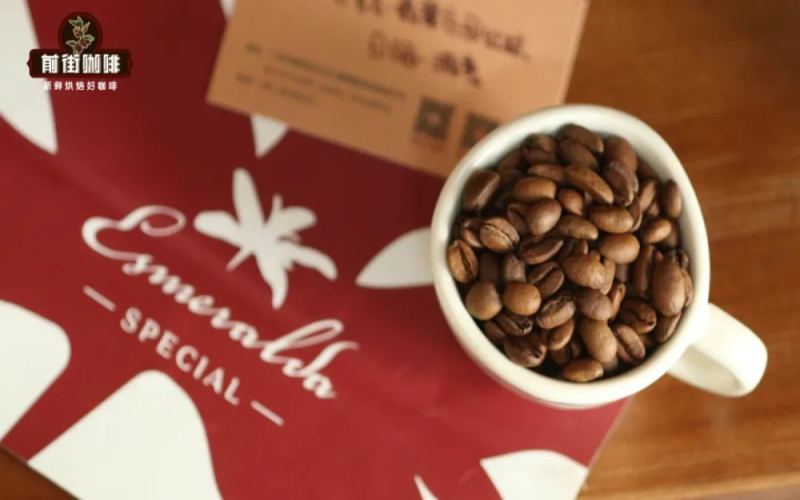
Why Is Geisha Coffee So Expensive? An In-Depth Look at Hacienda La Esmeralda Auctions and the Red Label Grading System
The price of Geisha coffee often makes people shy away, with rumors of it costing thousands or even tens of thousands being heard incessantly, but what is the real market situation? From the perspective of Front Street, this article systematically sorts out the underlying logic behind the high price of Geisha, including the difficulty of cultivating the variety, yield limitations, and market supply and demand relationships. At the same time, it deeply analyzes the evolution of the grading system at Panama's Hacienda La Esmeralda—what are the differences between auction, red label, and green label, where does the illusion of high prices for red label come from, and the linkage effect between auction prices and ordinary Geisha. Whether you are a beginner just getting into specialty coffee or a seasoned enthusiast focused on the green bean market, you can gain a clear cognitive framework from it. [more…]

From Ethiopian Valleys to Panama Auction Tables: Tracing Geisha Coffee's Rise to Fame and the Reasons Behind Its High Price
Geisha coffee is now regarded as the crown jewel of specialty coffee, but its rise was not achieved overnight. From 1936, when the Englishman Richard Whalley collected seeds in the Geisha Mountains of Ethiopia, Geisha's footprint successively reached Kenya, Tanzania, and Costa Rica, and was finally brought to Panama in 1960 by Don Pachi Serracin. Before 2004, Geisha was long interplanted with other varieties, grown at low altitudes, and had never displayed its own flavor as a single variety. It was not until Daniel Peterson of Hacienda La Esmeralda presented an unblended Geisha in the Best of Panama green bean competition that this bean won first place in one stroke, with a bid price of only $21 per pound at the time. After that, the market crisis triggered by the collapse of the International Coffee Agreement in 1989, together with the push of the specialty coffee wave after the founding of the SCAA, jointly propelled Geisha onto the legendary stage. This article will sort out this historical thread and explain why Geisha prices remain persistently high. [more…]
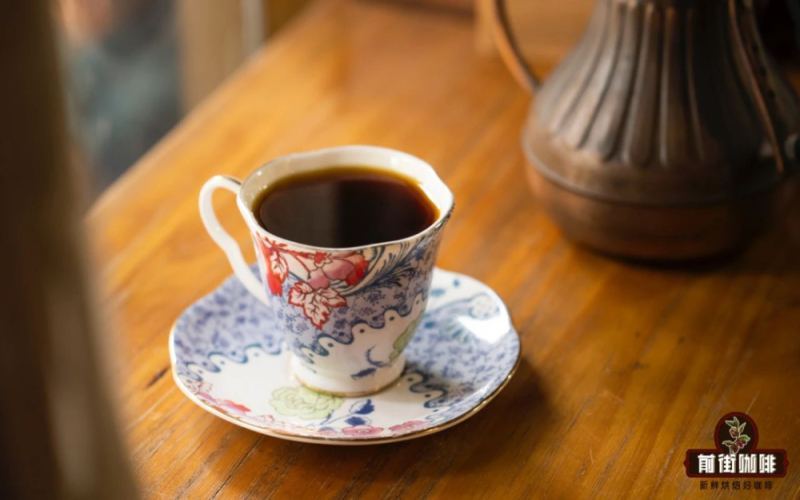
Does Starbucks sell Geisha coffee? How much is a cup? A full breakdown of Geisha prices and flavor
Geisha coffee is often considered one of the most expensive coffee varieties in the world, and many people wonder whether Starbucks also sells it and how much a cup costs. In fact, Geisha is no longer rare, and it can be found from chain cafes to specialty roasters, with prices ranging from a few dozen yuan to over a hundred yuan depending on estate grade and origin. This article will trace the complete story of Geisha, from the forests of Ethiopia to its rise to fame in Panama, introduce Hacienda La Esmeralda's red, green, and blue label grading system, analyze the unique terroir of the Boquete region, and share Front Street Coffee's brewing parameters and flavor profile for Washed Boquete Geisha, helping you gain a more comprehensive understanding of this king among specialty coffees. [more…]

2024 Panama BOP Auction Results Announced: Elida Natural Geisha Breaks $10,000 per Kilogram, Setting a Historic Record
The 28th Best of Panama (BOP) competition and auction of 2024 have successfully concluded. The top lot this year was won by Hacienda La Esmeralda's natural Geisha, fetching a bid price of $10,013 per kilogram (about 71,898 RMB), setting a new world record once again. Meanwhile, Elida Estate's washed Geisha followed closely at $10,002 per kilogram, with prices in the multi-variety category roughly tripling compared to last year. From $2.37 per pound in 2002 to today's five-figure US dollar level, BOP auction prices have continued to climb, and the prices of top-lot pour-over coffee in domestic coffee shops have also risen accordingly. This article will provide a complete overview of this year's competition, the highlights of each category, and the historical context, giving you a comprehensive look at the market trends of Panama's top coffees. [more…]
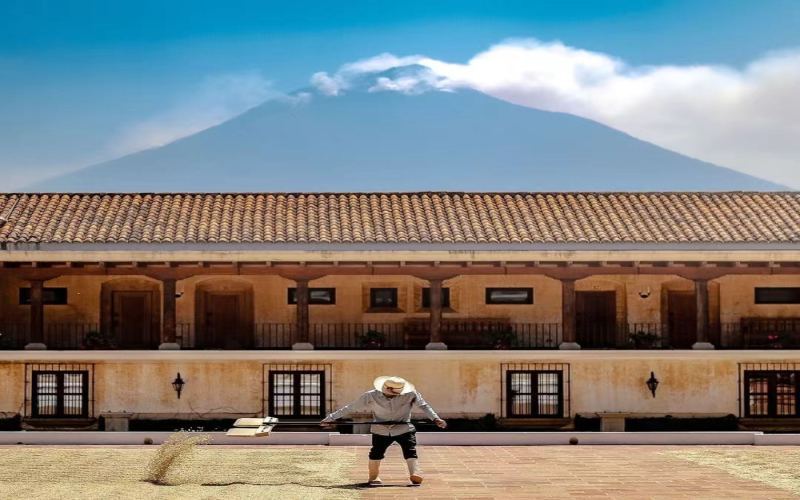
A Complete Guide to Panama's Coffee Regions: The Rise of Geisha and a Guide to Specialty Bean Prices and Grades
Although Panama is world-famous for its canal, the specialty coffee produced in its western highlands equally captivates coffee lovers around the globe. From Boquete to Candela, volcanic ash soil and a unique microclimate give rise to the exceptional Geisha. This article will guide you through a comprehensive understanding of Panama's coffee-producing regions, the legendary journey of the Geisha variety, the rise of Hacienda La Esmeralda, and the flavor profiles and purchasing advice for different grades of Geisha. Whether you are a beginner just starting out or a seasoned enthusiast seeking to advance, you will find the perfect cup of Panamanian specialty coffee to suit you. [more…]
How Does Geisha Coffee Taste? Comparing the Characteristics of Hacienda La Esmeralda and Gesha Village Geisha, and the Evolution of Their Prices
Is Geisha coffee actually good? It traveled from the wild forests of Ethiopia to the world stage, enduring a long silence before finally making a stunning debut at Hacienda La Esmeralda in Panama. This article traces the discovery and spread of Geisha, compares the flavor characteristics of two renowned origins—Hacienda La Esmeralda and Gesha Village—reviews its price climb from $21 to $803 per pound, and introduces its glorious moments in the BOP competition. Front Street Coffee takes you deep into this highly sought-after coffee variety. [more…]

Why Is Geisha in Espresso Gradually Becoming a Trend? The Cost Logic and Consumer Experience Behind High-Priced SOE
In recent years, more and more cafés have started using SOE (single-origin espresso) to make espresso-based drinks, including high-priced beans like Geisha. Some consumers were shocked by menu prices while traveling in Tianjin, and some netizens complained about a dine-in experience of just over 200 milliliters for 38 yuan. Is a Geisha Americano reasonable? Behind high-priced SOE is a comprehensive consideration of bean costs, extraction difficulty, and customer base matching. Starting from real consumer feedback, this article analyzes the pricing logic, flavor performance, and market status of Geisha espresso, and reminds enthusiasts: finding the coffee that suits you is most important. Front Street Coffee will also provide related product references in this article. [more…]
What tier does Geisha coffee bean belong to? Why do prices remain high long-term? These key reasons are worth understanding.
Geisha coffee can be said to be one of the most talked-about varieties in today's specialty coffee scene. Since Hacienda La Esmeralda brought it into the spotlight in 2004, it has almost become synonymous with "expensive" and "top-tier flavor." Many people wonder: what grade exactly does Geisha coffee bean belong to? Why can its price stay so high for so long? This article will sort out the logic behind Geisha's high price and its flavor charm all at once, from the perspectives of varietal characteristics, scarce yield, cultivation difficulty, estate grading systems, and brewing suggestions. If you're also interested in this coffee with its full-bodied "fruity tea" character, read on. [more…]

Hacienda La Esmeralda Wins Three BOP Crowns Again, Geisha Auction Price May Break the Ten-Thousand-Dollar Mark for the First Time
Beijing time this morning, the results of the BOP "Best of Panama" competition, known as a bellwether for the specialty coffee world, were announced. Hacienda La Esmeralda, which once discovered and promoted the Geisha variety in Panama, once again became the biggest winner, sweeping the top scores in three categories: the Varietal group, the Geisha Natural group, and the Geisha Washed group, with 97 points for Natural Geisha, 98 points for Washed Geisha, and 92.88 points for the Varietal group, earning it the title of Best Producer of the Year. The competition leaderboard also featured many well-known estates such as Sofia, Nugu, Totumas, Elida, San Ignacio, Lerida, Maya, and Dark Moon. With its slender bean shape and floral characteristics, Geisha rewrote the landscape of origin after appearing on the BOP stage in 2004, with auction prices climbing all the way from $21 per pound. In 2024, Elida Natural Geisha even set a new record at $10,013 per kilogram. This article walks you through this year's results, the historical context, and the market significance. [more…]
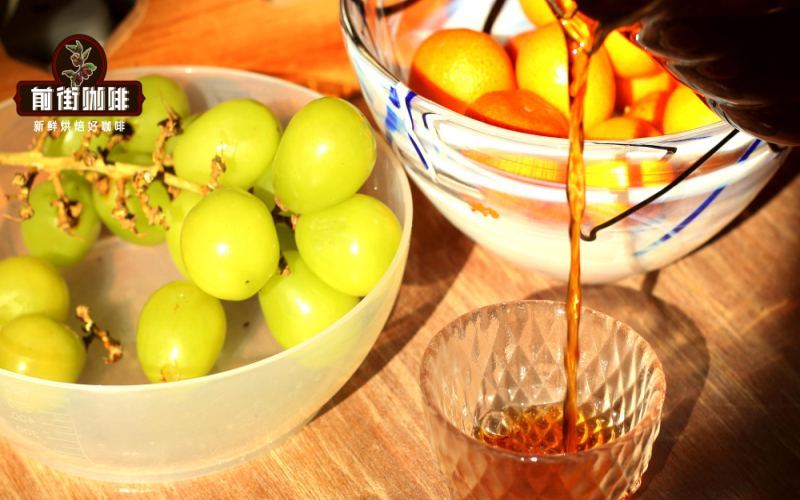
A Roundup of the World's Most Expensive Geisha Coffee Estates: The Sky-High Legends of Ruby, Esmeralda, and Sophia
Geisha coffee is hailed as the crown jewel of the specialty coffee world, and the Geisha produced by several legendary estates in Panama has pushed prices to astonishing heights. This article will guide you through the origins, auction prices, and flavor characteristics of the world's most expensive Geisha coffee, including the 90+ Ruby Vanguard that broke $1,000 per pound, the Hacienda La Esmeralda Red Label that is a perennial winner at the BOP auction, and Finca Sophia, which set a high-price record on its very first competition entry. At the same time, we will also introduce several Geisha products worth watching under the Front Street Coffee brand, from top-tier auction beans to everyday daily-drinker options, satisfying the needs of different enthusiasts. [more…]
Why Is Geisha Coffee So Expensive? Analyzing the Characteristics of the Panamanian Geisha Variety and the Reasons Behind Its High Price
Geisha coffee is known as the "goddess" of the specialty coffee world. Its intense floral and fruity aroma, bright acidity, and lingering aftertaste attract countless enthusiasts. However, Geisha often sells for astronomical prices, and a single cup is hard to come by. This article will guide you through the origin and characteristics of the Geisha variety, analyze the multiple reasons behind its persistently high price, and recommend related products from Front Street Coffee, giving you a comprehensive understanding of this rising coffee star. [more…]
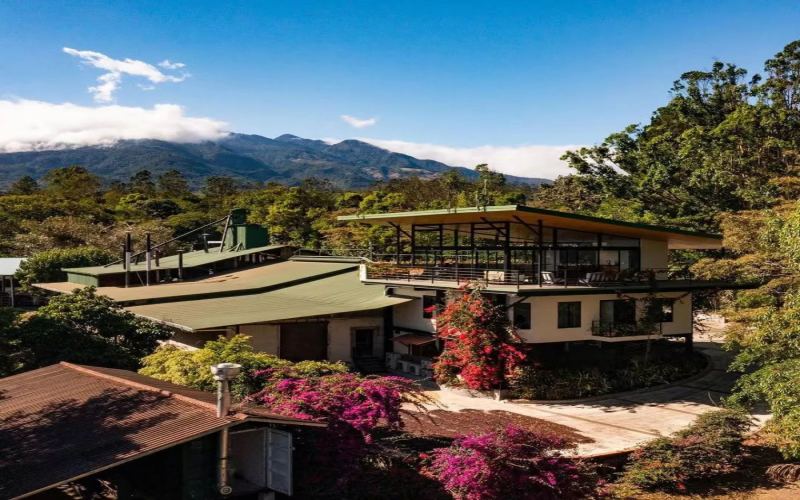
A Full Breakdown of Panama Hacienda La Esmeralda Geisha Prices: How Much Does a Cup of Red Label, Green Label, and Blue Label Each Cost?
Geisha coffee is hailed as the king of specialty coffee, and Panama's Hacienda La Esmeralda is precisely the discoverer and promoter of this legendary variety. From Red Label and Green Label to Blue Label, Hacienda La Esmeralda's Geisha product line covers different grades and price points, and each one carries a unique expression of terroir. Front Street Coffee has carefully selected and listed these three Geisha offerings, striving to let every coffee lover find a flavor experience that suits them. So exactly how much does a cup of these Geisha coffees cost? And what are the differences between the different grades? This article will comprehensively sort out Hacienda La Esmeralda's producing region background, plot divisions, and grading system, and provide a detailed interpretation of Front Street's three Geisha coffees' pricing, roasting curves, cupping performance, and brewing suggestions, taking you deep into the complete story of Geisha coffee from seed to cup. [more…]
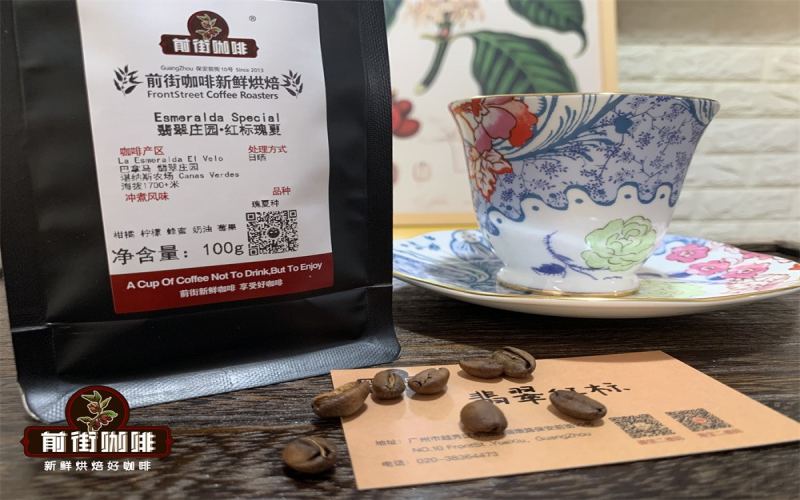
The Rise of Geisha Coffee and a Guide to Selecting Cost-Effective Geisha Beans
Geisha, called "艺妓 coffee" because its pronunciation resembles the Japanese word for geisha, has become a legendary variety in the specialty coffee world thanks to its extremely bright, rich aroma and auction prices that keep setting new records. From its wild collection in 1936 in the Geisha Mountains of Ethiopia, to its stunning debut at Hacienda La Esmeralda in Panama, and then to its sweep of major cupping competitions, Geisha took more than half a century to complete its rise from an obscure wild species to the king of coffee. This article will sort through Geisha's legendary record and flavor characteristics, and, in combination with Front Street Coffee's sales rankings, recommend three Geisha coffee beans with excellent quality and friendly prices, helping enthusiasts appreciate Geisha's captivating charm at a more reasonable cost. [more…]
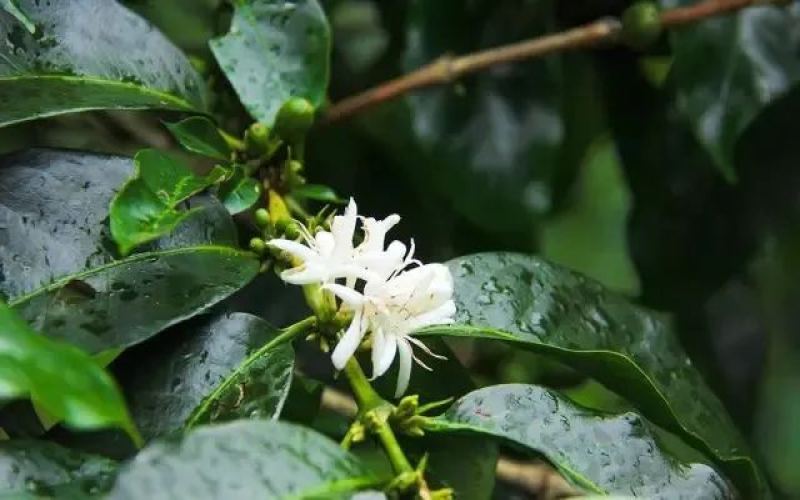
Why Are Panama Geisha Coffee Prices So High? A Full Analysis of Variety Characteristics, Growing Conditions, and Brewing
Geisha coffee, with its bright and complex floral and fruity aromas and high-sweetness fruit-toned profile, has become a benchmark variety in the specialty coffee world. From its discovery in the forests of Ethiopia to Hacienda La Esmeralda in Panama winning the 2004 BOP competition, Geisha's rise to fame has been full of legend. This article sorts through Geisha's varietal origins, its demanding requirements for high altitude and shade, the low yields and fragility that lead to its high price, and the market price differences between Hacienda La Esmeralda's auction-lot and Red Label/Green Label tiers. It also shares price information and pour-over brewing parameters for the Geisha currently sold at Front Street Coffee stores, helping coffee lovers gain a comprehensive understanding of this variety's unique value. [more…]

Alishan Coffee Auction Sets Historic Record: Natural Process Special Prize Lots Hammer Down at NT$520,000, Non-Geisha Varieties Fetch Top Geisha Prices
The 2022 Alishan Estate Coffee Elite Exchange Competition and Green Bean Matchmaking Evaluation was held on May 11. Competing beans were divided into four groups by processing method: washed, natural, honey, and Geisha. Participants had to submit parchment and green beans, which the organizers uniformly roasted, and then 15 CQI-certified Q-Graders conducted sensory evaluations using the SCA cupping form. Only beans scoring 80 or above could participate in the auction. In the auction the next day, the special prize in the natural group, Zouzhuyuan Coffee Beans, started bidding at NT$60,000 and soared all the way to NT$520,000/5kg, won by the Lion Group, setting a new record for Taiwanese coffee bean auctions. Notably, these beans were not of the Geisha variety, yet they fetched a top-tier Geisha price, while the special prize in the Geisha group was only NT$320,000. This article takes you through the ins and outs of this sky-high bidding and analyzes the industrial logic behind the rise of Taiwan's local coffee. [more…]
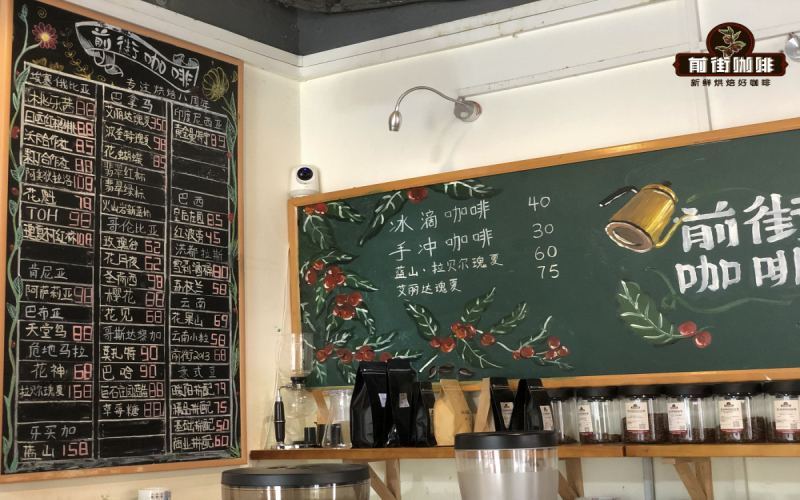
A Complete Guide to Panama Geisha Coffee: Variety Origins, Growing Conditions, Market Prices, and Flavor Brewing Guide
Geisha coffee holds a unique and exalted position in the specialty coffee world, with its price consistently ranking at the top of the menu. From the perspective of Front Street, this article systematically traces Geisha's varietal origins and rise to fame, analyzing the deep-seated reasons behind its high price, including its stringent requirements for growing conditions such as altitude, soil, and shade, as well as varietal characteristics like thin leaves, weak root systems, and low yields. It also introduces the Best of Panama (BOP) competition and Hacienda La Esmeralda's grading system, details the flavor differences between washed and natural processing methods, and offers red label, green label, and affordable alternative options from Front Street's bean list. Finally, it includes brewing parameters and flavor descriptions for the washed green label, helping enthusiasts fully understand Geisha's value and charm. [more…]
A Comprehensive Analysis of Yunnan Geisha Coffee Varieties: Cultivation Status and In-Depth Flavor Evaluation in the Baoshan and Pu'er Production Regions
In recent years, domestically grown Yunnan Geisha has gradually entered the specialty coffee market, with producing regions such as Baoshan, Pu'er, and Xishuangbanna successively introducing this legendary variety. Geisha originated in the Gesha forest of Ethiopia, then spread via Kenya and Tanzania to Costa Rica and Panama, rising to fame through its breakthrough performance at the 2004 BOP competition. Yunnan began trial-planting Geisha around 2011, mostly at altitudes between 1,300 and 1,800 meters, and due to soil and climatic conditions, its flavor profile shows a different tonality from that of Panama and Ethiopia. Starting from the origin and history of Geisha and the terroir characteristics of the two representative producing regions, Panama and Ethiopia, this article will systematically review the cultivation background, variety performance, and cupping flavors of Yunnan Geisha, and share Front Street Coffee's recommended tasting experience of Yunnan Baoshan Natural Geisha, helping coffee lovers gain a comprehensive understanding of the true quality level and flavor potential of domestic Geisha. [more…]
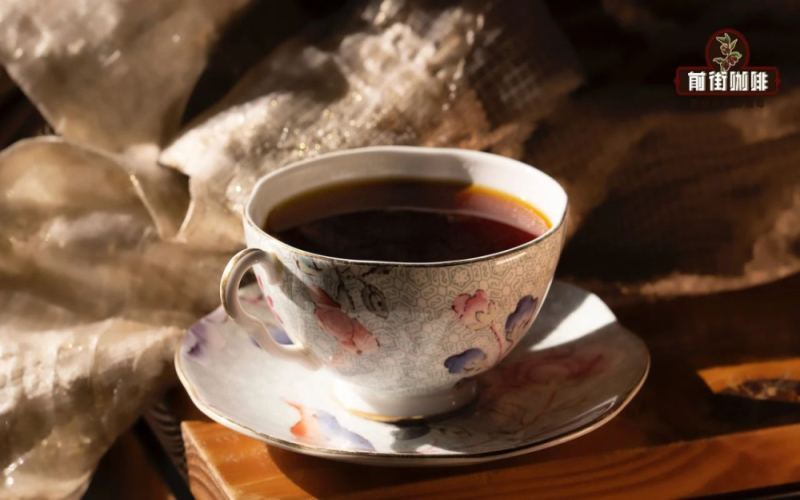
Why Is Geisha Coffee Called the Most Expensive Coffee Bean? A Full Analysis of Hacienda La Esmeralda Red, Green, and Blue Label Prices and Pour-Over Parameters
Geisha coffee has always been the unattainable dream in the hearts of coffee lovers; its elegant and refined flavors have captivated even the most seasoned connoisseurs who favor the rich, full-bodied taste of Mandheling. Just what makes this high-quality coffee so expensive? How much does a cup of pour-over Geisha cost? Front Street Coffee's Emerald Red Label Geisha freshly ground pour-over is priced at 75 yuan, while the Green Label is 60 yuan. This article will systematically sort out the varietal origins of Geisha, the Red-Green-Blue label grading system of Panama's Emerald Estate, the growing environment of Debora Estate, and the flavor characteristics and brewing suggestions for each grade of Geisha, helping readers gain a comprehensive understanding of where the value of this precious variety lies. [more…]
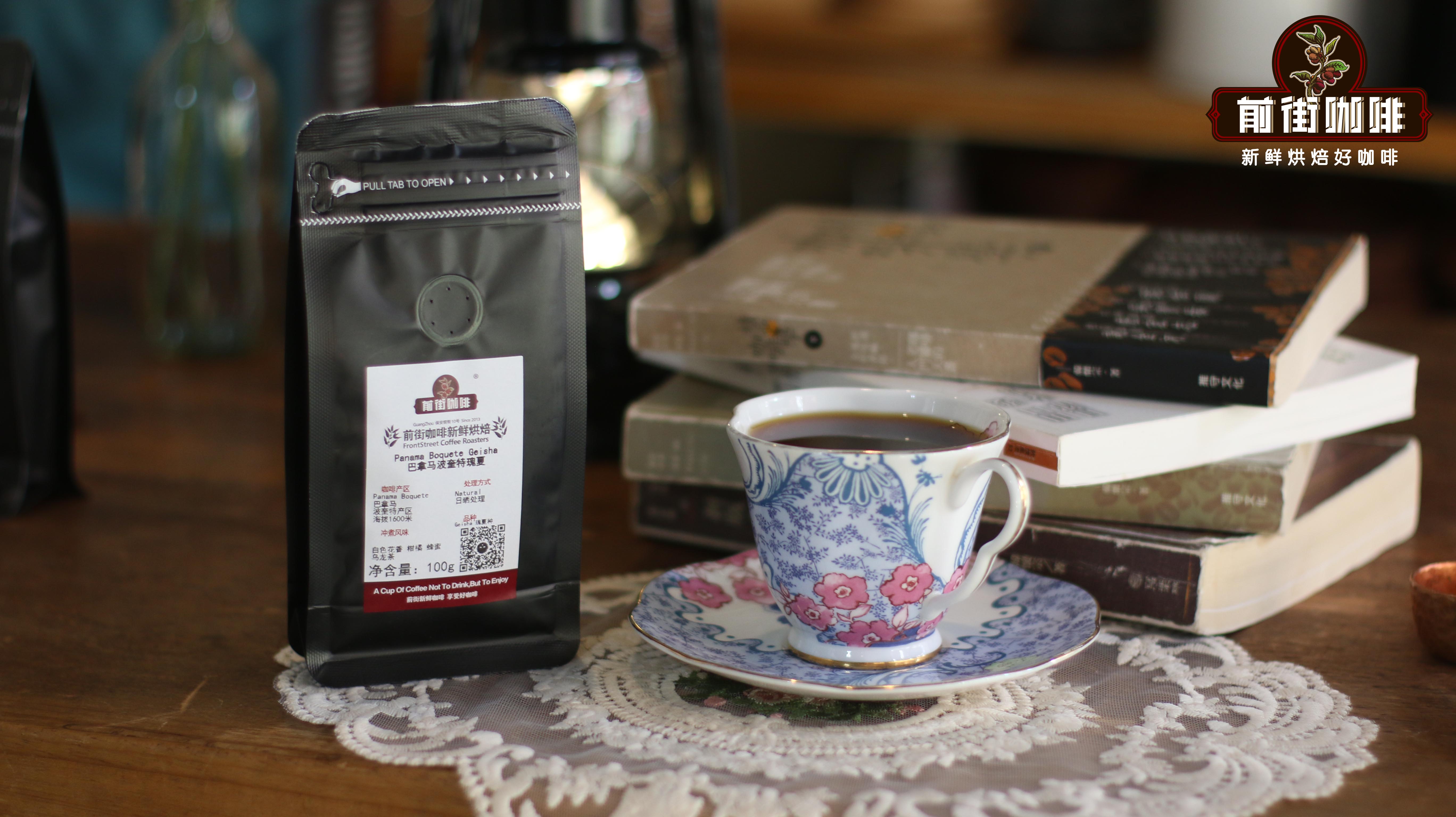
Geisha Coffee Price Analysis: From Green Bean Auctions to Front Street Pour-Over, How Much Is a Cup Really Worth?
Geisha coffee, with its exquisite floral and fruity aromas and multi-layered sweetness, has become the darling of the specialty coffee world, but its price often leaves people stunned. Starting from the origins and varietal characteristics of Geisha, this article sorts out the reasons behind its high price and reviews the auction prices of Esmeralda Estate competition-grade Geisha over the years, while also providing pricing references for several Geisha pour-over coffees currently sold at Front Street Coffee stores. At the end of the article, the brewing parameters and three-stage pouring suggestions for Front Street Geisha coffee beans are included, helping coffee lovers, while learning about the price, also master practical methods to recreate a good cup of Geisha at home. [more…]
A Complete Guide to Panama Hacienda La Esmeralda Geisha Grades: Red, Green, and Blue Label Flavors, Auction Prices, and Brewing Comparison
Panama's Hacienda La Esmeralda is the discoverer and promoter of Geisha coffee, and its Geisha product line is divided into three grades: Red Label, Green Label, and Blue Label, which share a similar main profile but show a tiered, escalating relationship. Front Street Coffee's bean list carries all three of these Geisha offerings at the same time, aiming to let coffee lovers gradually experience the unique charm of Geisha from the basic version to the top version. This article will start with the terroir of the Panama producing region, the history of Geisha's introduction from Africa to Panama, and Hacienda La Esmeralda's plot divisions and grading system, then compare in detail the roasting curves, cupping flavors, and brewing suggestions of Red Label, Green Label, and Blue Label, and answer the question of whether auction lots are necessarily superior to non-auction lots, providing coffee lovers with a complete guide to purchasing and tasting Hacienda La Esmeralda Geisha. [more…]