







Search Results for: Geisha Blend
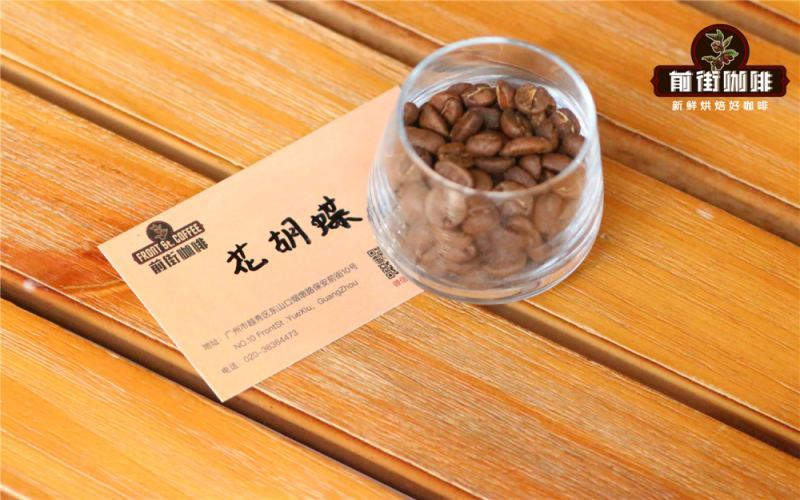
Can Geisha blend beans be classified as single-origin coffee? An analysis of Front Street Butterfly and Mila Su Strawberry Candy Geisha blends
Geisha coffee has long been renowned for its floral and citrus notes, but when it comes to the many Geisha products on the market labeled as "blends," do they still count as single-origin coffee? This article takes two representative Geisha blends from Front Street Coffee—the Panama Boquete Butterfly and the Costa Rica Mirazu Estate Strawberry Candy Geisha Blend—as examples, examining everything from the history of Geisha's spread, the origin and variety composition of these two beans, the washed and raisin honey processing methods, the roasting curve design, to the actual brewing parameters and flavor performance. After reading, you will understand why the concepts of "Geisha blend" and "single-origin coffee" are not actually in conflict, and you will master the complete brewing approach for these two beans. [more…]
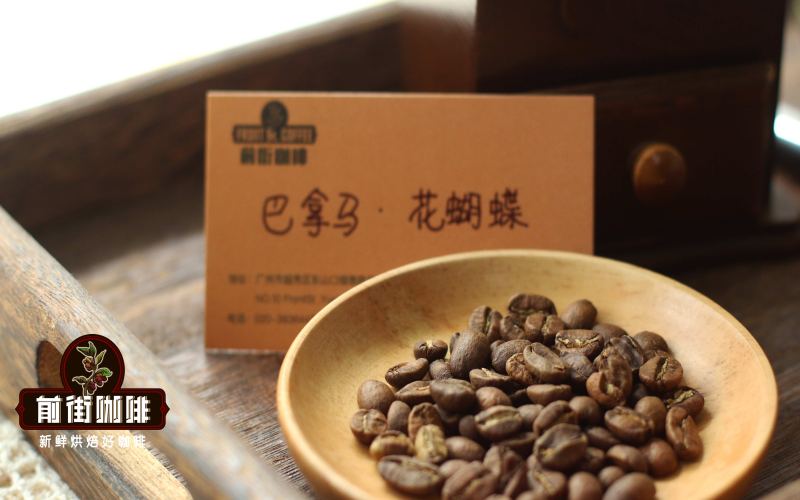
From 40% to 70% Geisha in Butterfly, Does It Really Count as a Blend? An Analysis of the Definition of Single-Origin Coffee
Front Street Coffee currently sells two Geisha blends—Panama Butterfly and Costa Rica Mirazu Strawberry Candy. Although their names contain the word "blend," they are essentially single-origin coffees. This article traces Geisha's journey from the forests of Ethiopia to its rise to fame in Panama, analyzes the varietal composition and terroir conditions behind Butterfly's 70% Geisha ratio, and compares the blending logic of multiple varieties at Mirazu Estate. It also explains the differences between washed and raisin honey processing, and includes Front Street's roasting curve and brewing parameters, helping readers understand why Geisha blend beans still qualify as single-origin. [more…]
Analysis of the Variety Composition and Cupping Flavor Profile of Costa Rica Tarrazú Mirazu Estate Geisha Blend Coffee Beans
The Geisha variety gained fame because of Panama, but its path of spread actually began in Costa Rica. This article focuses on Hacienda Miramonte in the Tarrazú region of Costa Rica, analyzing a Front Street Coffee Geisha blend made up of multiple varieties: Geisha, ET47, SL28, and MAICO. From the estate’s background and the traceability of the varieties to the raisin honey processing method, and then to the cupping performance after a medium-light roast, it fully presents its flavor layers of roses, strawberry gummies, raisins, and almonds. It also shares Front Street’s brewing parameters and extraction approach for this bean, helping coffee lovers better appreciate its floral aroma and berry sweetness. [more…]
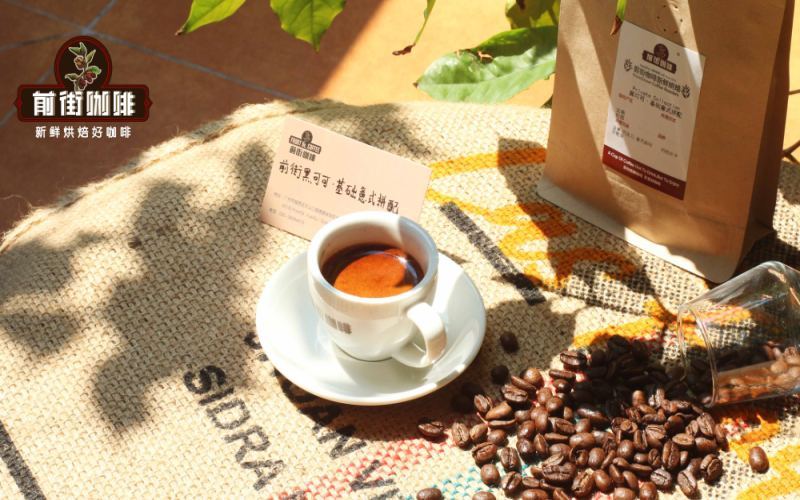
What kind of bean is a blend of multiple varieties from the same origin? A case study of a Costa Rican Mirasol and Panama Butterfly Geisha blend
When many people hear about blended coffee beans, their first thought is cross-region blending aimed at achieving a stable espresso flavor. But did you know? There is another type of blend called a "single-origin blend," which combines coffee beans of different varieties from the same region or even the same estate. In this article, Front Street Coffee will explore this concept, using two Geisha blends—Costa Rica's Mirazu Estate and Panama's Boquete Butterfly—to trace the spread of Geisha from Ethiopia to Panama, explain whether they truly count as single-origin coffee, and include details on two processing methods, washed and raisin honey, along with V60 brewing parameters and a flavor comparison, to help you fully understand the value and charm of single-origin blending. [more…]
Does a Single-Origin Blend Count as a Single-Origin Coffee? Flavor Analysis of a Costa Rican Honey-Processed and Panamanian Washed Geisha Blend
Blended coffee beans usually bring to mind cross-regional mixes used to create consistent espresso flavors. But what is little known is that there is also a "single-origin blend"—combining coffee beans of different varieties from the same region or even the same estate. Does this kind of blend count as single-origin coffee? How did Geisha's legendary path from the forests of Ethiopia to fame in Panama influence today's blending practices? This article starts with two Geisha blends from Front Street Coffee, separately exploring the flavor differences between Panama Boquete washed Butterfly and Costa Rica Tarrazu raisin honey-process Mirazu, analyzing how washed and honey processing present Geisha's floral aroma and sweetness differently, and includes V60 brewing parameters and flavor descriptions to give you a comprehensive understanding of the logic and charm of single-origin blends. [more…]
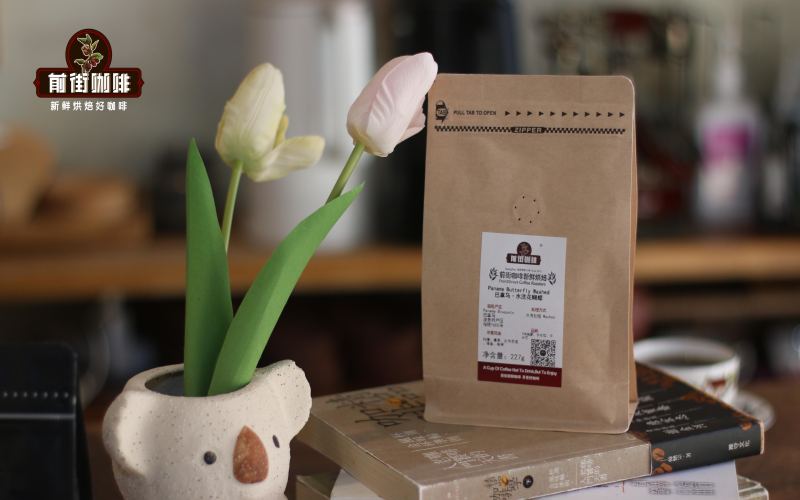
Why is Panama Butterfly called a Geisha blend? Is it a single-origin or a blend? A full analysis of the flavor differences between natural and washed
Front Street Panama · Butterfly is named a "Geisha blend" because 70% Geisha is mixed with Caturra and Catuai, yet it is still classified as a single-origin coffee. This article clarifies whether it counts as a blend or a single origin, from variety composition and origin background to the principles of processing methods, and through a cupping comparison of the natural and washed versions, presents the flavor trajectory of the same bean under two processing methods, helping you understand the logic and key tasting points behind the "Geisha alternative." [more…]
Costa Rican Geisha Coffee Flavor Analysis: Is the Mirazu Estate Strawberry Candy Geisha Blend a Single-Origin Bean?
Geisha coffee captivates countless coffee lovers, and most people first think of Panama, but Panama's Geisha variety was actually introduced from Costa Rica. So how does Geisha perform in its "previous stop," Costa Rica? And does a Geisha blend coffee bean count as single-origin coffee? From the perspective of Front Street Coffee, this article compares the characteristics of Geisha from the two major producing regions and provides an in-depth analysis of Front Street Costa Rica Mirazu Estate Strawberry Candy Geisha Blend's variety composition, raisin honey processing method, roasting curve, cupping performance, and brewing parameters, giving you a comprehensive understanding of this distinctive Geisha blend coffee. [more…]
Flavor Analysis of Costa Rica Geisha Blend Coffee Beans: Mirazu Estate Raisin Honey Processing and Brewing Suggestions
Costa Rica, as a neighboring country of Panama, was also an important transit point for the Geisha variety's introduction into Panama. After Geisha shone brightly at Panama's BOP, Costa Rica also began to attach importance to this variety. This time, Front Street Coffee introduces a Costa Rican Geisha blend coffee bean from Mirazu Estate. The estate is located in the Tarrazu region and was independently founded by Esteban Sanches, a member of the original La Candelilla Estate family. This blend contains 50% Geisha, along with ET47, SL28, and MAICO, and is processed using the raisin honey method, with a medium-light roast. The cupping flavors are rose, strawberry gummy, raisin, and almond, and Front Street Coffee calls it "Strawberry Candy." The following sections will provide a detailed analysis of its variety background, processing method, roasting approach, and brewing parameters. [more…]
For the same Geisha blend, just how big is the flavor difference between natural and washed processing?
Front Street Panama Butterfly, as a highly cost-effective Geisha blend coffee, has always been favored by coffee enthusiasts. It is a blend of three varieties—Geisha, Caturra, and Catuai—of which Geisha accounts for about seventy percent, originating from the Boquete region of Panama. So, when the same coffee beans undergo two different processing methods—natural and washed—what differences will emerge in flavor? This article will analyze from the perspectives of variety composition, regional background, and processing principles, and through actual brewing tests, compare the specific performances of Front Street Washed Butterfly and Front Street Natural Butterfly in terms of aroma, acidity, cleanliness, and other aspects, guiding you to a deeper understanding of the profound impact of processing methods on coffee flavor. [more…]
Costa Rica Geisha Flavor Analysis: Brewing Parameters and Origin Story of the Mirazu Strawberry Candy Blend
Although Geisha coffee is famous for its connection to Panama, its varietal lineage entered Central America through Costa Rica. This article traces the spread of Geisha from Ethiopia to Costa Rica and then to Panama, and focuses on the Costa Rica Mirazu Estate Strawberry Candy Geisha blend introduced by Front Street Coffee. This blend is composed of 50% Geisha and 50% ET47, SL28, and MAICO, undergoes raisin honey processing, and presents jasmine floral aromas, raisin sweetness, and strawberry gummy candy flavors. The article explains in detail the estate's varietal background and processing methods, and includes Front Street's V60 pour-over parameters and brewing technique, providing a complete reference for coffee enthusiasts. [more…]
Why Is Panama Butterfly Classified as a Geisha Blend? An Analysis of Its Single-Origin Attributes and the Flavor Differences Between Natural and Washed Processing
Front Street Panama·Butterfly is hailed as a Geisha alternative thanks to its roughly 70% Geisha composition and the high-altitude terroir of the Boquete production region. It is a blend of three varieties—Geisha, Caturra, and Catuai. Although labeled as a Geisha blend, it is classified as a single-origin coffee because it comes from the same production region and undergoes the same washed processing. This article will sort out the blending logic and historical origins of Butterfly, compare the differences between the washed and natural versions in brewing performance, flavor cleanliness, and tropical fruit character, and present in full the review details of Front Street's natural Butterfly, helping coffee enthusiasts understand the specific effects of mixed-variety harvesting and processing methods on the flavors in the cup. [more…]
Tracing the Origins of Costa Rican Geisha and Its Blend Expression: Analyzing the Strawberry Candy Flavor of Mirazu Estate
The origin of Geisha's fame actually lies in Costa Rica, and the Panamanian variety was introduced from there. This article starts from the history of variety dissemination, compares the differences between Costa Rican and Panamanian Geisha, and focuses on the strawberry candy Geisha blend from Mirazu Estate launched by Front Street Coffee. The beans come from the Tarrazu region, at an altitude of 1700 meters, and are a half-and-half blend of four varieties: Geisha, ET47, SL28, and MAICO. They are processed as raisin honey and cup with jasmine floral notes, raisin sweetness, and strawberry gummy flavors. The article also outlines the background of each variety, processing details, and includes Front Street's V60 brewing parameters and technique for coffee enthusiasts' reference. [more…]

Why Is Costa Rican Geisha So Sweet? Key Brewing Tips for the Mirasu Blend
Geisha traveled from Ethiopia to the world, shining brightly in Panama before taking root in the high-altitude growing regions of Central America. Costa Rica, with Tarrazú's volcanic soil and large day-night temperature swings, has cultivated a Geisha coffee that boasts both sweetness and floral aromatics. In this comparison, Front Street Coffee pits La Candelilla Estate washed Geisha against Mirazu Estate raisin honey-processed Geisha blend, breaking down the flavor differences between the two beans step by step—from varietal composition and green bean processing to roast profiles and the V60 three-pour brewing method—to help coffee lovers find the cup that suits their taste better. [more…]
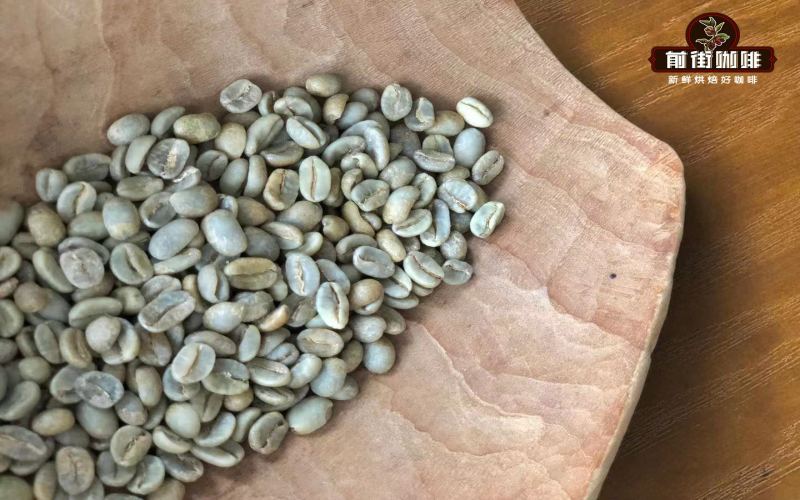
Colombia Geisha Blend Hanami Coffee Beans Review: Flavor and Mouthfeel Analysis of Huila Region
Front Street Colombia Geisha Blend · Hanami Coffee Beans come from the Mont Blanc Estate in the Huila region, at an altitude of 1,900 meters. They are a blend of three varieties—Geisha, Caturra, and Catuai—and are processed using the washed method. This coffee displays aromas of lemon, orange peel, and orange blossom; on the palate it has a lemony black tea-like sweet-tartness, accompanied by the sweet fragrances of peach, strawberry, pomelo, bergamot, and honey. The floral notes are prominent, and the mouthfeel is smooth and delicate. Although it is called a blend, it still falls within the category of single-origin coffee beans—because single-origin emphasizes the same region or estate, not a single variety. Below, we will take you through the unique charm of this coffee from two perspectives: the terroir of the region and the background of the estate. [more…]
Analysis of the Differences Between Natural and Washed Coffee Bean Processing Methods: A Flavor Comparison of Two Gesha Blend Butterfly Varieties
The same coffee beans can present completely different flavor profiles simply because of different processing methods. This article takes Front Street Panama Boquete Butterfly, a Geisha blend, as an example, and analyzes it one by one from variety composition and regional characteristics to the principles and pros and cons of the two processing methods, natural and washed. Through an actual cupping comparison, Front Street Washed Butterfly shows a clean profile of white floral notes and black tea, while Front Street Natural Butterfly leans toward a rich style like tropical fruit red wine. If you are also wondering which is better, natural or washed coffee, or want to understand the ins and outs of Geisha blends, this article will provide you with a clear answer. [more…]
What is Butterfly Coffee Beans? A Comprehensive Interpretation of Variety Blend Composition, Boquete Origin Characteristics, and Cost-Effectiveness
Geisha coffee has always been known for its high price and unique flavor, which puts it out of reach for many coffee lovers. However, on Front Street Coffee's bean list there is a Panamanian coffee bean called "Butterfly," which, with a blend ratio of 70% Geisha variety and a friendly price, has become an ideal choice for experiencing Geisha flavor in daily life. This article will walk you through the origin of the name Butterfly coffee beans, their varietal composition, the growing advantages of the Boquete production region, and the flavor changes brought by natural processing. It will also explain why it still counts as a single-origin coffee, and include Front Street Coffee's roasting and brewing suggestions, helping you gain a comprehensive understanding of this high-value, accessible Geisha. [more…]
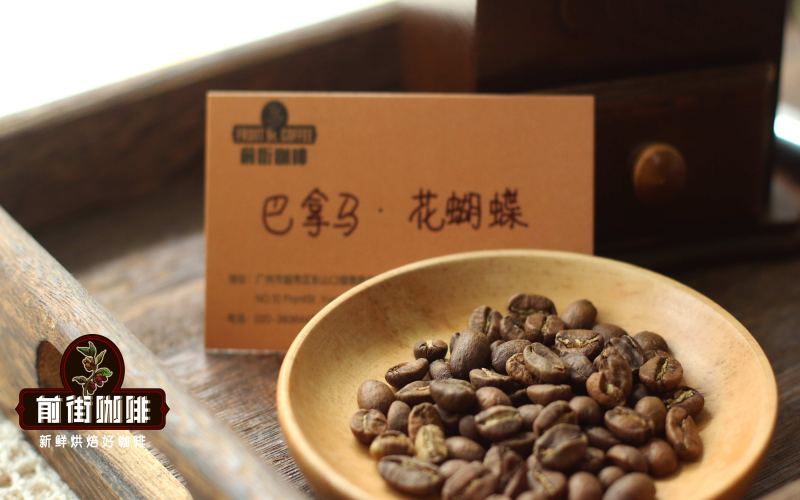
Panama Boquete Butterfly Geisha blend beans, why are they still classified as single-origin coffee?
The Panama Boquete Butterfly coffee beans launched by Front Street Coffee are composed of three varieties: Geisha, Caturra, and Catuai. Customers often ask: can a Geisha blend still be considered single-origin coffee? Starting from the estate history that Front Street Coffee has researched, this article explains the essential difference between this kind of mixed planting and artificial blending, and provides a complete introduction to Butterfly's variety composition, the terroir of the Boquete region, the washed processing flow, the medium-light roast profile, cupping data, and a V60 staged brewing recipe, helping coffee lovers understand this bean's unique positioning and flavor performance. [more…]
Panama Butterfly Geisha Blend Coffee: Variety Composition, Washed Processing, and Floral Flavor Analysis
A question that customers often ask about the Panama Butterfly coffee beans offered by Front Street Coffee is: does a Geisha blend actually count as a single-origin bean? This article begins with the growing history of the Boquete production region, sorts out the varietal composition of this bean—70% Geisha paired with Caturra and Catuai—and traces Geisha's path from the primitive forests of Ethiopia to overnight fame in Panama. It also explains in detail the washed processing flow, the medium-light roast profile, and the V60 staged brewing parameters, along with a cupping report. After reading, you will understand why this Front Street Panama Butterfly delivers impressive performance in floral aroma, acidity, and body. [more…]

Geisha Blend Introduction | Can You Taste Geisha in Panama Butterfly? Recommended High-Value Quality Panama Geisha Coffee Beans for Beginners
Panama is a Central American country, bordered by Costa Rica to the west and Colombia to the east. Anyone familiar with single-origin coffee should know that Panamanian coffee is famous in the coffee world for Hacienda La Esmeralda's Geisha. Thanks to its unique terroir and the growers' meticulous [more…]
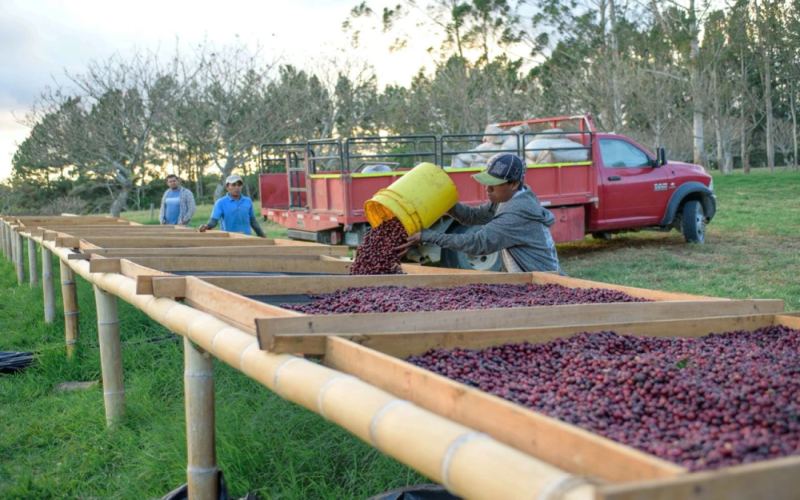
Which region in Panama produces the most outstanding Geisha coffee? A daily-drinker Geisha flavor and price breakdown
The Geisha variety from Hacienda La Esmeralda, with its stunning floral and fruity notes, completely changed the coffee world's pursuit of flavor, shifting from rich and full-bodied to fresh floral and fruity aromas. However, authentic Geisha prices remain persistently high, making it difficult for many enthusiasts to enjoy it as an everyday drink. This article will guide you through the origins and flavor characteristics of Geisha, and recommend three everyday-drinker Geisha coffees that balance quality and value, including Front Street Coffee Boquete Geisha, Butterfly Blend, and Strawberry Candy Blend, with detailed analysis of each one's flavor profile and suitable occasions. It also shares practical tips for buying Geisha coffee, helping you find the cup that suits you best within your budget. [more…]