







Search Results for: Gachatha Cooperative
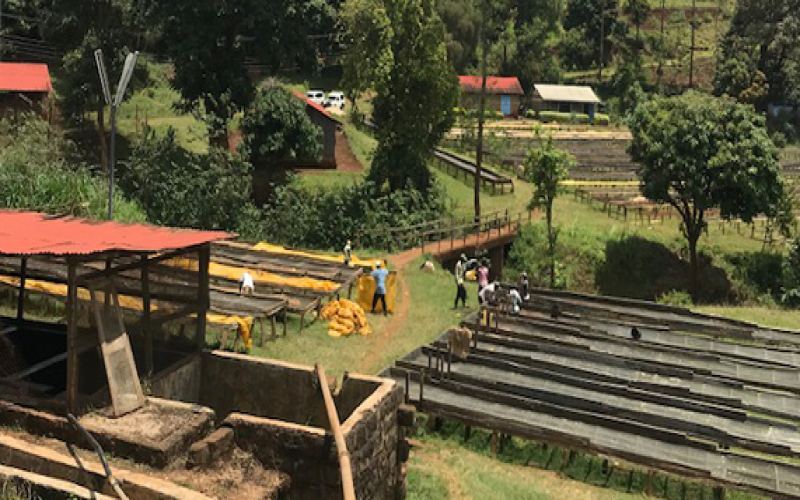
Flavor Analysis and Pour-Over Parameter Guide for Kenya Nyeri Gachatha Cooperative Coffee Beans
The Nyeri region of Kenya has long been recognized as a benchmark origin in the specialty coffee world, and the AB-grade coffee beans produced by the Gachatha Cooperative are a prime representative of it. This bean brings together the two classic varieties SL28 and SL34, and after K72 washed processing, it displays a layered complexity woven from citrus, plum, honey, and green tea. This article will, from the regional background, cooperative situation, processing method, and variety characteristics to Front Street Coffee's roasting curve, cupping data, and V60 brewing recipe, comprehensively sort out the flavor sources and extraction approach of this bean, providing coffee lovers with a practical reference for tasting and brewing. [more…]

What makes Kenyan PB round beans unique? An analysis of Kenyan coffee grading and the K72 processing method
Kenyan coffee stands out in Africa with its distinctive cherry tomato acidity and bright cup profile, thanks in large part to the two major varieties SL28 and SL34. This article focuses on Kenyan PB round beans, outlining the high-altitude growing conditions of Kenyan coffee, the unique K72 washed fermentation process, and the eight-tier grading system based on bean size. It also compares the flavor differences among common grades such as PB, AA, and AB, and, drawing on three beans listed by Front Street Coffee—Sasini Estate PB round beans, Asali AA, and Gachatha Cooperative AB—shares practical brewing parameters and cupping performance to help coffee lovers gain a more comprehensive understanding of what makes Kenyan coffee so captivating. [more…]
Pour-Over Coffee Bean Recommendation: Front Street Kenya Honey AA Top Flavor Analysis and Nyeri Region Traceability
Front Street Kenya Nyeri Region Honey AA Top is a special blended lot from the 2017 new crop, washed processed. It brings together the efforts of smallholder farmers from both Nyeri and Kirinyaga counties, from a central processing factory on the high-altitude slopes of the Aberdare Mountains. The cup showcases fresh berries, caramel, pomelo aroma, and coffee berry sweetness—bright and juicy, crisp and sweet, making it ideal for pour-over. This article will guide you through the flavor characteristics of this bean and take you deep into Kenya's main origin, Nyeri, to explore the operations of the Gachatha Processing Factory. At the same time, it will sort out the planting history, common varieties, grading, and processing systems of Kenyan coffee, helping coffee enthusiasts gain a more comprehensive understanding of this classic origin. [more…]

Kenya AA Washed Coffee Beans Full Analysis: From Variety Grading to K72 Processing and Pour-Over Flavor
Kenyan coffee is renowned worldwide for its vibrant acidity and full-bodied juiciness, which is distinctly different from the acidity of Ethiopian coffee. Front Street Coffee takes Kenya's colonial history as a starting point to trace the establishment of its meticulous management system, including the selection and breeding of SL28/SL34 varieties, the establishment of the auction system and grading standards, and the unique 72-hour washed fermentation process. This article will also guide you through the terroir differences of core producing regions such as Nyeri, Kirinyaga, and Muranga, and includes the complete roasting curves, cupping performance, and brewing parameters for two beans: Front Street Cherry Tomato AA TOP and Gachatha Cooperative AB, allowing you to understand the full picture of Kenyan coffee in one go. [more…]

A Detailed Guide to the Flavor Characteristics of Kenyan Specialty Coffee Beans and the AA Grade System: Comparing Nyeri and Kirinyaga Regions
Kenya, as East Africa's most important specialty coffee-producing country, is renowned for its full-bodied juicy mouthfeel and distinct flavor layers. However, many people habitually define Kenyan beans by a "cherry tomato" note, a judgment Front Street Coffee considers overly simplistic—the true core characteristic of Kenyan origins lies in their substantial juicy mouthfeel. This article will systematically outline the full picture of Kenyan specialty coffee, starting from Kenya's production and marketing system, grading standards, the terroir of its six major regions, the characteristics of the SL28 and SL34 varieties, and the iconic K72 washed processing method. At the same time, through roasting, cupping, and brewing, Front Street Coffee compares the flavor differences between two AB-grade beans—from the Nyeri Gachatha Cooperative and the Mugaya Processing Station—to help readers gain a more comprehensive understanding of the diversity of Kenyan coffee. [more…]
Kenya AA Coffee Beans Top Picks: AA Grading Standards and FAQs on Cup Quality Explained
Kenya AA coffee beans have always been a hot topic in the specialty coffee circle. Many people's impression of Kenyan beans stops at the small tomato flavor, but Front Street Coffee believes that the core characteristic of the Kenyan producing region should be a thick, juicy mouthfeel. This article will unfold from aspects such as Kenya's coffee trade system, grading standards, six major producing regions, variety characteristics, and the K72 washed processing method, and through Front Street Coffee's comparison of roasting, cupping, and brewing of two beans—Nyeri Gachatha AB and Mugaya AB—will take you to a deeper understanding of the true character of Kenyan coffee, and explain the meaning of the AA grade and FAQ cupping quality. [more…]
A Complete Analysis of Kenyan Coffee Bean Flavor Characteristics and Grading System: From AA Grade to the K72 Washed Processing Method
Kenya, as a representative producing country of East African specialty coffee, is renowned for its full-bodied juicy mouthfeel and vivid acidity. However, many enthusiasts habitually define Kenyan coffee by a small-tomato flavor profile, a single standard that Front Street Coffee considers inaccurate. This article systematically reviews Kenya's coffee-producing regions, bean grading system, auction trading system, the characteristics of the SL28 and SL34 varieties, and the unique K72 washed processing method. At the same time, by comparing the roasting, cupping, and brewing performance of two AB-grade beans, Nyeri Gachatha and Mugaya, Front Street Coffee demonstrates how altitude differences influence flavor direction, providing coffee enthusiasts with a complete framework for understanding Kenyan coffee. [more…]
A Complete Analysis of the World's Top Ten Coffee Producing Regions: From Brazil to Guatemala, the Flavor Differences Between Mandheling and Blue Mountain Explained Once and for All
The golden coffee-growing belt spans the Tropics of Cancer and Capricorn. The climate, terrain, altitude, and processing methods of different producing countries give coffee beans vastly different flavor personalities. In this article, Front Street Coffee will guide you through the world's top ten coffee origins—from Brazil's balanced sweetness and Costa Rica's honey-processed sweetness, to Indonesia Mandheling's rich herbal aroma and Jamaica Blue Mountain's clean elegance, and on to Ethiopia's floral and fruity notes and Kenya's cherry tomato-like acidity. It will also answer a question many enthusiasts care about: which is actually better-tasting, Mandheling or Blue Mountain coffee beans? The two have completely different styles and suit different taste preferences, and after reading this article you will have a clearer judgment. [more…]
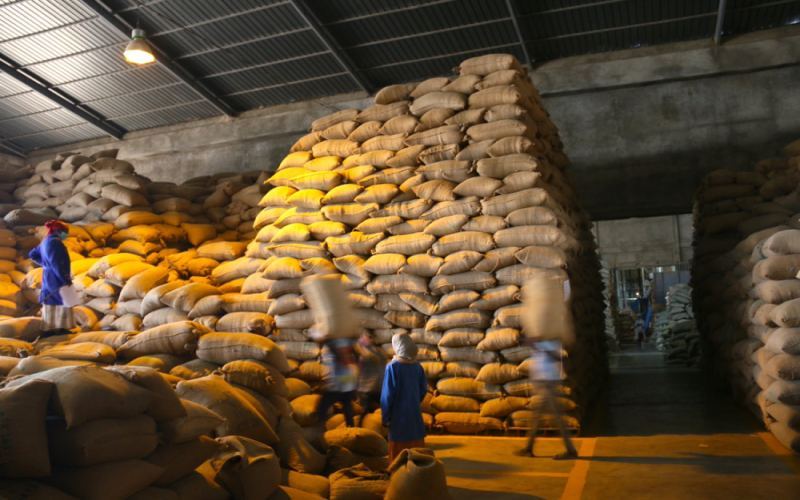
Ethiopia's Three Major Coffee Export Systems and the ECX Trading Mechanism: How Single-Farm Beans Like Hambela Hualukui Reach Overseas Markets
Ethiopia, as the holy land of specialty coffee, has a rather complex coffee export system. According to local regulations, coffee exports are divided into three major systems: ECX bidding, cooperatives, and single farms. Among these, cooperatives and single estates can bypass the ECX and export directly, offering relatively complete traceability. The ECX was founded by Eleni Gabre-Madhin in 2008, and through grading, warehousing, and real-time information, it transformed the trading circumstances of coffee farmers. However, what truly achieves 100% traceability is the single farm system that has risen in recent years. The Sidamo sun-dried Huakui is a representative work from the Hambela farm. This article will sort out the operational differences among the three systems, the trading logic of the ECX, the structure of the six major cooperative unions, and the significance of single farms to specialty coffee. Front Street will also continue to follow these origin developments, bringing coffee enthusiasts clearer origin knowledge. [more…]
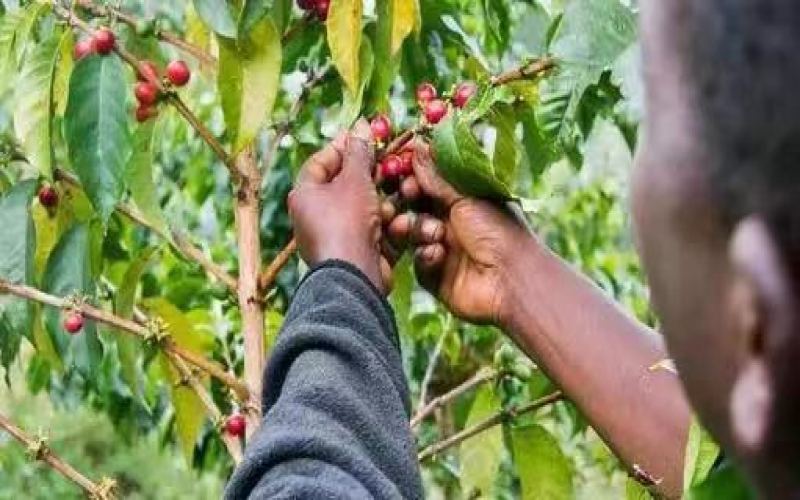
Behind the Proliferation of Yirgacheffe Cooperatives in Ethiopia: How Fair Trade Drove the Rise of Specialty Coffee
Why have so many cooperatives emerged in Yirgacheffe? Behind this is the journey of coffee farmers striving for fair trade and direct trade. Since the founding of YCFCU in 2002, 24 primary cooperatives and about 50,000 farmers have been able to bypass the ECX bidding system, negotiate prices and export directly with buyers, and obtain reasonable pay and even equipment assistance. Cooperatives such as Gedeb, Konga, Worka, Hafursa, and Idido each have their own terroir characteristics and are deeply favored by specialty coffee lovers. Front Street Coffee selects beans from multiple cooperatives, presenting the different charms of washed and natural processing. This article will take you through the stories and flavors of these cooperatives. [more…]
A Hand-Brewing Guide to Natural Yirgacheffe Konga Cooperative: Flavor Profile, Causes of Bitterness, and Brewing Parameters Explained
Yirgacheffe is one of Ethiopia's most representative specialty coffee regions, and the Konga cooperative's full red cherry natural batch is particularly renowned for its citrus acidity, berry juice-like body, and creamy smooth mouthfeel. However, many enthusiasts encounter a bitter taste when brewing this bean as pour-over, which is often related to grind size, water temperature, or extraction time control. This article will systematically cover Yirgacheffe's regional background, variety characteristics, cooperative system, and processing method differences, with a focus on introducing the Konga cooperative's flavor profile, and provide Front Street Coffee's recommended brewing recipe for light-roasted Yirgacheffe, helping you brew a clean, bright cup with abundant sweetness. [more…]
Natural Yirgacheffe Konga Cooperative Coffee Beans Pour-Over Flavor Analysis and Adjustment Approaches for Bitterness Issues
Yirgacheffe is one of Ethiopia's most renowned specialty coffee regions, famous for its floral and citrus notes. This article covers the regional background, variety characteristics, and cooperative system of Yirgacheffe, with a focus on the coffee flavors of cooperatives such as Konga, Gotiti, and Worka, and offers extraction adjustment advice for the bitterness that arises when brewing natural-process Yirgacheffe as pour-over. The article also compiles flavor descriptions and brewing parameters for several Yirgacheffe beans currently sold by Front Street Coffee, for the reference of coffee enthusiasts. [more…]
An Analysis of the Coffee Bean Varieties of Yirgacheffe Gutingding and the Origin Story of the Konga Woka Cooperative
Yirgacheffe is one of the most renowned coffee regions in Ethiopia, famous worldwide for its fresh floral aroma and citrus notes. This article will guide you through the geographical and historical background of Yirgacheffe, clarify why its coffee bean varieties are collectively referred to as Ethiopian heirloom varieties, and provide an in-depth introduction to the origin characteristics of well-known cooperatives such as Gedeb, Konga, Worka, Hafursa, and Idido. At the same time, Front Street Coffee will share brewing approaches and brewing parameters for Yirgacheffe coffee beans, helping you better appreciate the captivating flavors of this region. [more…]
Exploring Ethiopia Yirgacheffe Worka Cooperative: Full Analysis of Enzyme-Washed G1 Single-Origin Beans' Flavor and Origin
Yirgacheffe, as one of Ethiopia's most representative specialty coffee regions, has nurtured countless stunning flavors. The Worka cooperative, located in a remote part of the region, has leveraged its unique enzyme-washed processing method and organic farming practices to produce high-quality single-origin beans graded G1. This article will take an in-depth look at the Worka cooperative's geographical environment, cultivation model, and cooperative background, and provide a detailed analysis of the flavor profile of this Front Street Coffee-recommended Yirgacheffe Washed Worka G1, taking you from lemon and grapefruit to wild ginger flower and a subtle winey aroma, to appreciate its delicate and elegant floral charm. [more…]
Ethiopia Konga Cooperative Coffee Bean Pour-Over Flavor Analysis and Yirgacheffe Tasting Guide
Konga Cooperative is a coffee producer organization in the Yirgacheffe region that has attracted much attention in recent years, with as many as 24 cupping scores above 90 on Coffee Review, and in 2017 it even achieved a high score of 94. This article introduces this cooperative affiliated with YCFCU, helping you understand its red soil cultivation advantages, washed processing flow, and the captivating honey pomelo tea-like flavor in its washed lots. At the same time, Front Street Coffee also sorts out the flavor differences between Yirgacheffe and Sidama for you, helping you better choose and taste. [more…]
Exploring Ethiopia Yirgacheffe Gutingding Cooperative: Washed Heirloom Coffee Flavor Analysis
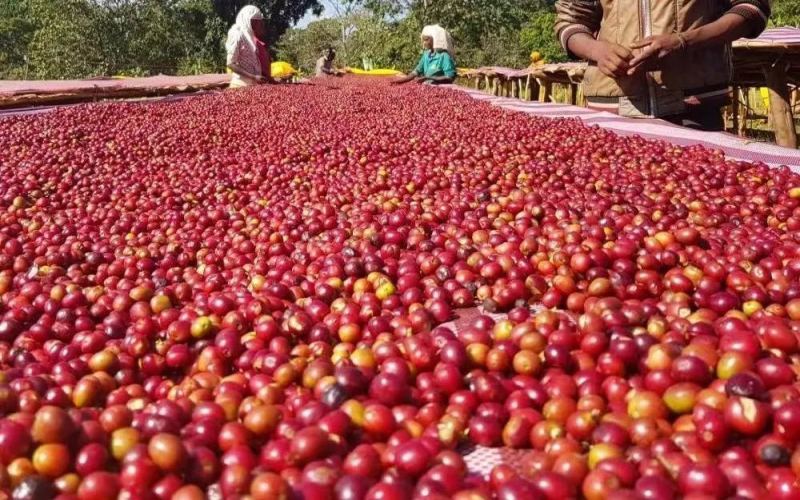
Ethiopia, as the birthplace of coffee, possesses the world's richest coffee gene pool, and its Yirgacheffe region is renowned for its unique floral and fruity aromas. Among the many sub-regions of Yirgacheffe, the Gotiti Cooperative in Gedeb Town, through its washed heirloom coffee beans, reveals a refreshing flavor interwoven with jasmine floral notes, citric acidity, and berry sweetness. This Gotiti Cooperative coffee bean, selected by Front Street Coffee, is light-roasted and brewed with a V60, presenting a clean, sweet tea-like finish, making it an excellent representative for those new to Ethiopian coffee. This article will take you through an in-depth understanding of the Gotiti Cooperative's geographical background, historical origins, and brewing performance. [more…]
Sun-Dried Konga Yirgacheffe Pour-Over Flavor Analysis: From Origin Tracing to Cooperative Features and Brewing Parameters
Yirgacheffe is one of Ethiopia's most renowned specialty coffee regions, famous for its white floral aromatics and citrus acidity. This article starts from the geography of the region, the characteristics of the varieties, and the cooperative system, sorting out what makes Yirgacheffe unique, and introduces one by one the flavor differences among well-known cooperatives such as Gotiti, Konga, Worka, Hafursa, and Idido. It also explains in detail how the two processing methods, natural and washed, influence the flavor direction, as well as Front Street Coffee's light-roast approach and pour-over parameter recommendations for Yirgacheffe, helping you understand the charm of this classic regional coffee more systematically. [more…]
Exploring the Worka Cooperative Under Ethiopia's YCFCU System: An Analysis of Anaerobic Natural Yirgacheffe G1 Green Beans
Yirgacheffe is known to most people for its washed processing, such as Front Street Coffee's Gedeb Gotiti Cooperative, which, by removing the fruit skin and pulp, delivers a clean flavor and, through a medium-light roast, presents notes of white florals, honey, citrus, and green tea. However, natural and anaerobic natural Yirgacheffe are equally worth attention. Front Street Coffee's Red Cherry has a slight fruity fermentation aroma, while the newly launched Front Street Coffee Worka Cooperative coffee beans display rich layers of berry and floral notes. This article will take an in-depth look at this single-farm-origin bean, sorting out the Worka Cooperative's origin background, the structure of the YCFCU alliance, and how anaerobic natural processing shapes its unique flavor. [more…]
Floral and Fruity Aromas with Bright Acidity: Flavor Characteristics of Yirgacheffe Specialty Coffee Beans and an Introduction to Front Street Coffee's Gudingding Cooperative
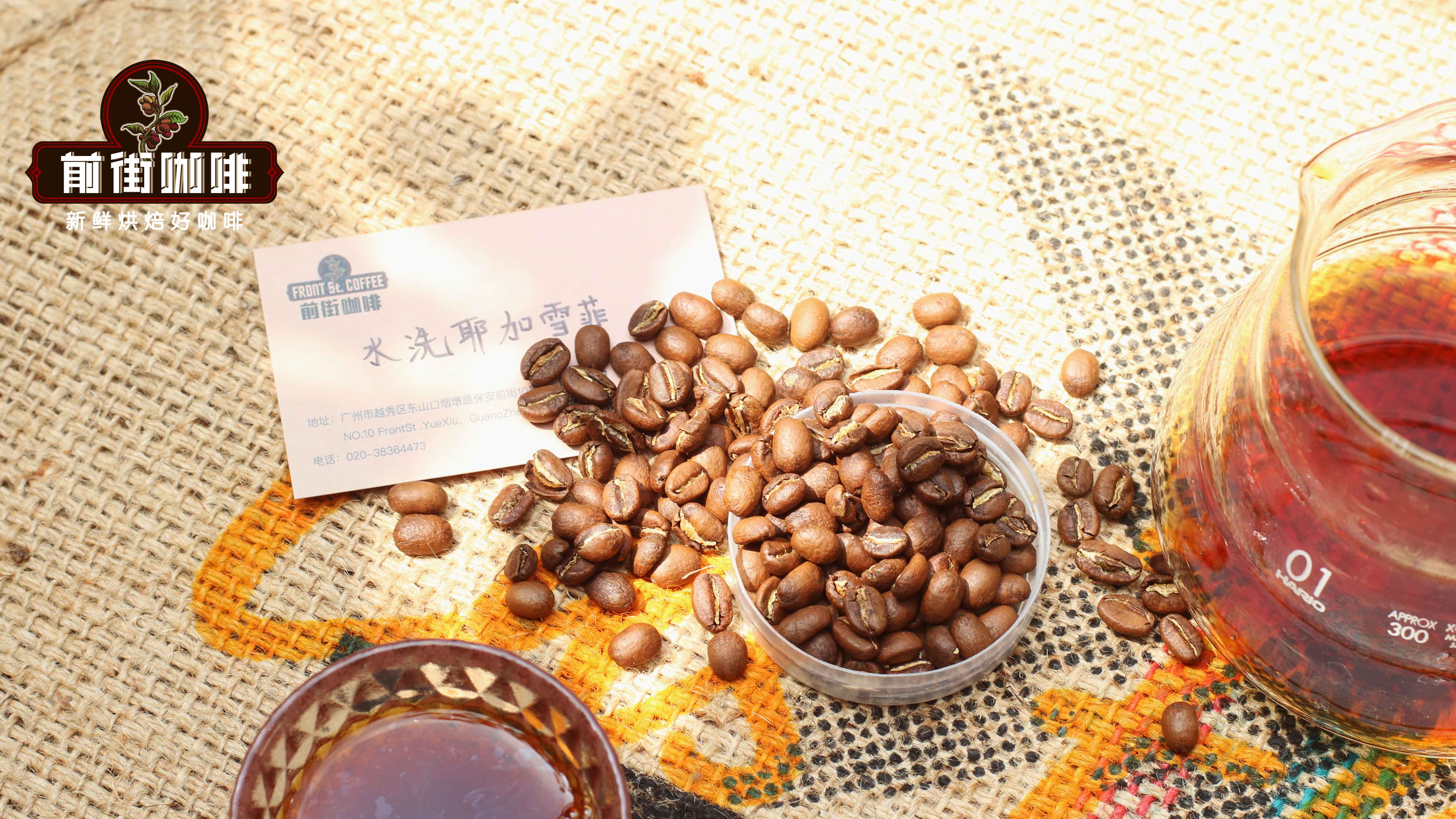
Yirgacheffe is a small town in the Gedeo Zone of southern Ethiopia, at an altitude of about 1,700 to 2,100 meters, famous for its unique floral and fruity aromas and bright acidity. It originally belonged to the Sidama region but became its own region due to its highly distinctive processing methods and flavor profile. Front Street Yirgacheffe is a light-to-medium roast single-origin bean with a naturally fragrant floral character, suitable for pour-over, cold brew, American drip, and many other brewing methods. If you want to experience the highest-grade Ethiopian coffee, Front Street G1 Gotiti Cooperative is the next step up. It uses washed processing, excels in both quality and flavor, and offers notes of jasmine, citrus, honey, green tea, and blueberry. Gotiti Cooperative is located in the Worka region at the southeastern end of Yirgacheffe. It became independent from the Worka Cooperative in 2012 and has about 300 farmer members. It is known as the last pure land of Yirgacheffe and continues to use traditional washed and natural processing methods. Comparing Front Street washed Yirgacheffe everyday beans with Gotiti Cooperative, the former has a light jasmine aroma, clear citrus notes, and a clean mouthfeel, while the latter has brighter citric acidity, a pronounced sugarcane sweetness, and reveals a rounded tea-like character as it cools. [more…]

Why Is the Cooperative Model So Prevalent in Ethiopian Coffee? An Analysis of the Origin and Flavor of Yirgacheffe Gedeb
Ethiopia is widely recognized by coffee lovers around the world as the quintessential origin of floral and fruity notes, and within Ethiopia, Yirgacheffe is renowned for its bright lemon and citrus acidity. Many people notice, when shopping for Yirgacheffe coffee beans, that product names are often taken from the small towns or cooperatives of the producing region—something closely tied to Ethiopia's distinctive garden-plot cultivation model and cooperative system. This article will outline the administrative and production-area divisions of Yirgacheffe, explain why cooperatives emerged, and focus on the growing conditions, history, and flavor characteristics of the Gedeb region's Gotiti Cooperative, while also mentioning related product information from Front Street Coffee. [more…]