







The golden coffee-growing belt spans the Tropic of Cancer and the Tropic of Capricorn. The climate, terrain, altitude, and processing methods of different producing countries give coffee beans distinctly different flavor profiles. In this article, Front Street Coffee will guide you through the world's top ten coffee origins—from Brazil's balanced sweetness and Costa Rica's honey-processed sweetness, to Indonesia Mandheling's rich herbal aroma, Jamaica Blue Mountain's clean elegance, Ethiopia's floral and fruity notes, and Kenya's cherry tomato-like acidity. We will also answer a question many enthusiasts care about: which is better tasting, Mandheling or Blue Mountain coffee beans? The two have vastly different styles and suit different taste preferences. After reading this article, you will have a clearer judgment.
For more specialty coffee knowledge, please follow our WeChat official account: Front Street Coffee
The golden belt for coffee cultivation lies between the Tropic of Cancer and the Tropic of Capricorn, where coffee beans from many producing countries are found. Coffee from each producing country has a unique flavor due to differences in climate, terrain, altitude, and processing methods. Front Street Coffee also offers a very wide range of single-origin coffees, covering at least more than 50 producing regions, with these coffee beans coming from all over the world. In this article, Front Street Coffee will talk with you about the world's top ten coffee bean origins and related coffee bean varieties.
1. Brazil Coffee Bean Producing Region:
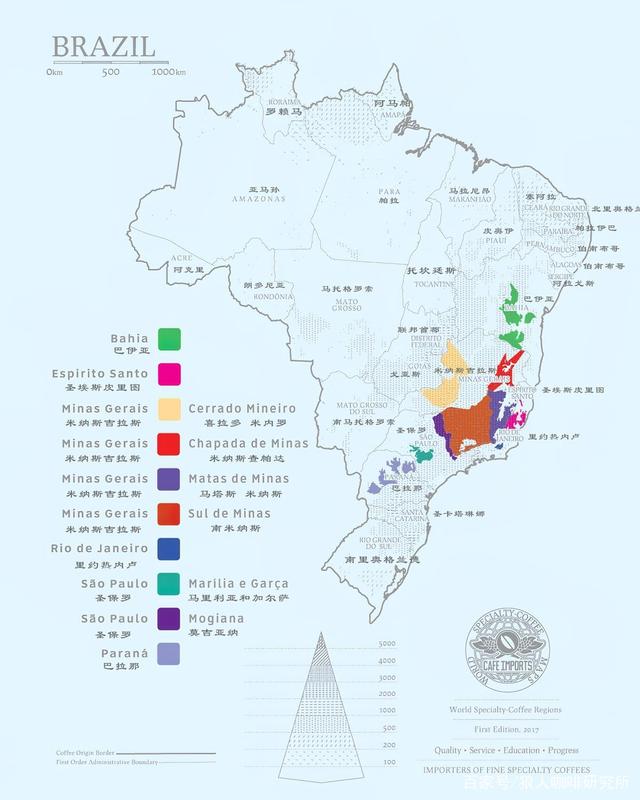
For more than a century, Brazil, a major South American country, has been the world's undisputed largest coffee producer, known as the "Coffee Kingdom." The coffee produced here is famous worldwide for its excellent quality and rich taste, making it the world's largest coffee exporter as well. In 1727, coffee was first introduced to Brazil. Because it is located in tropical and subtropical regions, its unique geographical environment and climatic conditions are very suitable for growing coffee trees, and with cheap labor, the coffee planting industry quickly flourished.
Brazil differs from other producing countries in coffee bean processing, because Brazilians mostly use the dry method (without washing) during processing, generally drying coffee cherries directly in the sun before sorting; now some coffee beans are also processed by semi-washed or honey methods. Brazil produces both ground coffee made from roasted coffee beans and instant coffee. Although there are many types, they are very suited to popular tastes. It is worth mentioning that Brazil is one of the few countries that both produces coffee in large quantities and consumes coffee in large quantities, which shows how much Brazilians love coffee.
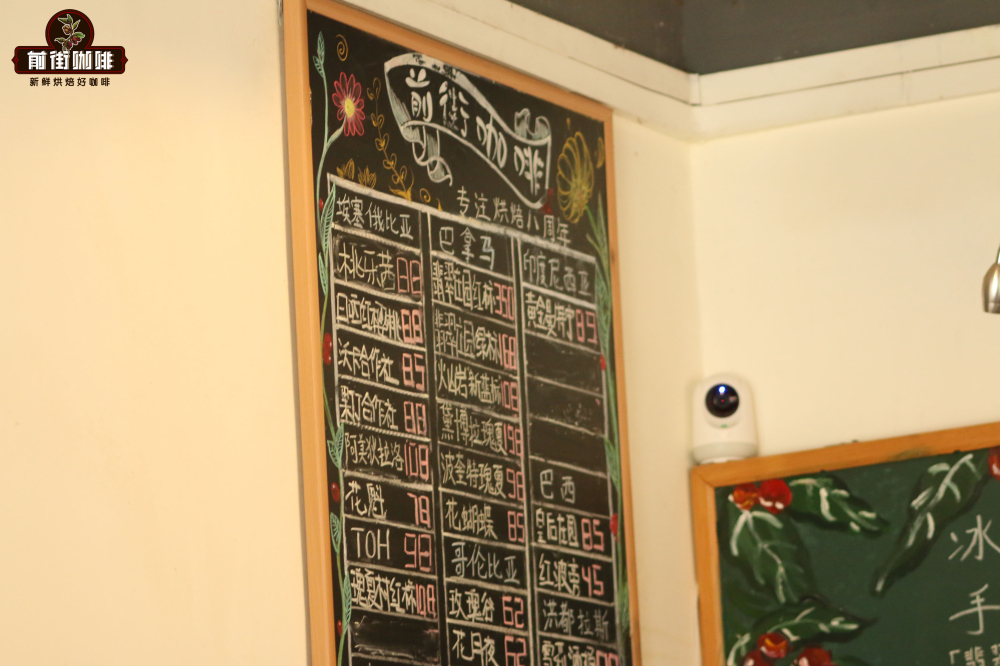
On Front Street Coffee's bean list, there are beans from Brazil, such as Brazil Queen Estate coffee beans. This coffee bean from Front Street Coffee comes from Brazil's very famous Queen Estate, a rare Yellow Bourbon variety that currently only grows in Brazil. It originated from a mutation after crossing red-fruited Bourbon with a yellow-fruited Typica variant. Although the Yellow Bourbon variety has excellent flavor, its yield is not as high as Red Bourbon, so it is only planted on a small scale in Brazil. Brazilian coffee farmers use a locally improved semi-sun method to process this Brazil Queen Estate coffee bean, giving it a balanced taste and an obvious sugarcane sweetness.
2. Costa Rica Coffee Bean Producing Region:
Costa Rica is located in Central America and was the first country in Central America where coffee was introduced and planted. It has a central plateau and volcanic terrain, and the volcanic soil is very fertile. Combined with mild and suitable temperatures, the coffee beans produced in Costa Rica are all of excellent quality.
When mentioning Costa Rican coffee beans, the adjective Front Street Coffee would use is "sweet." Unlike Brazil, Costa Rica's coffee does not use the semi-sun method, but Costa Rica's original honey processing. It is precisely because of honey processing that Costa Rican coffee beans have a very high sweetness.
Local coffee farmers first remove the skin and pulp of the coffee fruit, then dry the mucilage. They are then classified according to how much mucilage is retained, such as
Yellow Honey: about 40% of the mucilage is removed;
Red Honey: about 25% of the mucilage is removed;
Black Honey: nearly 80% of the mucilage is retained;
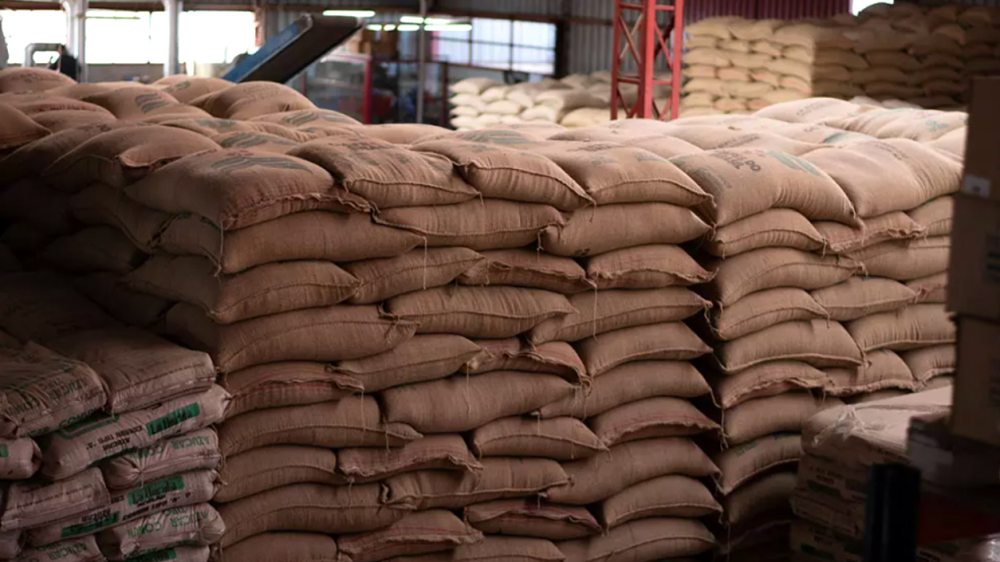
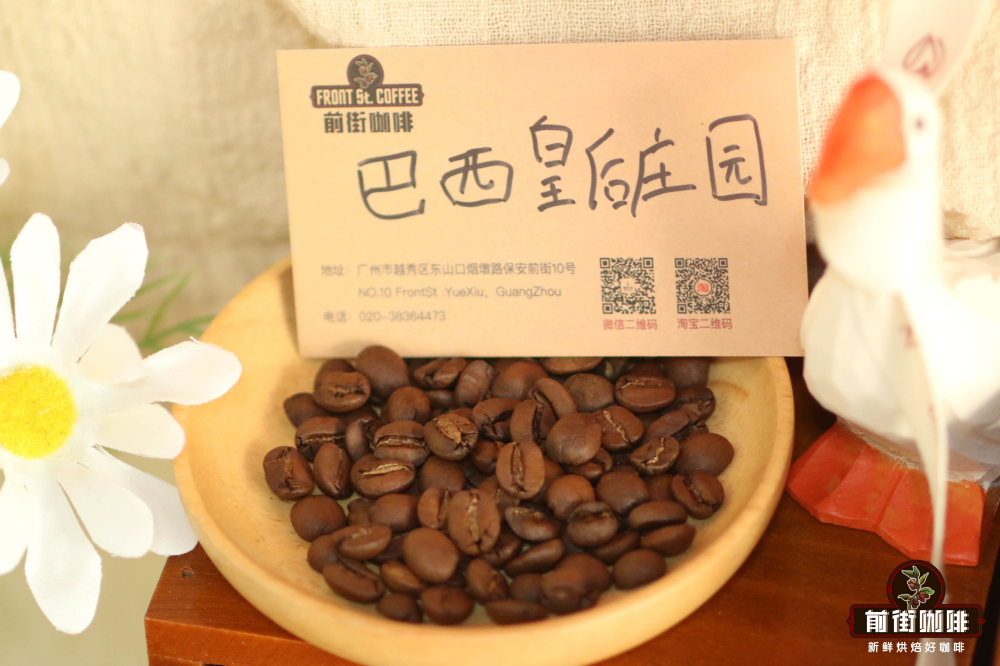
Front Street Coffee's Musician Series comes from Costa Rica. Because Costa Rican coffee beans use honey processing, they give off the berry flavors of ripe coffee and also stimulate red-wine-like aromas. Compared with washed processing, the sweetness is higher, the sugar content is higher, and the body is relatively fuller. It is very suitable for coffee lovers who enjoy sweetness.
3. Colombia Coffee Bean Producing Region:
Colombian coffee is also very well known globally and is one of the few single-origin coffees sold around the world under a country name, partly thanks to the promotion by the coffee growers' federation. They created the image of a coffee farmer called Juan Valdez, making a relatively large contribution to the development of local coffee.
Colombian coffee has a mild and balanced taste, not as intense as Brazilian coffee, with a sweet, fresh aroma, understated yet elegant. Colombian coffee most commonly uses the washed method to process green coffee beans, and washed beans are also the processing method that best showcases the flavor of a coffee producing region. In Front Street Coffee's shop, besides the everyday-drinking Huila beans, Colombian washed beans also include several coffees using special processing methods, such as Front Street Maracaturra, Front Street Rose Valley, Front Street Sidra, and Front Street Big Belly Button coffee beans, among others. They not only have rich and full fruity aromas, but are also very affordable. Everyone can purchase them at Front Street's Tmall flagship store.
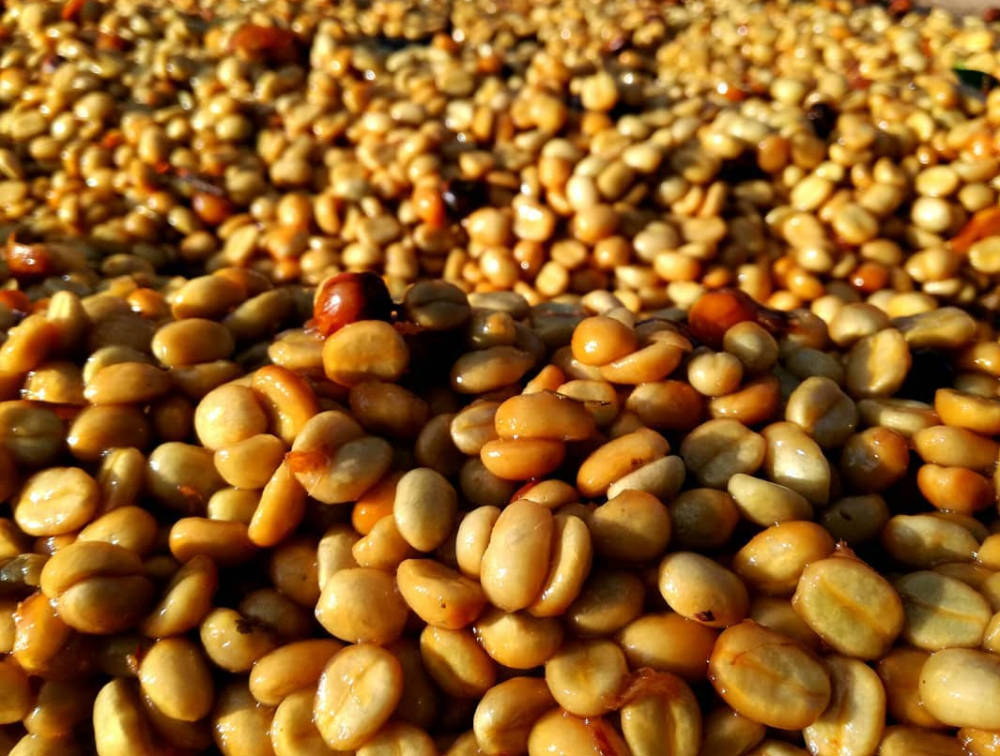
You may rarely have heard of this processing method, as most people know the common washed, natural, and honey processing methods. In fact, this processing method is not only used by Colombia's San Jose Estate; places like Honduras have also used similar processing methods for coffee beans. For example, Front Street Coffee's Honduras Sherry and Lychee Orchid use a similar processing method. First, hand-picked coffee fruits undergo simple washing, then the coffee fruits are fermented in water for 20 hours. After that, the coffee fruits are placed into rum oak barrels aged more than 8 years, and the beans are left to rest for three months and turned every day, allowing the coffee beans to evenly absorb the aroma of the liquor.
When Front Street cupped this Colombian coffee bean, it first ground 11.3 grams of coffee beans and smelled the dry aroma. This San Jose coffee bean had a rich rum aroma in the dry fragrance. After pouring in 94-degree water, within four minutes the wet aroma smelled somewhat like dark chocolate. After cupping, Front Street concluded that the overall flavor of this San Jose coffee bean leaned toward rum truffle, rum, and tropical fruit flavors.
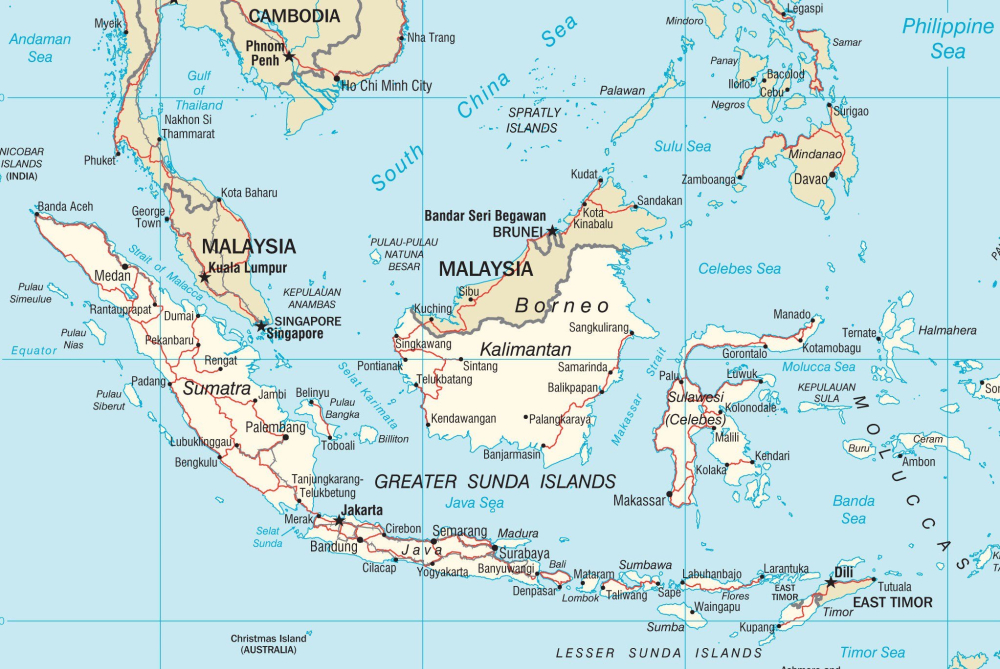
4. Indonesia Coffee Bean Producing Region:
When talking about Indonesia, one cannot fail to mention its civet coffee, which is what many people call kopi luwak. This coffee is known as one of the most expensive coffees in the world. It is made by having civets eat ripe coffee cherries, then after passing through the digestive system and being excreted, the beans are extracted from the civet droppings and processed. Because civets selectively eat the sweetest coffee cherries during feeding, this itself is a kind of beneficial natural selection. After the action of gastric juices, the coffee beans finally excreted differ from ordinary beans, and coffee produced this way often tastes better and is very popular in the international market. Because production is extremely small, only 500 kilograms per year, it is not surprising that it sells for a high price.
Of course, besides kopi luwak, Indonesia's Sumatra coffee, namely Mandheling coffee beans, is also very famous.
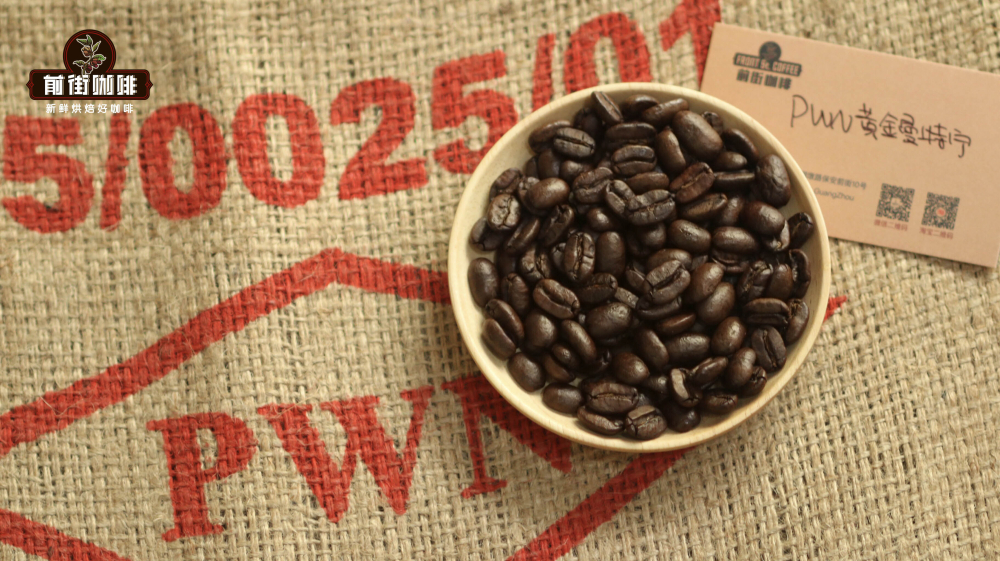
Mandheling coffee beans have a very full body, low acidity, and also carry the herbal flavor unique to the local wet-hulled processing method. There are many types of Mandheling. Front Street Coffee alone has listed five Mandheling coffees, and their coffee flavors are all very different. Among them, the Golden Mandheling listed by Front Street is the standout among Mandheling coffees.
Front Street Coffee's Golden Mandheling coffee is a top-grade selection from the Indonesian green bean company Pawani and has been registered as a trademark. The new-crop Mandheling coffee beans listed by Front Street today come from a different origin than previous Golden Mandheling coffee. The previous Golden Mandheling coffee beans were located in or near the Lake Tawar producing region or the Lintong producing region, while this year Pawani chose coffee from the more northern Gayo Mountain in Aceh as Golden Mandheling. In addition, the variety of the new-crop Golden Mandheling coffee has also changed, to the Ateng variety; "teng" is the localized Indonesian name for Catimor.
5. Ethiopia Coffee Bean Producing Region:
Ethiopia is the birthplace of the Arabica coffee bean that has swept the world. Coffee production here has a long history and a rich coffee culture. As early as more than 1,100 years ago, a shepherd discovered that his flock became unusually excited after accidentally eating coffee beans. Since then, coffee's refreshing and energizing function gradually became widely known.
Ethiopia's Yirgacheffe coffee is very well known and is even synonymous with local specialty coffee, possessing rich and complex aromas. Yirgacheffe was originally a sub-region, but because of its outstanding flavor it became independent from the larger producing region and has been consistently sought after by connoisseurs.
Front Street Coffee has listed many coffee beans from Ethiopia's Yirgacheffe and Sidamo producing regions, and has cupped coffee beans from both regions. Among them, the lemon-citrus notes of the Yirgacheffe producing region and the rich floral aroma with berry-like acidity of the Sidamo producing region were the most impressive, along with the Huakui Hanbela coffee bean, which can rival Geisha coffee and has won people over with its rich strawberry cream flavor.
6. Hawaii Coffee Bean Producing Region:
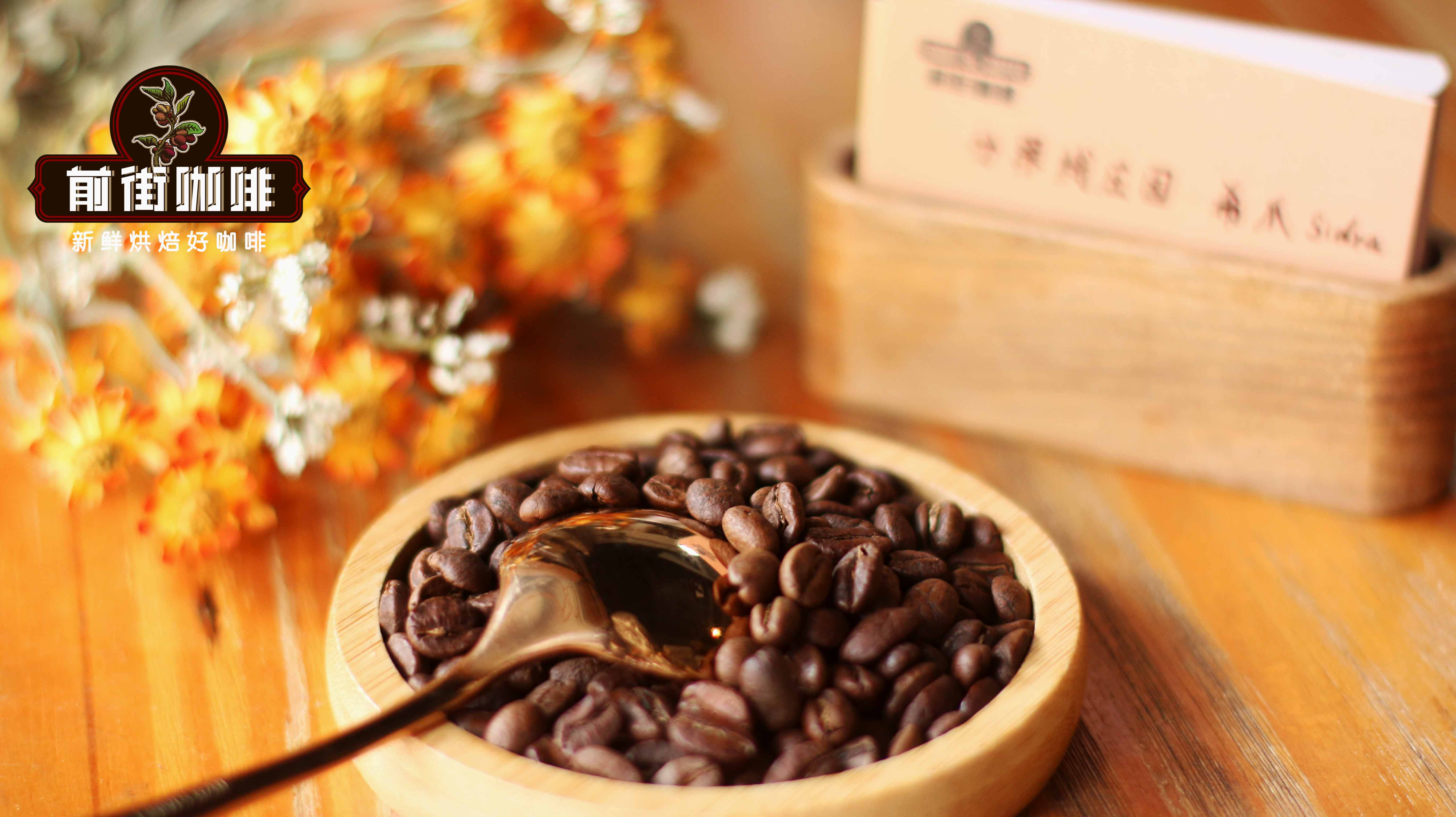
Unlike most countries, Hawaiian coffee beans are island-type coffee beans. The appearance of Front Street Coffee's Kona coffee beans and Mandheling coffee beans are two extremes. When Front Street Coffee received the Kona green coffee beans, it found that Kona coffee beans were exceptionally plump, with a rounded bean shape and a very bright color, living up to the title of the most beautiful coffee bean appearance in the world.
Hawaiian coffee is grown on volcanic slopes, where the temperature difference between day and night is very large, giving the coffee beans produced here a rich aroma, sweet mellowness, and an extremely distinctive flavor. Also, because production has gradually decreased, the price is catching up with Blue Mountain coffee.
7. Jamaica Coffee Bean Producing Region:
According to what Front Street has learned, Jamaican coffee is mainly grown in the Blue Mountains. Based on growing altitude, it is divided into Jamaica Blue Mountain coffee, High Mountain coffee, and Jamaica coffee, with higher altitude meaning a more expensive price. Besides altitude, climate and terrain are also reasons for the good flavor of Jamaican coffee beans. Jamaica is located in the coffee belt, with fertile volcanic soil, fresh air, no pollution, a humid climate, and fog and rain throughout the year. This climate has created the world-renowned Jamaica Blue Mountain coffee.
The flavor brewed from authentic Jamaica Blue Mountain coffee beans is very distinctive: very high and bright cleanliness, excellent body, and a perfect balance of acidity, sweetness, and bitterness, which have made Jamaica Blue Mountain coffee famous worldwide. Authentic Jamaican Blue Mountain coffee is only grown in the Blue Mountains, and only coffee beans at an altitude between 1,000 and 1,700 meters can be called authentic Blue Mountain coffee beans.
8. Kenya Coffee Bean Producing Region:
Kenyan coffee comes from Africa. It has an aromatic, rich flavor, balanced and pleasant acidity, excellent fruity taste, and a rich, perfect mouthfeel. It is one of the varieties generally favored by industry professionals. Kenyan coffee beans are increasingly recognized in Africa for their fresh cherry tomato-like acidity. Among them, the two most famous coffee varieties in Kenya are SL28 and SL34.
SL28
SL34
According to what Front Street has learned, these two coffee varieties have very strong drought resistance and are very suitable for planting in Africa's dry climate regions. Kenya's coffee producing areas are mainly concentrated in the highland regions represented by Mount Kenya, generally at an altitude of 1,500-2,100 meters. There is fertile and loose volcanic soil, sufficient sunlight, and good drainage. Because of the high altitude and large temperature difference between day and night, Kenyan coffee has a more intense flavor.
But according to what Front Street has learned, in later development, SL28 was superior in adaptability and flavor. SL28 has blackcurrant-like acidity, sufficient sweetness, balance and complex, varied flavors, and notable citrus and smoked plum characteristics. SL-34 has bright fruity flavor and a soft, clean mouthfeel.
In addition to having listed PB-grade Kenyan coffee beans, Front Street has also listed a small tomato coffee bean from the Asali Honey Factory in the Thika producing region. This coffee bean from Front Street also uses Kenya's 72-hour processing method, and its grade is AA. There is also another coffee bean from the Gachatha Cooperative at AB grade. These two coffee beans each have their own distinctive flavors.
9. Yunnan Coffee Bean Producing Region:
Besides coffee-producing countries such as Kenya, Brazil, and Guatemala, these coffee-producing countries are located in the equatorial region between the Tropic of Cancer and the Tropic of Capricorn, which we call the Coffee Belt. Yunnan, introduced in this article by Front Street Coffee, is also within this range! In China, besides Yunnan, Taiwan and Hainan are also located in the golden belt for coffee cultivation, and all produce coffee.
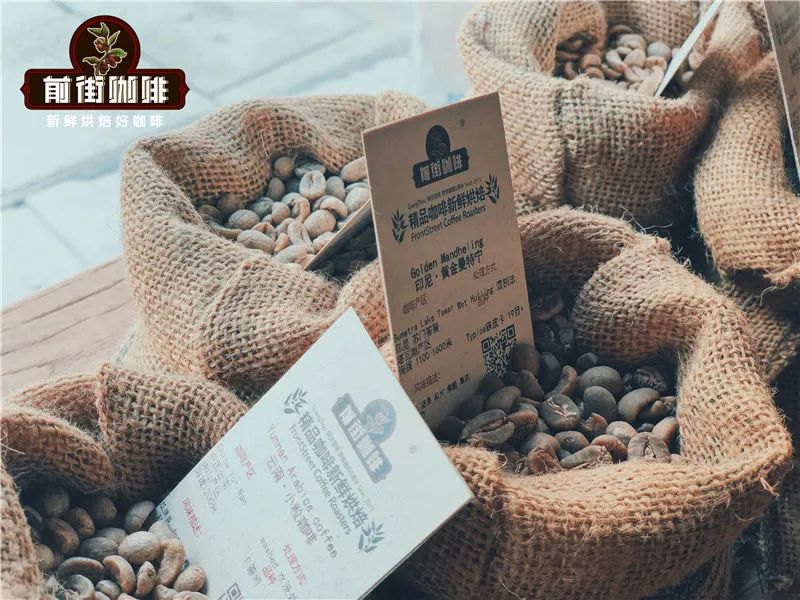
Front Street Coffee also has coffee beans from Baoshan, Yunnan. These are washed small-bean coffee beans. The variety of Yunnan small-bean coffee is the locally common Catimor, a descendant of a cross between the Arabica sub-variety Caturra and Catimor, with a flavor profile mostly toward nuts and brown sugar.
In fact, Yunnan did not initially plant the Catimor variety, but rather Typica and Bourbon varieties. Because Typica has poor disease resistance and low yield, Yunnan coffee farmers spent a great deal of time planting Typica and Bourbon varieties, yet in the end could not recover their costs. Catimor coffee not only has high disease resistance but also very high yield, so Yunnan coffee farmers generally planted Catimor to replace the Typica variety. However, some areas of Yunnan still grow the Typica variety.
One exclusive single-origin item on Front Street's bean list, "Front Street 2013 Coffee," is produced from its own estate, uses natural processing, and is of the Typica variety. It not only presents solid chocolate notes, but also carries a soft dried-fruit aroma after cooling.
Front Street Coffee has also cupped the Yunnan coffee beans it has listed. Front Street Coffee finds the taste of Yunnan's "distant mountain forest" to be relatively balanced, with a base mainly of nut and brown sugar flavors.
10. Guatemala Coffee Bean Producing Region:
Guatemala borders Mexico. Before 2011, it had long been Central America's largest coffee-producing country, later gradually replaced by Honduras. Guatemala Antigua coffee is the nobility among coffees, with a rich sweet-and-sour mouthfeel and an fascinating hint of smokiness that seems to emphasize its sense of mystery. Some say that from a cup of Guatemala Antigua coffee with its unique smoky flavor, you can see a wonderful story—about the wisdom of the Maya who once lived on this land.
Just like Guatemala's coffee, Front Street has cupped many coffee beans from different producing regions in Guatemala and found that they all carry a "smoky sensation" unique to the Guatemala region. Guatemala has eight producing regions in total, among which the most famous is the Antigua producing region. Antigua has little rainfall in summer and a relatively cold climate in winter, and it lies in an active volcanic belt. After volcanic eruptions, volcanic pumice falls into the soil and cools; because this pumice has many fine pores, it is very good at retaining moisture. In addition, many shade trees are planted on the estates, preventing the coffee trees from suffering cold damage in winter. These factors that overcome unfavorable conditions, together with the extremely large temperature difference between day and night, have created Antigua's unique microclimate, giving the coffee beans here a faint smoky flavor and a rich fruity aroma. Many coffee experts regard Guatemalan coffee as the best among all coffees from Central and South America.
Front Street Coffee chose washed coffee beans from the Huehuetenango producing region as the flavor representative of Guatemalan coffee. The Huehuetenango coffee varieties selected by Front Street are Bourbon, Caturra, and Catuai. Among them, Catuai is a hybrid of Caturra and Mundo Novo. It adapts to the harsh climate of high-altitude areas and also has high yield. It first originated in Brazil and is now widely planted in Central America. Its acidity is bright, but its layers are thinner and its body lower than Mundo Novo. Huehuetenango has a full berry and citrus acidity, with aromas of lemon peel and nuts when drunk, and a tea-like finish.
The above content is compiled by CoffeeHunters, a coffee news website.


