







Yirgacheffe Coffee: Bean Varieties and the Konga Woka Cooperative
Yirgacheffe is a well-known coffee region in southwestern Ethiopia, originally a small town in the Gedeo Zone with wetlands and moderate temperatures. Its high altitude creates a large temperature difference between day and night, which supports Arabica coffee growth. In 2010, the Ethiopian Commodity Exchange separated Yirgacheffe from Sidama because its coffee had distinct floral and citrus notes. Today, the name Yirgacheffe applies to beans from this area, regardless of brewing method.
Ethiopia is the birthplace of coffee, and Yirgacheffe's beans are classified as Ethiopian heirloom varieties rather than single named cultivars. This article examines the geographical and historical background of Yirgacheffe, explains why its coffee bean varieties are grouped this way, and introduces well-known cooperatives such as Gotiti, Konga, Werka, Hafursa, and Idido. It also shares roasting approaches and brewing parameters for Yirgacheffe coffee beans.
Yirgacheffe is one of Ethiopia's most renowned coffee regions, famous worldwide for its fresh floral aroma and citrus notes. This article will guide you through Yirgacheffe's geographical and historical background, clarify why its coffee bean varieties are collectively referred to as Ethiopian heirloom varieties, and provide an in-depth introduction to the origin characteristics of well-known cooperatives such as Gotiti, Konga, Werka, Hafursa, and Idido. At the same time, Front Street Coffee will share roasting approaches and brewing parameters for Yirgacheffe coffee beans to help you better appreciate the captivating flavors of this region.
Many people just stepping into the world of coffee have probably heard the name "Yirgacheffe." When first encountering it, quite a few mistakenly assume that, like latte or Americano, it belongs to some category of coffee beverage.
In fact, Yirgacheffe is one of the most famous coffee-growing regions within Ethiopia. As long as the coffee beans originate from this area, no matter which extraction method is used, the finished coffee can be given the name Yirgacheffe. Next, Front Street Coffee will explore with you this region that has been highly favored in the specialty coffee wave.
Where is Yirgacheffe located?
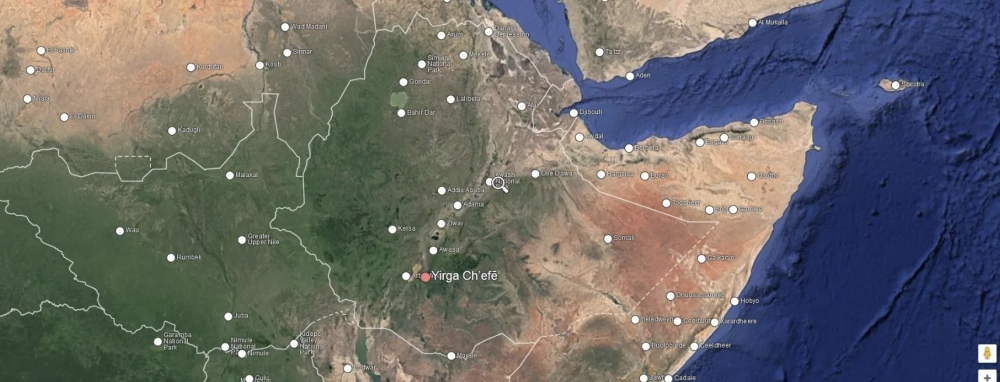
Yirgacheffe is located in southwestern Ethiopia and was originally a small town under the jurisdiction of the Gedeo Zone. The town has natural wetlands and abundant water resources, with an average annual temperature between 15 and 25 degrees Celsius. In addition, the high-altitude terrain creates a significant temperature difference between day and night, providing an ideal growing environment for Arabica coffee.
The town of Yirgacheffe was originally part of Sidama, another well-known coffee region in Ethiopia. As the specialty coffee market's demand for coffee beans with fresh flavors continued to rise, the Ethiopian government began to pay attention to the coffee produced in the town of Yirgacheffe.
Later, the industry generally agreed that coffee beans produced around the town of Yirgacheffe had unique floral and citrus notes, completely different from the flavor expression of other areas in Sidama. In addition, because many coffee bean traders specifically requested beans grown in the town of Yirgacheffe, in 2010 the Ethiopian Commodity Exchange officially separated the Yirgacheffe region from the Sidama region, which is how the now widely known Yirgacheffe region came into being.
What variety do Yirgacheffe coffee beans belong to?
Ethiopia is the birthplace of coffee beans, and the country has an extremely wide variety of coffee varieties that are difficult to classify in detail. There are also many plants whose genetic sequences have not yet been identified or named by humans. The plants purchased by farmers or distributed by the government have not undergone variety subdivision and exist in a state of natural mixed cultivation.
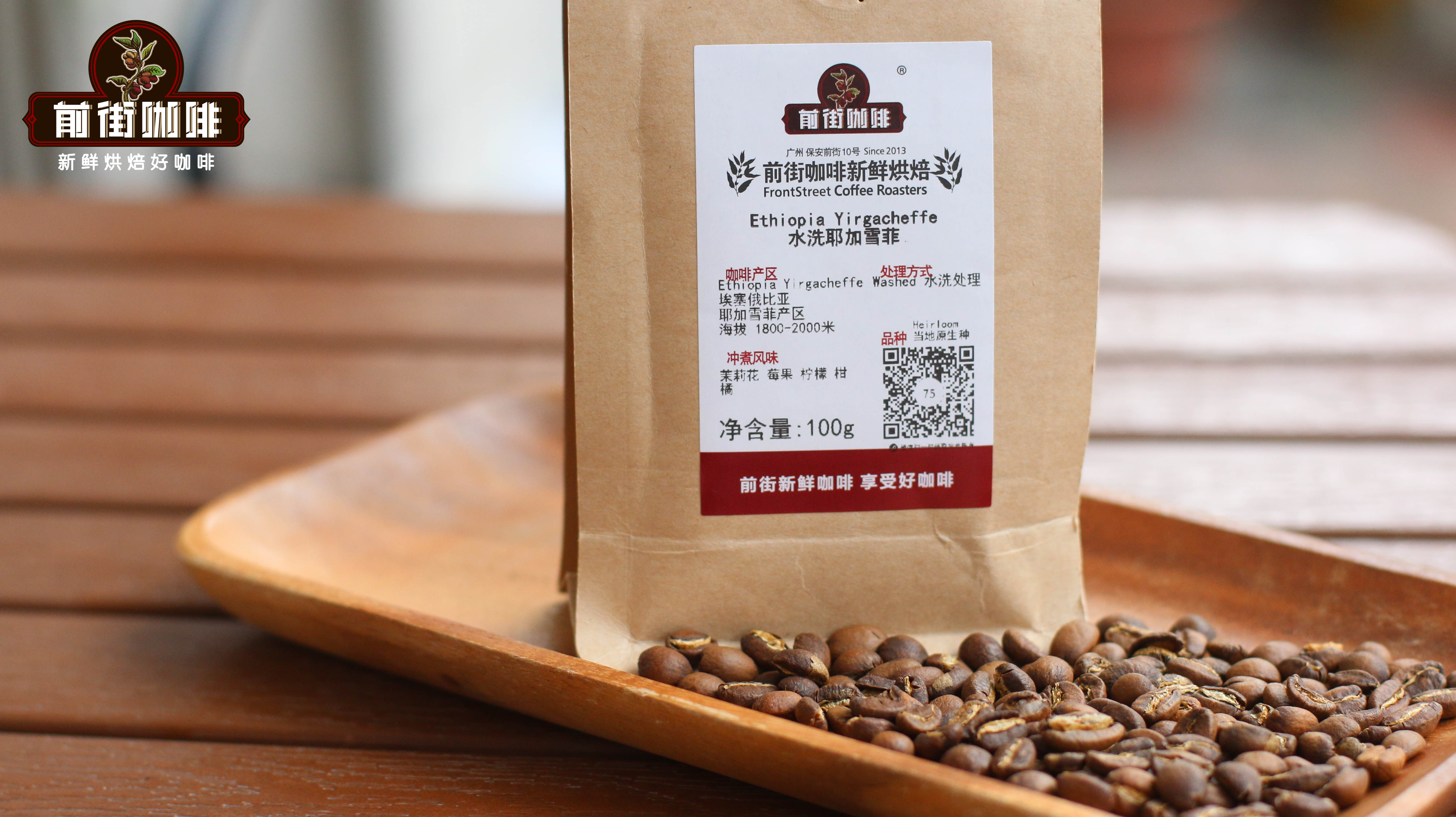
However, specialty coffee emphasizes clarity of variety, so most coffee beans produced in Ethiopia are labeled in the variety column as Ethiopian heirloom varieties (Heirloom). It is also precisely because of this mixed variety that Front Street Coffee has noticed that Ethiopian coffee beans show the characteristic of uneven bean sizes.
Why does Yirgacheffe have so many cooperatives? For fairer trade!
The Yirgacheffe Coffee Farmers Cooperative Union (YCFCU) was established in 2002 and has 24 primary cooperatives under it, with about 50,000 farmers.
At present, these cooperatives are not bound by the ECX (Ethiopian Coffee Exchange) system for bulk coffee trading. Buyers can select each lot of green beans according to preference and quality, and can trace detailed coffee records, such as region, grower/producer, and other information. Through this direct trade method, buyers and farmers establish deeper relationships. Farmers can not only receive reasonable compensation, but can even obtain material or financial assistance such as berry processing equipment and processing site facilities, thereby producing higher-quality coffee.
Since the implementation of the Ethiopian Commodity Exchange system in 2008, most green coffee beans have been sold through bidding under that system, but cooperatives are not within its jurisdiction. They can directly contact buyers, negotiate prices, and export. The establishment of cooperatives was precisely to save their farmers from being exploited by buyers at low prices. In times of economic difficulty, cooperatives can also provide loan assistance, which is quite positive for both farmers and coffee production.
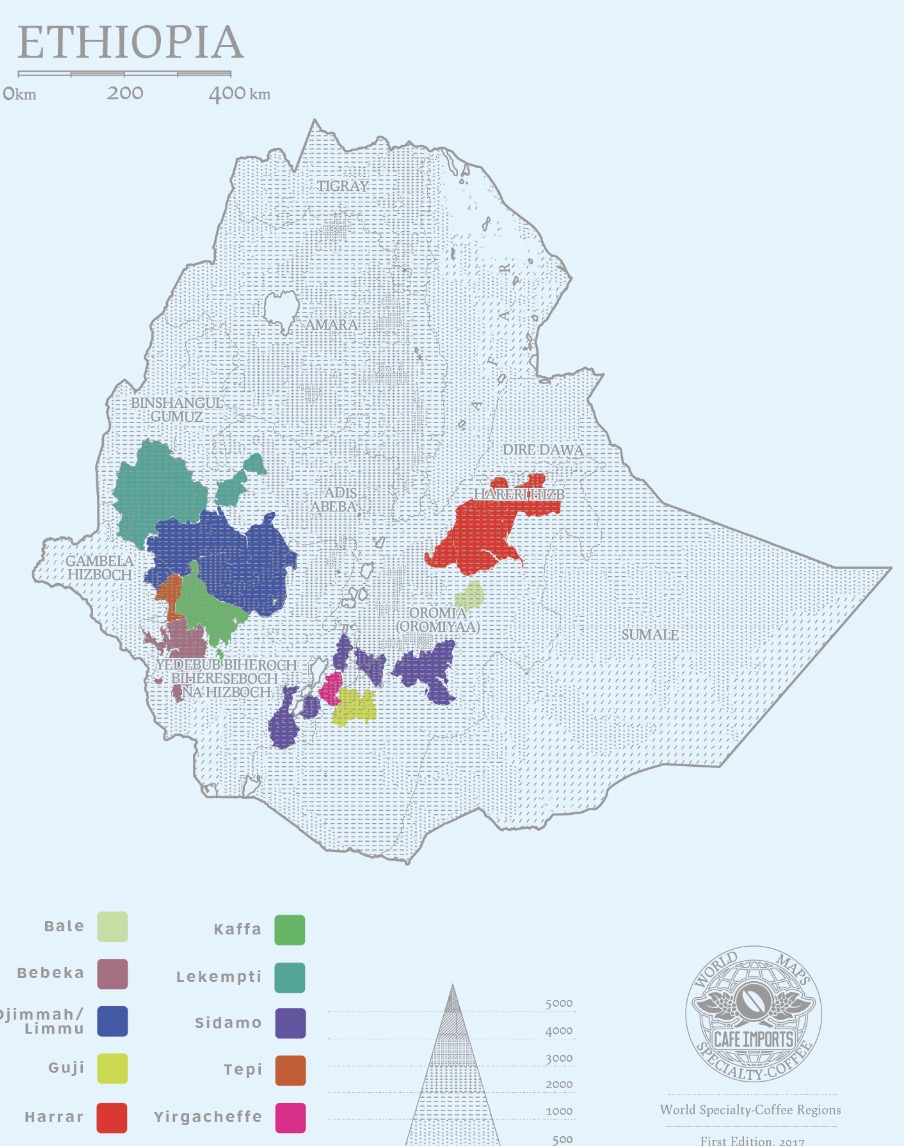
In Ethiopia, there are many cooperatives, and the coffee beans processed by each cooperative have their own distinct characteristics. Among them, the coffee beans produced by Gotiti Cooperative, Konga Cooperative, Werka Cooperative, Hafursa Cooperative, and Idido Cooperative are deeply loved by domestic specialty coffee consumers.
Gotiti Cooperative
Gotiti Cooperative is located in the Werka production area at the southeastern end of Yirgacheffe. It was originally part of Werka Cooperative under the Yirgacheffe union YCFCU. Later, as people pursued traceability of green coffee beans, "single origins" were excavated one by one by coffee hunters around the world.
In 2012, Gotiti, with about 300 farmers, independently established Gotiti Cooperative. Gotiti village was the earliest village area to be independently separated. Many smallholder farmers were also members of Werka Cooperative at the time, so their coffee-producing skills are beyond doubt. Gotiti Cooperative is called the last pure land of Yirgacheffe, so the green bean processing methods used are also very traditional (washed and natural processing methods).
Front Street Coffee sells a washed-process coffee bean from Gotiti Cooperative, with flavors showing citrus-like fresh acidity, white floral notes, honey-like sweetness, and a green tea-like finish.
Konga Cooperative
Konga Cooperative is located in the Gedeo region, where most of the soil has high iron content and a soil depth of more than 1.5 meters. Deep soil helps coffee trees root better and absorb water and nutrients from the soil more effectively.
Iron is a trace element and is essential for chlorophyll synthesis. Plants lacking iron cannot synthesize chlorophyll even under light conditions. Front Street believes that soil with a high iron content allows coffee trees to produce sufficient chlorophyll, enabling them to better carry out photosynthesis and store nutrients, thereby improving the quality of coffee cherries.
Front Street Coffee sells a natural-process coffee bean from Konga Cooperative, with flavors showing citrus-like acidity, berry juice-like character, honey-like sweetness, and creamy smoothness.
Werka Cooperative
Werka Cooperative belongs to the YCFCU cooperative union organization. Founded in 2005, Werka Cooperative is located in a remote area within the Yirgacheffe production region, 75 kilometers away from the local coffee collection and distribution town of Dilla, and the connecting roads are in poor condition.
From the cooperative to the paved main road, there is a 20-kilometer dirt road. The cooperative is composed of 305 farmers, with a planting area of about 763 hectares and an annual output of nearly 460 tons, making it a relatively small farmers' cooperative. Because no chemical fertilizers or insecticides were used in the coffee cultivation process, Werka's smallholder farmers also obtained Skal organic coffee certification recognized by the European Union.
The coffee is mainly grown by more than 700 local smallholder farmers, and the processing methods use traditional washing and natural processing. Because Werka coffee has a prominent flavor and mouthfeel with regional characteristics, Werka-produced coffee has also become one of the representatives of Ethiopian specialty coffee.
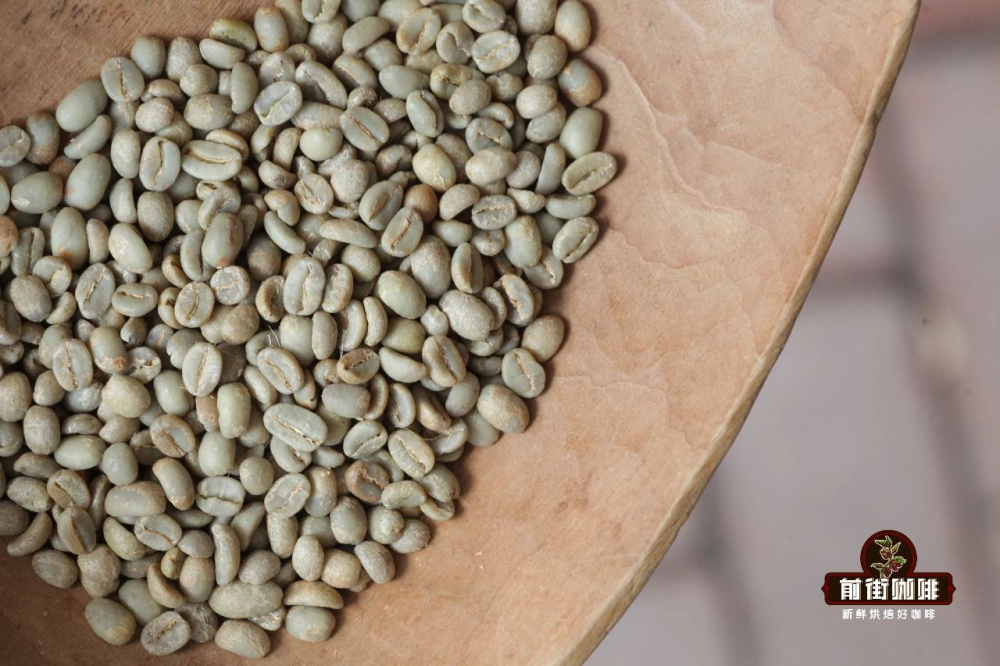
Front Street Coffee sells a washed-process coffee bean from Werka Cooperative, with flavors expressed as lemon and pomelo-like acidity, ginger flower aroma, honey-like sweetness, and a Tieguanyin-like tea character.
Hafursa Cooperative
Hafursa, also known as Halsa, was originally the name of a village in an Ethiopian town. When Ethiopia began establishing cooperatives in 1975 to help coffee farmers, Hafursa Cooperative was among the first to be established, making it truly a "pioneer of the cooperative movement."
The coffee cherries for Hafursa Cooperative's processing plant mainly come from the hillside of Hafursa village west of the processing plant, with an altitude ranging from 1,850 m to a maximum of about 2,100 m; another portion comes from the hillside south of the processing plant adjacent to Konga village, where the altitude ranges from 1,870 m to a maximum of 2,000 m.
The coffee plots in both areas are excellent in terms of both altitude and slope aspect, and this has also become a basic condition enabling the cooperative to produce excellent green coffee beans.
Idido Cooperative
Idido Cooperative is situated in a high-altitude valley within the town of Yirgacheffe, with annual rainfall of about 1,400-1,800 mm. Local smallholder farmers grow coffee at an altitude of around 2,000 meters. Benefiting from cool mountain air, the coffee can mature slowly under good soil conditions and ecosystems. The smallholder farmers then harvest fully ripe red cherries from December each year to February of the following year.
Like other cooperatives, Idido possesses high-quality conditions capable of producing first-rate coffee: 1. High altitude 2. Excellent processing techniques 3. Nutrient-rich soil 4. Ethiopian heirloom varieties. Through cultivation in such an excellent geographical environment, Front Street has found that the coffee beans produced here have a captivating floral aroma, which can be said to be somewhat similar to the characteristics of Geisha coffee.
Yirgacheffe coffee processing methods
In the Yirgacheffe region, coffee beans are usually processed by natural processing and washed processing.
The biggest difference between washed processing and natural processing is that washed processing first removes the coffee skin and pulp, then places the beans in clean water tanks for fermentation to remove residual mucilage before sun-drying. Therefore, washed coffee beans have a shorter drying time, and the overall flavor is cleaner, with more pronounced acidity.
Natural-process coffee beans, because the skin and pulp are retained and the whole cherries are sun-dried directly, undergo sugar fermentation in the pulp under high temperatures. The coffee beans absorb these fermented flavors, and to a certain extent the sugars in the pulp transfer into the beans. Therefore, natural-process coffee beans have a faint fermented aroma and more obvious sweetness.
How should Yirgacheffe coffee beans be roasted?
The flavor characteristics of Yirgacheffe lie in its bright acidity and faint floral aroma, so Front Street Coffee uses light roasting when roasting batches from the Yirgacheffe region.
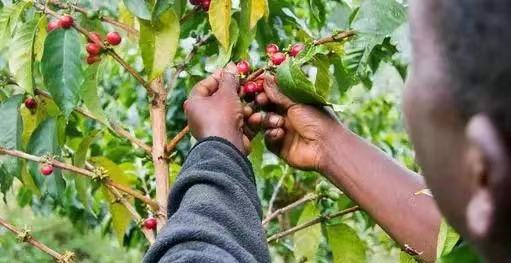
In order to let every friend experience the charm of freshly roasted coffee and the most complete flavor expression of coffee, Front Street Coffee guarantees shipment within 5 days after the coffee beans are roasted.
How should Yirgacheffe coffee beans be brewed?
Because high altitude makes the coffee beans themselves denser in texture (harder), and most roasters use light roasting when roasting Yirgacheffe coffee beans to preserve their fresh character and bright acidity, the soluble substances in the coffee are released more slowly during extraction. Therefore, a medium-fine grind can be used (caster sugar size / 80% passing rate on China standard sieve No. 20), together with a water temperature of 90-92 degrees Celsius for extraction.
Front Street Coffee recommends a brewing ratio of 1:15, pouring water in a three-stage method: start timing, pour water for the first time to 30 g, and bloom for 30 s; then begin the second stage, pouring in a small stream in circles to 125 g, wait until the water level in the coffee bed drops to half before pouring again, then continue pouring in a small stream in circles to 225 g. After all dripping is complete, the total extraction time is about 2 minutes 00 seconds to 2 minutes 10 seconds.
The above content is compiled by CoffeeHunters, a coffee news website.


