







What makes Yirgacheffe heirloom coffee taste so floral?
The Banko Gotiti Cooperative in Gedeb, within Ethiopia's Yirgacheffe region, produces washed heirloom coffee that combines jasmine florals, citric acidity, and berry sweetness. Roasted light and brewed as a V60 pour-over, the cup finishes clean and sweet with a tea-like quality. It is a clear starting point for anyone new to Ethiopian coffee.
Ethiopia is the birthplace of coffee and holds the largest coffee gene pool in the world, with an estimated 15,000 varieties, and it is Africa's leading producer of arabica coffee. The country's highlands average roughly 2,450 meters, and the rift valley, volcanic soils, and abundant fresh water create the cool, high-altitude conditions that shape the region's distinctive floral and fruity cup.
Ethiopia, as the birthplace of coffee, possesses the world's richest coffee gene pool, and its Yirgacheffe region is famous for its unique floral and fruity aromas. Among the many sub-regions of Yirgacheffe, the Banko Gotiti Cooperative in Gedeb town, through its washed heirloom coffee beans, showcases a refreshing flavor interweaving jasmine floral notes, citric acidity, and berry sweetness. This Banko Gotiti Cooperative coffee bean selected by Front Street Coffee, using light roasting and V60 brewing, presents a clean and sweet tea-like finish, making it an excellent representative for those new to Ethiopian coffee. This article will take you deeper into the geographical background, historical origins, and brewing performance of the Banko Gotiti Cooperative.
The African continent is home to multiple coffee-producing countries, including Rwanda, Kenya, and Ethiopia. Ethiopia is not only recognized as the birthplace of coffee but also boasts the world's largest coffee gene pool, with an extremely large number of coffee varieties, estimated to be close to 15,000 at present. At the same time, it is also the country with the highest Arabica coffee production in Africa.
Ethiopian Coffee
Geographically, Ethiopia is located on the East African Plateau to the southwest of the Red Sea. It is a landlocked country, bordered by Djibouti, Somalia, Sudan, South Sudan, Kenya, and Eritrea. The country's terrain is dominated by mountains and plateaus, with the Ethiopian Highlands accounting for about two-thirds of the national territory. The East African Rift Valley runs through the entire country from north to south, with an average elevation of nearly 3,000 meters.
Ethiopia's average elevation is about 2,450 meters. The high altitude brings an average annual temperature of 16°C, making the climate cool and pleasant throughout the year, roughly divided into dry and rainy seasons. The country is abundant in freshwater resources and is known as the "Water Tower of East Africa," with over 50 volcanoes distributed across its territory. Abundant water sources, high-altitude mountainous areas, and fertile soil nourished by volcanic ash together create excellent conditions for coffee cultivation.
Yirgacheffe Yirgacheffe
Ethiopia has many well-known coffee-producing regions, including Sidamo, Jima, Harrar, Guji, and Yirgacheffe. It is worth noting that Guji and Yirgacheffe were originally both part of the Sidamo production region, and later were upgraded to independent coffee regions due to their respective unique flavor profiles.
Yirgacheffe is actually a small town in Ethiopia, located to the northwest of Sidamo Province, with an elevation between 1,750 and 2,200 meters, making it one of the highest-altitude production areas in the country. This area was once wetlands in ancient times. In the ancient language, "Yirga" means to settle down, and "Cheffe" refers to wetlands. The mild and humid climate, ample rainfall, fertile soil, and abundant sunshine make this an ideal place for coffee cultivation, also giving rise to coffee beans with unique floral and fruity aromas and rich flavor layers. Front Street Coffee has a washed Ethiopian Yirgacheffe coffee bean, as an entry-level selected representative, with jasmine floral notes, lemon-like acidity, and fruit flavors such as orange and berries, with a refreshing and silky mouthfeel.
Banko Gotiti Cooperative Banko Gotiti Cooperative
Under the Yirgacheffe production region, there are several well-known sub-regions, with Kochere and Gedeb being representatives among them. Gedeb is a township located 60 kilometers from Yirgacheffe town. Within this township, villages such as Worka Sakaro, Halo Bariti, Banko Gotiti, and Banko Dahato are engaged in coffee production.
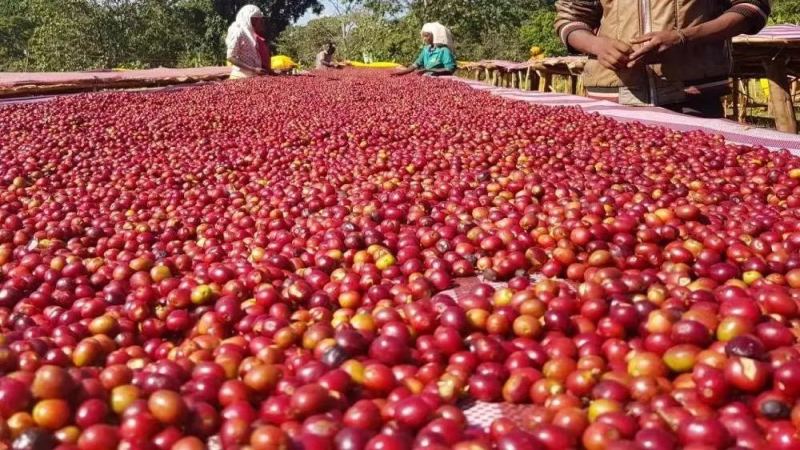
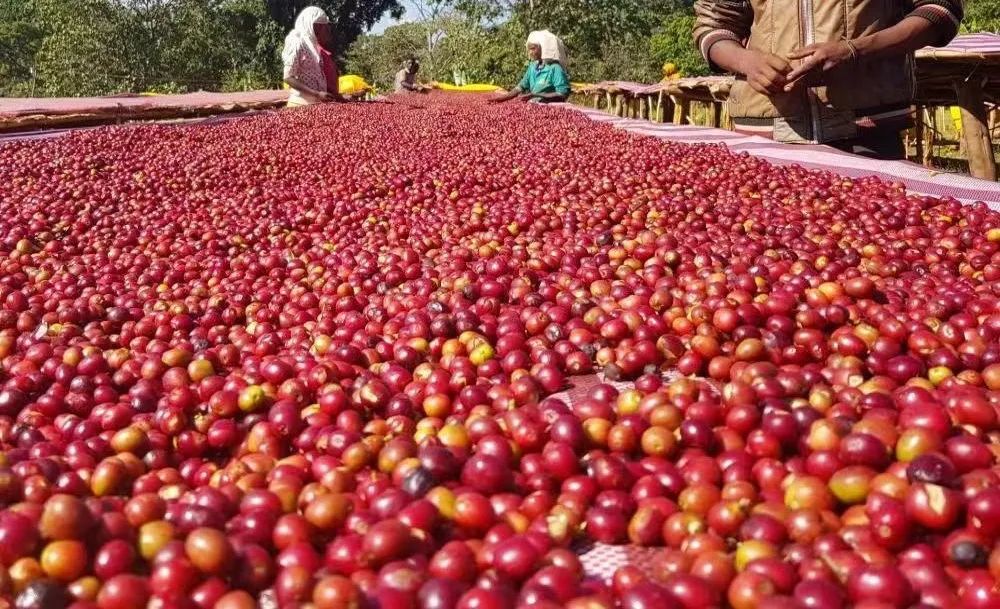
The Banko Gotiti Cooperative was originally part of the Worka Cooperative under the Yirgacheffe Coffee Farmers Cooperative Union (YCFCU). As market demands for coffee bean traceability increased, about 300 farmers left the Worka Cooperative in 2012 and independently established the Banko Gotiti Cooperative. Banko Gotiti village was the first village area to be independently established. Many farmers were originally members of the Worka Cooperative, so their cultivation techniques are still quite good. The farmers here, after harvesting the coffee cherries they have grown, hand them over to the cooperative for unified processing.
Front Street Coffee Ethiopian Yirgacheffe Banko Gotiti Cooperative Coffee Beans Region: Yirgacheffe Processing Station: Banko Gotiti Cooperative Altitude: 2,000-2,100 meters Processing Method: Washed Variety: Heirloom Flavor: Floral, Citrus, Berry, Caramel, Tea-like
This Ethiopian Banko Gotiti Cooperative coffee bean from Front Street Coffee is washed and lightly roasted. Front Street uses a V60 , 1:15 ratio, and 92℃ for brewing. After brewing, you will smell a faint floral aroma. On the palate, there is a soft citric acidity, with fruit flavors such as citrus and berries, and a caramel-like sweet aftertaste, with a clean and sweet mouthfeel.
The above content is compiled by CoffeeHunters, a coffee news website.


