







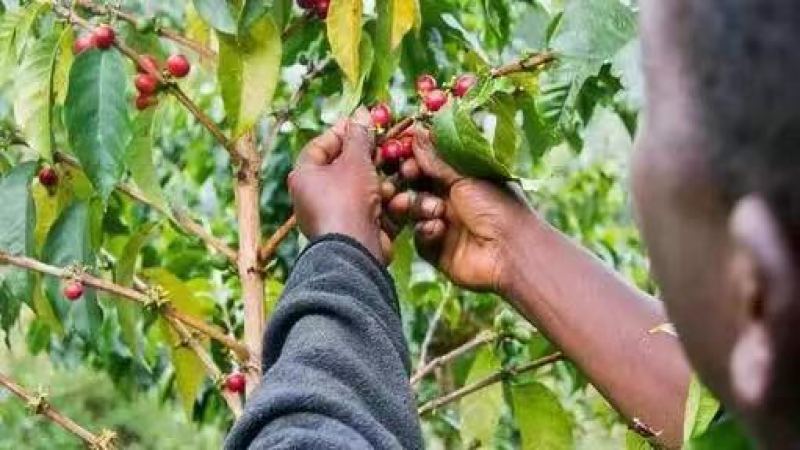
Why have so many cooperatives emerged in Yirgacheffe? Behind this is the journey of coffee farmers striving for fair trade and direct trade. Since the founding of YCFCU in 2002, 24 primary cooperatives and about 50,000 farmers have been able to bypass the ECX bidding system, negotiate and export directly with buyers, and receive fair compensation and even equipment assistance. Cooperatives such as Gotiti, Konga, Werka, Hafursa, and Idido each have their own terroir characteristics and are deeply favored by specialty coffee lovers. Front Street Coffee selects coffee beans from multiple cooperatives, presenting the different charms of washed and natural processing. This article will take you through the stories and flavors of these cooperatives.
Why are there so many cooperatives in the Yirgacheffe region? The answer is to achieve fairer coffee trade.
The Yirgacheffe Coffee Farmers Cooperative Union (YCFCU) was established in 2002 and has 24 primary cooperatives under it, covering about 50,000 farmers.
At present, cooperatives are not bound by Ethiopia's ECX (Ethiopian Coffee Exchange) system for bulk coffee trading. Buyers can select each lot of green beans according to their own preferences and quality requirements, and can trace detailed coffee records, such as region, grower, or producer information. Through this direct trade model, a closer connection is established between buyers and farmers. Farmers can not only receive fair compensation, but also have the opportunity to obtain material or financial support such as berry processing equipment and processing site facilities, thereby producing higher-quality coffee.
Since the implementation of the Ethiopian Commodity Exchange system in 2008, most green coffee beans have been sold through bidding under that system, but cooperatives are not within its jurisdiction. They can directly contact buyers, negotiate prices, and export. Cooperatives were established precisely to protect their farmers from being exploited by buyers at low prices. In times of economic difficulty, cooperatives can also provide loan support, which has a positive effect on both farmers and coffee production.
In Ethiopia, there are a great many cooperatives, and the coffee beans processed by each cooperative are uniquely distinctive. Among them, the coffee beans produced by Gotiti Cooperative, Konga Cooperative, Werka Cooperative, Hafursa Cooperative, and Idido Cooperative are highly popular among domestic specialty coffee consumers.
Gotiti Cooperative Gotiti
Gotiti Cooperative is located in the Werka production area at the southeastern end of Yirgacheffe. It was originally part of Werka Cooperative under the Yirgacheffe union YCFCU. As people's demands for traceability of green coffee beans increased, "single-origin" areas were discovered one by one by coffee hunters around the world.
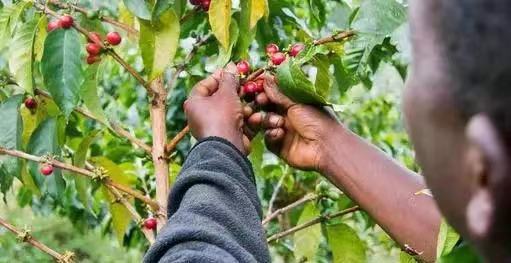
In 2012, Gotiti, with about 300 farmers, became independent as "Gotiti Cooperative." Gotiti village was the earliest village area to become independent. Many smallholder farmers were originally members of Werka Cooperative, so their coffee cultivation techniques are quite mature. Gotiti Cooperative is known as the last pure land of Yirgacheffe, and its green bean processing methods are also quite traditional, using washed and natural processing methods.
If you prefer fresh acidity, you can choose Front Street.Gotiti Cooperative washed coffee beans, with flavors showing citrus and orange notes, white floral aromas, honey-like sweetness, and a green tea-like finish.
Konga Cooperative Konga
Konga Cooperative is located in the Gedeo region. Most of the soil in this area has a high iron content, and the soil depth exceeds 1.5 meters. Deep soil helps coffee trees root better, thereby more fully absorbing water and nutrients from the soil.
Iron is a trace element and is essential for the synthesis of chlorophyll. Plants lacking iron cannot synthesize chlorophyll even under light conditions. Front Street believes that soil with a high iron content allows coffee trees to produce sufficient chlorophyll, enabling them to carry out photosynthesis better and store nutrients, thereby improving the quality of the coffee fruit.
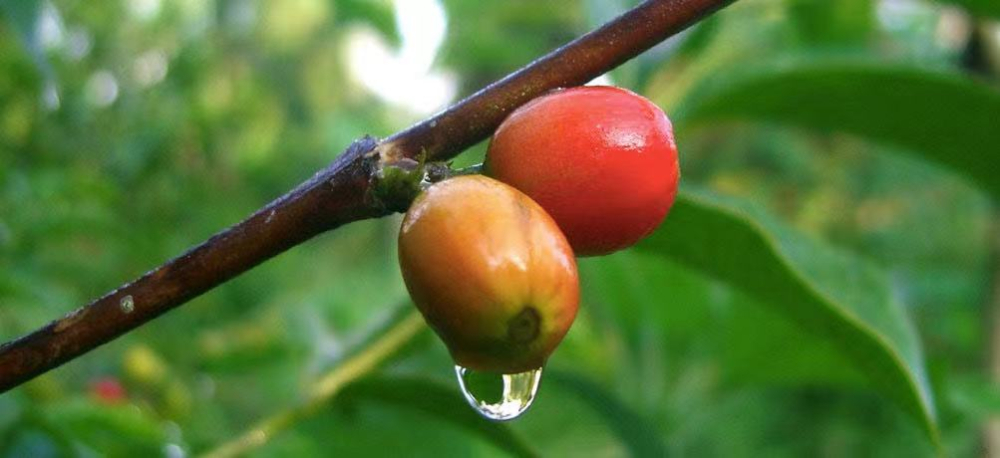
Front Street.Konga Cooperative coffee beans use fully red cherry natural processing, meaning only fully ripe coffee fruits with no quality problems are harvested. The flavor shows citrus-like acidity, berry juice-like body, honey-like sweetness, and creamy smoothness.
Werka Cooperative Werka
Werka Cooperative belongs to the YCFCU cooperative union organization. It was established in 2005 and is located in a remote area within the Yirgacheffe production region, 75 kilometers away from the local coffee collection and distribution town of Dilla, with poor road conditions to the outside.
From the cooperative to the main paved road, there is a 20-kilometer dirt road. The cooperative is composed of 305 farmers, with a planting area of about 763 hectares and an annual output of nearly 460 tons, making it a relatively small farmers' cooperative. Because no chemical fertilizers or insecticides are used in the coffee cultivation process, Werka smallholders have also obtained the EU-recognized Skal organic coffee certification.
The coffee is mainly grown by more than 700 local smallholders, and the processing methods use traditional washing and natural processing. Because Werka coffee has a prominent flavor and mouthfeel and possesses regional characteristics, the coffee produced in Werka has also become one of the representatives of Ethiopian specialty coffee.
In addition, Front Street.Werka Cooperative is an anaerobically natural processed coffee bean, with flavors showing lemon and pomelo-like acidity, ginger flower aroma, honey-like sweetness, and a Tieguanyin-like tea sensation.
Hafursa Cooperative Hafursa
Hafursa, also known as Harsa, was originally the name of a village in Ethiopia. When Ethiopia began establishing cooperatives to help coffee farmers in 1975, Hafursa Cooperative was among the first to be established, making it a "pioneer of the movement."
The coffee cherries for Hafursa Cooperative's processing plant mainly come from two areas: one is the hillside of Hafursa village, located west of the processing plant, with an altitude ranging from 1,850 meters to a maximum of about 2,100 meters; the other part comes from the hillside south of the processing plant and adjacent to Konga village, with an altitude ranging from 1,870 meters to a maximum of about 2,000 meters.
The coffee plots in these two areas are excellent in both altitude and slope direction, which has also become the basic condition for the cooperative to produce outstanding green coffee beans.
Idido Cooperative IDIDO
Idido Cooperative is located in a high-altitude valley in Yirgacheffe town, with annual rainfall of about 1,400 to 1,800 millimeters. The local smallholders grow coffee at an altitude of about 2,000 meters. Thanks to the cool mountain air, the coffee can ripen slowly under good soil conditions and in a healthy ecosystem. The smallholders harvest fully ripe red cherries from December each year to February of the following year.
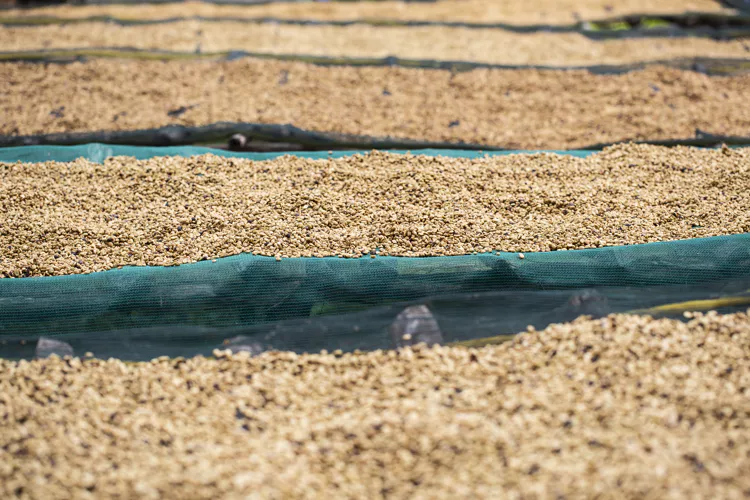
Like other cooperatives, Idido has excellent conditions for producing first-rate coffee: 1. high altitude; 2. outstanding processing techniques; 3. nutrient-rich soil; 4. Ethiopian heirloom varieties. Through cultivation in such a high-quality geographical environment, Front Street found that the coffee beans produced here have a fascinating floral aroma, which can be said to be somewhat similar to the characteristics of Geisha coffee.
Yirgacheffe Coffee Processing Methods
In the Yirgacheffe region, coffee beans usually use natural processing and washed processing. For washed beans, you can buy Front Street Gotiti Cooperative, and for natural Yirgacheffe, we recommend tasting Front Street Red Cherry.
The biggest difference between washed processing and natural processing is that washed processing removes the coffee skin and pulp, then places the beans in a clean water tank for fermentation. After removing the remaining mucilage, they are dried in the sun. Therefore, washed coffee beans have a shorter drying time, a cleaner overall flavor, and more obvious acidity.
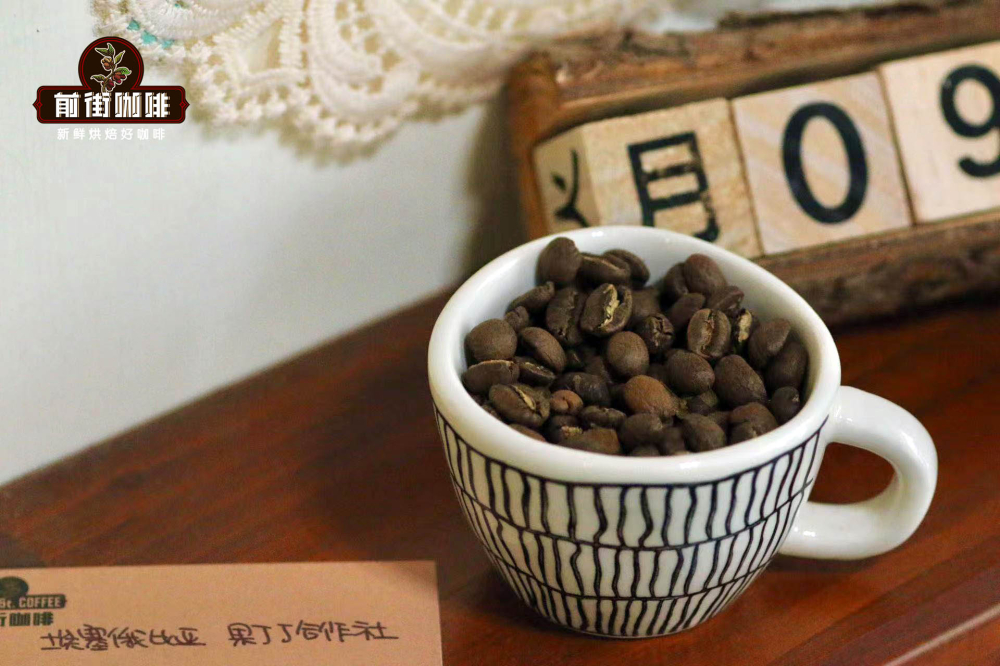
Natural processed coffee beans, on the other hand, retain the skin and pulp and are dried directly as whole cherries in the sun. At high temperatures, the sugars in the pulp ferment, and the coffee beans absorb these fermented flavors. At the same time, the sugars in the pulp are transferred into the beans to a certain extent. Therefore, natural processed coffee beans have a faint fermented aroma and more obvious sweetness.
The above content is compiled by CoffeeHunters, a coffee news website.


