







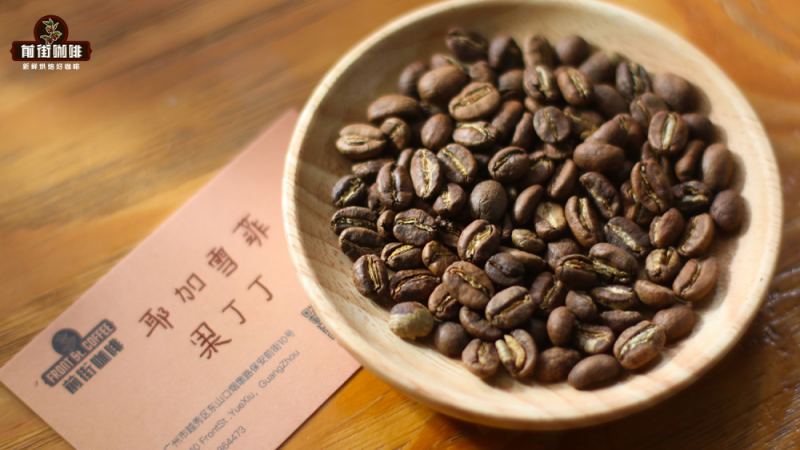
Yirgacheffe is known to most people for its washed processing, such as Front Street Coffee's Gutingding Cooperative, which, by removing the fruit pulp and skin to bring a clean flavor, presents white floral, honey, citrus and green tea notes under a medium-light roast. However, natural and anaerobic natural Yirgacheffe are equally worthy of attention. Front Street Coffee's Red Cherry has a slight fruity fermentation aroma, while the newly launched Front Street Coffee Worka Cooperative coffee beans display a rich layering of berry and floral notes. This article will take an in-depth look at this single-farm-origin bean, sorting out the Worka Cooperative's origin background, the structure of the YCFCU union, and how anaerobic natural processing shapes its unique flavor.
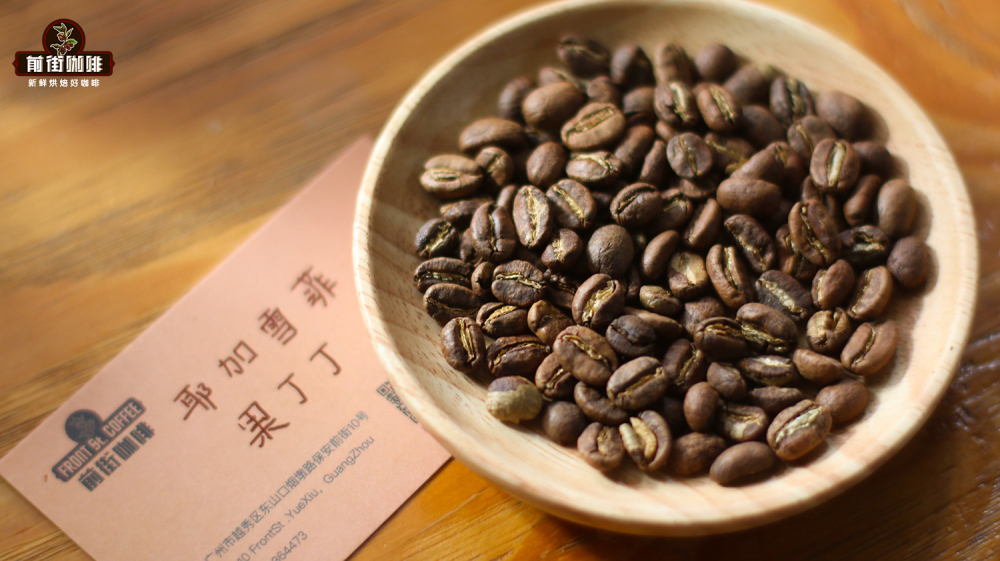
When Yirgacheffe is mentioned, many people first think of washed processing, such as Front Street Coffee's Gutingding Cooperative. Because the fruit skin and pulp are completely removed before drying, this type of coffee often presents a cleaner profile, and after a medium-light roast it can express notes of white floral, honey, citrus and green tea.
However, today's market not only offers natural Yirgacheffe, such as Front Street Coffee's Red Cherry with a slight fruity fermentation aroma, but also anaerobic natural Yirgacheffe. One quite representative option is the recently launched Front Street Coffee Worka Cooperative coffee beans, a single-origin coffee full of berry and floral aromas.
This bean comes from the single farm Ethiopia and is processed by the Worka cooperative. Alemayehu Alako Farm is one of the members of the Worka cooperative. The Worka cooperative is located in the southern part of the Gedeb district, was established in 2005, and in the same year joined the famous Yirgacheffe Coffee Farmers Cooperative Union (YCFCU), known for producing high-quality natural Yirgacheffe. The Worka cooperative has about 300 coffee farmers under it. YCFCU was founded in 2002, and its members also include 26 other cooperatives, serving more than 45,000 coffee farmers.
The above content is compiled by CoffeeHunters, a coffee news website.


