







Search Results for: Fusion Amount
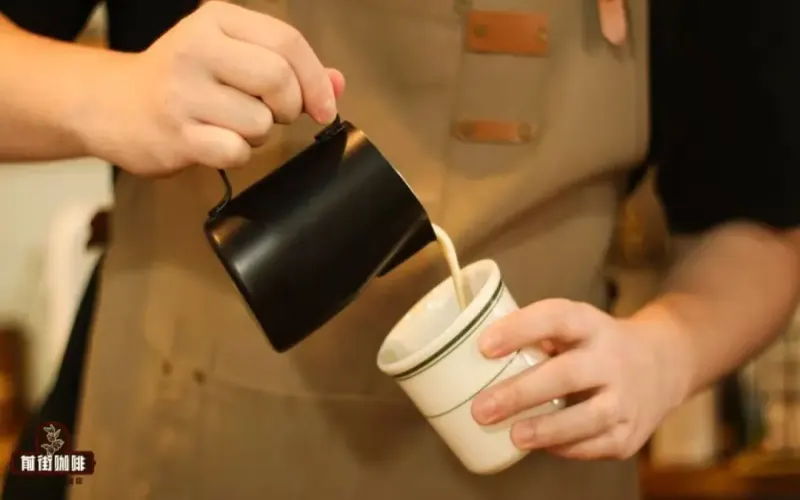
Key details in the milk-pouring and integration stage of latte art: how flow rate, pouring distance, and milk volume affect the final result
When making an espresso latte, the success of the latte art pattern often depends on whether the integration step is done properly. When integrated well, the pattern background is clean and the coffee flavor is unified; when integrated poorly, not only does the image look messy, but the mouthfeel also feels disjointed. Front Street Coffee points out that there are three easily overlooked details in the integration stage: the flow rate of the milk being poured, the distance between the milk pitcher and the liquid surface (the pouring distance), and the amount of milk used for integration. This article will break down these three key points one by one, explaining why a low flow rate combined with a high pouring distance is more conducive to integration, as well as the specific requirements for integration milk volume for different latte art patterns, helping you make latte coffee with consistent flavor and a clean image at home. [more…]

Optimal Flavor Temperature Analysis for Milk Coffee: Latte Milk Foam Steaming Principles and Fusion Degree Assessment Standards
The key to a delicious latte lies in the fusion state of milk and coffee and the temperature when it enters the mouth. This article will systematically explain the scientific principles of milk foaming, the factors affecting the fusion degree of milk foam and coffee, and reveal the differences in milk foam durability at different frothing temperatures through experimental data. At the same time, it provides cause analysis and solutions for common problems in daily operation, such as milk foam not fusing and milk foam floating up during latte art. The article also combines the practical experience of Front Street Coffee to explain why around 60°C is the optimal flavor temperature range for milk coffee, and how to judge whether the milk foam fusion degree is up to standard. [more…]
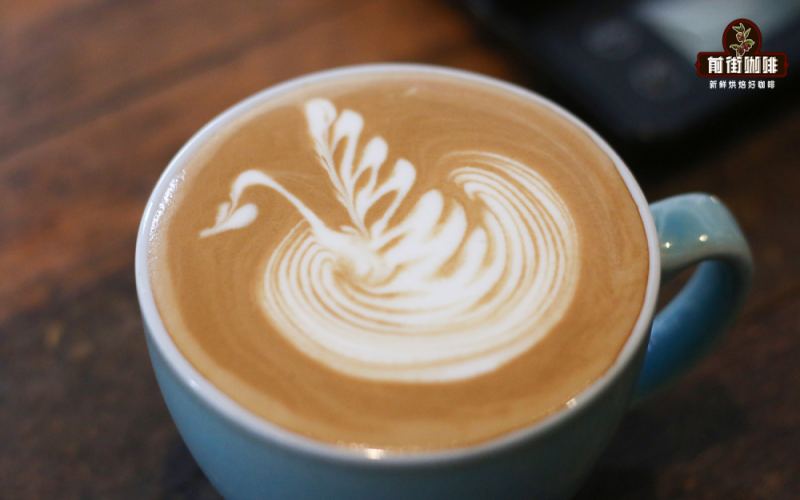
A Complete Guide to Making Latte Coffee: Ingredient Selection, Coffee-to-Milk Ratios, and Pouring Techniques
To make an excellent latte, three things matter most: the choice of coffee beans and milk, the ratio of coffee to milk, and the specific techniques of extraction and incorporation. Different coffee beans directly shape the flavor profile of a latte, and the texture of the milk likewise influences the final mouthfeel. Get the ratio wrong and you either lose the coffee flavor to too much milk or end up with harsh bitterness from too little. And if the incorporation step is handled poorly, you get one sip that's all milk followed by another that's all coffee. Drawing on Front Street's practical experience, this article breaks down material selection, the coffee-to-milk ratio, and incorporation techniques one by one, helping coffee lovers consistently produce a delicious latte at home. [more…]
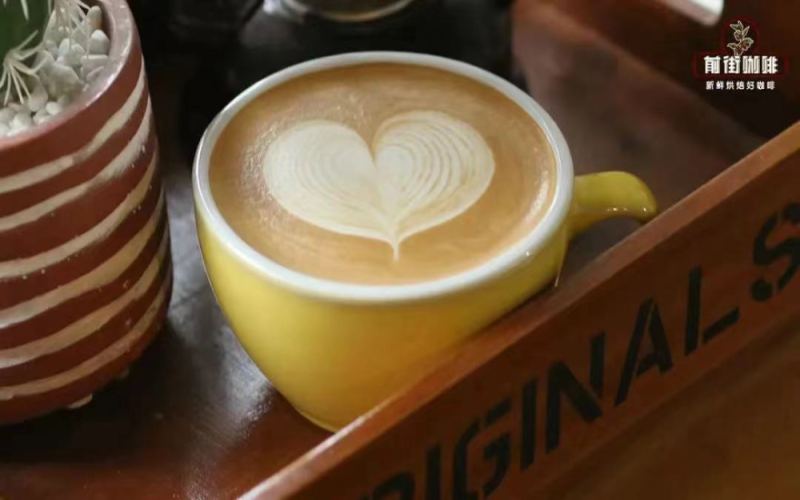
Beginner Latte Art Tutorial Explained | How Can Coffee Newbies Make a Heart-Shaped Latte Art? How Do You Use an Espresso Machine to Steam Silky, Smooth Milk Foam?
For professional coffee knowledge exchange and more coffee bean information, please follow Coffee Workshop (WeChat official account cafe_style). For more specialty coffee beans, please add private WeChat Front Street Coffee (FrontStreet Coffee), WeChat ID: qjcoffeex. Coffee latte art is coffee [more…]

Common Latte Art Mistakes: Causes and Fixes for Long Tail Lines, Cup Volume Control, and Pattern Offset
Once latte art practice reaches a certain stage, the pattern itself can take shape, but mistakes in the details often cause more frustration. This article compiles three high-frequency problems: dragging out an overly long line when finishing, the cup not being full or overflowing after pouring latte art, and the pattern being asymmetrical left and right. For each situation, Front Street provides specific cause analysis and correction methods, including flow rate and pitcher spout control when finishing, reference milk fusion amounts for different patterns, and using others' observation to correct the postures for holding the cup and the pitcher. It is suitable for coffee enthusiasts who are polishing latte art details to practice against, gradually improving the stability and aesthetics of their output. [more…]

The Key to Latte Art Success or Failure: From Milk Fusion Techniques to Practical Steps, Front Street Coffee Teaches You to Improve Latte Quality
Many coffee enthusiasts long to pour beautiful patterns, yet overlook a more fundamental step—incorporation. Incorporation determines whether the latte's flavor is balanced, and it also affects whether the latte art can be presented smoothly. In this article, Front Street will guide you through a deeper understanding of the definition of incorporation, its evaluation criteria, and specific techniques, from controlling the quality of espresso and milk foam to the choice of pitcher spout height, incorporation technique, and incorporation volume, helping you overcome this challenge step by step. Whether you are a beginner just starting out or a barista looking to refine your skills, this content can take your latte art technique to the next level. [more…]
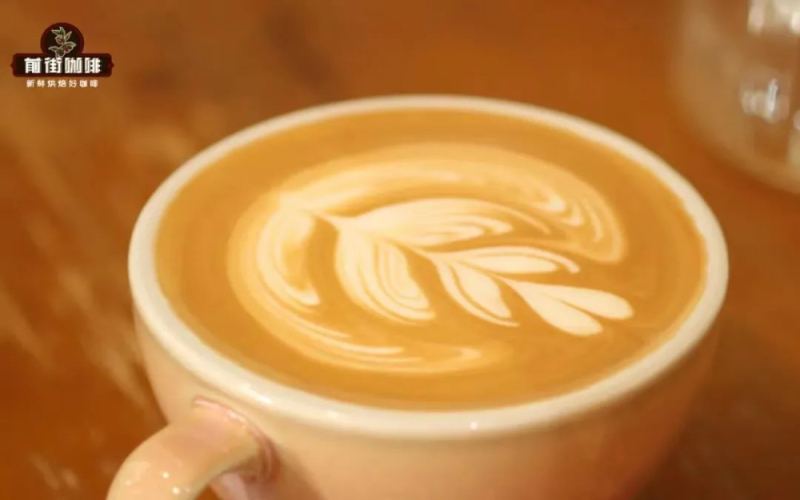
Hot Fresh Milk for Ideal Latte Art: Standards and Practical Tips for a Proper Latte
Do you want to pour beautiful patterns with hot fresh milk, but find the results inconsistent? Whether a latte art pour is up to standard actually varies from person to person, but Front Street Coffee believes it can be judged on three levels: surface fineness, integration evenness, and pattern clarity. In addition to sharing the judging criteria, this article will also introduce a few tips that can effectively reduce the failure rate, including adjusting milk foam thickness, pre-treatment before integration, and repeatedly practicing with simple patterns. At the same time, choosing the right coffee beans is also crucial. Front Street specialty espresso blend can help you extract rich crema more easily, making latte art twice as effective with half the effort. [more…]

Hiroshi Fujioka-style Chasen Pour-Over Coffee: An Alternative Extraction of Japanese Dark Roast Beans and the Fusion of Matcha Techniques
This time Front Street is going to share a rather unusual brewing method—it breaks out of the framework of conventional pour-over and grafts the matcha whisking technique from Japanese tea ceremony onto coffee extraction. The person who created this "Way of Coffee" is none other than Hiroshi Fujioka, star of the original Kamen Rider. He favors Peruvian beans, Japanese-style dark roast, and coarse grinding, pouring water in a steady drip throughout, then using a chasen to whisk the coffee liquid into a dense foam. Front Street couldn't resist trying it out personally, recreating it once with a medium-dark roasted Blue Mountain bean. What kind of aroma and mouthfeel can this method actually bring? And why must it be drunk against the clock? The following will reveal all. [more…]
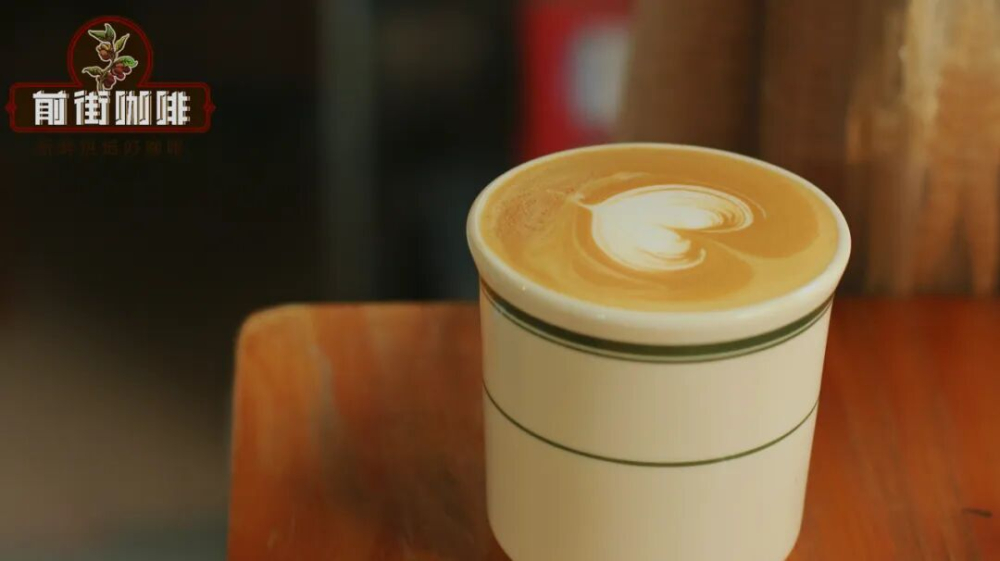
Key Points for Making Flat White Coffee | Is Australian White Coffee a Latte? What Is the Milk-to-Coffee Ratio and Milk Foam Thickness for a Flat White? How to Properly Steam Milk, Integrate, and Pour Latte Art for a Flat White?
Many baristas mysteriously reach a consensus among themselves: to tell whether a café is good or bad, just order a Flat White and you'll know—if the Flat White is well made, the other coffees will basically be above standard too. When asked why, these baristas reply: because this is the milk coffee most prone to "mistakes." The most controversial Ita- [more…]

Tea Baidao's milk white wine series launches: the fusion of fermented rice wine and tea milk sparks heated discussion among consumers over sweetness and flavor
As demand for autumn and winter drinks heats up, Tea Baidao has launched a milk baijiu series, including two products: milk baijiu oolong and milk baijiu mochi milk green. The official emphasis is on traditional fermentation techniques, 0 flavorings and no additives, but consumers who tried them reported that they were too sweet, the alcohol taste was too light, and some even described the aroma as strange. This article reviews the new product formulas, process characteristics and market response, and looks back at Tea Baidao's previous attempts at alcoholic drinks in cooperation with Luzhou Laojiao. For coffee lovers, Front Street Coffee has always paid attention to beverage innovation trends, and this article also provides observations from the perspective of flavor balance. [more…]
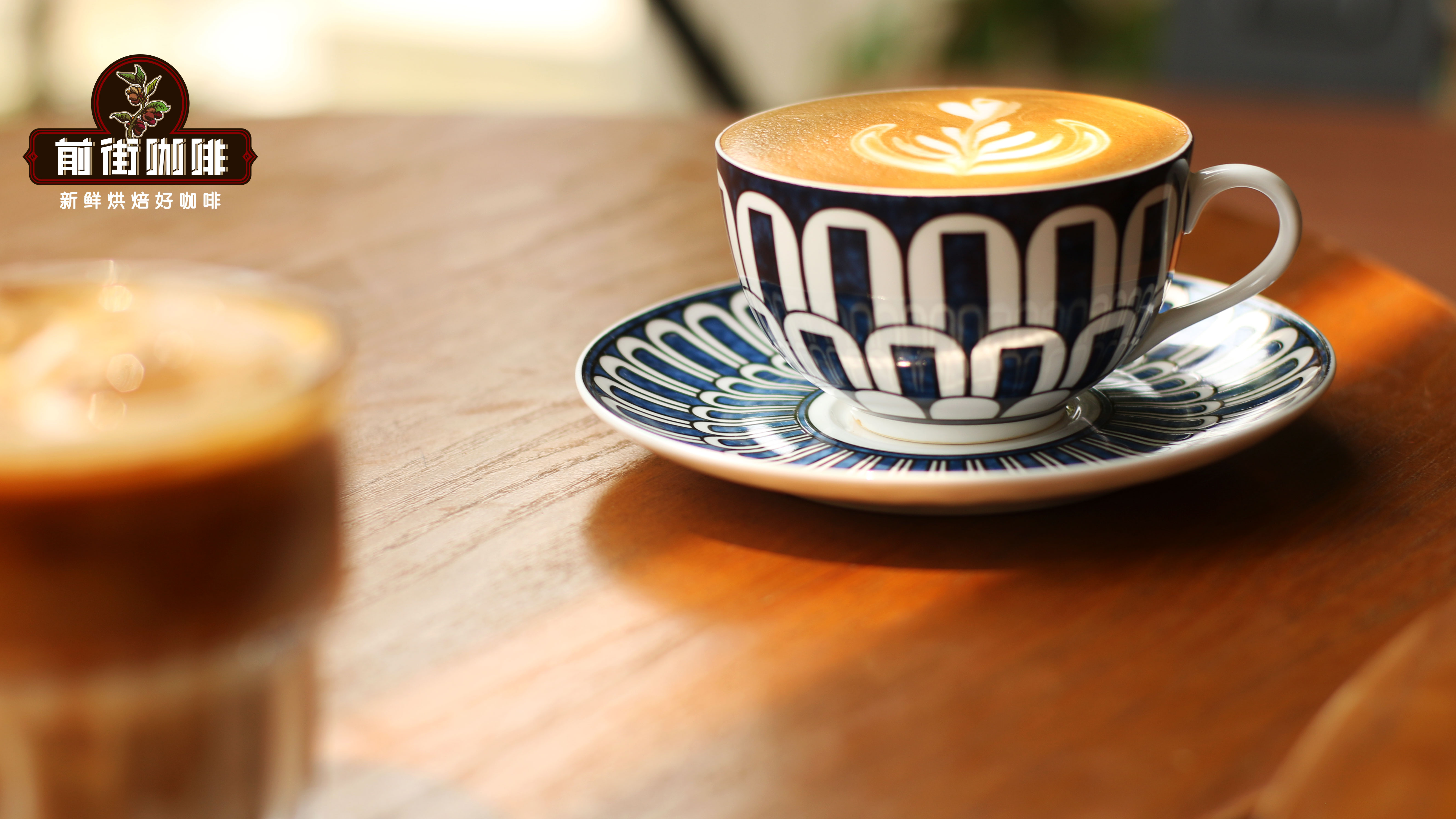
From Ingredients to Fusion: The Espresso and Milk Pairing Logic Behind a Good Latte
Latte is a classic combination of espresso and milk. It looks simple, yet it most tests the choice of ingredients and operational details. This article begins with the historical origins of the latte, tracing the background of the birth of Viennese milk coffee, and then returns to the practical level, focusing on key aspects such as the quality of coffee beans and milk, the coffee-to-milk ratio, espresso extraction and milk frothing, and pouring techniques. The article also combines product information from Front Street Coffee's classic espresso blend, Sunflower Warm Sun blend coffee beans, and Front Street Coffee's Taobao store and Tmall flagship store to provide parameters and techniques that can be directly referenced, helping coffee enthusiasts make a cup of latte with balanced flavor and a velvety texture at home or in a café. [more…]
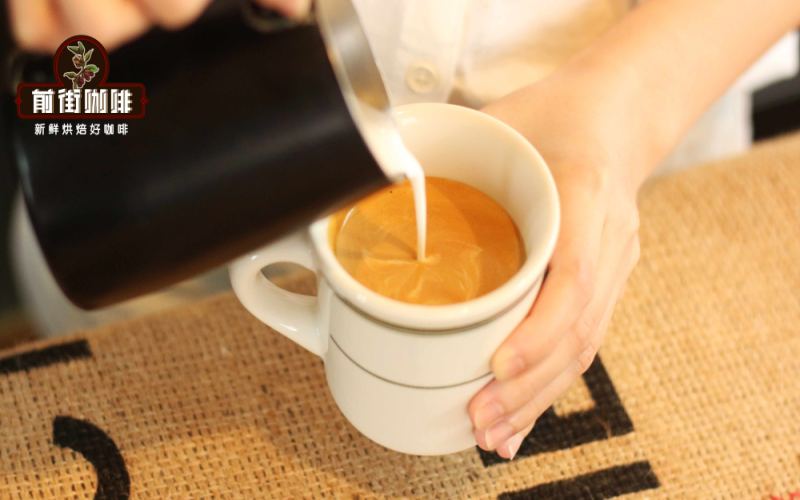
Practical Guide to Heart-Shaped Latte Art: A Complete Tutorial from Bean Selection to Finishing Techniques
Many people see heart-shaped latte art in coffee shops and think it looks easy to do, but once they actually try it, they discover there is quite a bit of technique involved. To make beautiful latte art, at least three prerequisites must be met: freshly roasted espresso beans, fresh milk kept refrigerated at low temperature, and an espresso machine with a pressure-boosting function. This article starts with the selection of Front Street Coffee beans and breaks down the entire process of heart-shaped latte art in detail, including extraction parameters, milk frothing methods, control of the amount used for incorporation, selection of the pour point, and common mistakes made during the finishing stage, helping coffee enthusiasts and novice baristas master the technique of consistently producing latte art step by step. [more…]

Common Types of Italian Coffee | What Are the Classic Milk Coffee Recipes? What's the Difference Between a Latte, Macchiato, Cappuccino, and Dirty?
Espresso is a must-have beverage in every café. Many people's first impression of espresso is that it's unbearably bitter. In fact, espresso isn't limited to such bitter shots. If you want an espresso that isn't bitter and suits your taste, the first thing you need to understand is the different types of espresso. Front Street Cof [more…]
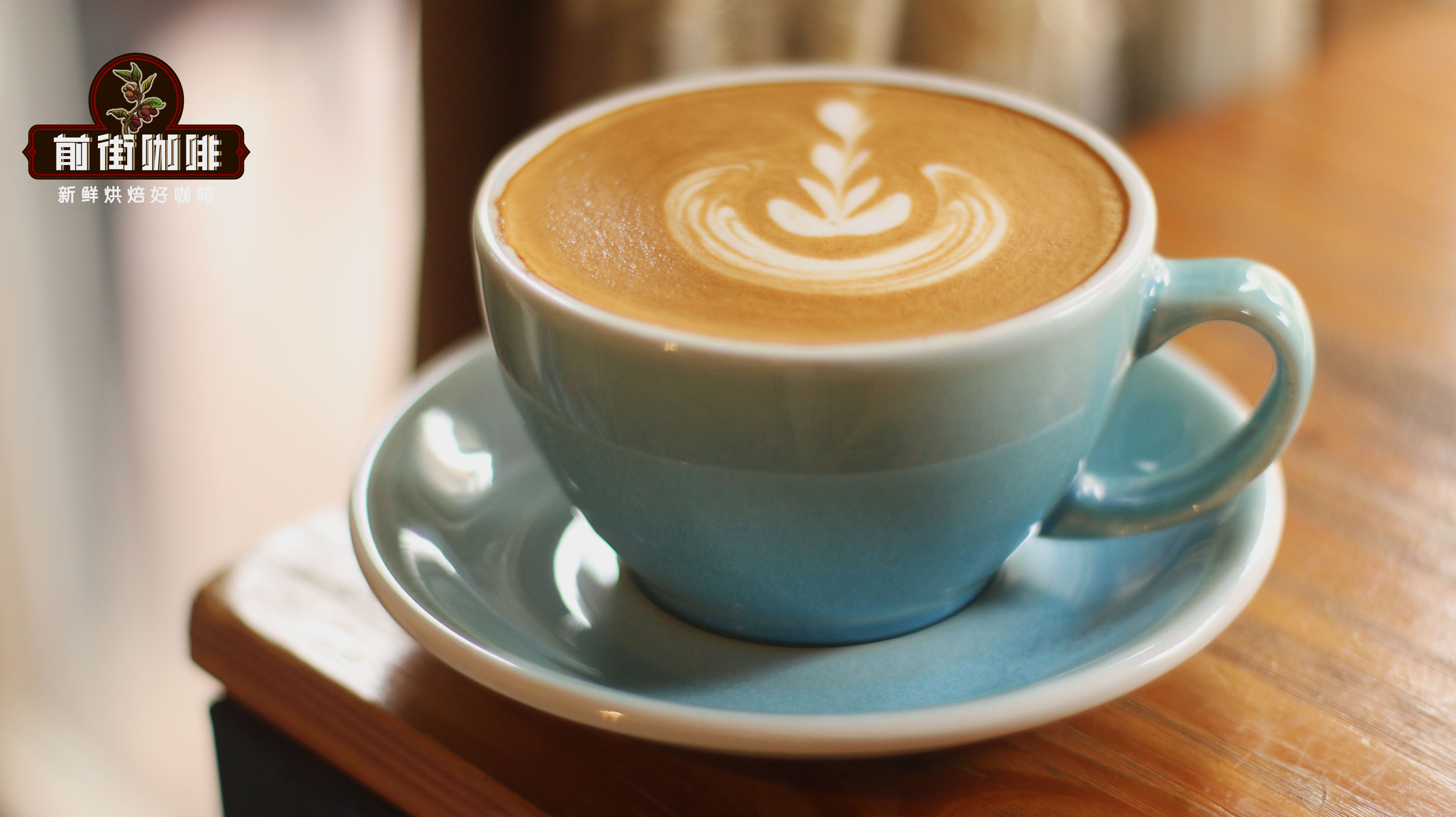
What Is a Latte? A Complete Guide to Espresso Latte Making and Coffee Bean & Milk Choices
Latte is a transliteration of the Italian word "Latte," made by combining espresso with milk, and it is the most classic of all fancy coffee drinks. The gentle warmth of milk blends into the rich, full-bodied espresso, transforming the originally bitter and heavy black coffee into something smooth and sweet—so much so that even people who normally don't drink coffee find it hard to resist. Drawing on the hands-on experience of Front Street Coffee, this article systematically explains the origins and definition of latte, the principles for selecting coffee beans and milk, the standard extraction and steaming-and-fusion process for hot lattes, and the ratio approach for iced lattes, helping coffee lovers make a balanced, finely foamed latte at home. [more…]
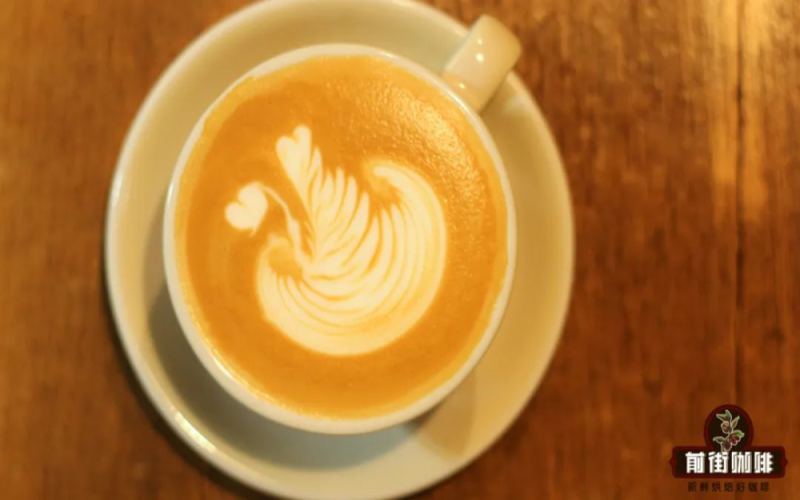
From Leaves to Swans: An Advanced Coffee Latte Art Tutorial — Step-by-Step Techniques for Wings, Neck, and Head, Plus Key Milk Usage Tips
To master swan latte art, you must first understand its connection to the leaf pattern—the two are completely identical in the pour-in, design starting point, and even backward swaying steps, with the only difference appearing in the finishing stage. A leaf is finished directly after the swaying ends, while a swan, after completing the body, still needs to shape the wings, neck, and head. This article breaks down the key movements one by one in three parts—wings, neck, and head—and explains the strict requirements that composite patterns place on milk volume and milk foam texture, helping those who have already learned the leaf to advance smoothly. [more…]

The Differences Between a Latte and a Flat White Explained: Espresso Base, Cup Size, and Milk Foam Thickness Fully Analyzed
Latte and Flat White are the two most common milk coffees on coffee menus, but they differ noticeably in preparation method and flavor presentation. This article compares them from three dimensions: espresso base, cup size, and milk foam thickness: Flat White often uses a ristretto extraction, giving it a stronger coffee taste without bitterness; Latte has a higher proportion of milk, making it sweeter and easier to drink; while Flat White's milk foam is extremely thin, allowing people to directly feel the fusion of coffee and milk. In addition, the article also points out that Flat White is only made as a hot drink, and iced Flat White does not exist. Whether you prefer a rich, creamy sweetness or pursue the true taste of coffee, you can find an option that suits you. [more…]
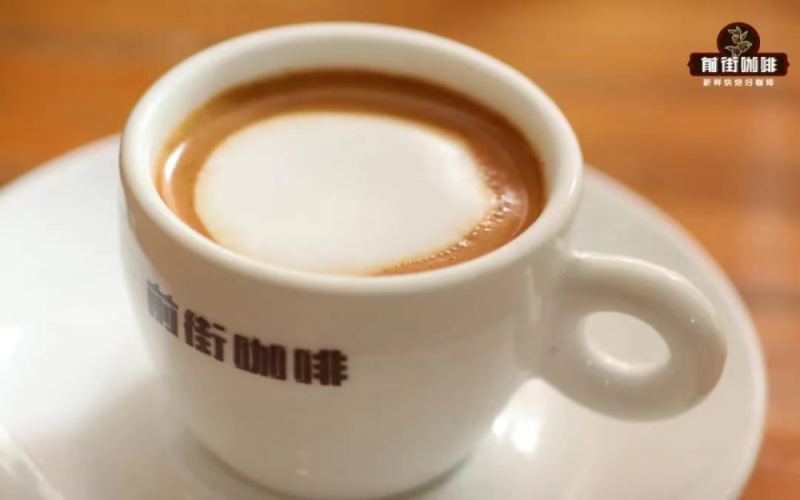
Types of Espresso Drinks | How Can Coffee Beginners Learn to Make Espresso Black Coffee and Milk Coffee? What Are the Recipe Ratios for Various Espresso Drinks?
For those who are just getting into espresso coffee, facing a bunch of coffee terms can leave you feeling completely lost, such as Espresso, Ristretto, Lungo, Latte, Flat White, and so on. These all fall under the category of espresso coffee. Front Street Coffee (FrontS [more…]
Easy Latte at Home: A Complete Guide from Espresso to Iced Latte and Dirty
Latte coffee is a classic fusion of espresso and milk, with a flexible ratio, usually between 1:5 and 1:8. This article starts with the origin of the latte, then gradually introduces how to choose coffee beans, extract espresso, and steam milk, and provides detailed illustrated steps for making iced latte and Dirty coffee. Whether you prefer the rich and smooth texture of a hot latte or the cool layers of an iced latte, you can find a practical guide here. The article also incorporates Front Street brand bean recommendations and brewing tips to help you recreate cafe-quality deliciousness at home. [more…]
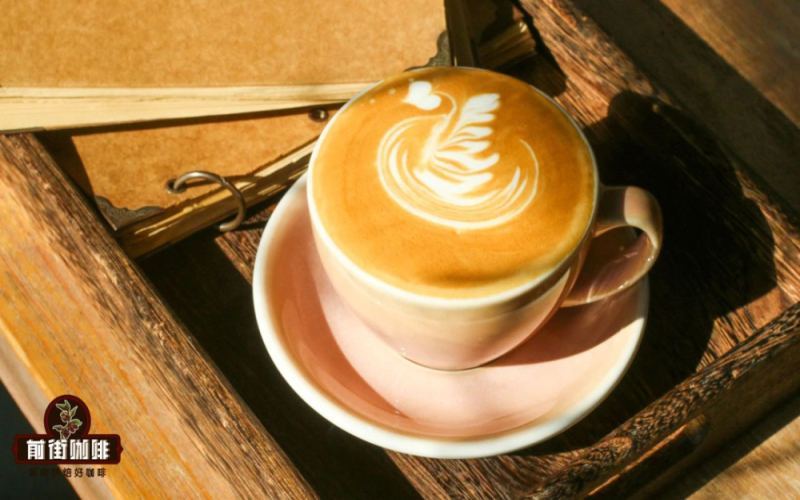
The Standard Latte Preparation Process and an Analysis of the Causes of Bitterness and Sourness in Homemade Lattes
Latte, as a classic fusion of espresso and milk, has won over countless coffee lovers with its smooth and sweet taste. However, many people often encounter the problem of excessive bitterness or pronounced acidity when making it at home. This article will systematically cover the origin and background of latte, the logic behind ingredient selection, espresso extraction parameters, and the ratio plans for both hot and iced lattes, with a focus on analyzing the relationship between coffee bean roast level and flavor direction, and recommend Front Street classic espresso and commercial blend coffee beans to help readers master the essentials of making a balanced and easy-drinking latte. [more…]
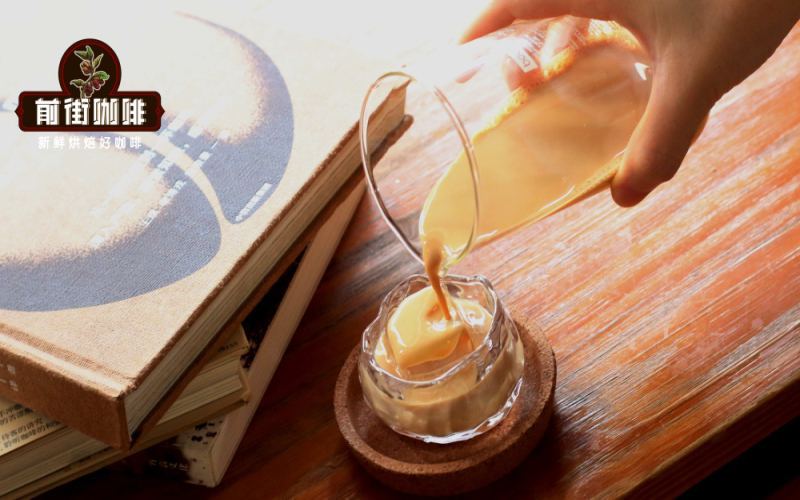
Can Drip Bag Coffee Be Used to Make a Latte? An Analysis of Feasible Methods and Techniques for Making Milk Coffee with Drip Bags
Many coffee enthusiasts with limited equipment want to know whether they can make a delicious milk coffee using drip bags. The essence of a latte lies in the fusion of a highly concentrated coffee base with milk, while drip bags are limited by pre-ground coffee and the drip extraction method, so their concentration is naturally insufficient. But as long as you master the right methods—increasing the amount of coffee powder, reducing the amount of water, and combining this with stirring or microwave heating—you can still make a milk coffee at home that is close to latte flavor. This article will explain in detail, from principles to practice, the complete steps for making highly concentrated coffee with drip bags, and recommend several medium-dark roast drip bag products from Front Street that are suitable for pairing with milk. [more…]