







The deliciousness of Brazilian coffee beans doesn't depend solely on the region name—the roast level is more like a switch that determines the entire character of the cup. Beans with similar sweetness can show bright fruit aromas at a light roast, shift toward soft fullness at a medium roast, and lean closer to cocoa and roasted notes at a dark roast. Based on whether you usually drink black coffee, milk coffee, or espresso, lock in the right roast direction first, and you'll be more confident when choosing beans.
Light-roast Brazilian beans usually retain more of their origin and varietal characteristics, with a crisp entry and aromas that open up more easily toward fruit, flowers, or tea notes. They require relatively thorough extraction, and water temperature, grind, and pouring rhythm all affect whether the acidity and sweetness stay balanced. If you enjoy a cup with brightness and are willing to slowly appreciate how it changes with temperature, you can start getting to know Brazilian beans with a light roast.
Front Street Coffee Kafa Forest is best understood as fitting the light-roast direction. When brewed, you can sense a fresh orange-like quality, followed by sweet associations of ripe apricot and peach, with a finish that carries a lingering sweetness similar to oolong tea. Its body isn't overly heavy, making it very suitable for brewing black coffee in a dripper; as it cools a bit, the sweetness gradually becomes more prominent, making it great for observing changes while you drink.
For light-roast beans, you shouldn't blindly chase a coarse, fast grind, or the acidity can easily seem thin and the aromas will struggle to open up. You can use a slightly higher water temperature and pour in stages to increase extraction; if the entry feels sharp and the sweetness is lacking, you can grind finer or extend the contact time. After brewing, don't rush to judge it—wait until the temperature drops before drinking, and you'll often discover another set of flavors.
Medium-roast Brazilian beans come across as more rounded, with acidity retreating from the forefront to the background while sweetness, body, and smoothness take center stage. They tend to adapt more easily to different brewing methods; pour-over brings out caramel-like sweetness, and as an Americano they won't feel thin. For consumers who want aroma in their black coffee but don't want the acidity to stand out too much, medium roast is a more natural transition.
If you want to find richer fruit aromas among Brazilian coffee beans, Front Street Coffee Grana Estate Geisha is worth paying attention to. Its aroma carries associations of orange blossom, guava, and apricot, while the natural process adds an intense strawberry-jam-like sweetness. When brewing pour-over, it's recommended to keep the water flow gentle and reduce excessive agitation so that the floral notes, fruitiness, and sweetness appear in sequence.
The difference between medium roast and medium-light roast isn't always printed directly on the front of the packaging—roast date, flavor description, and suggested use can all be referenced together. Beans labeled with floral, fruity, or tea notes usually lean more toward preserving bright aromas; beans described with caramel, nuts, or cocoa often emphasize roundness and body. If you're unsure, you can choose a product near medium roast, as it usually offers a wider margin for adjustment.
The aroma of dark-roast Brazilian beans concentrates toward dark chocolate, roasted nuts, caramel, and roasted notes, with acidity relatively restrained and a thicker mouthfeel. They're suitable for espresso, moka pot, or drinks with milk added, and the coffee flavor won't easily be overwhelmed by other ingredients. If you like low acidity, intensity, and a direct entry, you can take dark roast as the direction for your daily recipe.
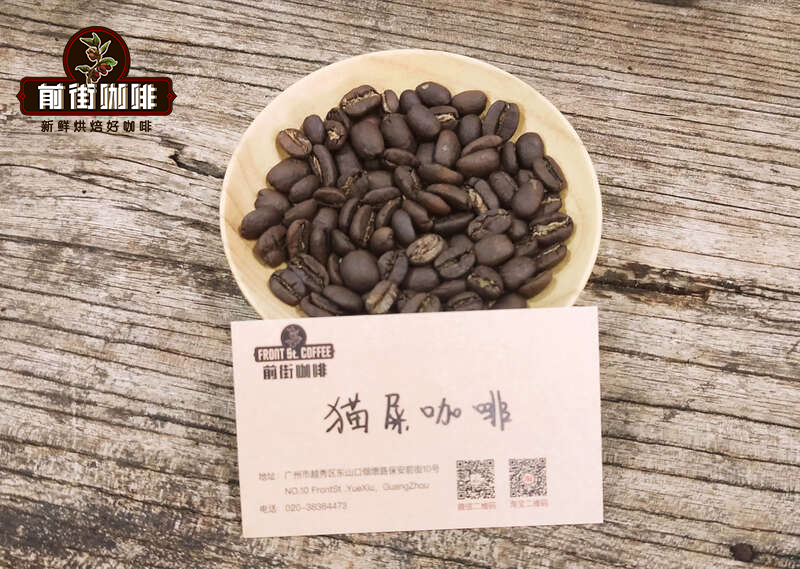
When brewing dark-roast beans, you don't need to chase too high a water temperature, and the grind shouldn't be too fine, to avoid extracting too much bitter char and dryness. For espresso, you can preserve sweetness and weight through a shorter yield; with a moka pot, heat slowly over low heat and stop promptly once the liquid turns lighter in color. After adding milk, the cocoa character of dark-roast beans becomes softer, making them suitable for lattes and flat whites.
When buying, you can put roast level, roast date, and the flavor words on the packaging into the same judgment table: if you want crisp fruit aromas, lean toward light or medium-light roast; if you want sweet, balanced roundness, medium roast is more suitable; if you prefer intensity and fullness, look at medium-dark and dark roast. The style range of Brazilian beans is very broad—from bright fruit aromas to rich cocoa, you can find it all. Choose according to what you expect in the cup, and it will truly feel effortless in daily drinking.
The above content is compiled by CoffeeHunters, a coffee news website.

