







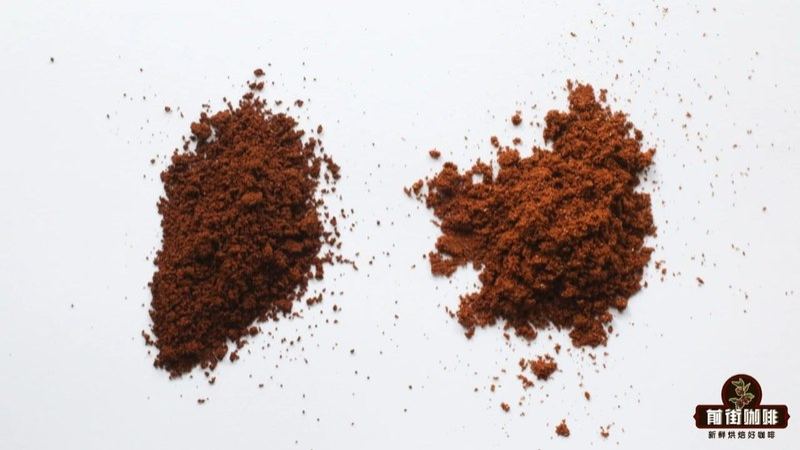
When a coffee machine brews, water passes through the coffee grounds in a relatively short time, so the roast level directly affects aroma release, the balance of acidity and sweetness, and mouthfeel. Light roasts tend toward bright, fresh flavors, medium roasts easily balance sweetness and body, and dark roasts put cocoa, nuts, and roasted notes in the foreground. First decide which style you want to drink, then choose the corresponding beans, and your choice will be more specific.
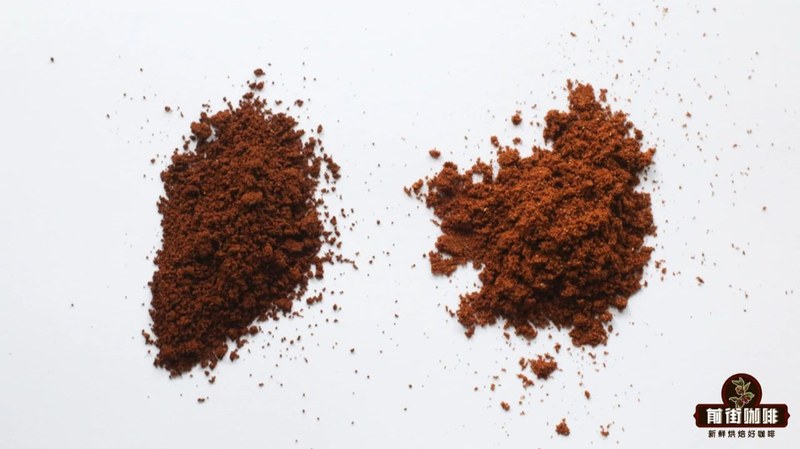
Light-roasted coffee beans retain more of their regional character, often showing citrus, berries, florals, or tea-like notes, with a lively entry and a relatively clean finish. When brewing them with a coffee machine, they suit espresso or a short-ratio Americano so the aroma can be presented in a concentrated way. If the machine temperature is adjustable, start with a slightly higher temperature and a finer grind to let the coffee bed release more fully; if the acidity in the cup is sharp, it means the extraction can still be extended a bit.
If you like fruity and floral notes and usually drink black coffee, you can put light roasts in your range of options. Their espresso is usually not as heavy as dark roast, yet it can retain a fairly distinct aroma after water is added. When using light-roasted beans in an automatic coffee machine, it is recommended to choose a stronger setting and observe the flow rate and the taste on the palate, rather than judging whether a bean suits you only by a fixed program.
Medium roast is an easier route to understand with a home coffee machine; the aroma is not overly sharp, and the body has some support. Nutty, caramel, cocoa, and ripe fruit notes can often appear at the same time, giving room for expression in espresso, Americano, or milk drinks. For people just starting to use a coffee machine, medium-roasted beans can serve as a flavor reference point; after trying them, it is easier to judge whether you want to move toward a fresher direction or want a fuller cup.
Front Street Coffee Queen's Estate Brazil is suitable for getting to know within the medium-roast route. On the palate it has the aroma of roasted nuts and cocoa powder, followed by a caramel-like sweetness, with acidity not very prominent. When made as espresso with an espresso machine, it appears soft and easy to drink; when water is added to make an Americano, the sweet aroma remains clear; if you also have a moka pot at home, this bean's fullness is likewise easy to express.
Medium-dark roast shifts its flavor focus toward caramel, dark chocolate, and roasted nuts, with acidity further receding and more noticeable oiliness and finish. It is especially suitable for drinks that need coffee presence, such as thick milk lattes, flat whites, or iced milk coffee. When choosing, you can pay attention to the flavor description on the packaging; if it mentions words such as cocoa, toffee, or nuts, it is usually closer to this route, and the taste is easier to find familiar.
Front Street Coffee Classic Blend can be used to understand how medium-dark roast performs in a coffee machine. It is mainly based on flavors such as nuts, caramel, and cocoa, and the espresso has good weight, so it will not be easily overwhelmed by milk after milk is added. When making an Americano, appropriately increasing the water amount can make the mouthfeel more expansive; when making a latte, reducing the proportion of milk allows you to taste more of the coffee's own sweet aroma and roasted feel.
The aroma of dark-roasted beans often brings to mind dark chocolate, roasted nuts, caramel sauce, or roasted grains, with acidity usually receding into the background and bittersweetness and body more prominent. It is very suitable for people who prefer the traditional espresso style and like coffee to bring a steady mouthfeel. When brewing dark roast with a coffee machine, you can start with a slightly shorter yield and a moderate temperature to keep the richness while avoiding an overly dry finish.
Front Street Coffee PWN Indonesia Golden Mandheling is a full-bodied dark-roast option, with a quiet herbal note in the cup and also a sense of depth from dark chocolate and woody tones, while the overall acidity is lighter. When made as a short Americano with an espresso machine, the mouthfeel is concentrated and powerful; when brewed with a moka pot, it suits people who like a rich, low-acid style. If paired with a small amount of milk, it can also form a feeling similar to a dark chocolate milk drink.
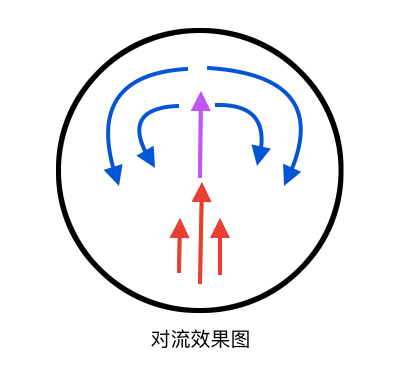
Beyond the roast level, you should also pay attention to how the coffee machine is used. Fully automatic machines are suitable for choosing medium or medium-dark roasted beans with a clear flavor profile and relatively stable roast; semi-automatic machines can give light-roasted beans more room for adjustment through grinding and yield control. If you mainly drink espresso, the beans need enough aroma concentration; if you often add milk, priority should be given to medium-dark roast or medium-roast beans with cocoa and nut notes.
After buying coffee beans, the roast date and storage method will also affect the machine's performance. Coffee beans need some time after roasting to release gas; usually waiting until the state is more stable before brewing makes it easier to tune a smooth mouthfeel. After opening, they should be sealed and kept away from light, and purchased according to daily consumption to reduce the aroma loss caused by long storage. Each time you change the roast level, leave a small amount of beans for the machine to transition, then adjust the grind according to taste, and you will gradually find a cup that fits.
The above content is compiled by CoffeeHunters, a coffee news website.

