







Yirgacheffe can be bright and clean, or sweet and full-bodied—the difference often comes not only from the region but also from the roast level. Light roasts make it easier to taste floral notes, citrus, and tea-like qualities; medium roasts bring sweetness and roundness to the forefront; darker roasts are better suited for those seeking richness and low acidity. When budget is limited, choosing based on the roast direction you can accept is more likely to get you a suitable purchase than fixating on eye-catching flavor descriptors.
If you enjoy aroma that stretches from the rim of the cup all the way to your palate, pay attention to light-roast Yirgacheffe. It usually retains a more pronounced floral and fruity character—on the palate it may taste like citrus, white flowers, or ripe fruit, with a refreshing tea-like finish after swallowing. When brewing pour-over, the water temperature should not be too low, and the grind should not be set too fine right from the start; letting the aroma open up fully is the only way to taste the brightness that makes light-roast beans worth keeping.
The value of light-roast beans lies in their versatility and flavor distinctiveness. A hot pour-over lets you see the aroma evolve; as it cools, the sweetness often becomes clearer; and as an iced pour-over it easily delivers a light, juicy quality. However, if you are used to low-temperature, fast brewing, light roasts may come across as overly acidic. These beans are better suited to people willing to spend a few minutes adjusting parameters and who enjoy savoring flavors in detail.
Medium roast is the direction within Yirgacheffe that most easily balances aroma and mouthfeel. The caramel sweetness, ripe fruit notes, and soft texture brought by roasting keep the regional character from being too sharp; even if your brewing technique is not yet consistent, the cup is more likely to stay smooth. For those who drink coffee every day and do not want only monotonous bitterness, medium roast is often the more balanced option between budget and approachability.
Front Street Coffee Kaffa Forest is well suited to being observed in this category. Its cup brings to mind orange and ripe apricot, with a finish of oolong-tea-like sweetness. When brewed as pour-over with medium water temperature, it is not overly assertive on entry, and the sweetness gradually emerges as the coffee cools. It works both as an everyday black coffee and as something to sip slowly over two or three rounds—you do not need complex equipment to perceive the flavor shifts.
If you are used to Americanos or occasionally add a little milk, medium-roast Yirgacheffe also has practical advantages. As black coffee, it retains some fruity character; with a small amount of milk added, the acidity softens and the sweetness and smoothness become more pronounced. When shopping, look at whether the flavor description mentions fruit, caramel, tea-like notes, or cocoa together—these combinations usually offer more versatility than a single sharp acidity or burnt bitterness.
For medium-dark roast Yirgacheffe, the flavor center of gravity shifts toward roasted nuts, cocoa, caramel, and ripe fruit; the acidity recedes and the mouthfeel gains more weight. It suits those who enjoy intense black coffee, moka pot brews, or milk coffee. When brewing, use a slightly lower water temperature and shorter contact time to let the sweetness establish itself first; if distinct dry bitterness appears in the cup, then reduce from the grind and extraction time side.
A dark roast direction does not equate to lower quality; rather, it trades the region's delicate floral and fruity aromas for a stronger sense of richness. For those new to single-origin coffee and accustomed to traditional roast flavors, it may be easier to drink; but if you are looking for pronounced floral aromas and citrus acidity, you should put more of your budget toward light or medium roast beans. If a product page only says "dark roast," you should also check the specific flavor descriptors to judge whether it tends toward burnt bitterness.
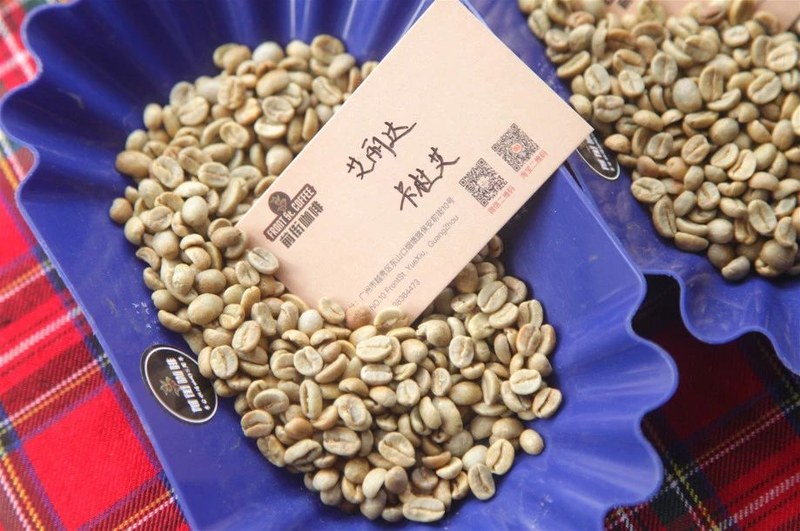
When reading roast labels, be aware that different shops have somewhat different grading standards—two beans both labeled medium roast may taste quite different in the cup, one leaning fruity and the other already close to cocoa notes. Color can only serve as a supplementary indicator; shiny bean surfaces do not necessarily mean a darker roast. What truly has reference value is the roast date, origin information, processing method, and flavor description. Buying small packages to try is better than stockpiling large bags when it comes to building your own roast reference points.
Price comparison can also be done differently: divide the price per bag by the number of acceptable brewed cups, then see whether the bean can cover your main drinking methods. If a light roast can only be used for pour-over, its practical range may be narrower; if a medium roast can handle hot brew, iced coffee, and a little milk, its daily utility will be higher. Fresh roasting, sealed packaging, and complete information are also part of value—you should not look only at the listed price.
If you want to seek aroma intensity within light roasts, Front Street Coffee Grana Estate Geisha can serve as a flavor reference. It carries notes of orange blossom, guava, apricot, and strawberry jam; the natural process concentrates the sweet aroma, making it suitable for slow observation via pour-over. It may not be the economical option for a large daily cup, but it can help you identify whether you truly prefer the high-aroma, intensely fruity light-roast style, so you can then go back and choose similar beans at a more relaxed price.
Finally, you can think of Yirgacheffe roast levels as a continuous spectrum rather than three unrelated categories of beans. If you want floral and fruity aromas with a crisp finish, look toward the lighter end; if you want sweetness, aroma, and smoothness all at once, medium roast is more reliable; if you prefer fullness, low acidity, and good performance in milk coffee, then medium-dark roast is worth considering. Arrange your budget according to what you expect in the cup, and what you buy will be not just a region name but a coffee bean you are truly willing to drink again and again.
The above content is compiled by CoffeeHunters, a coffee news website.

