







Search Results for: Front Street Coffee Flower Queen
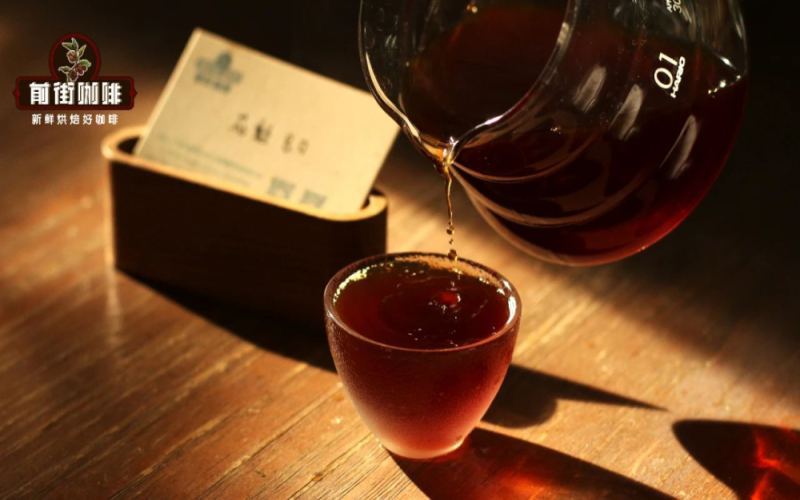
Complete Analysis of Huakui and Geisha Varieties and Origins: The Origins of the Translations Hambela and Geisha, and a Comparison of Their Flavor Differences
Recently, a video conflated Huakui coffee beans, the Hambela production region, and the Geisha variety, claiming that the three can be equated. Is this really the case? This article will trace the spread of the Geisha variety from Geisha Mountain in Ethiopia to Hacienda La Esmeralda in Panama, clarify the administrative affiliation of Hambela as a sub-region of Guji, and restore the full story of how Huakui coffee beans were named after winning the 2017 TOH. At the same time, Front Street Coffee will, through cupping experience, compare the flavor differences between small-bean Huakui and regular Huakui, and analyze the essential differences between Geisha and Huakui in their main flavor profile, helping coffee lovers build a clear understanding of varieties and production regions. [more…]
A Complete Guide to the Natural Process: The Origins, Variety Characteristics, and Brewing Tips of Huakui Coffee Beans
Ethiopia is the birthplace of Arabica coffee, and its natural processing method has produced countless unique and flavorful beans. As a star representative of the Sidama region, Huakui coffee has won over many coffee lovers with its intense floral and fruity aromas and honeyed sweetness. This article will systematically examine the full picture of this coffee from multiple angles, including the origin of the name Huakui, the background of the Hambela region, the geographical environment of Sidama, the characteristics of the Heirloom native variety, Ethiopia's coffee grading system, and the complete process of the natural processing method. It also includes Front Street Coffee's brewing parameter suggestions and bean-resting reminders to help you better appreciate the layered complexity and sweetness of this naturally processed Huakui. [more…]
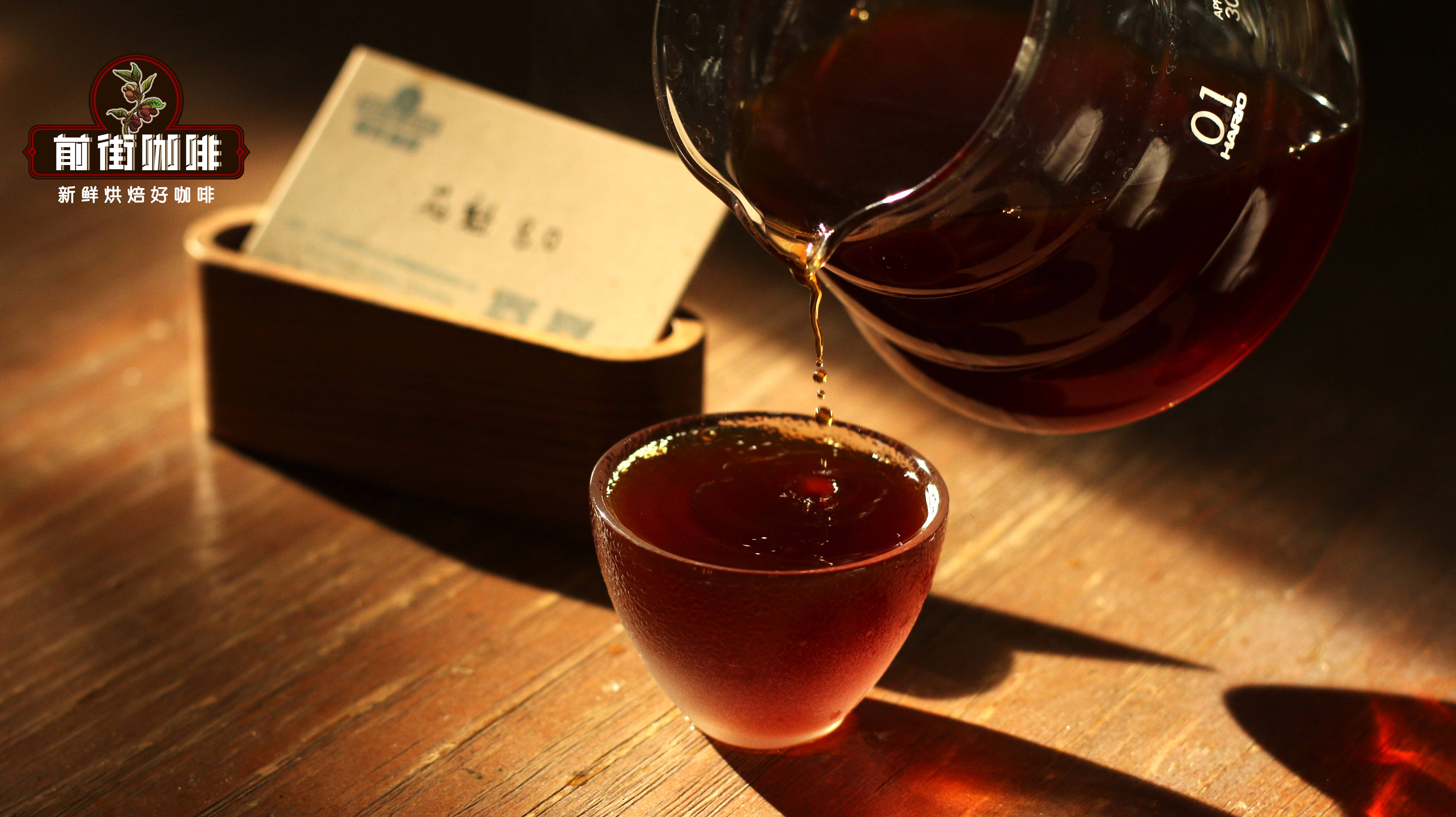
Ethiopia Sidamo Hambela Huakui 4.0: Dega Variety Natural-Process Coffee Bean Flavor and Pour-Over Analysis
In 2017, a naturally processed coffee from the Buku processing station in Ethiopia won the TOH competition and was named "Huakui" by a Chinese green bean trader, thus beginning the legendary journey of this coffee. Four years later, Huakui 4.0 was released with the entirely new Dega variety, with the production area expanded several times over, more scientific cultivation and management, and even better flavor performance. This article will take you through the origin background of Huakui 4.0, the characteristics of the Dega variety, the natural processing method, and Front Street Coffee's roasting and pour-over recommendations, offering a comprehensive analysis of this highly anticipated Ethiopian coffee. [more…]
Ethiopia Guji Hambela Flower魁 Legend: Cold Brew, Ice Drip, Pour-Over, and Flower魁 5.0 Flavor Analysis
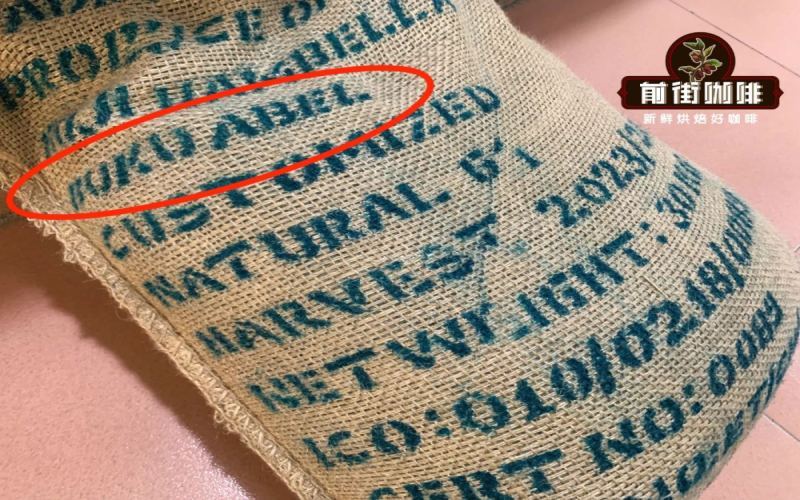
In Hambela, within Ethiopia's Guji region, the Buku Abel processing station has produced a sun-dried bean that has captivated coffee lovers worldwide—Floral Queen. From its 2017 TOH championship win to today's Floral Queen 5.0, this bean, with its rich aromas of strawberry, cream, and berries, has become an excellent choice for summer iced coffee. This article reviews Floral Queen's rise to fame, analyzes the flavor evolution and roasting key points of Floral Queen 5.0, and shares four brewing methods commonly used by Front Street Coffee: hot pour-over, iced pour-over, cold drip, and cold brew. Whether you want to experience a gentle sunset-like softness or pursue a juicy, full-bodied cup, you'll find suitable brewing parameters and practical suggestions here. [more…]
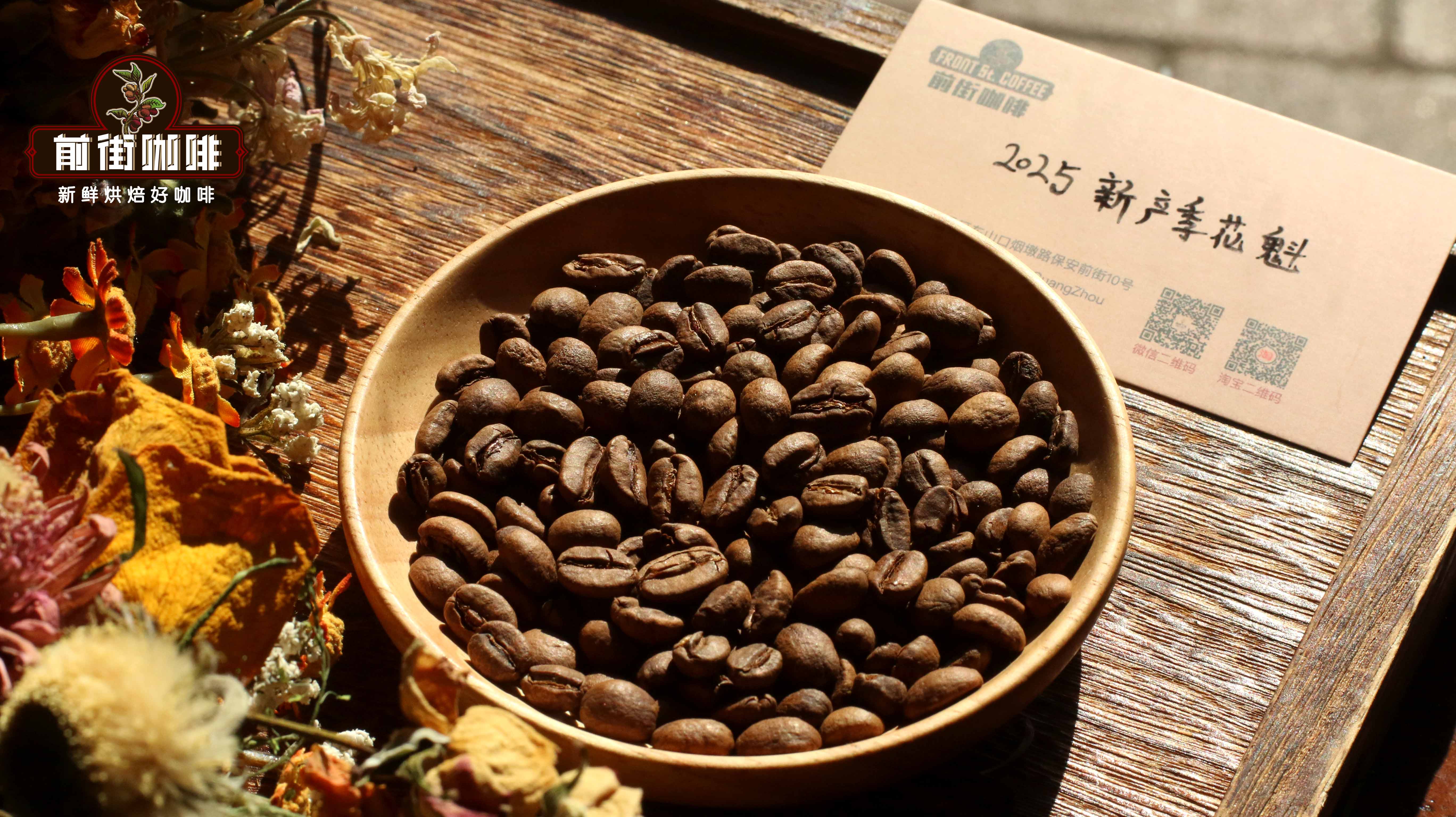
A Comprehensive Guide to Front Street Coffee's Huakui: Floral and Fruity Flavors, Variety Origin Story, and V60 Brewing Parameters
Front Street Coffee's Huakui is an Ethiopian natural coffee renowned for its floral and fruity notes. Originally named Hambela, it was named by a domestic green bean trader. It does not stand out for intense floral aromas, but rather for its rich fruit tones of passion fruit, strawberry, mango, jackfruit, and citrus. This bean originates from the Buku Abel processing station in Hambela and once won the natural category championship in the TOH green bean competition. It was subsequently introduced to the domestic market by a Beijing-based green bean trader and named "Huakui," and gained further fame after a Chinese World Brewers Cup competitor used it as a competition bean. Front Street, as an advocate of floral and fruity coffees, has included it in its Ethiopian series, roasting it to a medium-light level to highlight sweetness and fruity acidity. This article will provide coffee enthusiasts with a complete reference, from variety background and flavor description to V60 brewing parameters. [more…]
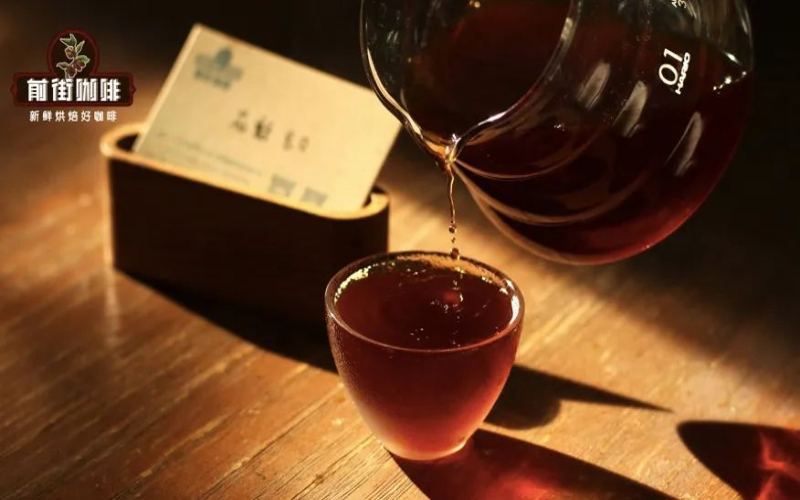
Is Flower Queen coffee bean an independent variety? The origin and evolution of sun-dried Flower Queen from the Guji Hambela region
In recent years, Huakui coffee beans have remained a hot topic in China's specialty coffee scene, and have now reached their 8th lot. Many people mistakenly believe that Huakui is a coffee variety, but it is actually a naturally processed coffee bean from the Hambela sub-region of the Guji region in Ethiopia. From winning the 2017 TOH green bean competition, to being introduced and named by a Chinese green bean trader, to DW company expanding production to meet demand, the story of Huakui is closely tied to the rise of the Guji region. This article will sort out Huakui's regional background, the origin of its name, and the reasons for its annual lot updates, and introduce how Front Street Coffee presents its tropical fruit profile through light roasting. [more…]
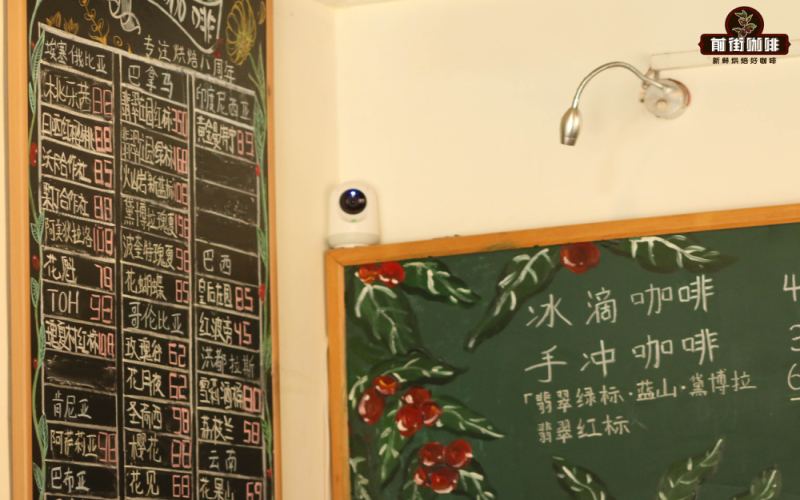
Which Ethiopian region does Hunkute coffee originate from? A full analysis of the flavor differences between Sidamo and Kenyan coffee
Ethiopia and Kenya on the African continent are the two most brilliant stars in the world of specialty coffee. Although the coffees of both places are known for their fruity acidity, they present themselves in completely different ways: Ethiopia's acidity is light, bright, clean, and refreshing, while Kenya's manifests as a full, thick berry-like juiciness. This article will explore in depth the regional origin of Flavor Queen coffee beans—Sidamo Hambela—and systematically sort out the regional characteristics of Yirgacheffe and Sidamo, the differences between Ethiopian heirloom varieties and Kenyan SL varieties, as well as their respective washed and natural processing methods. It also includes Front Street Coffee's roasting and brewing recommendations for beans from these two major regions, helping coffee lovers understand the charm of African coffee more clearly. [more…]
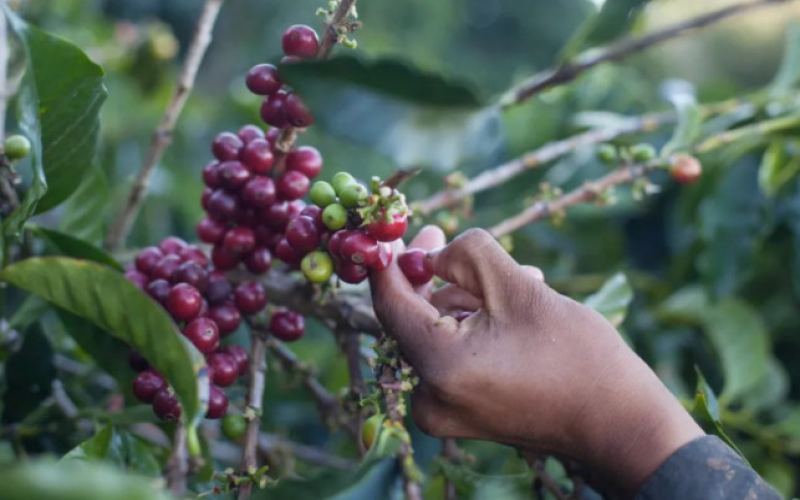
Tracing the Origins of Ethiopian Coffee Regions: Flavor Evolution and Pour-Over Techniques for Yirgacheffe and Sidamo
Ethiopia, the birthplace of coffee, has contributed countless exceptional single-origin coffees to the world over centuries. From the mysterious legend of Kaldi the shepherd to the unique Jebena clay pot brewing ritual; from the washing technique innovations of Yirgacheffe to the championship legend of Sidamo's Flower Queen coffee—this highland has always conquered coffee lovers' palates with citrus, jasmine aromas, and bright acidity. This article will guide you through the cultivation traditions of Ethiopian coffee, decode the flavor secrets of the two major specialty regions, Yirgacheffe and Sidamo, and include pour-over parameter recommendations for Front Street Flower Queen coffee beans. [more…]
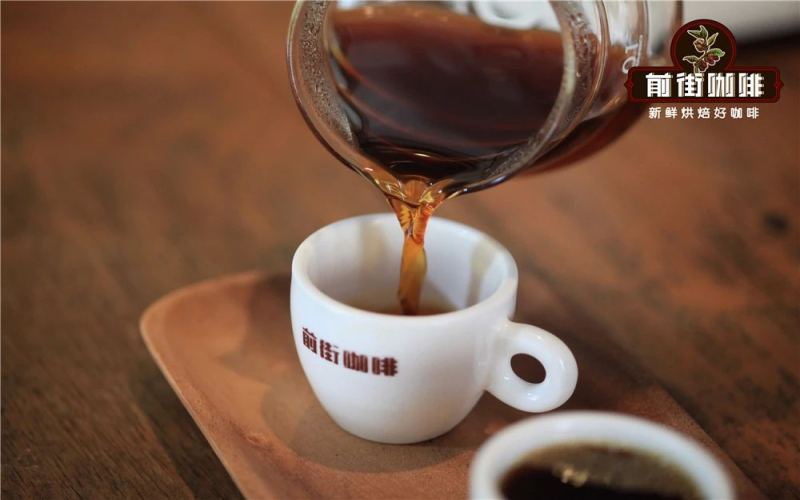
Ethiopia Sidamo Coffee Pour-Over Guide: Hunkute 8.0 Brewing Parameters and Flavor Analysis
Ethiopia, as the birthplace of Arabica coffee, has captured the hearts of many coffee lovers with its elegant floral aromas and citrus fruit notes, with the Sidamo and Yirgacheffe regions standing out in particular. From the perspective of Front Street Coffee, this article systematically reviews Ethiopia's coffee cultivation models and variety characteristics, delves into the historical origins behind the names Sidamo and Sidama, and focuses on how natural processing imparts coffee with fuller sweetness and fermented aromas. It then takes Front Street Coffee's Huakui 8.0 from the Guji Hambela region as an example, sharing a complete, replicable pour-over recipe—from grind size, water temperature control, and dripper selection to a three-pour technique—to help you consistently brew a rich layering of berry and cream flavors at home. [more…]
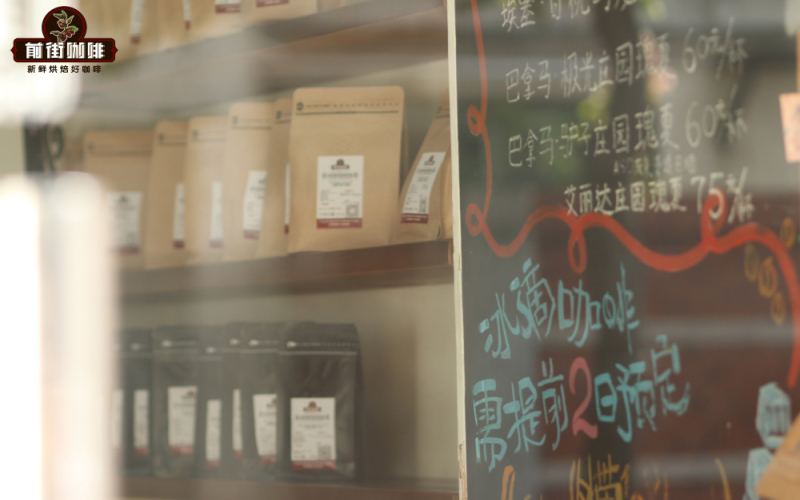
An In-Depth Analysis of the Connection Between Yirgacheffe and Flower Queen Coffee Beans: From the Sidamo Branch to a Full Overview of Flower Queen 6.0 Roast Flavors
Ethiopian coffee has always been the go-to choice for coffee enthusiasts, with Yirgacheffe and Sidamo being especially well-known. Yirgacheffe was once part of the Sidamo region, but later gained fame independently due to the introduction of the washed processing method, becoming renowned for its fresh and bright floral and citrus notes. The Huakui coffee beans from the Sidamo region, on the other hand, won the 2017 TOH competition with their rich strawberry cream flavor, thus starting the annual iterative "Huakui X.0" naming tradition. This article will sort out the relationship and differences between Yirgacheffe and Huakui coffee beans, explain in detail the roasting and taste characteristics of Huakui coffee beans, and share Front Street Coffee's cupping performance and brewing suggestions for Huakui 6.0, taking you through a comprehensive understanding of these two star Ethiopian coffee beans. [more…]
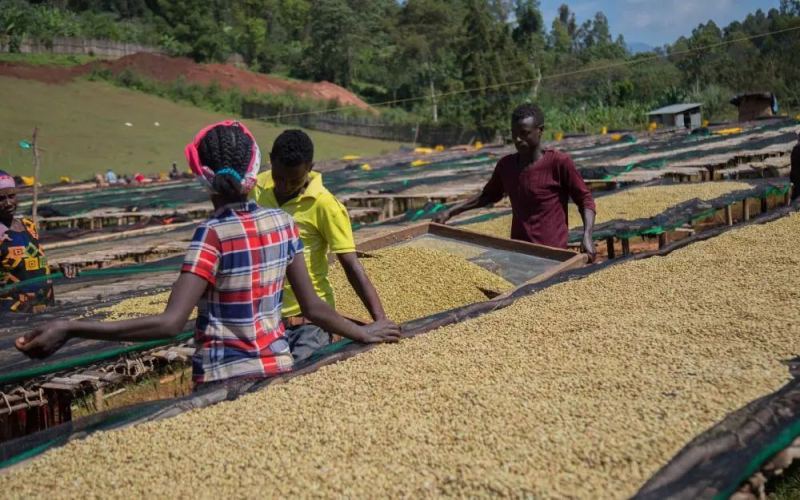
Ethiopia Guji Region Coffee Bean Varieties, Flavor Profile, and Pour-Over Parameters Detailed Guide
Guji is a specialty coffee region in Ethiopia that has attracted much attention in recent years, having become independent from Sidama thanks to its distinctive floral and fruity flavors. This article systematically reviews the geographical environment of the Guji region, the terroir characteristics of sub-regions such as Hambela, Shakiso, and Uraga, and focuses on the Front Street Huakui coffee beans that made Guji famous—from the natural processing method at the Buku Abel processing station to the complete parameters for V60 pour-over, helping coffee lovers gain a comprehensive understanding of this region's unique charm and brewing key points. [more…]

A Beginner's Guide to Drip Coffee Bags: Origin Story, Brewing Techniques, and Flavor-Boosting Secrets
For office workers who are short on time but refuse to settle for a mediocre cup of coffee, drip coffee bags are almost the ideal solution. They require no complicated equipment—just hot water and a cup are enough to complete the extraction—yet many people find in practice that the coffee they brew always turns out weak and lacking in aroma. This article will start with the origins of drip coffee bags, explain why they are called "hanging ear," analyze the reasons their flavor tends to be thin, and share the water temperature, coffee-to-water ratio, and staged pouring techniques that Front Street Coffee has summarized through actual brewing. In addition, it compiles three classic coffee beans suitable for making drip coffee bags, covering Yirgacheffe, Brazil Queen's Estate, and Sidamo Flower Kui, helping you easily obtain a richly layered cup of black coffee even at the office. [more…]
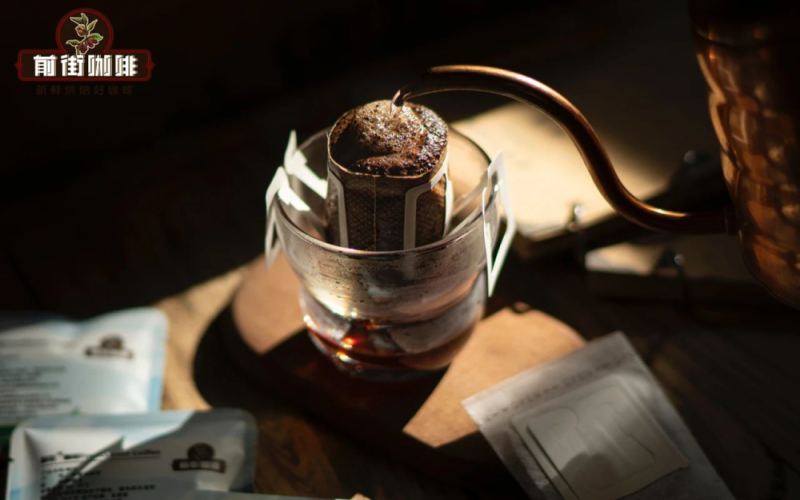
How to brew drip bag coffee so it tastes good? Front Street teaches you the correct brewing steps and the best flavor period analysis.
Drip bag coffee may seem simple, but brewing a delicious cup involves attention to water temperature, pouring technique, and the timing of when you drink it. In this article, Front Street Coffee will combine three drip bag products—Yirgacheffe Gutingting, Brazil Queen's Estate, and Sidamo Huakui—to explain in detail the correct brewing process for filter-style drip bag coffee, and answer common questions such as how long a drip bag can be stored after opening and the best time to drink it. At the same time, we will also help enthusiasts understand the flavor differences among different drip bag coffees from the perspectives of coffee bean processing methods and regional flavors, making everyday brewing more consistent and more delicious. [more…]
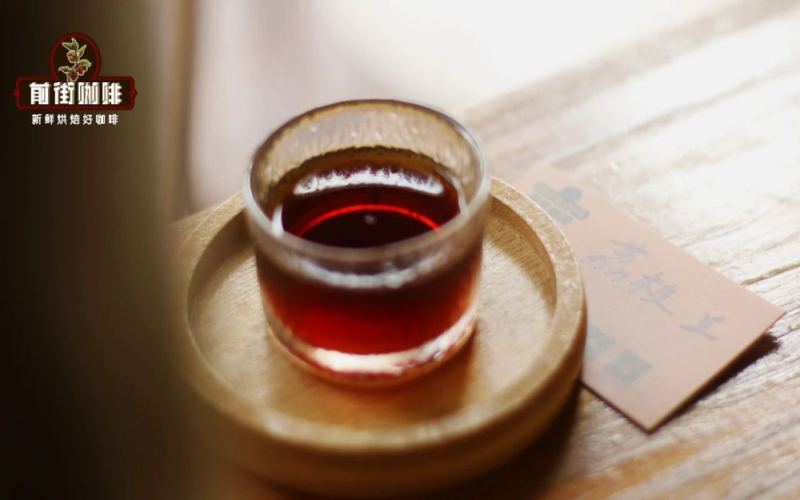
How different can the flavor be when the same coffee beans are brewed as pour-over versus Americano? A full analysis from extraction principles to taste layers.
Will the same coffee bean, when brewed with a pour-over and an espresso machine, ultimately present the same flavor? Many coffee lovers are curious about this question. In this article, Front Street Coffee starts from the principles of extraction, first clarifying the essential difference between pour-over coffee and Americano, then using the Ethiopian Sidamo Huakui 5.0 coffee bean as a sample to record the flavor performance of pour-over and espresso extraction respectively, and through tests with different water-to-coffee ratios, finds the optimal taste solution for Huakui SOE Americano. If you also want to understand the impact of the two brewing methods on coffee flavor, this content is worth a read. [more…]
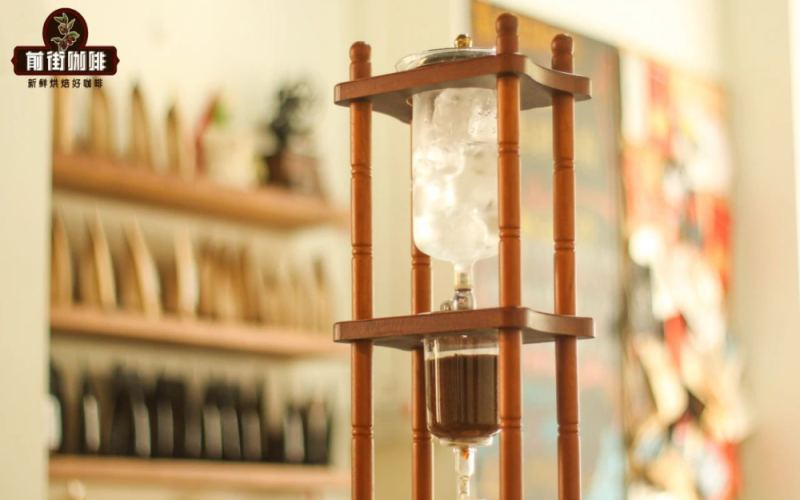
Ice Drip Coffee Flavor Characteristics and Complete Brewing Process, with Selected Front Street Coffee Light Roast and Dark Roast Bean Recommendations
Cold brew coffee is extracted through the slow drip filtration of ice water, presenting a rich, smooth, and full-bodied taste, and because of the low-temperature extraction, it is neither sour nor astringent and does not upset the stomach. Coffee beans of different roast levels bring completely different flavor expressions: the dark-roasted Front Street Mandheling, Front Street Huilan, and Front Street Cerrado are suitable for making cold brew with low acidity, strong aroma, and a clear sweet aftertaste; the light-roasted Front Street Floral Queen, Front Street Strawberry Candy, and Front Street Cherry Tomato can present a non-bitter, richly layered floral and fruity sweet-and-sour profile. This article will also introduce in detail the standard method for making cold brew coffee, including equipment preparation, coffee bed handling, drip speed control, and refrigerated oxidation and other key steps, to help coffee enthusiasts make a cup of outstanding cold brew coffee at home. [more…]
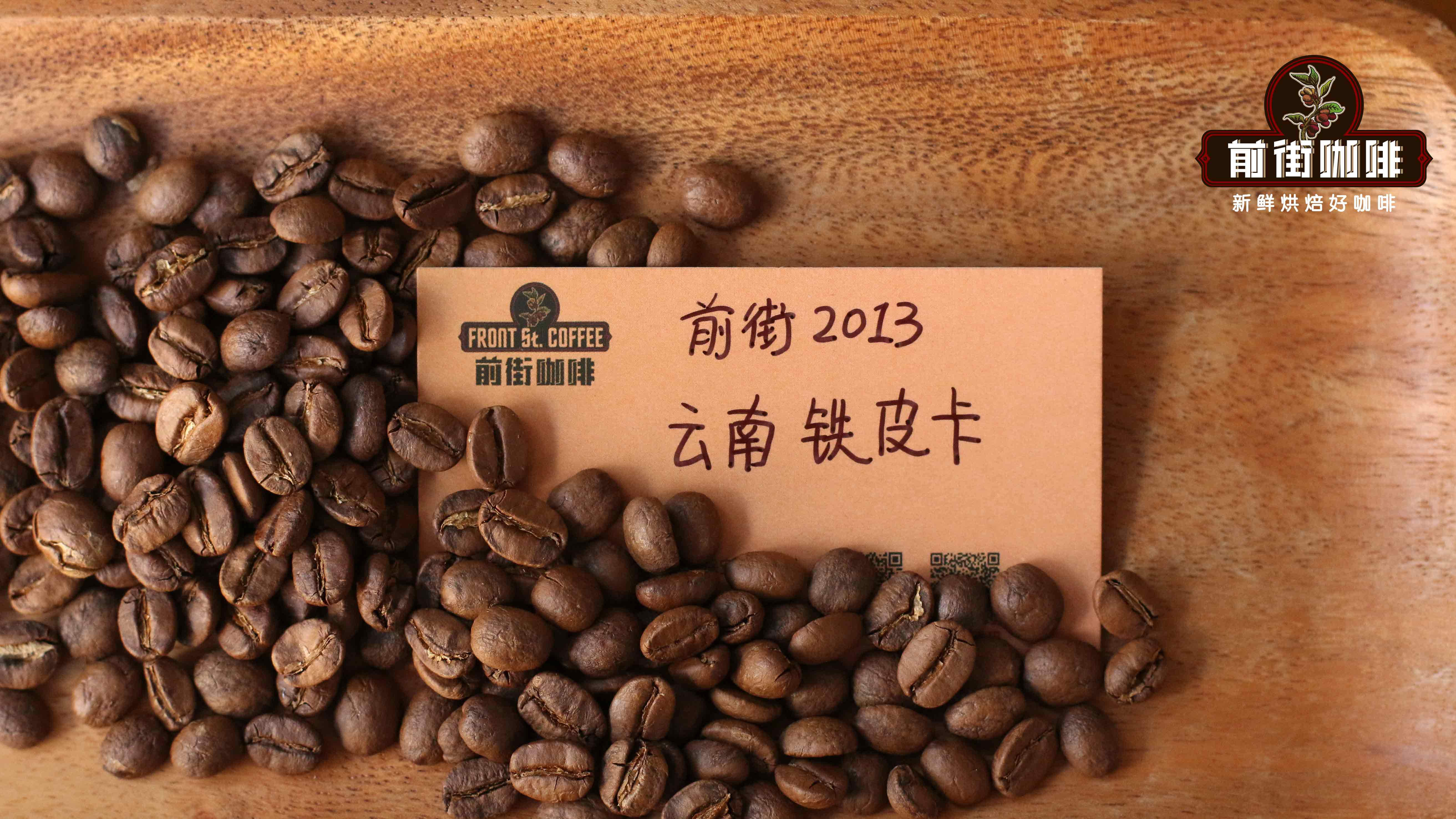
A Complete Analysis of Arabica Coffee Varieties: Typica Flavor Characteristics and Recommendations for Different Roast Levels
As the mainstay variety of specialty coffee, Arabica has given rise to numerous distinctive sub-varieties, among which Typica is one of the most representative ancient varieties. This article starts with the three major original species of coffee, providing a detailed introduction to Typica's origins, flavor characteristics, and cultivation challenges, and then extends to recommendations of representative coffee beans under different roast levels of Arabica. Whether you prefer the rich body of a medium-dark roast or the floral and fruity notes of a medium-light roast, the article offers specific Front Street brand product suggestions to help coffee lovers find the cup that suits their taste. [more…]
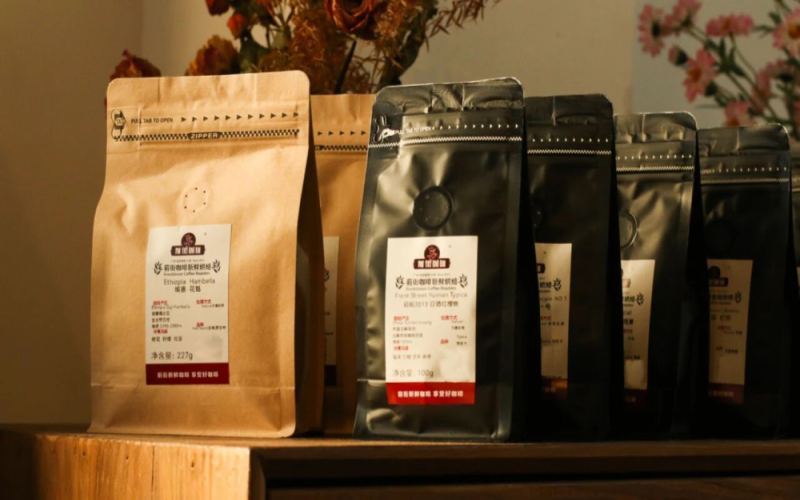
Ethiopia Sidamo Hambela Guji Flower Queen Coffee: A Complete Analysis of Variety Origin, Natural Process, and Brewing Flavor
Huakui coffee is a representative natural-process bean from the Hambela sub-region of the Sidama region in Ethiopia, and it rose to fame after winning the 2017 TOH competition. This article will systematically outline the full picture of this coffee from multiple dimensions, including the terroir of the producing region, varietal characteristics, processing methods, the origin of its name, and brewing methods, and will provide Front Street Coffee's extraction recommendations and flavor description to help coffee lovers gain a comprehensive understanding of Huakui coffee's unique charm. [more…]
A Complete Analysis of Sidamo Coffee Beans' Aroma and Taste: An Introduction to Pour-Over Flavor, Acidity, and Regional Characteristics
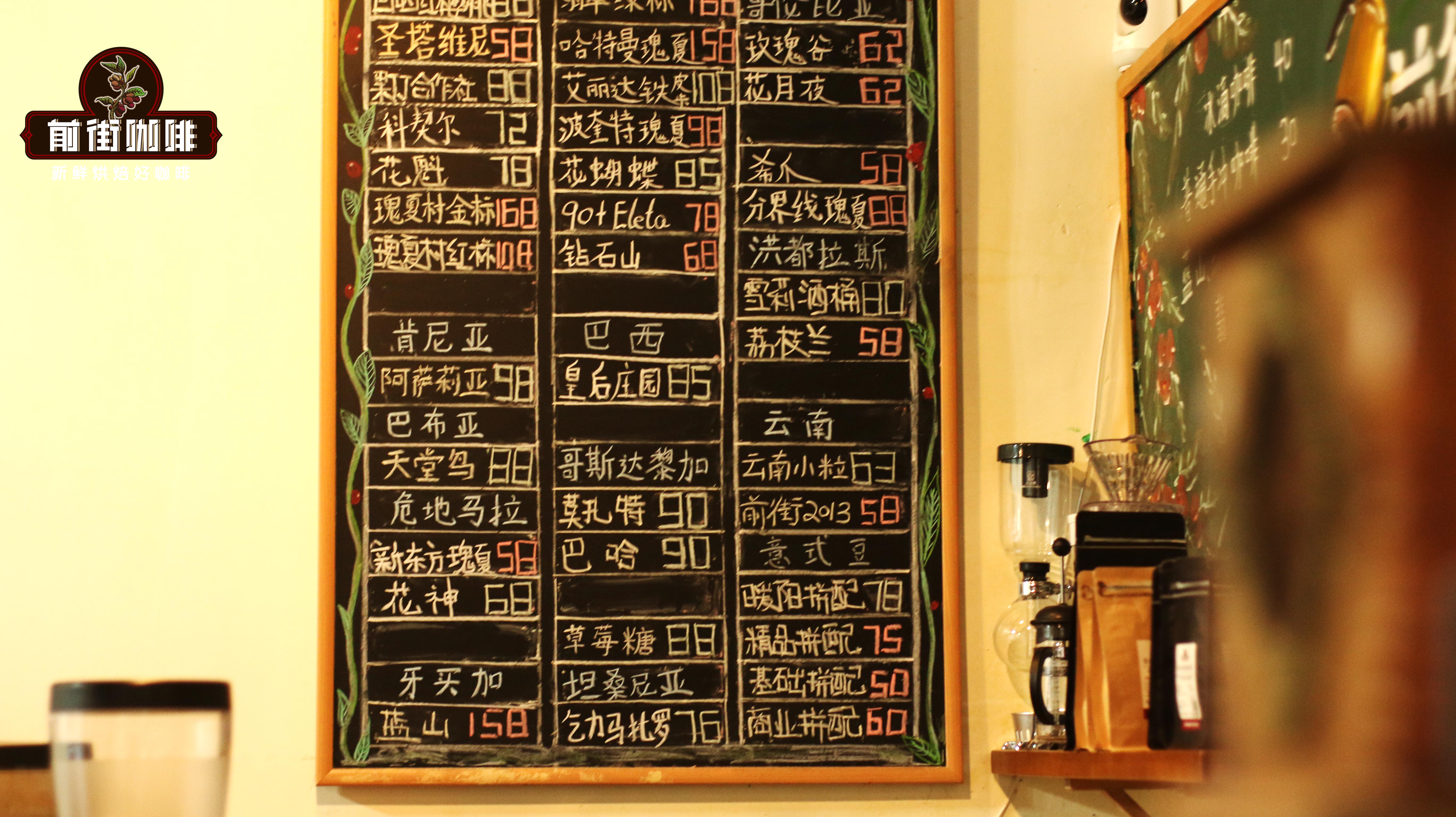
In Ethiopia, besides Yirgacheffe, the Sidamo region also produces highly representative specialty coffee. In this article, Front Street Coffee takes you deeper into Sidamo's geographical environment, flavor characteristics, and the aromatic differences brought by washed and natural processing. At the same time, it compares the pour-over performance of two light-roast natural Sidamos from Front Street—Arsi and Huakui 5.0—analyzing everything from parameters to flavor layers, helping coffee lovers more clearly understand this region's unique charm and acidity. [more…]
Ethiopia Guji Hambela G1 Natural Huakui New Crop Season: A Detailed Guide to Light Roast Flavor and Brewing Parameters
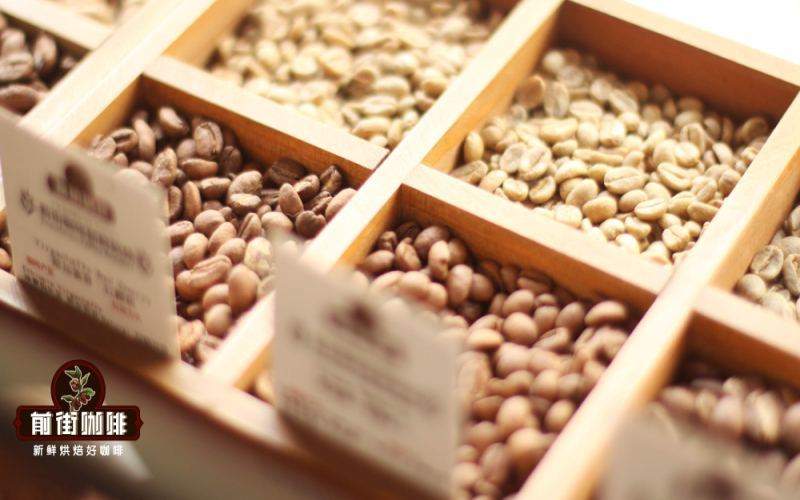
Ethiopian G1 represents the highest grade of green beans, but different regions and processing methods also lead to different flavor profiles. The Front Street Flower Queen G1 from the new crop comes from the Buku Abel processing station in the Guji Hambela region, where the natural sun-dried method gives the coffee rich tropical fruit notes. To showcase the floral and fruity aromas and acidity, a light to light-medium roast is used, with two separate curves matched for pour-over and SOE. This article compiles the brewing method for Front Street Flower Queen, the espresso extraction steps, and the flavor descriptions for both pour-over and SOE, for coffee lovers' reference. [more…]
Ice Drip Coffee Flavor Characteristics | What Are the Advantages of Cold Brew Coffee? Which Light, Medium, and Dark Roast Specialty Coffee Beans Are Recommended for Ice Drip, Cold Brew, and Iced Pour-Over Coffee?
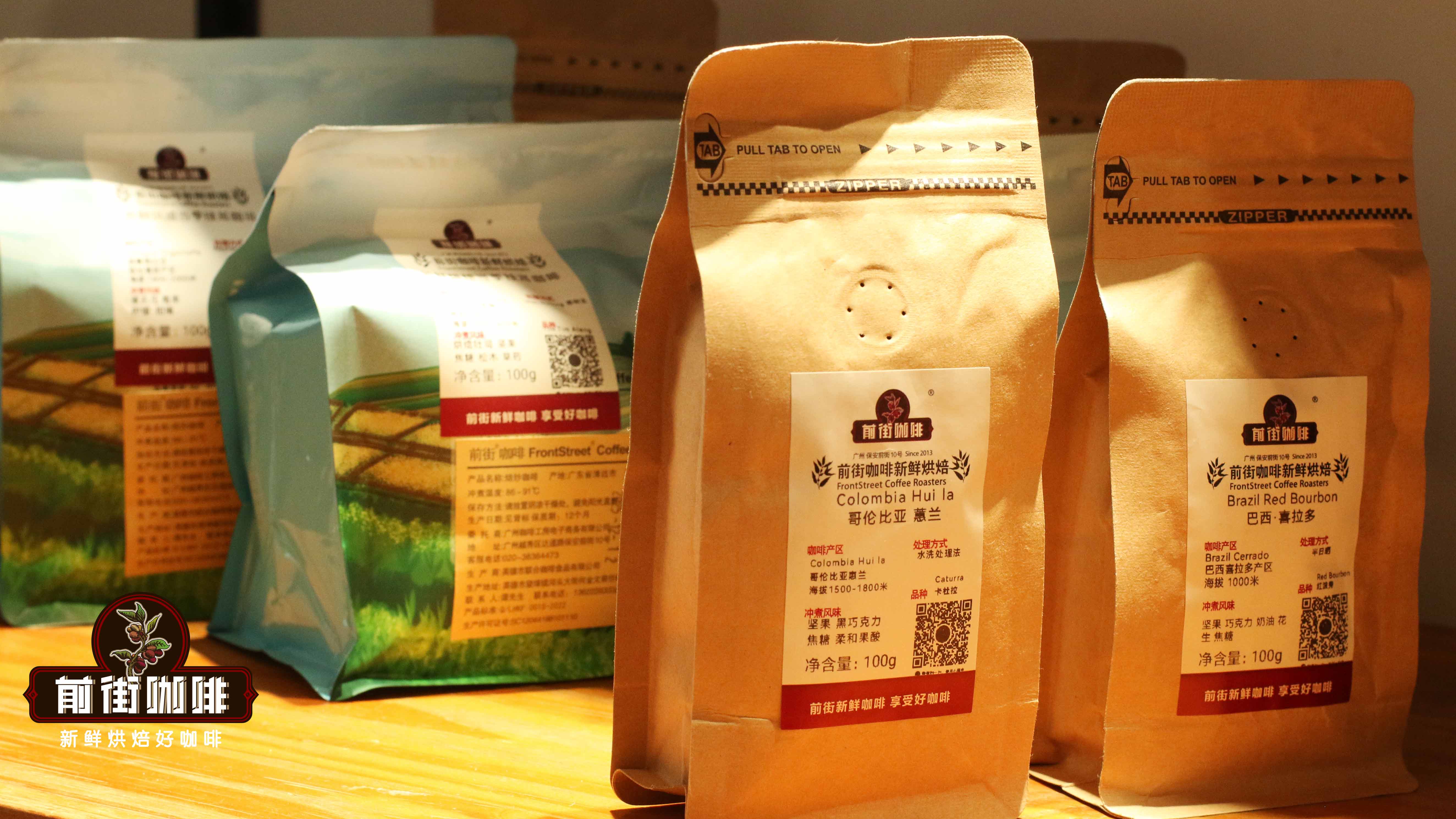
Cold brew refers to saturating coffee grounds with ice water until moistened, then slowly dripping through while adjusting the drip rate; the resulting coffee is aromatic, smooth, and full-bodied, with flavors that vary depending on the beans chosen. The advantages of cold brew coffee are that it is neither sour nor astringent and does not upset the stomach, because when coffee is made by this method, the selected [more…]