







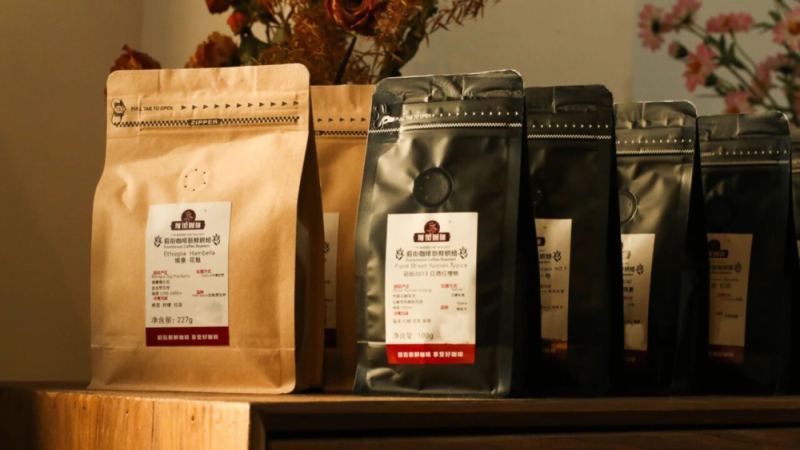
Why are Hambela Flower Queen beans sun dried?
Hambela Flower Queen coffee is a naturally processed Ethiopian bean from the Hambela sub-region of Sidamo, known for taking first place at the 2017 TOH competition. Grown at 2,250 to 2,350 meters from Ethiopian heirloom varieties, it shows medium acidity and sweetness, red berry, citrus, and a slight fermented fruit note with fruity wine aroma.
The beans are sun dried on raised beds for 21 continuous days, with frequent turning to keep cherries from molding or picking up soil and off-odors. Hambela sits at the highest altitude among Ethiopia's coffee sub-regions, and its 200-hectare farm employs 28 permanent workers, swelling past 700 at peak harvest, about 70 percent of them women.
Huakui Coffee is a representative naturally processed bean from the Hambela sub-region within the Sidamo region of Ethiopia, rising to fame as the champion of the 2017 TOH competition. This article will systematically examine the complete picture of this coffee from multiple dimensions including terroir, variety characteristics, processing methods, naming origins, and brewing approaches, while providing Front Street Coffee's extraction recommendations and flavor descriptions to help coffee enthusiasts gain a comprehensive understanding of Huakui Coffee's unique charm.
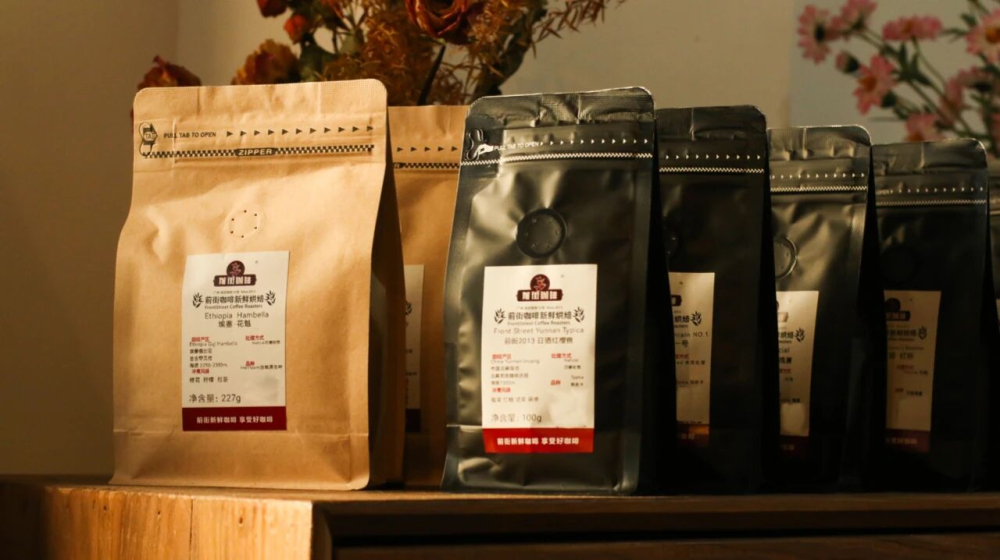
Front Street Huakui Coffee Beans
Region: Sidamo Hambela
Variety: Ethiopian Heirloom
Altitude: 2250~2350m
Processing Method: Washed
Roast Level: Medium Roast
Flavor: Medium acidity and sweetness, red berry sweetness, citrus aroma, slight fermented fruit notes, fruity wine aroma
Mouthfeel: Comfortable and interesting fruit acidity, good sweetness, relatively low body
Huakui Coffee originates from the Hambela area under the Guji region of Sidamo. Hambela falls under the administrative jurisdiction of Oromia State, located within the GUJI zone. To its west, it faces Yirgacheffe's Kochore across a continuous mountain range, with a plateau stretching approximately 3,200 meters in altitude and nearly 30 kilometers in width between them. Hambela's eastern, southern, and northern sides border the Guji sub-regions of Shakiso, Uraga, and Kercha respectively. In terms of altitude, Hambela is the highest among Ethiopia's coffee sub-regions (if considering major regions, Harrar holds the altitude record).
Hambella Farm covers a total area of 200 hectares, employing 28 permanent workers daily, with the workforce expanding to over 700 during peak harvest season, of which women account for 70%. The farm also implements a program that keeps local growers in close collaboration with agronomists and processing technicians to improve coffee quality. Additionally, besides selling its own beans, the farm also purchases and resells coffee from some surrounding farmers.
Huakui Coffee's Natural Processing Method:
Huakui Coffee beans follow the traditional natural processing method. To prevent coffee cherries from developing mold or absorbing undesirable odors like soil during the drying stage, the fruit is spread on raised drying beds and sun-dried continuously for 21 days. During this period, frequent turning is required to ensure even moisture loss for each cherry; every three to five days, farmers manually remove defective and moldy beans. Once the fruit skin dries and hardens, a hulling machine removes the dried fruit skin. After obtaining green beans, a final round of sorting is conducted to achieve the desired flavor profile.
This farm was co-founded by Aman Adinew and his brother Michael. Prior to this, Aman served as Quality Control Director at ECX (Ethiopia Commodity Exchange) and led the work of Ethiopia's first specialty coffee laboratory.
The Naming of Huakui Coffee:
What is the origin story behind Huakui Coffee? In 2017, the African Coffee Association held the TOH (the Taste Of Harvest) competition, and Ethiopia's DW Green Bean Company submitted this batch of naturally processed beans, which made a stunning debut by defeating multiple Geisha variety coffees to claim the championship. Subsequently, a domestic green bean trader imported this batch of naturally processed green beans and named it based on its champion status, and the name "Huakui" has been used ever since.
To highlight Huakui Coffee's rich floral and fruity notes including flowers, mango, jackfruit, citrus, and honey, Front Street uses a light roast. Light-roasted coffee beans have a less porous texture than dark-roasted ones, so for brewing, Front Street chooses a V60 dripper with a higher water temperature for extraction. The V60 dripper features spiral ribs connecting the top to the bottom, with a large circular opening at the center bottom that accelerates water flow; the spiral ventilation grooves extend the water flow path, allowing coffee grounds and hot water to interact more fully. Each stream of water converges toward the center of the dripper along the grooves, concentrating the pressure on the coffee grounds, ultimately extracting coffee with richer layers of flavor.
Dripper: Hario V60, Water Temperature: 91°C, Coffee Dose: 15g, Coffee-to-Water Ratio: 1:15, Grind Size: 80% passing through Chinese standard No. 20 sieve.
FrontStreet Coffee Three-Stage Extraction Method: First, use 30g of water to fully saturate the coffee bed into a "hamburger" shape and bloom for 30s; for the second pour, at 1'00" on the timer, pour water until reaching 125g, then stop and wait for the water level to drop to 2/3 of the coffee bed before pouring the third stage; for the third pour, at 1'40" on the timer, pour water until reaching 225g, and wait for the coffee liquid to fully drip through with a total extraction time of 1'59". Total brewing time is 2'00". After extraction is complete, gently swirl, and wait for the coffee liquid to be fully uniform before tasting.
Flavor Description
Naturally Processed Sidamo Huakui Coffee Flavor : Light fermented wine aroma, floral notes, citrus, mango; the mouthfeel is much richer and more complex, with honey sweetness and cocoa notes accompanied by some spice, full body and lasting finish.
The above content is compiled by CoffeeHunters, a coffee news website.


