







Search Results for: Front Street Coffee Flower Goddess
Guatemala Antigua Coffee Flavor Analysis: The Origin Story and Tasting Characteristics of La Minita Estate's Flower Goddess Coffee Beans
Guatemalan Antigua coffee is celebrated as one of the world's top coffees, and its unique volcanic terrain and climate conditions produce a rich, full-bodied cup with tobacco notes. This article will guide you through the historical origins of the Antigua region, how its geography influences coffee quality, and take a deep dive into the flavor characteristics and tasting points of La Minita Estate's Flower Goddess coffee beans. We'll also recommend related products from the Front Street Coffee brand, making this a thorough exploration of every aspect of this classic coffee for enthusiasts. [more…]
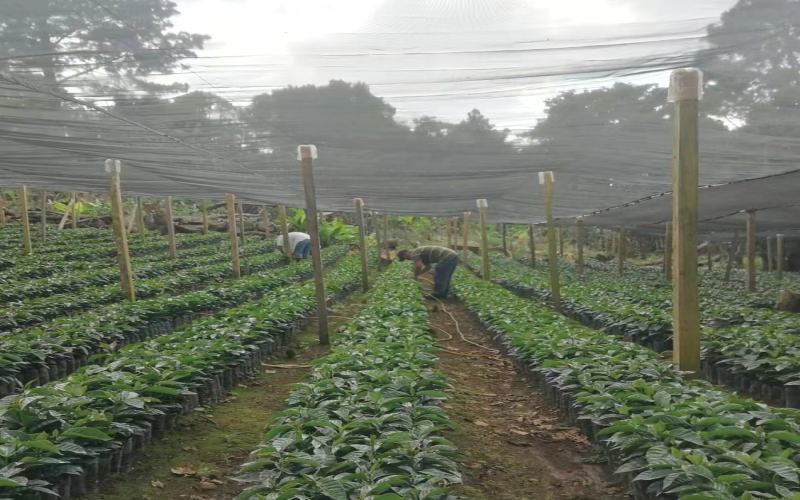
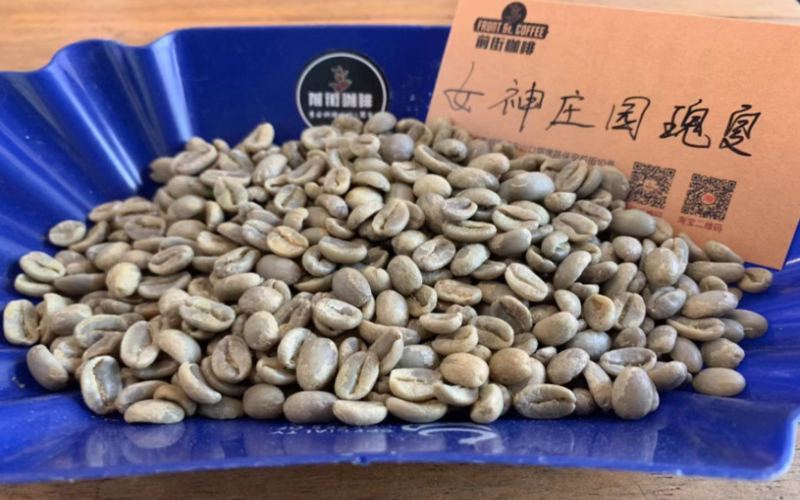
How to distinguish Bourbon and Caturra varieties? Analysis of the floral flavor of Guatemala Antigua Flower Goddess coffee
The Guatemalan coffee industry is facing cost pressures from climate change and the pandemic, and prices for the new crop season are expected to rise. This article focuses on the Flor del café beans from La Minita estate in the Antigua region, providing a comprehensive analysis of the bean's unique characteristics, from the terroir of the producing region and variety identification to the washed processing method and Front Street Coffee's roasting and cupping records. Flor del café uses two varieties, Bourbon and Caturra; the two have similar bean shapes but differ in the curvature of their ends. Through cupping, Front Street Coffee found that Flor del café has a faint white floral aroma and a slight smoky note, creating a pleasantly surprising taste experience. The article also shares V60 staged brewing parameters and flavor performance, suitable for coffee enthusiasts to gain a deeper understanding. [more…]
Costa Rica Tarrazu Dota Estate Geisha: A Complete Guide to Washed Processing Flavor Profile and Pour-Over Parameters
Located in the renowned Tarrazú region of Costa Rica, Dota Goddess Estate is famous for cultivating micro-lot Geisha varieties. The estate employs organic farming methods, using native trees for shade, and produces organic fertilizer from a mixture of coffee cherries and molasses, combined with California earthworms to improve the soil, developing a unique constant-temperature fermentation process. This article will take you deep into the Goddess Estate Geisha's origin background, variety lineage, washed processing flow, as well as the pour-over extraction recipe and flavor performance recommended by Front Street Coffee (FrontStreet Coffee), for a full experience of this bean's fresh charm woven with wild ginger flower and grapefruit. [more…]

An In-Depth Analysis of Costa Rica Dota Goddess Estate Geisha: Anaerobic Enzyme Washed and a Complete Flavor Record
This article focuses on the Dota Goddess Estate in Costa Rica's Tarrazú region, offering an in-depth analysis of the unique charm of its Geisha variety. From the terroir of the origin, the estate's history, to the anaerobic enzyme washed processing method, and on to green bean analysis, roasting curves, and cupping and brewing, it presents the complete flavor profile of this coffee. The Front Street Coffee roaster adopts a high-temperature fast-roast strategy to highlight its rose aroma, lemon, and honey sweetness. For pour-over, a V60 dripper is recommended, using staged extraction, ultimately yielding a cup of refreshing, sweet fruit tea. [more…]
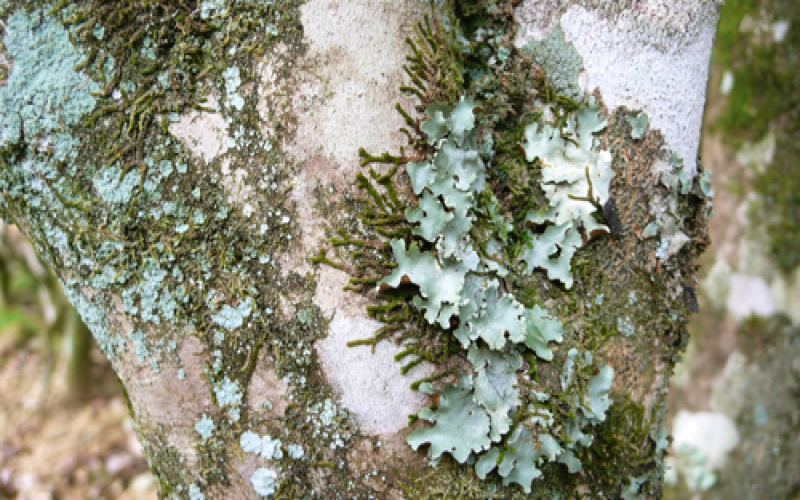
Comparative Analysis of Flavor Characteristics Between Phoenix Dancong and Tieguanyin: Are Anxi and Taiwan Tieguanyin the Same Variety?
Phoenix Dancong and Tieguanyin both belong to China's four great oolong teas, yet their flavor characteristics and production processes are vastly different. Phoenix Dancong is produced in Phoenix Town, Guangdong, and is known for its complex and intricate procedures and its unique single-bush harvesting method, making it difficult to produce in bulk; Tieguanyin originated in Anxi, Fujian, and as China's most representative oolong tea variety, its name derives from the Goddess of Mercy, and it was introduced to Taiwan by immigrants in the 18th century, forming two major production regions: Anxi and Taiwan. This article will compare the differences between these two oolong teas from multiple dimensions, including origin, craftsmanship, flavor, and brewing methods, and answer the question of whether Anxi Tieguanyin and Taiwan Tieguanyin are the same variety. It also includes practical brewing suggestions from Front Street Coffee to help coffee enthusiasts跨界 understand the subtleties of the tea world. [more…]
What difference does brewing Costa Rican Finca La Diosa Geisha with different water temperatures make to its flavor profile?
Front Street Coffee recently launched a Costa Rican La Pastora Estate Geisha. The beans are full of floral aroma, the green beans are pale green and elongated, and they smell of fresh bergamot and berries. To investigate how different water temperatures affect the flavor of these beans, we brewed them at 93°C, 92°C, 91°C, and 90°C, keeping all other parameters the same. The results showed that the high-temperature extraction had a fuller mouthfeel but relatively simple flavor layering, while the lower water temperatures presented a richer fruity tea-like quality and a refreshing mouthfeel. If you are also wondering what water temperature to use for Geisha, take a look at the detailed record of this comparative brewing. [more…]
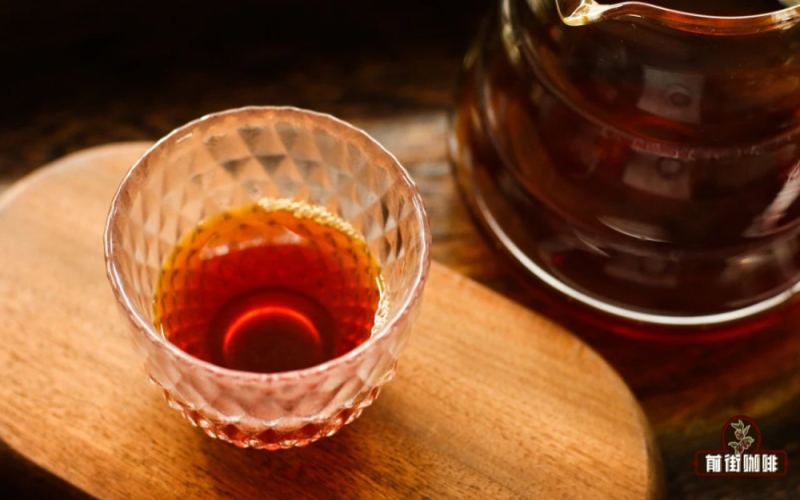
A Flavor Showdown of Coffee-Producing Countries: An In-Depth Review of Ten Specialty Coffees from Ethiopia to Yunnan
As one of the most popular beverages in the world, coffee's flavor expression is closely tied to the terroir of its origin. Coffee beans from different countries each have their own distinctive characteristics in terms of quality, aroma, and taste. This article selects representative coffee beans from ten major producing regions—including Ethiopia, Kenya, Guatemala, Panama, Colombia, Costa Rica, Brazil, Jamaica, and Yunnan, China—and analyzes each one's origin information, variety characteristics, processing methods, and brewing flavor. Whether you prefer bright fruity acidity or are fond of rich, nutty notes, this roundup will help you find your ideal choice. [more…]
Why Is Geisha Coffee So Expensive? Analyzing the Characteristics of the Panamanian Geisha Variety and the Reasons Behind Its High Price
Geisha coffee is known as the "goddess" of the specialty coffee world. Its intense floral and fruity aroma, bright acidity, and lingering aftertaste attract countless enthusiasts. However, Geisha often sells for astronomical prices, and a single cup is hard to come by. This article will guide you through the origin and characteristics of the Geisha variety, analyze the multiple reasons behind its persistently high price, and recommend related products from Front Street Coffee, giving you a comprehensive understanding of this rising coffee star. [more…]
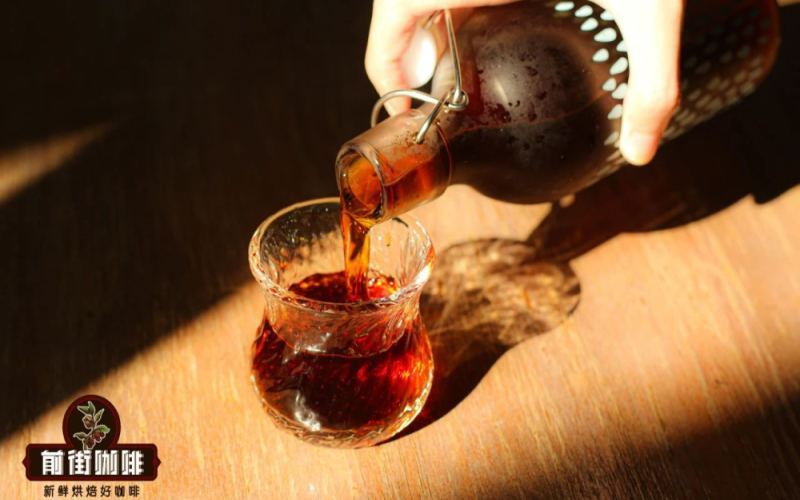
What exactly is cold brew iced coffee? An analysis of the flavor characteristics of low-temperature extraction and a complete brewing method
Cold Brew Coffee has become a highly favored beverage among coffee enthusiasts in recent years. It involves steeping ground coffee in cold or ice water for an extended period of 8 to 24 hours, with no hot water involved throughout the process. Unlike common iced coffee, cold brew is not made by cooling hot coffee with ice, but rather completes the extraction in a low-temperature environment from start to finish. This method significantly suppresses the release of acidity and bitterness, resulting in a coffee liquid that is sweeter, fuller-bodied, and cleaner in taste. The final flavor profile of cold brew depends largely on the origin and processing method of the coffee beans selected—African beans often bring bright fruity acidity and a tea-like sweetness in the finish, while Central and South American beans tend toward softer nutty and caramel notes, and Asian beans, whose full-bodied compounds are less easily extracted at low temperatures, present a relatively understated character. This article will systematically outline the complete picture of cold brew iced coffee, from its definition, taste, and flavor differences to specific brewing steps, along with recommendations for related bean selections from Front Street Coffee. [more…]
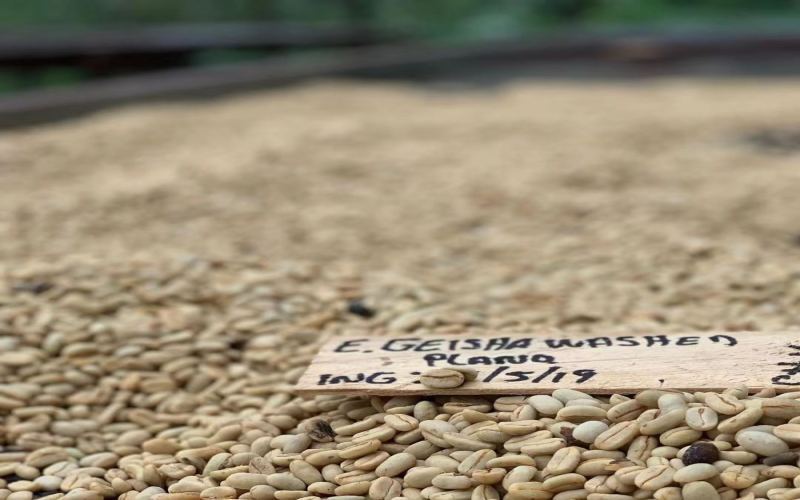
Exploring Costa Rica's Tarrazú Dota Region: A Comprehensive Analysis of Micro-Lot Geisha and Hacienda La Esmeralda Auction Geisha
Geisha and Yirgacheffe are actually the same type of coffee, transliterated from Japanese. This article begins with the red, green, and blue label classifications of Panama's Hacienda La Esmeralda, sorting out its strict quality control and auction lot standards, and tracing Geisha's legendary path from the forests of Ethiopia to Kenya, Tanzania, Costa Rica, and then to Panama, where it rose to fame. It also delves into Gesha Village to explain the variety differences between Gori Gesha and Gesha 1931, the meanings of the OMA and SURMA block numbers, and the traceability system for natural process lots. Finally, it presents complete information on three products launched by Front Street Coffee: Ethiopia Gesha Village Natural, Panama Hacienda La Esmeralda Red Label Washed, and Costa Rica Tarrazú Dota Goddess Estate Geisha. [more…]
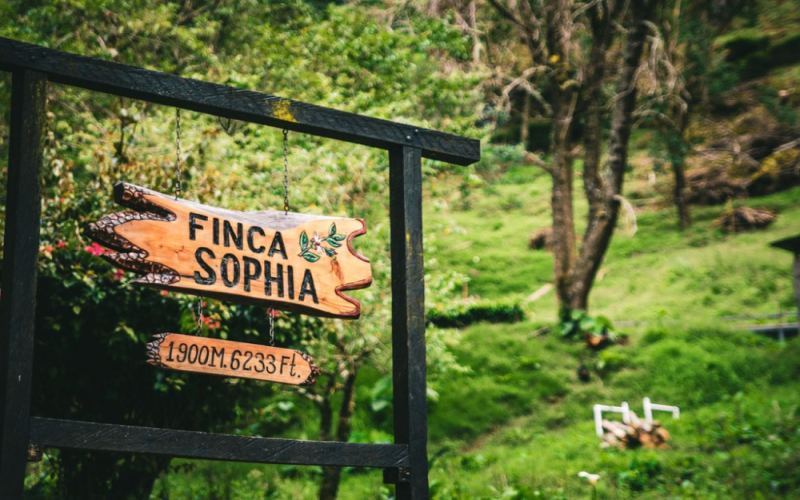
The Geisha Legend of Sofia Estate: Flavor Secrets from High-Altitude Cultivation to BOP Champion
In the brilliant starry sky of Panama's specialty coffee, Finca Sophia is a particularly dazzling new star. Founded in 2008 by coffee expert Willem Boot, this estate, with its ultra-high-altitude growing environment and extreme pursuit of the Geisha variety, won the washed category championship on its first participation in the BOP competition in 2017, and in 2020 won the washed category championship again as well as second place in the natural category. This article will delve into the background story, cultivation challenges, and terroir conditions of Finca Sophia, and present a detailed flavor description and brewing suggestions for the 2022-crop natural Geisha sold at Front Street Coffee stores, unveiling the unique charm of this top-tier Geisha for you. [more…]
A Detailed Guide to Single-Origin Coffee Classification: A Comprehensive Analysis of Flavor Characteristics Across Major Producing Regions from Africa to the Americas and Differences in Coffee Shop Flavors
Have you ever walked into a specialty coffee shop, faced the dazzling array of single-origin coffees on the menu, and felt at a loss where to begin? Single-origin coffee refers to coffee made from beans sourced from a single origin, and it can be traced back to a specific region or even estate. This article will systematically sort through the representative single-origin coffees from major producing regions such as Africa, Central and South America, and Asia, introduce Front Street Coffee's rigorous process from roasting curve testing to cupping selection, and present the flavor descriptions of coffee beans from each region one by one, helping you find the cup that best suits your taste. [more…]
Why Is Geisha Coffee So Expensive? A Comprehensive Analysis from Variety Origins to Brewing Methods
Geisha coffee is known as the goddess of the specialty coffee world, and its bright, complex floral and fruity aromas and multi-layered sweetness have captivated countless coffee lovers. However, the price, often thousands or even tens of thousands of yuan per kilogram, is also prohibitive. What exactly makes Geisha so expensive? From its discovery in an Ethiopian forest in 1931, to the rise of Hacienda La Esmeralda in Panama, to record-breaking bids at the Best of Panama auction, every step of Geisha's journey is full of legend. This article will give you an in-depth understanding of Geisha's varietal characteristics, cultivation requirements, and the reasons behind its price, and will also include practical pour-over brewing suggestions from Front Street Coffee, so that you can gain a comprehensive understanding of this top-tier coffee. [more…]

An Analysis of the Flavor Characteristics of Guatemalan Coffee Regions and a Guide to Pour-Over Brewing Parameters
Guatemala's intertwined volcanic geology and tropical rainforests create microclimates that nurture coffees of remarkable complexity and elegant acidity. The country is divided into seven major producing regions, including Antigua, Cobán, and Atitlán, among which Antigua's smoky character and the Pacamara variety from El Injerto stand out in particular. The Flor coffee beans offered by Front Street Coffee come from the La Minita estate in Antigua, combining citrus and honey notes with a signature smokiness. This article will examine the terroir, history, and variety characteristics of each region one by one, and include the V60 three-pour hand-brewing method favored by Front Street Coffee's baristas, offering enthusiasts a complete reference from bean to cup. [more…]
Geisha Coffee Flavor Analysis: Varietal Characteristics and Brewing Recommendations from Panama to Colombia
Geisha coffee is hailed as the goddess of the coffee world, renowned worldwide for its intense floral aroma, citrus and berry notes, and delicate acidity. From the wild forests of Ethiopia to its stunning debut at Hacienda La Esmeralda in Panama, and then to its successful introduction in Colombia's Huila region, Geisha has traveled a legendary journey spanning nearly a century. This article will provide a comprehensive analysis of Geisha's varietal characteristics, growing environment requirements, and flavor expression, while also offering an in-depth introduction to the Hanami Geisha blend coffee beans from Montenegro Estate in Colombia's Huila region. At the same time, Front Street Coffee will share its roasting approach and brewing parameters for this bean, helping coffee enthusiasts better appreciate Geisha's unique charm. [more…]
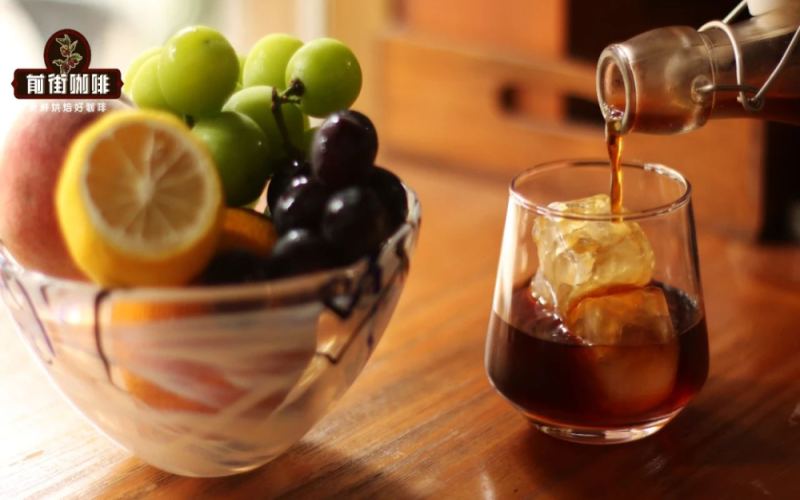
Cold Brew Coffee Recipe | Which single-origin coffee beans are suitable for cold brew? What are the taste differences between cold brew coffee, cold brew coffee, and iced pour-over coffee?
As soon as summer arrives, for coffee lovers, nothing is better than a refreshingly icy cold coffee. If you reject high calories, care about mouthfeel and lingering finish, and love to explore and try new things, in summer you can try the goddess-level drinks in the iced coffee world, "Ice Drip Coffee" and "Cold Brew( [more…]
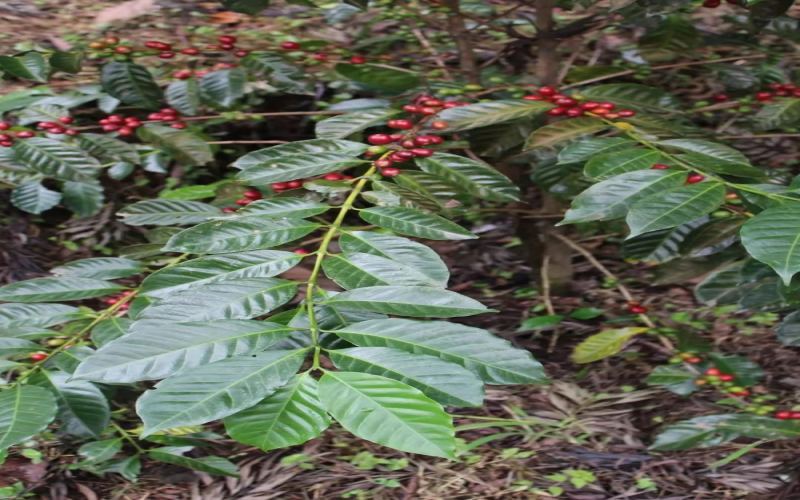
Ethiopia Gesha Village vs. Panama Geisha: Variety Origins, Flavor Differences, and Pour-Over Parameters Explained
Since its discovery in the Geisha forest of Ethiopia in 1931, the Geisha variety has journeyed through Kenya, Uganda, Tanzania, and Costa Rica, ultimately rising to fame at Hacienda La Esmeralda in Panama. But although both are called Geisha, what exactly are the differences between coffee produced in the Panama region and that from Gesha Village in Ethiopia in terms of terroir conditions, flavor expression, and brewing strategies? This article will systematically trace the variety's propagation path, compare the green bean characteristics, roasting curves, and cupping performance of Hacienda La Esmeralda, Elida Estate, and Janson Coffee Farm in Panama with Gesha Village in Ethiopia, and include detailed pour-over parameters from Front Street Coffee to help coffee enthusiasts fully understand the differences between these two iconic growing regions. [more…]
What's the difference between Tieguanyin and Red Oolong? Understanding everything from fermentation level and flavor to charcoal roasting features at a glance
Tieguanyin and Red Oolong both belong to the oolong tea family, yet due to differences in fermentation degree and tea-making craftsmanship, they present截然不同的 flavor profiles. This article approaches the comparison from three dimensions—sweetness type, level of fermentation, and tea liquor color and acidity—comparing the aroma, taste, and characteristics of the dry leaves and brewed tea of each, while also analyzing the unique growing conditions and production traditions of Taiwanese oolong tea. The article also introduces the origin of the name Tieguanyin and its cultivation situation in Taiwan, and recommends related products from Front Street Coffee for the reference of coffee and tea enthusiasts. [more…]
Indonesian LazuNa Coffee: From a Favorite of European Royal Courts to a Rare Arabica on the Brink of Extinction
On the highlands of Sumatra, Indonesia, grows a coffee that once captivated the European royal courts—Lasuna. Over four hundred years ago, the Dutch introduced this Arabica variety to Indonesia, and from then on, under the name "Traveler's Coffee," it journeyed across the oceans to become an expensive beverage that swept Europe for two centuries. Yet times have changed, and today pure-blooded Lasuna survives only on about 500 hectares of farmland in the Takengon region, where the trees are all over half a century old, sustained by manual harvesting and traditional Dutch processing methods—the last vestige of its lineage. According to the Indonesian Coffee Association, this variety may vanish entirely within twenty years. Front Street Coffee takes you deep into this rare bean, which combines caramel sweetness, chocolate aroma, and a delicate oily mouthfeel, so you can experience its unique charm—rich, mellow, and with a long, lingering finish. [more…]
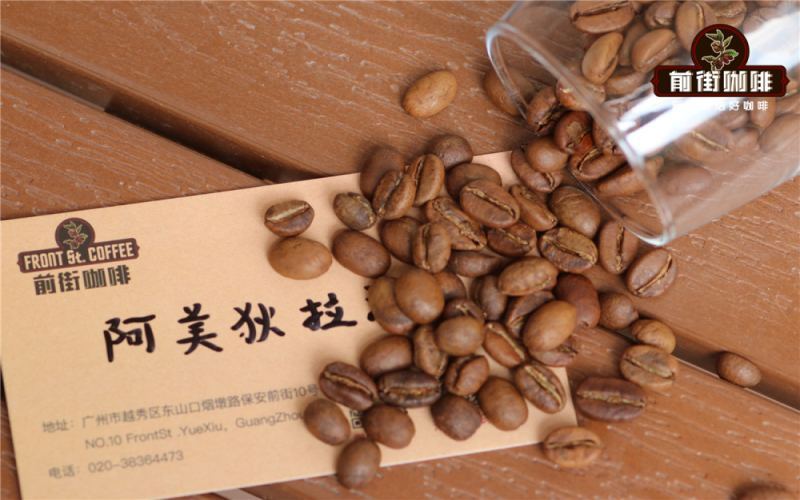
Africa Double Champion Front Street Amadelaro: A Complete Flavor Analysis of the Ethiopian Anaerobic Slow-Drying Process
At the Amederaro processing station, perched at 2,200 meters above sea level, an Ethiopian coffee bean known as Front Street Amederaro is born. It undergoes anaerobic slow drying: after harvesting, only fully ripe cherries are carefully selected and slowly fermented in an oxygen-free environment, ultimately revealing a complex flavor profile with top notes of passion fruit, interwoven with honey and champagne nuances, a full-bodied juice-like mouthfeel, and a subtle hint of rose tea. This bean clinched consecutive victories in the 2019/20 TOH national competition and the African regional finals, rightfully earning the title of "Double Champion." Meanwhile, the Worka cooperative in the Yirgacheffe region has also introduced an anaerobic natural batch, offering a refreshing blend of floral notes with mango and lemon, perfect for summer enjoyment. This article will thoroughly dissect the processing techniques, flavor dimensions, and competition background of Amederaro, along with recommendations for other specialty-processed beans from the same region. [more…]