







Search Results for: Fresh Extracted Coffee

McDonald's Fresh Brewed Coffee Discontinued Nationwide, Fresh Extract Coffee Takes Over and Sparks Heated Discussion
After years of accompanying countless consumers, McDonald's Fresh Brewed Coffee is set to officially leave the menu on February 4. Once the news broke, McDonald's fans expressed their reluctance to see it go. The company quickly announced that Freshly Extracted Coffee would take its place, but the new offering retains the same drip-brewing process and configuration of creamer and sugar packets, drawing criticism that it's "a new name for the same thing." Behind this adjustment may lie McDonald's deeper intention to promote its McCafé brand. For consumers, the real concerns are whether the price will rise and whether free refills will continue. This article sorts through the ins and outs of the event to walk you through the whole story of this coffee menu change. [more…]
Analysis of the Reasons for Overly Sour Pour-Over Coffee and Adjustment Methods: Is It Normal for Fresh Beans to Taste Sour?
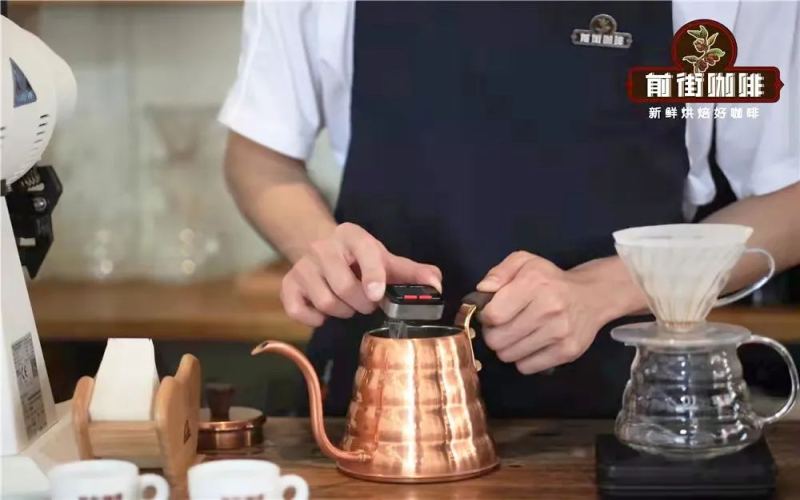
Pour-over coffee tasting too sour is a common problem encountered by many enthusiasts. This article starts from a real case—a customer brewed Yirgacheffe with 86℃ water and ended up with a sharp sourness, while Front Street Coffee's version was balanced and smooth—and takes a deep dive into how water temperature affects extraction: the higher the temperature, the more substances are extracted and the more the coffee leans sweet and bitter; the lower the temperature, the less is extracted and the more pronounced the sourness. The article points out that when brewing light-roasted beans such as Front Street Coffee's Yirgacheffe, a water temperature of 91℃ is usually recommended. In addition, it explores whether it is normal for fresh coffee beans to have a sour taste, and offers practical adjustment ideas to help you find the brewing parameters that suit you. [more…]

How to Make Milk-Brewed Coffee? From Bean Selection to Cold Brew, Front Street Shares a Practical Guide to Milk-Extracted Coffee
When water can no longer satisfy coffee enthusiasts' desire for exploration, milk becomes a new extraction medium. Is it reliable to brew pour-over coffee with milk? The answer is no—milk has high saturation, weak extraction power, and proteins denature when heated above 70 degrees. But with a different approach, cold-brewing milk coffee by soaking coffee grounds in milk at low temperature is entirely feasible: low temperatures won't spoil the milk, and the extended soaking time exactly compensates for the lack of extraction efficiency. This time, Front Street Coffee selected the medium-dark roasted Sunflower Warm Sun blend, paired with Guangming Fresh Pasture fresh milk, using a 1:8 coffee-to-milk ratio and soaking at low temperature for 12 hours, ultimately obtaining a cup of milk-brewed coffee with sherry wine aroma and chocolate milk flavors. Let's take a look at the specific steps and key details below. [more…]

Espresso with little or no crema? A step-by-step analysis of the causes, from freshness and roast level to extraction parameters.
The golden layer of crema on the surface of espresso is often regarded as an important signal for judging the state of extraction. Under normal circumstances, the concentrated liquid will be covered by a golden crema about one-third of its thickness, showing a creamy texture when swirled, with noticeable clinging to the cup wall. If the extracted coffee lacks crema or has thin crema, it often indicates that something in the process has gone wrong—it could be the condition of the coffee beans themselves, or deviations in machine pressure, grind size, or water temperature. This article analyzes multiple factors affecting the amount of crema, including coffee bean freshness, roast level, degree of extraction, coffee machine pressure, and varietal differences, and provides diagnostic approaches for five common problem scenarios. The article also introduces Front Street Coffee's related products in fresh roasting and espresso blends. [more…]

Espresso Crema | What Factors Affect Crema Thickness? Recommended Specialty Coffee Beans for Rich Crema in Espresso Extraction
Some friends often ask us for advice on espresso extraction issues. Many of them have encountered situations where the espresso shot lacks golden crema or the crema is thin. Since for espresso, that golden crema is its very soul, when the coffee has no crema [more…]
Espresso Crema | What Is Crema in Espresso? What Coffee Information Can the Crema on an Espresso Reveal?
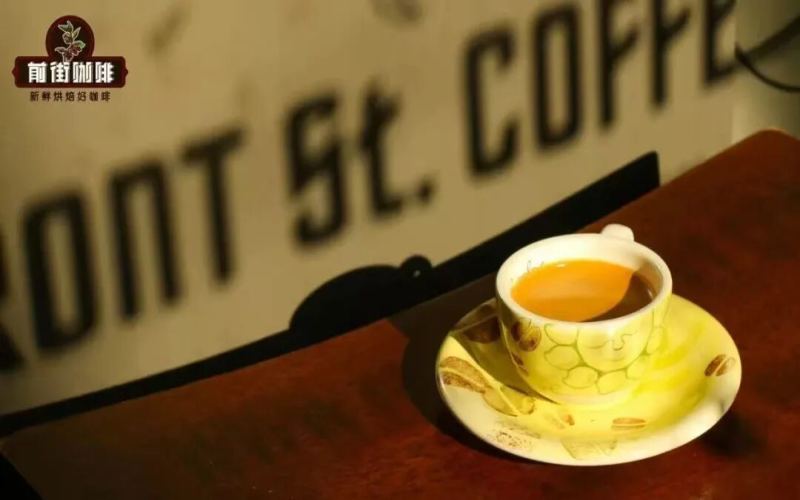
As is well known, the coffee extracted from an espresso machine is not only very rich and intense, but also comes with a layer of golden crema. Because this layer of crema gives the coffee a rich aroma and a smooth, dense mouthfeel, and is also a product unique to espresso, people often call it the soul of espresso. But... [more…]

Espresso Crema | Why does espresso have a layer of crema? Can the crema tell you if an espresso is good or bad?
You often hear people say, "To judge whether an espresso tastes good, just look at the crema. The best espresso has a crema that is fine, thick, and golden." But can you really judge whether an espresso tastes good by the state of its crema? To find out whether this method works, Front Street only needs to give everyone two questions. [more…]
Moka Pot with Espresso Beans Recommendation | Is a Moka Pot or Espresso Machine Better for Light or Dark Roast Beans? Why Freshly Roasted Coffee Beans Are Essential for Espresso
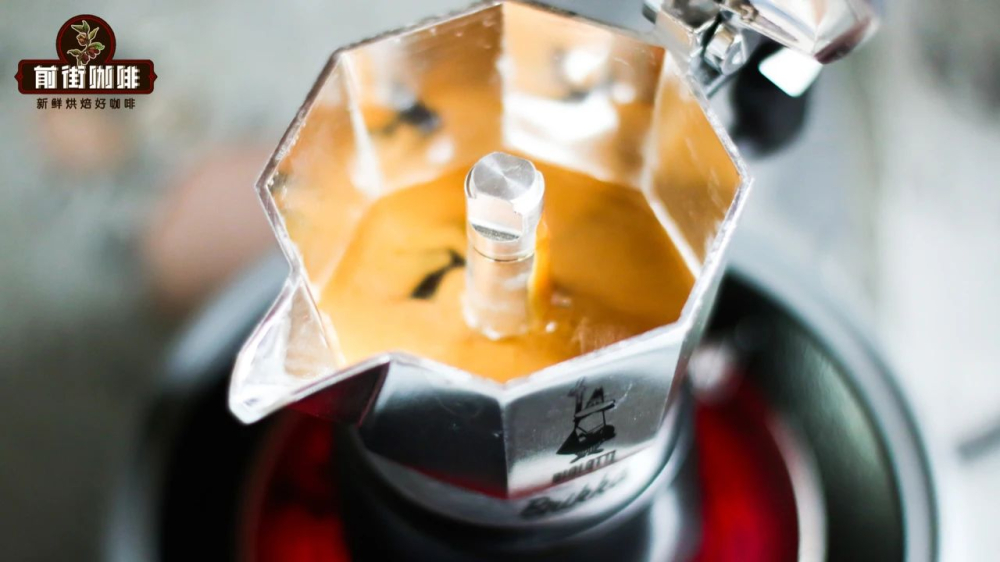
For many beginners, due to the extraction process, both moka pots and espresso machines may require trying several different coffee beans before gradually finding the ideal coffee. Although the grinding, coffee bean type, extraction process, and other mechanisms involved in making true espresso all affect the brewing result [more…]
The Reasons Behind the Rising Popularity of the Moka Pot and a Full Guide to Brewing with Fresh Milk
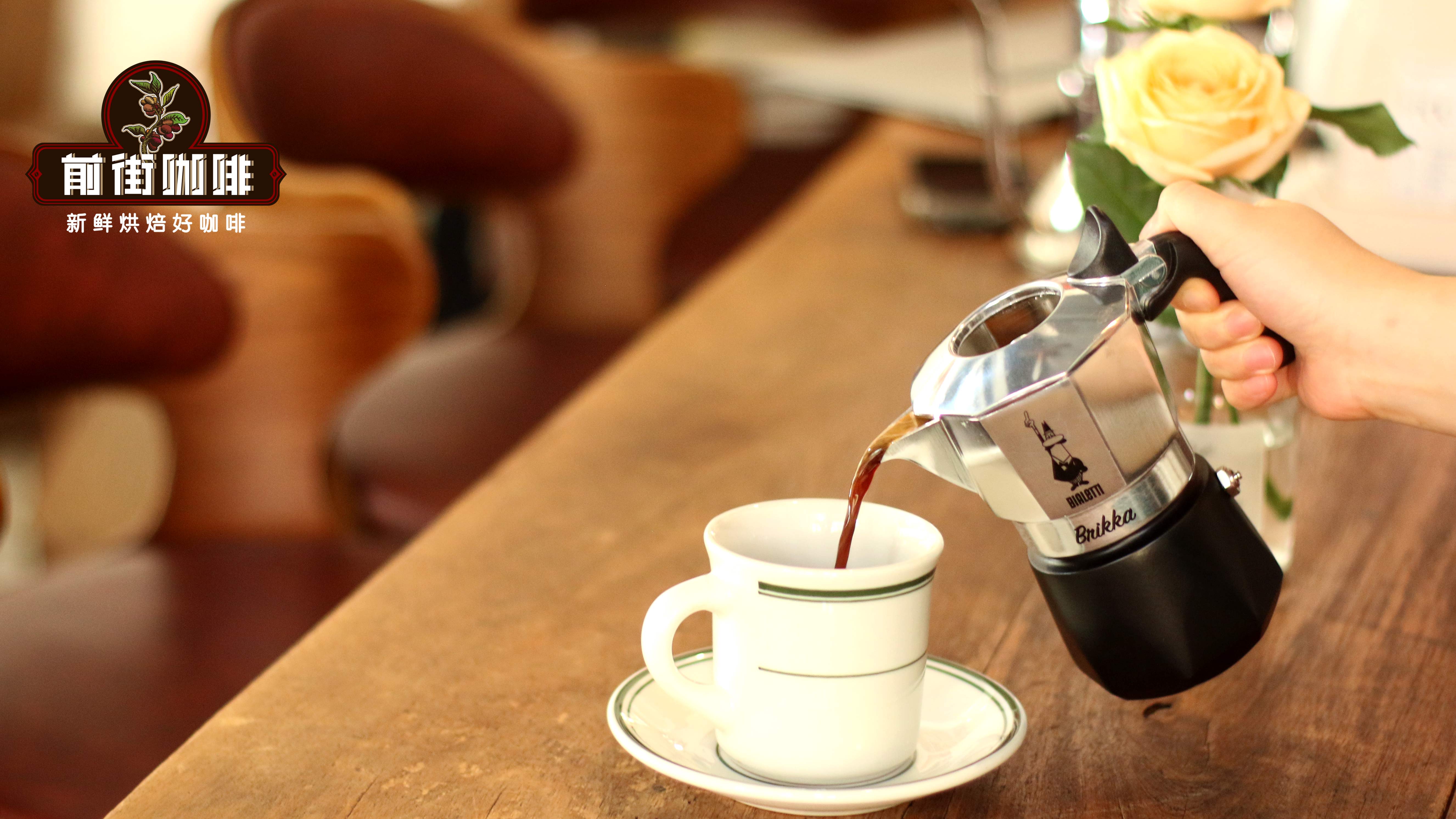
In recent years, the popularity of the moka pot among domestic coffee enthusiasts has continued to climb. This classic device, born in 1933, has become the top choice for many people making espresso at home thanks to its compact, portable design and affordable price. Front Street Coffee has observed that the top four best-selling moka pots in online stores together sell over 2,000 units per month, a remarkable result for coffee equipment in the several-hundred-yuan range. Coffee brewed in a moka pot is thick and carries oils, and can be drunk directly, used as a base for Americanos and lattes, or even used to attempt latte art. This article will systematically sort out the key points of using a moka pot, from the advantages of the device, coffee bean selection, and grind size control to specific brewing parameters, and will answer the common question of whether fresh milk can be added. [more…]
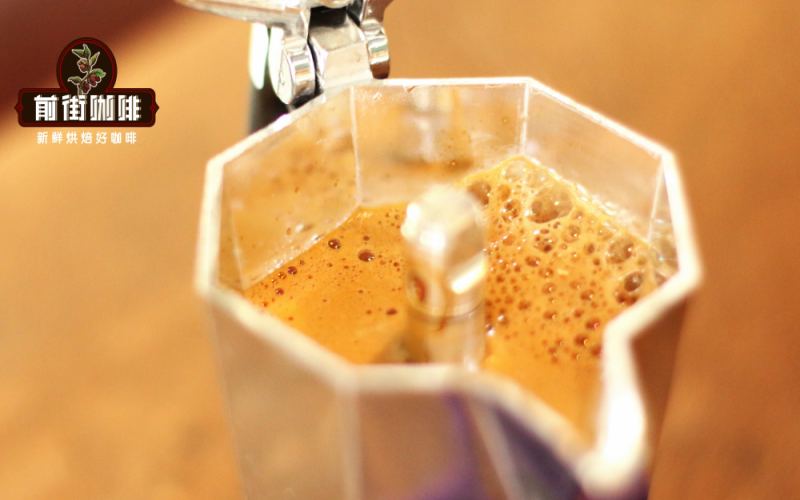
Moka Pot Brewing Guide | Can Beginners Make Latte Art at Home with a Moka Pot? What Works Best for Milk Coffee with a Moka Pot?
The moka pot is a coffee brewing device that uses steam power to create pressure for siphon extraction. It is suitable for outdoor camping and home use. As long as there is a heat source and fresh coffee beans, it can extract a highly concentrated coffee liquid, which can then be diluted with water according to individual taste preferences to become a moka pot Americano, or with [more…]

Latte Coffee Bean Selection Guide: Espresso Blends and Milk Pairing, Plus Key Points for Making Iced Lattes
Iced latte may seem like just three steps—add ice, pour milk, pour coffee—but making a delicious one requires attention from coffee bean selection to milk pairing. This article focuses on three core aspects: first, choosing the right materials—the espresso blend determines the flavor direction of the latte, and the milk should complement the coffee rather than simply seeking richness; second, properly balancing the milk-to-coffee ratio—Front Street Coffee's classic blend with Vitasoy fresh milk uses a reference of 20g grounds extracted in 25 seconds to yield 40g liquid, paired with 250ml milk and 75g ice; third, paying attention to operational details, including espresso extraction quality and preparation speed. The article also introduces Front Street Coffee's classic blend as a tribute to the Mamba recipe, with added Robusta to enhance the crema, suitable for home latte art. [more…]
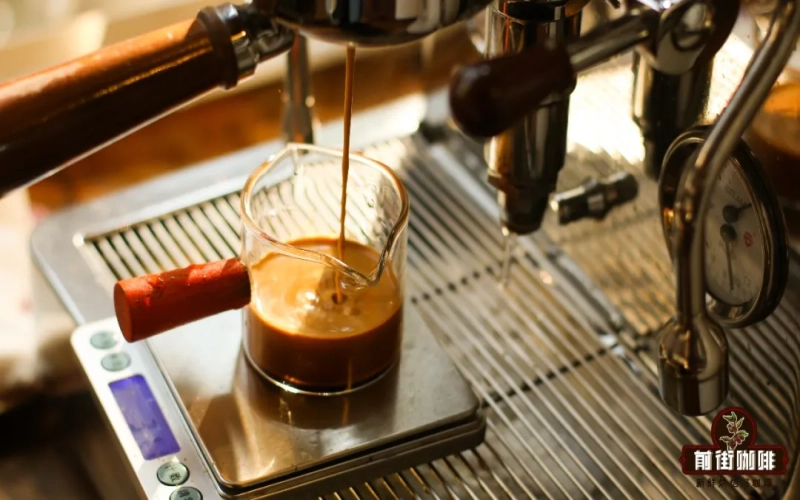
Can Overnight Refrigerated Espresso Still Be Drunk? A Taste Test of Flavor Differences Between Refrigeration and Freezing
If the brewed espresso isn't finished on the same day, can it be safely stored in the fridge or freezer overnight and still be enjoyed the next day? Beyond food safety concerns, what coffee lovers really care about is whether the flavor will take a serious hit. Front Street Coffee used the same espresso blend, storing espresso in the refrigerator and freezer overnight respectively, then comparing them with freshly brewed espresso—tasting each as straight espresso, Americano, and milk coffee—to see just what overnight coffee turns into, and how big the gap is between freezing and refrigerating. [more…]

Moka Pot Milk Coffee | Why Is the Moka Pot So Popular? Can You Use Fresh Milk When Brewing Coffee with a Moka Pot? How Can Coffee Beginners Make Milk Coffee with a Moka Pot?
For more specialty coffee knowledge, please follow our WeChat public account: Front Street Coffee (FrontStreet Coffee). Recently, many friends have been asking Front Street, "What coffee beans are suitable for a moka pot?" So Front Street took a look at the moka pot sales in our online store and put together the top four best-selling moka pots. [more…]
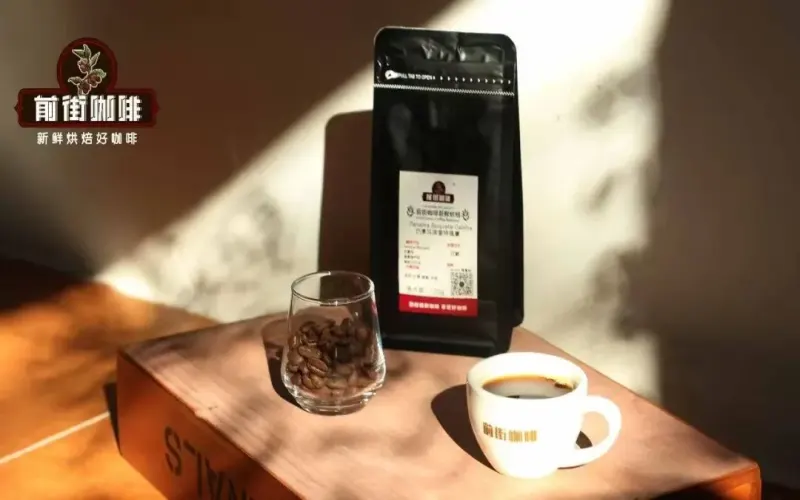
Is Geisha coffee good for espresso and iced Americano? A detailed guide to extraction parameters, coffee-to-water ratios, and latte pairing tips
Geisha coffee has become a favorite among countless coffee lovers thanks to its white floral aroma, citrus fruit notes, and fresh tea-like feel. We usually reach for a pour-over or French press to showcase its delicate flavors, but occasionally someone wants to try extracting Geisha with an espresso machine to make a latte or an Americano. So is Geisha actually suitable for espresso? The answer is: setting aside the price factor, absolutely, but you must pay attention to two key details—full extraction and ratio control. Light-to-medium roasted Geisha is denser and requires a finer grind and a longer extraction time than regular medium-dark roasted beans to avoid sharp acidity. At the same time, the ratio of coffee to milk or water also needs adjustment, so the fresh floral notes don't get diluted. Using the Costa Rica Strawberry Candy Geisha blend as an example, Front Street Coffee shares the specific parameters for Americano and latte, helping you avoid detours and easily make a delicious Geisha espresso drink. [more…]

Taste Test of Luckin's New Rice Milk Latte: Consumers Say Both Rice Aroma and Coffee Flavor Are Too Mild; Staff Reveal the "Instant Cooling Fresh Extraction" Process
Luckin Coffee recently teamed up with Honor of Kings for a second limited-time campaign, bringing back the classic Mascarpone Cheese Latte and introducing a brand-new Rice Milk Latte. The company claims the new drink uses rice milk made from black soil–grown rice, and with temperatures dropping in many places, many netizens have hailed it as the top choice for winter. However, after tasting it, many customers were left puzzled, saying they couldn't detect any rice aroma and even suspecting they had accidentally ordered a regular latte. Faced with the skepticism, Luckin employees shared the production process, revealing that this drink does not use conventional espresso liquid but instead employs "instant-cooled freshly extracted coffee." So why has this new product sparked such a big controversy over its taste? Let's find out together. [more…]
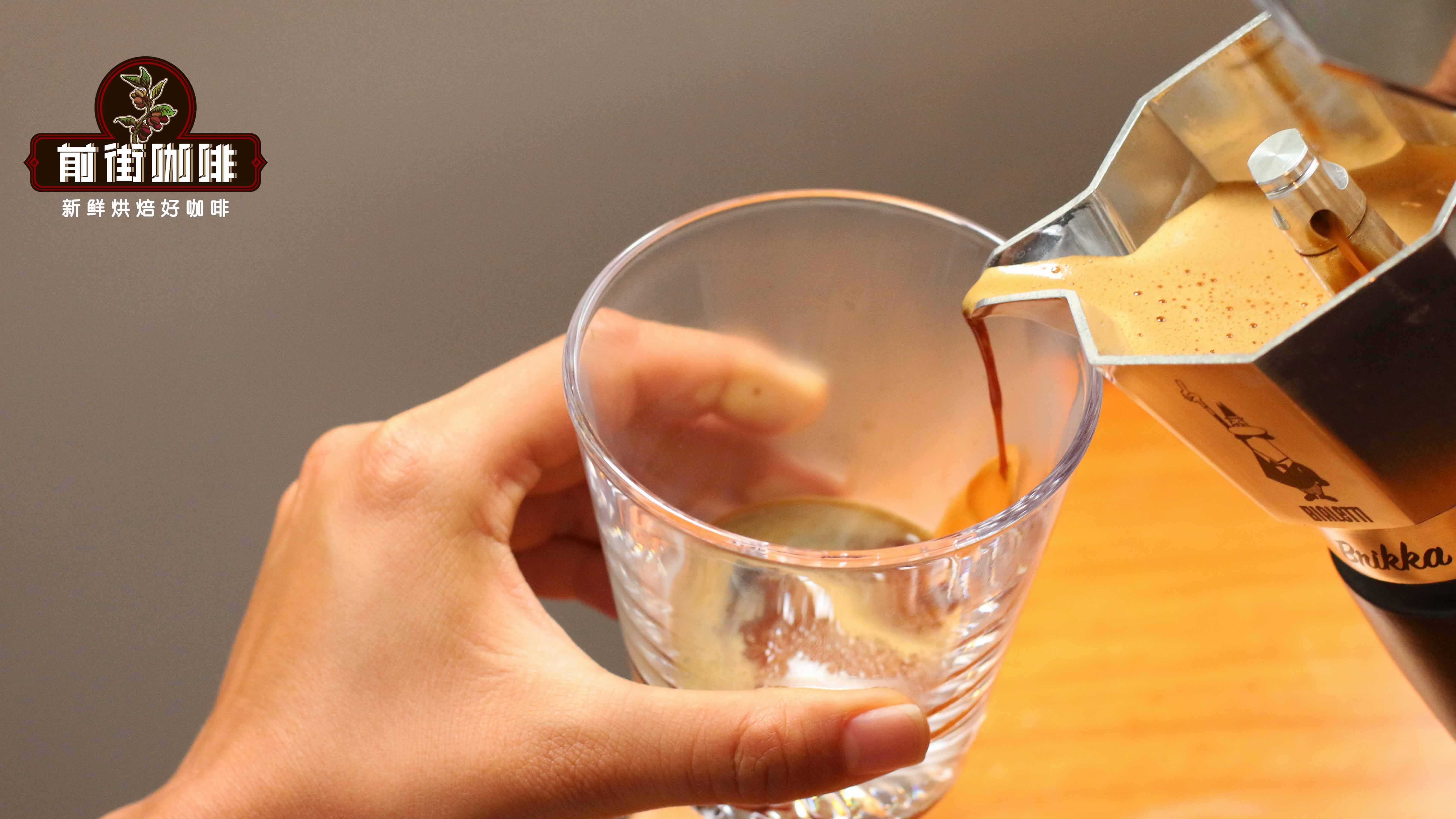
Can a Moka pot make a latte? How closely are coffee grind size and extraction time related?
The moka pot, with its affordable price and simple operation, has become the top home choice for many coffee lovers making espresso. Although the pressure it generates is not as high as that of a professional espresso machine, and the brewed coffee falls slightly short in viscosity, its low equipment cost is a big advantage — a few hundred yuan is enough to get a good-quality moka pot. A moka pot consists of three parts: the lower chamber, the filter basket, and the upper chamber. When heated, the water in the lower chamber boils and produces steam pressure, pushing hot water through the metal tube and the coffee grounds, and finally into the upper chamber to form espresso. Drinking the coffee brewed directly from a moka pot is quite strong, harsh on the palate, and its aroma is not easily released, so the common approach is to dilute it with water or fresh milk to make a moka pot Americano or moka pot latte. This article will explain the specific steps for making milk coffee with a moka pot, the key points for choosing coffee beans, and the precautions during extraction, to help you make a smooth, aromatic moka pot latte at home. [more…]
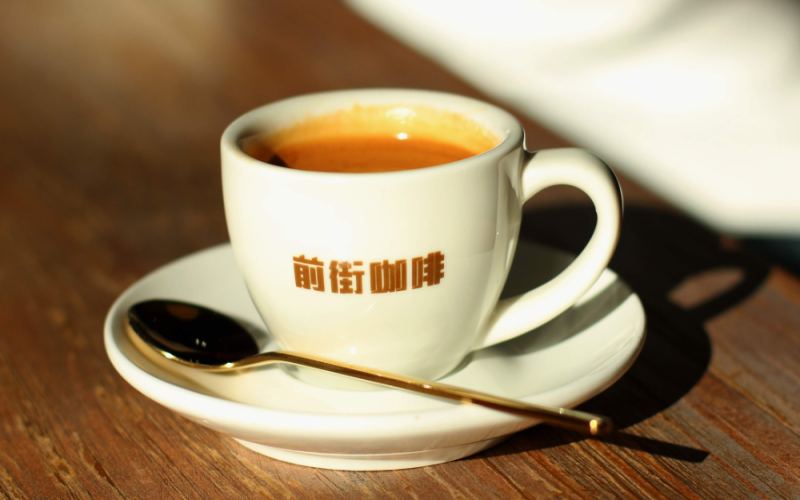
Coffee Bean Selection Tips | Espresso Always Over-Extracted or Weak? How to Buy the Right Espresso Beans? High Value-for-Money Home Espresso Bean Recommendations
As coffee lovers, I believe everyone has struggled with how to buy a suitable bag of coffee beans, and sometimes, due to poor choices, the espresso you make turns out disastrous. This is especially true for espresso machines with a pressurized feature, as the strong and intense taste of the espresso can easily lead to over-extraction if the coffee beans are not properly selected. [more…]
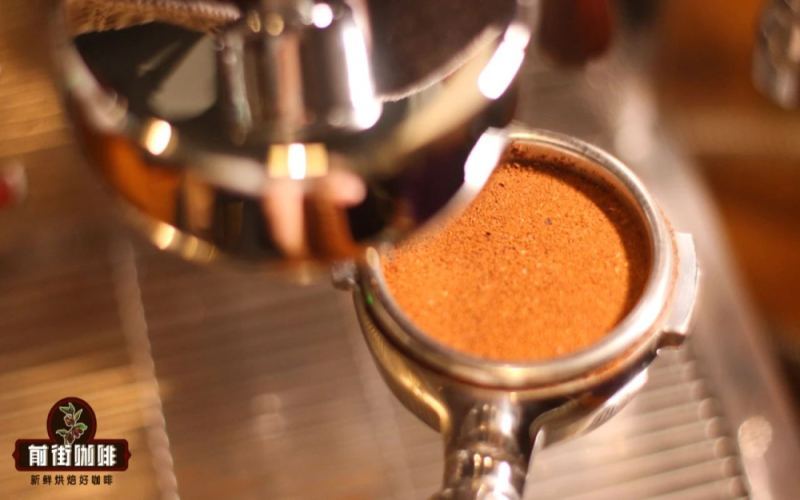
Analysis of Espresso Flavor Characteristics and a Guide to Choosing Coffee Beans Suitable for Espresso
Espresso is the core category of coffee shop output and a key link that tests a barista's basic skills. A standard Espresso is quickly extracted under about 9 bar of high pressure, usually with a single serving capacity of about one ounce, and is composed of three layers: crema, body, and heart. The formation of crema is closely related to the interaction between carbon dioxide and coffee oils, and it is also the source of espresso's unique charm. In terms of coffee bean selection, the logic of espresso is completely different from that of pour-over. Coffee shops generally prioritize fresh medium-dark roasted beans to balance caramel aroma with slight fruity acidity. This article will also break down in detail the six operating steps from cleaning the portafilter basket to completing extraction. [more…]
Is Starbucks Cold Brew Healthy? Caffeine Content and Flavor Analysis Plus Front Street Coffee Cold Brew Brewing Guide
Cold brew coffee, with its smooth mouthfeel and refreshing flavor, has become a popular choice at Starbucks and independent coffee shops alike. It is extracted at low temperatures over a long period, resulting in low bitterness and prominent fruity acidity and floral notes, but its caffeine content and health effects have also drawn much attention. This article provides a detailed analysis of the definition, characteristics, and caffeine situation of cold brew coffee, and shares the bean list and creative drinking methods recommended by Front Street Coffee, including adding sparkling water, milk, alcohol, and more, to help you easily make a cup of cold brew to your liking at home. [more…]
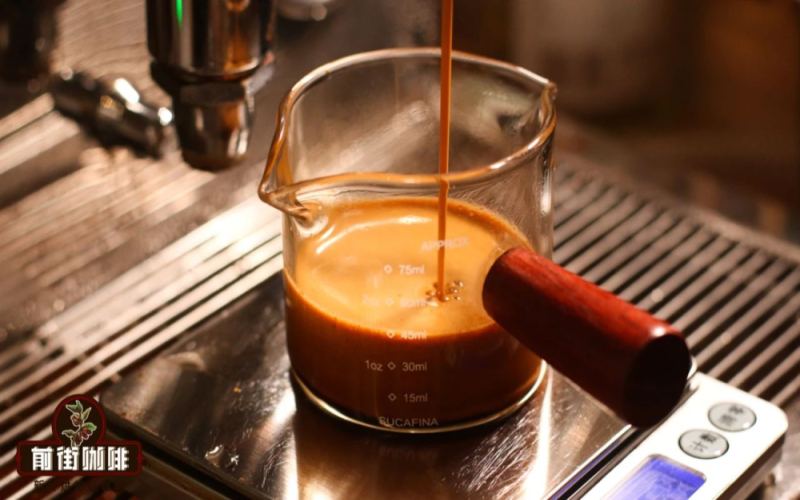
Five Major Reasons for Missing Crema in Espresso and a Guide to Adjusting Extraction Parameters
The golden crema on the surface of espresso is often regarded as the soul of Italian coffee, yet many enthusiasts encounter thin or even completely absent crema when pulling shots. Drawing on the practical experience of Front Street Coffee, this article systematically outlines the five key factors affecting crema formation—coffee bean freshness, roast level, extraction degree, varietal differences, and coffee machine pressure—and provides diagnostic methods and adjustment suggestions for common problems such as overly light roasts, stale beans, insufficient machine pressure, coarse grinding, and low water temperature. Whether you use a home machine or commercial equipment, you can find troubleshooting directions here to restore the rich crema and creamy texture that espresso deserves. [more…]