







Search Results for: Fresh Brewed Coffee

McDonald's Fresh Brewed Coffee Discontinued Nationwide, Fresh Extract Coffee Takes Over and Sparks Heated Discussion
After years of accompanying countless consumers, McDonald's Fresh Brewed Coffee is set to officially leave the menu on February 4. Once the news broke, McDonald's fans expressed their reluctance to see it go. The company quickly announced that Freshly Extracted Coffee would take its place, but the new offering retains the same drip-brewing process and configuration of creamer and sugar packets, drawing criticism that it's "a new name for the same thing." Behind this adjustment may lie McDonald's deeper intention to promote its McCafé brand. For consumers, the real concerns are whether the price will rise and whether free refills will continue. This article sorts through the ins and outs of the event to walk you through the whole story of this coffee menu change. [more…]

McDonald's Freshly Brewed Coffee Discontinued in Many Places, McCafé Taking Over Sparks Heated Consumer Discussion
Recently, consumers in many places have noticed that McDonald's freshly brewed coffee has quietly disappeared from the menu. Staff have confirmed that the product has been phased out in succession, and future stores will mainly promote the McCafé freshly ground series. As a classic product that McDonald's has established in the Chinese market for more than thirty years, freshly brewed coffee once became the daily choice of countless office workers thanks to free refills during breakfast hours and its high cost-effectiveness. Now, however, it has been discontinued in many places, triggering a strong reaction among McDonald's fans. Some people exclaimed that "the sky has fallen," while others said they did not mind. This article will sort out the specific situation of the discontinuation of freshly brewed coffee, its historical background, consumer reactions, and the behind-the-scenes reasons revealed by employees. [more…]
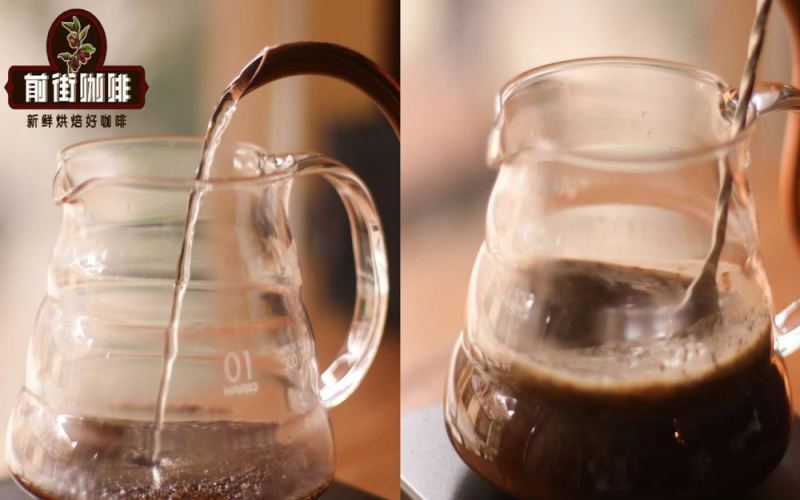
Making Cold Brew Latte Without a Coffee Machine: Detailed Method and Flavor Analysis of Home Milk-Brewed Coffee
Want to enjoy a silky-smooth latte at home but lack an espresso machine or other complicated equipment? In fact, as long as you master the core principle of cold extraction, you can easily make a full-bodied, easy-drinking milk-brewed latte with no fuss. This article starts with the flavor advantages of milk-brewed coffee, explains why cold extraction reduces bitterness and preserves aroma, and fully shares Front Street Coffee's recommended fresh milk choices, suitable coffee bean varieties, and specific brewing parameters and steps, including the coffee-to-milk ratio, grind size, and steeping time. It also includes a lazy version and storage suggestions to help you avoid the risk of milk spoiling. Whether you're a coffee beginner or a seasoned enthusiast, you'll find a practical and delicious home coffee solution here. [more…]

Single-Origin Coffee Bean Flavor Window | Why Must Pour-Over Coffee Be Ground and Brewed Fresh? How Does Coffee Bean Flavor Change Past Its Peak?
Many people assume that freshly ground coffee means fresh coffee, but that's not actually the case. In fact, to truly enjoy the aroma of coffee, it's not just about grinding fresh—there are also specific requirements regarding the roasting time of the coffee beans. Front Street Coffee, whether in-store or through its online Taobao shop, offers only freshly roasted coffee beans, unless a customer specifically requests grinding. [more…]
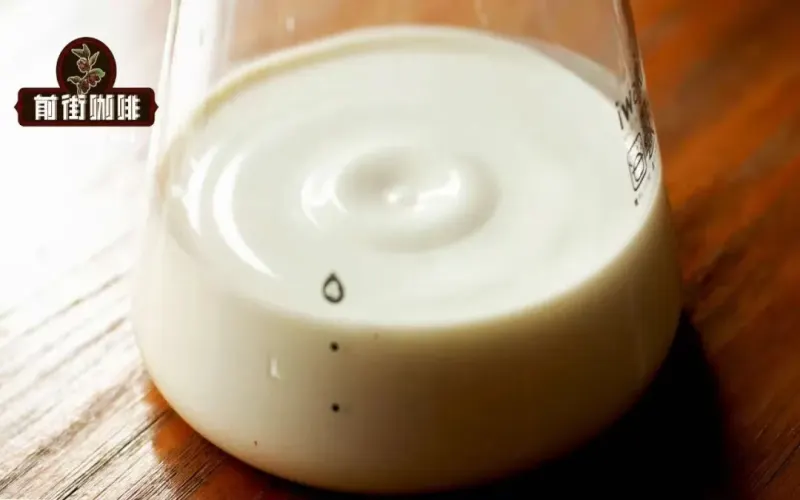
What Is Ice Breaker Purified Milk? A Guide to Making High-Concentration Fresh Milk at Home Using the Freeze Distillation Method for Dirty and Lattes
Front Street Coffee has frequently introduced ice bock—that is, purified milk—recently, and many friends want to know exactly how it differs from milk coffee made with ordinary fresh milk. Simply put, purified milk tastes richer, and its mouthfeel is fuller and more substantial. Besides buying it directly, you can actually easily make it at home: just freeze fresh milk and then thaw it, using the difference in freezing points among the components to remove some of the water, and you get milk with a higher concentration. In this article, Front Street Coffee will share the specific steps for purifying milk, how to judge the degree of purification, and how to adjust the ratios when using it to make milk coffees such as Dirty and latte, along with recommendations for coffee beans that pair well, to help you make a cup of rich yet not cloying purified milk coffee. [more…]

What Is Milk-Brewed Coffee? The Complete Method and Recipe Ratios for Making Cold Brew with Milk Instead of Water
Replace the water in cold brew coffee with fresh milk, steep the coffee grounds at low temperature for a long time, and after filtering you get a silky, rich milk-brewed coffee. This method has recently drawn attention in coffee circles and is being called a new choice for fans of iced milk cold brew. This article will start with the principles of milk brewing, explaining why low-temperature extraction reduces bitterness and off-flavors, and how milk gives coffee a smooth, chocolate-milk-like texture. It then breaks down the practical points one by one: what roast level and flavor type to choose for the coffee beans, the actual differences in performance between fresh milk and oat milk, whether the grind should be coarser or finer than regular cold brew, what mouthfeel the 1:8 to 1:12 coffee-to-milk ratios each produce, the trade-offs between direct steeping and bag-steeping in terms of time and convenience, and whether it can be stored overnight once made. The article also retains Front Street's demonstration and specific parameters using two beans: Brazil Queen's Estate and Colombia Flower Moon Night. [more…]
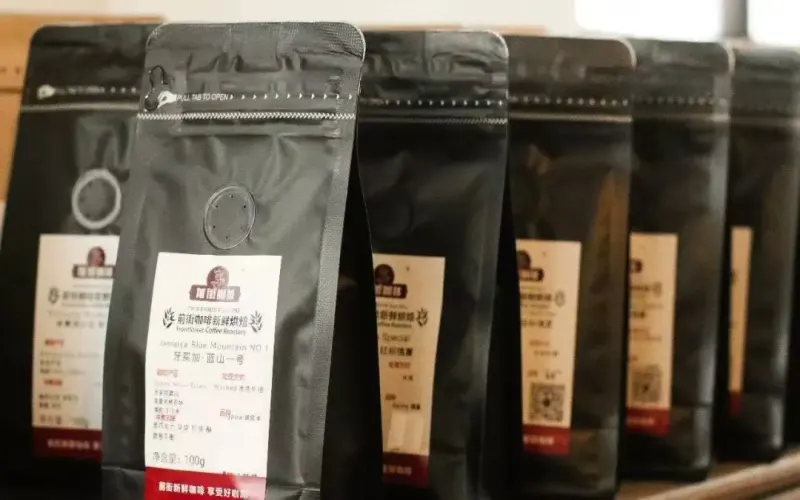
How do you choose hand-brewed coffee beans with a fresh, clean flavor? Flavor characteristics and bean selection approach for Yirgacheffe Gutingding
To enjoy a cup of pour-over coffee with a fresh flavor and clean mouthfeel, there are actually discernible guidelines when choosing beans. The degree of roast, the processing method, and the terroir of the growing region are the three key factors that determine the direction of a coffee's flavor. A light roast preserves more organic acids and delicate aromas, while the washed process makes the fermentation level of the coffee beans more controllable, and the regions of Africa and Central and South America are especially concentrated sources of fresh-flavored beans. Based on Front Street's bean-selection experience, this article lays out a practical approach to choosing coffee beans with high cleanliness and a fresh flavor, and recommends specific qualifying beans such as Front Street Yirgacheffe·Gedeb and Front Street Wander Estate·Washed Geisha, suitable for both pour-over and cold brew preparation. [more…]

How to Make Milk-Brewed Coffee? From Bean Selection to Cold Brew, Front Street Shares a Practical Guide to Milk-Extracted Coffee
When water can no longer satisfy coffee enthusiasts' desire for exploration, milk becomes a new extraction medium. Is it reliable to brew pour-over coffee with milk? The answer is no—milk has high saturation, weak extraction power, and proteins denature when heated above 70 degrees. But with a different approach, cold-brewing milk coffee by soaking coffee grounds in milk at low temperature is entirely feasible: low temperatures won't spoil the milk, and the extended soaking time exactly compensates for the lack of extraction efficiency. This time, Front Street Coffee selected the medium-dark roasted Sunflower Warm Sun blend, paired with Guangming Fresh Pasture fresh milk, using a 1:8 coffee-to-milk ratio and soaking at low temperature for 12 hours, ultimately obtaining a cup of milk-brewed coffee with sherry wine aroma and chocolate milk flavors. Let's take a look at the specific steps and key details below. [more…]
How to Make a Latte Without a Coffee Machine: A Complete Guide to Easy Homemade Cold Brew Milk Coffee
Want to enjoy a silky, smooth latte at home but don't have an espresso machine? In fact, with just a few simple steps and a long, low-temperature steep, you can make a full-bodied, guilt-free cold brew milk coffee. This article breaks down the principles of milk brew coffee in detail, explaining why low-temperature extraction avoids bitterness and preserves aroma, and walks you through choosing beans and milk, along with specific coffee-to-milk ratios and steeping times. From gathering ingredients to the lazy version of the method, plus tasting and storage tips, this covers everything so you can easily achieve latte freedom at home. [more…]
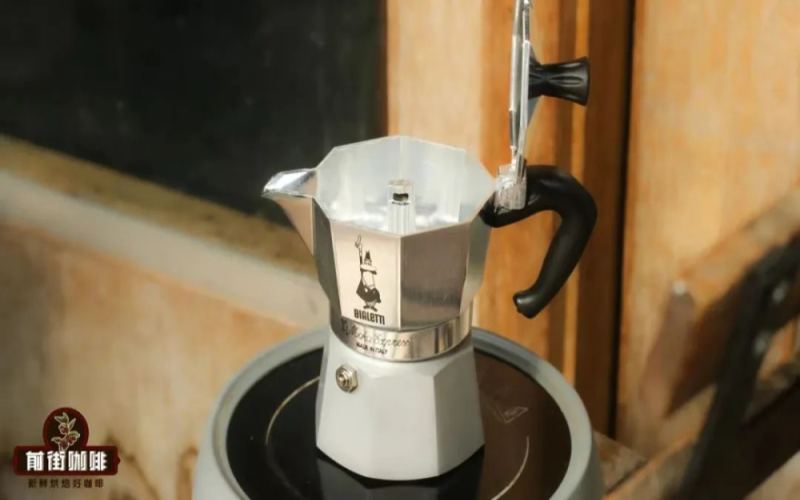
Moka Pot Italian-Style Bean Recommendations | Is coffee brewed in a moka pot as strong as espresso? How should moka pot beginners choose coffee beans?
The moka pot is often called a "stovetop espresso maker" because it can produce a relatively concentrated coffee liquid, and if you are very skilled and use freshly roasted coffee beans, it will also have a layer of aromatic crema. The magic behind the moka pot lies in its brewing method. It is divided internally into three chambers: [more…]
How to Make Cold Brew Latte Without a Coffee Machine: Detailed Method and Tips for Cold Milk-Infused Coffee
Want to enjoy a silky, smooth latte but don't have an espresso machine at home? In fact, with just a few simple steps—steeping coffee grounds in milk at low temperature—you can make a full-bodied, guilt-free cold brew latte. This article explains in detail the principles of milk-brewed coffee, the materials needed, brewing parameters and steps, and also includes a lazy version and tasting suggestions. It recommends several Front Street Coffee beans, including Sun-Dried Huakui, Mozart, Red Cherry, and Strawberry Candy, to help you easily enjoy professional-grade coffee flavors at home. [more…]
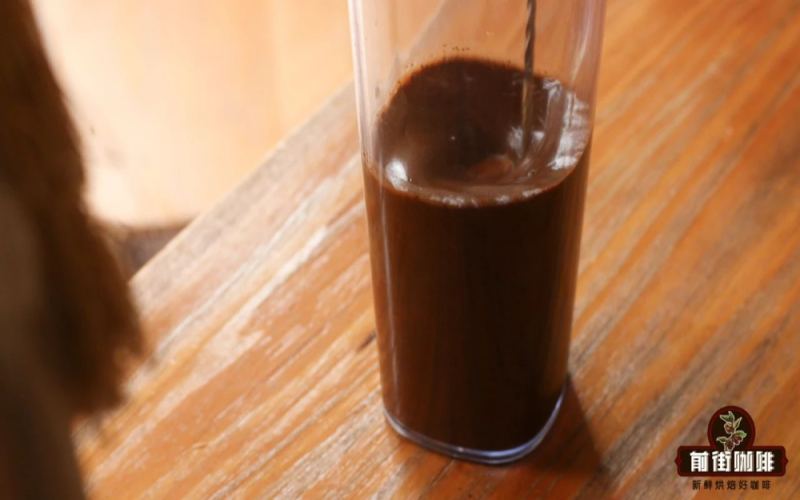
How to Make Milk Cold Brew Coffee? A Full Analysis of Bean Selection, Ratios, and Flavor for Milk Brew Coffee
Want to try cold brew coffee at home, but find the intense taste of black coffee a bit hard to handle? By substituting milk for water to steep the coffee grounds, you can make a cup of milk-brewed coffee that needs no dilution and has a unique flavor. This article covers the complete method for making milk-brewed coffee, from bean selection ideas and milk choices to grinding parameters and specific step-by-step instructions. Whether you prefer caramel and nutty notes or want to try tropical fruit flavors, you'll find a pairing that suits you. The article also uses Queen's Estate as an example to share the actual taste results after extraction, helping beginners get it right on the first try. [more…]
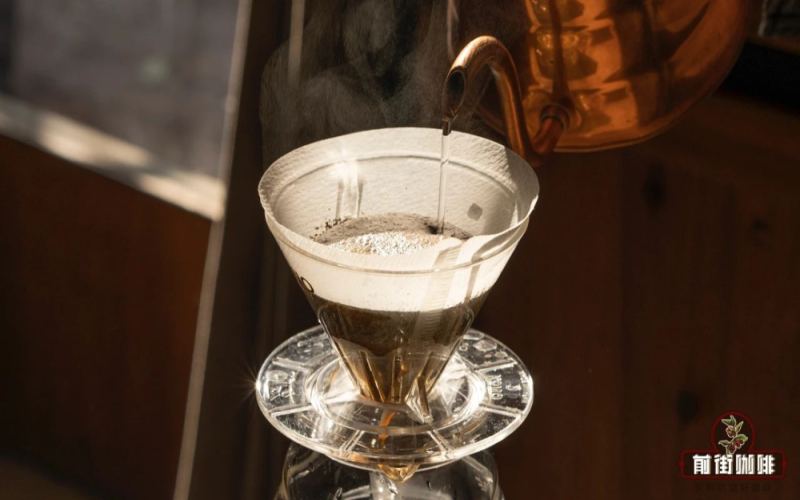
Why Freshly Roasted Coffee Beans Shouldn't Be Brewed Immediately: Explaining the Causes of the Locked-Gas Effect and Throat Dryness, and How to Cope
Many coffee enthusiasts, upon getting freshly roasted beans, can't wait to brew a cup, only to find the flavor flat, the body thin, and even a dry, uncomfortable throat afterward. The key behind this lies in the large amount of carbon dioxide remaining inside the coffee beans after roasting, as well as the smoky, pungent sensation brought by high-temperature roasting. This article will delve into why fresh coffee beans need to "rest" before brewing, how carbon dioxide interferes with the extraction process, and the true source of that dry throat sensation. At the same time, Front Street will also share a few practical methods to help you still brew a relatively ideal flavor even when the beans are too fresh. [more…]
HEYTEA's Handcrafted Store Launches 50 New Products at Once: How Far Can the Whole-Leaf Tea Brewing Move Go?
Heytea has opened its first global handmade tea shop in Nantou Ancient Town, Shenzhen. The three-story space corresponds to three product lines: hand-stirred ice, handmade tea, and hand-brewed fine tea, launching over 50 new products at once. From Musang King durian to mangosteen, Thai golden pomelo, and guava, to traditional brewed pure teas covering China's six major tea categories and creative mixed cups, this shop is clearly not satisfied with the conventional tea beverage playbook. The most expensive single item, "Large Musang King Durian," is priced at 138 yuan, and the cups have also been custom-designed. The new-style tea beverage brand is returning to deep cultivation of original leaf tea, driven by the continuously expanding tea beverage track and the rising proportion of pure tea. This article takes you through a complete understanding of the product structure, pricing strategy, and industry significance of this new launch. [more…]

Why Do Freshly Roasted Coffee Beans Need to Rest for Two to Three Days? Brewing Parameters for Fresh Beans and Three Practical Approaches Explained in Detail
Freshly roasted coffee beans often carry a large amount of carbon dioxide and a harsh, dry sensation. Brewing them directly will greatly diminish the flavor, and the cup will not be smooth enough to drink. This article addresses this common problem by outlining three practical solutions for dealing with fresh coffee beans: first, accelerating gas release through degassing; second, adjusting parameters such as water temperature, grind size, and blooming time to improve extraction efficiency; and third, adopting immersion-based extraction, which has a higher margin for error. Using Front Street Ethiopia Hamashu coffee beans as an example, the article provides specific details on dose, water temperature, coffee-to-water ratio, and staged pouring demonstrations, and compares the flavor differences under conventional parameters, helping coffee lovers brew a relatively excellent cup even when they are impatient to drink it. [more…]
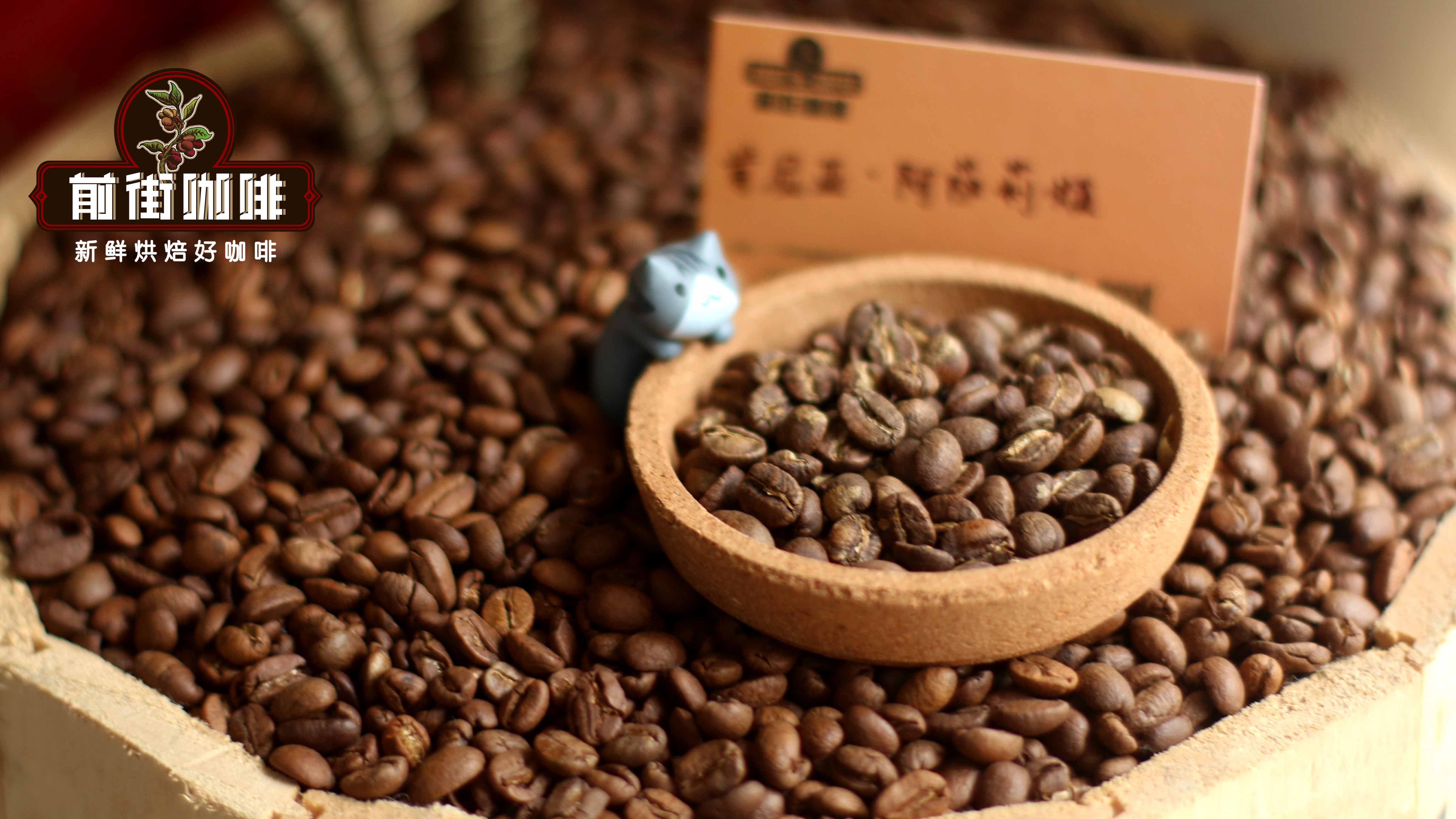
Kenya AA Gichathaini Factory Hand-Brewed Bean Recommendation: Flavor Analysis of Double-Washed SL28 and SL34 from Meru Region
When it comes to fruity, acidic pour-over coffee, most people first think of Ethiopia's Yirgacheffe, Huakui, or Panama's Geisha, while Kenyan coffee is often overlooked. In fact, Kenyan coffee also boasts layered sweet-and-sour aromas and a juicy mouthfeel. This article focuses on the Kenya AA Meru region Gichathaini processing station, taking a deep dive into its varietal characteristics, its unique washed processing method, and how roast level affects the flavor presentation. It will also introduce the specific details of Front Street Coffee's Kenya Little Tomato coffee beans, helping coffee enthusiasts find a fresh Kenyan pour-over bean worth picking up. [more…]
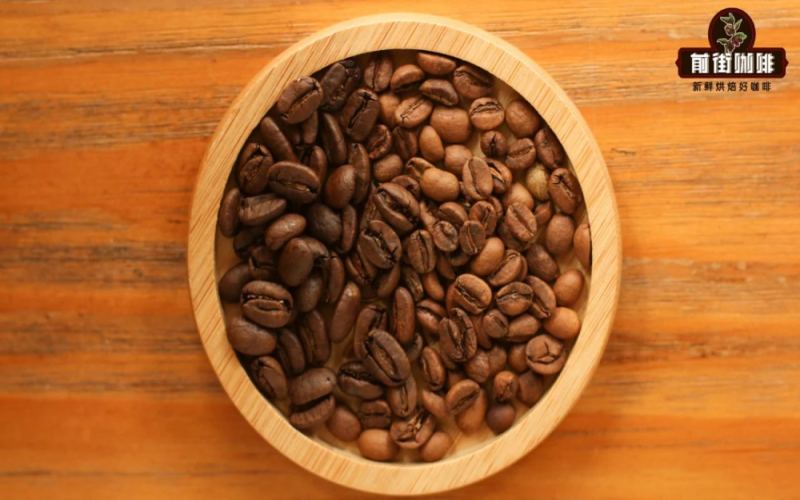
Ethiopian Yirgacheffe: From Origin to Brewing, Front Street Coffee's Classic Flavor and Price Analysis
Yirgacheffe is one of Ethiopia's most representative specialty coffee regions, overturning people's stereotype of coffee as bitter with its fresh and bright floral and fruity aromas. As a domestic specialty coffee brand, Front Street Coffee recommends two popular Yirgacheffe single-origin offerings, the Geddid Cooperative and Red Cherry; a hand-brewed black coffee costs only 30 yuan per cup, allowing you to experience jasmine floral notes and citrus lemon acidity. This article will guide you through the regional background of Yirgacheffe, the characteristics of its washed processing and light roasting techniques, and share Front Street's standard brewing and extraction approach, including water temperature, grind size, coffee-to-water ratio, and the three-stage pouring method, helping you recreate the classic flavor at home. [more…]
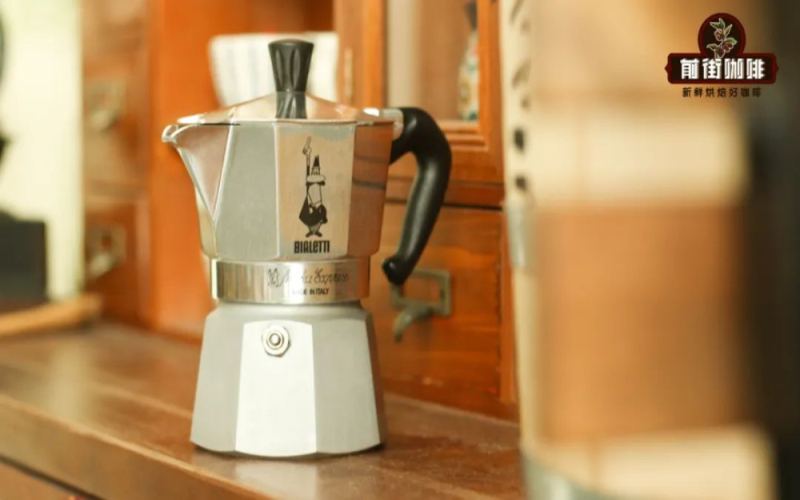
Analysis of Coffee Types Suitable for Moka Pot Brewing: Why Medium-Dark Roasted Fresh Beans Are More Suitable
As a commonly used stovetop espresso coffee device for home use, the Moka pot's extraction principle determines what kind of coffee beans it is better suited for. Starting from the Moka pot's three-layer structure and working principle, this article explains why freshly roasted medium-dark coffee beans can bring a more balanced taste and crema performance, and describes the sourness or burnt bitterness that light-roast and dark-roast beans easily produce in a Moka pot. It also emphasizes the key impact of coffee bean freshness on flavor; beans older than two months or 50 days after roasting have almost lost their aroma. Finally, it compiles several Front Street Coffee espresso bean recommendations suitable for the Moka pot, covering Black Cocoa, Classic Blend, Strawberry Candy, Golden Mandheling, and Brazil Queen Estate, for coffee lovers to reference when choosing. [more…]

Should coffee beans be stored in the refrigerator? How long can they stay fresh after grinding? This article explains shelf life and flavor changes clearly.
Coffee enthusiasts often struggle with storage questions: should coffee beans be put in the refrigerator after purchase? And how long can they be stored once a merchant has ground them into powder? The impact of freshness on flavor is self-evident, but ground coffee has a dramatically increased surface area exposed to air, causing aromas to dissipate far faster than with whole beans. Drawing on Front Street Coffee's practical experience and comparative experiments, this article sorts out the optimal flavor window for coffee beans, the finer points of storage environments, and how ground coffee's flavor evolves over different storage days, helping you find a balance between convenience and quality. If you're also in the habit of stockpiling ground coffee all at once or grinding ahead of time, this piece is worth a read. [more…]

How to Control the Time for Ice-Drip Coffee? Flavor Layers of Ice-Drip Brewed with Fresh Coffee Beans and a Comparison with Three Cold Brews
In the heat of midsummer, a glass of ice-cold, crystal-clear coffee is undeniably a great way to cool down. But did you know that cold coffee actually comes in three types: ice drip, iced (iced Americano), and cold brew, each with its own production logic and flavor profile? This article will help you understand the differences between the three, with a focus on ice drip coffee's drip rate, coffee-to-water ratio, and complete brewing process, and share three beans commonly used at Front Street Coffee shops that are suitable for ice drip—Mozart, Kenya Small Tomato, and PWN Golden Mandheling—each presenting a direction of dark berries, crisp and clean, and rich with a sweet finish. Whether you want to recreate it at home or are looking for a new summer flavor, this article offers practical reference. [more…]