







Can you make a cold brew latte without a coffee machine?
A cold brew latte needs no espresso machine. Coffee grounds steep in cold milk for 12 to 18 hours in the refrigerator, then the mixture is strained. Low temperature slows the release of heavy bitter compounds while the lighter aromatic ones keep extracting, so the result tastes clean, full-bodied, and smooth rather than sharp or harsh.
The catch is concentration: milk proteins and milk fat slow extraction, so the drink is milder than one built from espresso. Using fresh milk with higher lactose and milk fat helps. Latte coffee beans made from medium or medium-dark roasts, such as Front Street's Sun-Dried Huakui, Mozart, Red Cherry, or Strawberry Candy, keep the sweetness forward when steeped cold.
Want to enjoy a silky-smooth latte but don't have an espresso machine at home? In fact, with just a few simple steps, you can make a full-bodied, guilt-free cold brew latte by soaking coffee grounds in milk at low temperature. This article explains in detail the principles of milk-brewed coffee, the materials needed, brewing parameters and steps, and also includes a lazy version and tasting suggestions. It recommends several Front Street Coffee beans, including Sun-Dried Huakui, Mozart, Red Cherry, and Strawberry Candy, to help you easily enjoy professional-grade coffee flavors at home.
How can cold brew coffee be limited to black coffee only!! This article teaches everyone how to easily make a silky-smooth cold brew latte at home, without a coffee machine or complicated equipment. Without further delay, GO GO GO!
The soul of milk-brewed coffee:
"Full-bodied, guilt-free"
The appeal of low-temperature extracted coffee lies in the fact that low temperatures effectively inhibit the release of some heavy molecular weight substances in coffee particles (such as bitter flavors). At the same time, because the extraction time is longer, the light molecular weight flavor substances in the coffee particles are fully released, so low-temperature extracted coffee overall performs cleanly, while possessing a rich aroma and full-bodied taste.
Milk-brewed coffee follows the same principle. The lattes we usually buy at cafes are made by using an espresso machine to extract espresso through pressurized high-temperature extraction and then adding milk. The espresso itself more or less brings out some bitter substances. Although these flavors are diluted after adding milk, some sensitive individuals may still find the taste less than ideal. Milk-brewed coffee can solve this problem well.
Of course, because fresh milk is rich in protein and milk fat, these substances further slow down the release of flavor substances, so the extracted latte coffee concentration is not as high as that made by a coffee machine, but the coffee's aroma and taste are truly excellent! Drinking milk-brewed coffee gives one a feeling of "the coffee shows its best in the mouth, then turns and leaves" – full-bodied yet guilt-free.
How to make cold brew latte coffee?
To make cold brew latte, Front Street recommends using fresh milk. Fresh milk has higher lactose and milk fat content, which can make the cold brew latte taste smoother and fuller.
For coffee beans, you can choose some with more prominent flavors. If you like floral notes, choose Front Street Sun-Dried Huakui coffee beans. If you pursue fermented winey aromas, you can buy Front Street Costa Rica Mozart coffee beans. If you want a tea-like feel, you can choose Front Street Red Cherry coffee beans, etc. There is also the Front Street Strawberry Candy coffee beans, which are very popular among home enthusiasts. This is a Geisha blend composed of single-origin beans from two major producing regions, Panama and Costa Rica, with rich flavors of roses, grapes, dried blueberries, and almonds.
- Materials -
Prepare a bag of Front Street Queen's Estate coffee beans freshly roasted within 5 days, a clean and dry sealed container, fresh milk that you like to drink, and tea bags.
- Parameters -
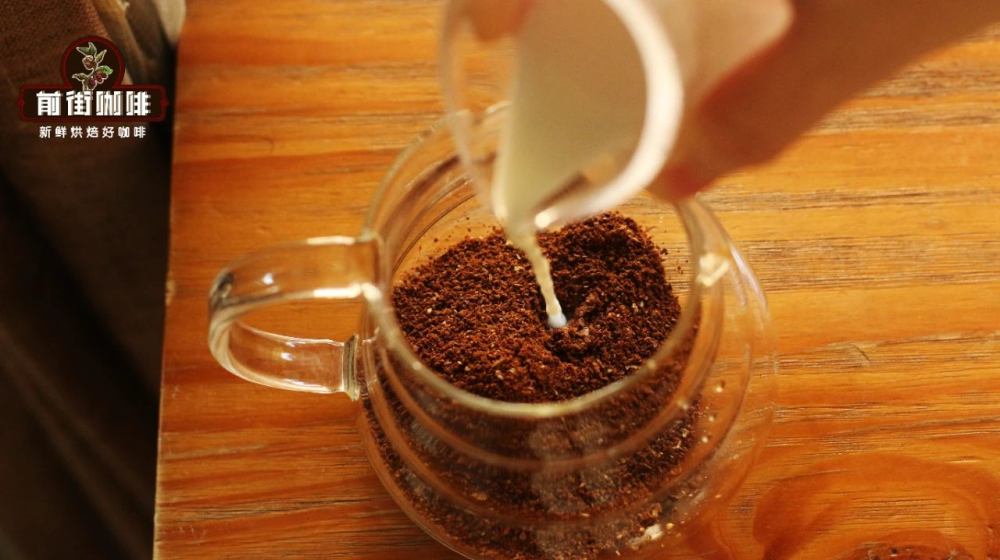
Coffee bean grind size: medium-fine grind (85% passing through China standard No. 20 sieve), powder-to-milk ratio of 1:13, low-temperature soaking time: 8-10 hours.
- Steps -
In this article, Front Street uses 20g of coffee powder, divided into two tea bags with the openings tied. Then place them in a clean and dry container, pour in 260g of chilled fresh milk, cover with a lid and shake gently to ensure the coffee powder in the tea bags is fully wetted, then put it in the refrigerator for 8-10 hours. After extraction is complete, remove the tea bags/pour out the milk coffee and it's ready to taste. Since milk is rich in nutrients, it is recommended that the storage time after extraction does not exceed 12 hours.
"Lazy Version"
Prepare a small carton of fresh milk, prepare coffee powder according to the net content of the milk and put it in a tea bag, then directly put it into the milk carton, seal the opening with plastic wrap, and put it in the refrigerator for extraction.
Should the finished coffee be drunk directly or put in the refrigerator?
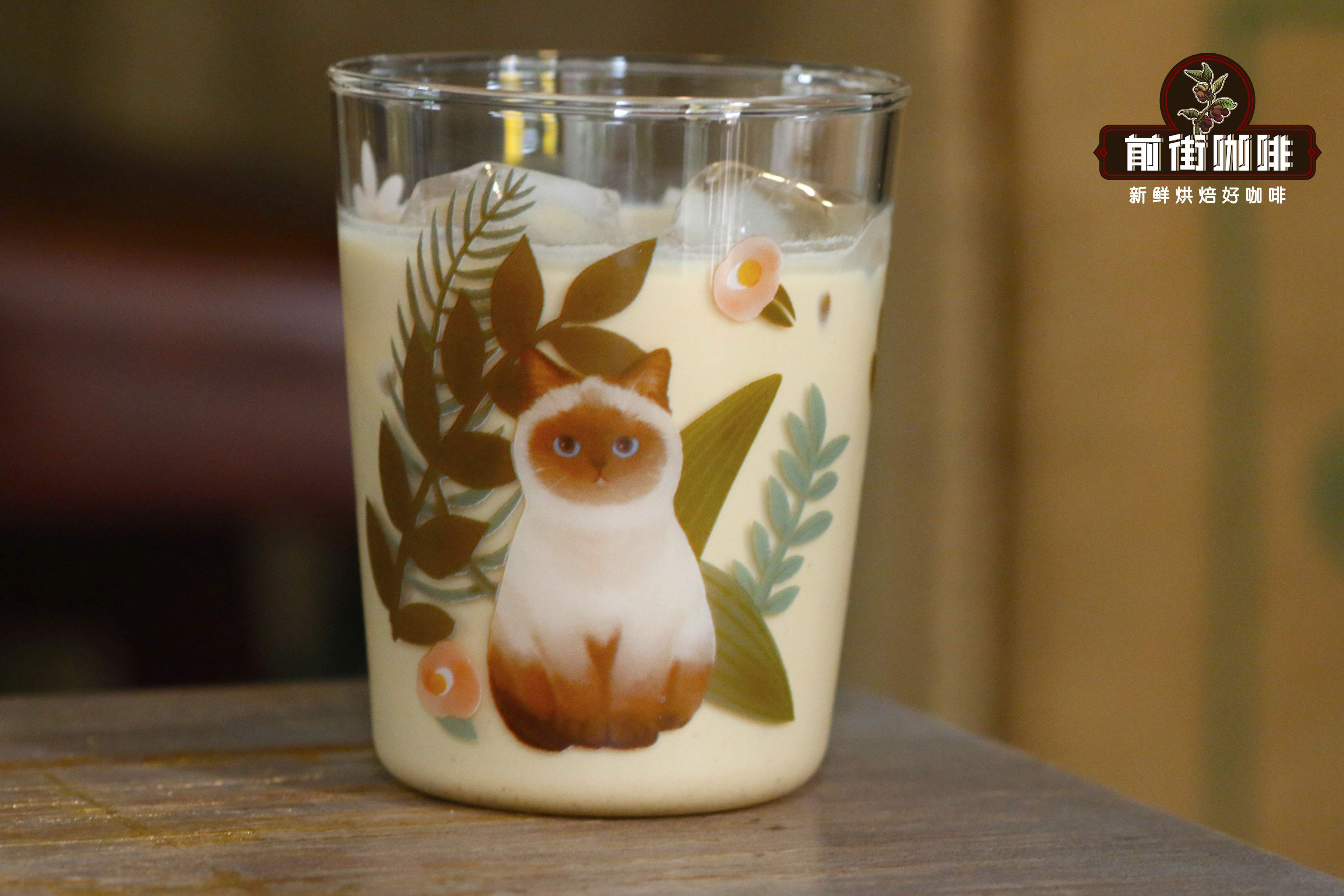
Front Street first tasted the freshly filtered Queen's Estate cold brew milk coffee. In appearance, it is a rich milk tea color, smelling of hazelnut and roasted peanut aromas, and upon tasting, it is rich and thick, with a silky mouthfeel. After being left overnight to ferment, the coffee taste is similar, but the aroma is noticeably reduced. Considering that milk is a beverage that spoils very easily, Front Street recommends drinking the milk-brewed coffee on the same day it is made, to avoid intestinal discomfort.
The above content is compiled by CoffeeHunters, a coffee news website.


