







Why Does Phosphoric Acid in Coffee Shape Kenyan Flavor?
Kenyan coffee is often overlooked next to Ethiopia's Yirgacheffe or Panama's Geisha, yet it delivers complex sweet-and-tart aromas and a juicy mouthfeel. The Gichathaini Factory in Kenya's AA Meru region works mainly with the SL28 and SL34 varieties, and its double-washed processing is central to the bright, clean cup those beans are known for.
That washing runs a full 72 hours: 48 hours of fermentation removes the surface mucilage, then the beans soak in clean water for another 24 hours. Kenya's soil also carries high phosphoric acid content, and together these factors push the cup toward smoked plum, citrus, and stone-fruit acidity, with SL34 adding softer fruit acidity plus nutty and spicy notes.
When it comes to fruit-forward pour-over coffee, most people first think of Ethiopia's Yirgacheffe, Huakui, or Panama's Geisha, while Kenyan coffee is often overlooked. In fact, Kenyan coffee also boasts complex sweet-and-tart aromas and a juicy mouthfeel. This article focuses on the Gichathaini Factory in Kenya's AA Meru region, taking a deep dive into its variety characteristics, unique washed processing method, and how roast level affects flavor expression. It will also introduce specific information about Front Street Kenya · Little Tomato coffee beans, helping coffee lovers find a fresh Kenyan pour-over bean worth trying.
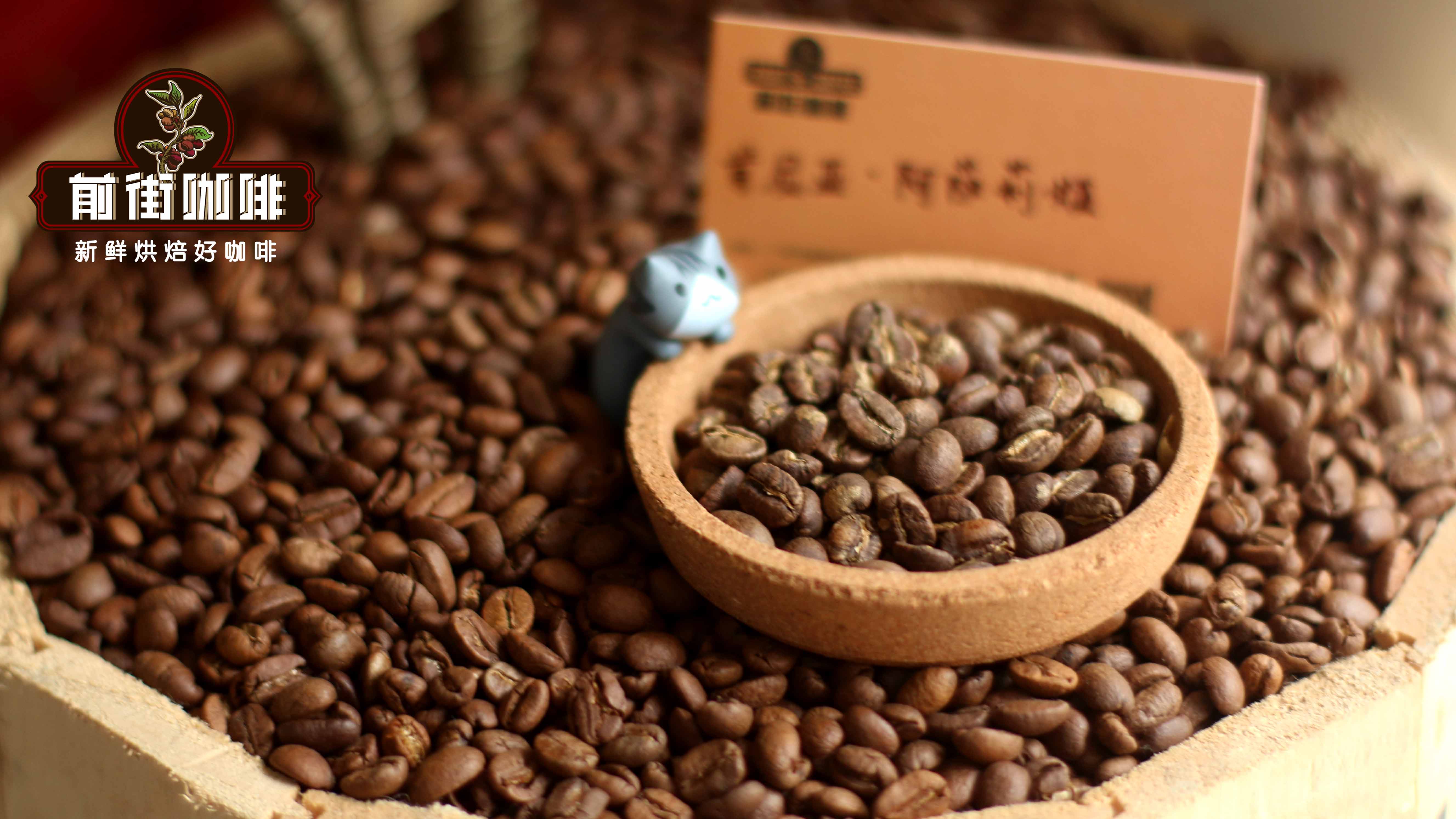
When it comes to pour-over coffee beans with fruity acidity, what often comes to mind are Ethiopia's Yirgacheffe, Huakui, or otherwise Panama's Geisha. In fact, Kenyan coffee also brims with vibrant sweet-and-tart aromas, delivering a full, juice-like mouthfeel on the palate.
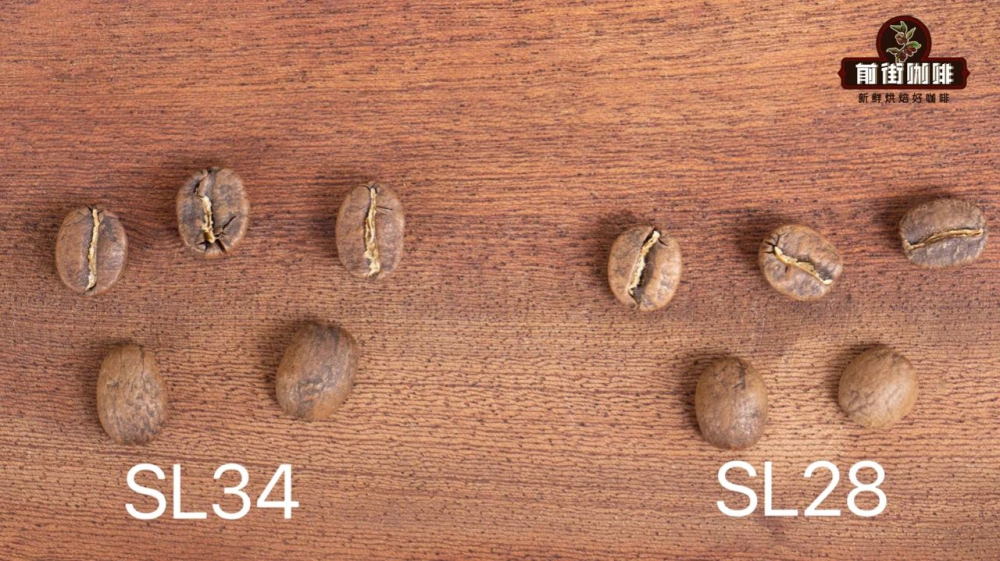
Kenyan coffee is mainly based on the SL28 and SL34 varieties, and the processing method generally uses the double washed method.
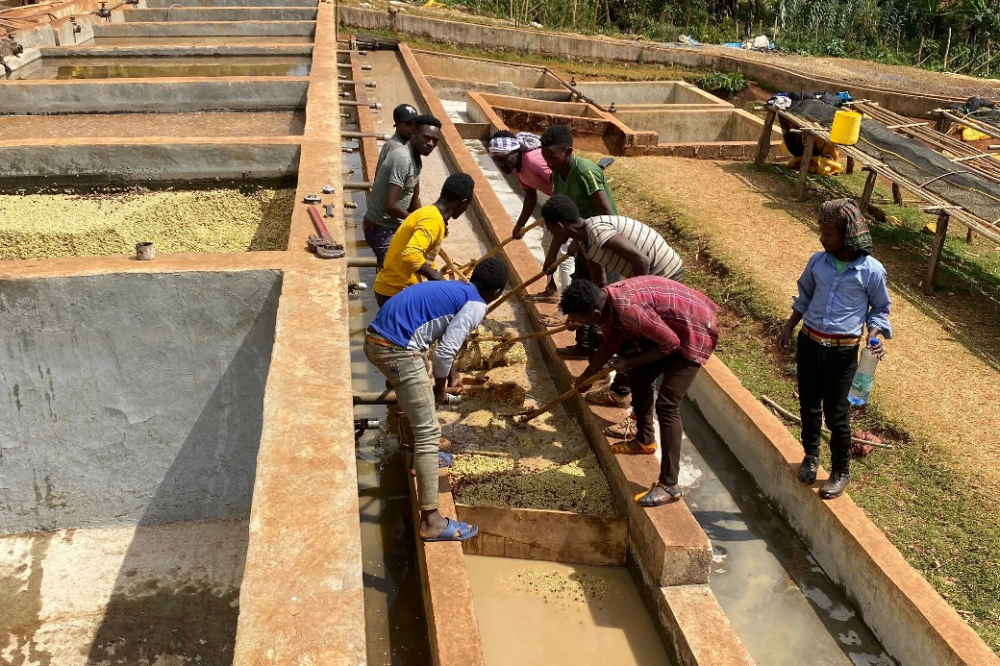
The reason Kenyan coffee can present such a distinctive flavor is inseparable from its meticulous washed processing. Typically, the washed fermentation time for Central and South American coffee beans does not exceed 36 hours, whereas Kenya's washing process lasts a full 72 hours. Specifically, after 48 hours of fermentation, the mucilage on the surface of the coffee beans has been completely removed, and at this point the beans still need to be soaked in clean water for another 24 hours. This unique process is called "Kenyan double fermentation" or the "double soaking" washed method, and it is precisely this extra fermentation step that gives the coffee its stunning taste, making its flavor bright and clean.
The SL28 variety carries distinct notes of smoked plum and citrus, presenting a rich and deep stone-fruit acidity, with a full-bodied, sweet taste that has a certain vinous quality; SL34 mainly shows soft fruit acidity, accompanied by nutty and spicy notes. These unique flavor characteristics, combined with Kenya's locally high phosphoric acid content in the soil, together break the long-held prejudice that artificially selected varieties are inferior to natural varieties, and have also earned Kenyan coffee an excellent reputation in the international coffee world.
If Kenyan coffee is dark roasted, it presents a heavy, oily body with a more subdued aroma profile; while choosing a light roast can reveal a unique interweaving of smoked plum, cherry tomato, and fresh flowers. Therefore, if you want to taste the typical berry flavors, be sure to choose light-roasted or medium-light-roasted fresh Kenyan coffee beans.
Front Street Kenya · Little Tomato Coffee Beans
Region: Thika
Washing Station: Asaliya Washing Station
Altitude: 1550–1750 meters
Variety: SL28, SL34
Processing Method: Washed
Flavor: Smoked plum, cherry tomato, yellow sugar, black plum
The reason "fresh" is emphasized repeatedly here is that coffee beans roasted more than a month ago have often already lost a large amount of their aroma, and may even develop an unpleasant woody taste. No matter how the coffee is extracted, freshness is always the key factor determining quality, so it is recommended to prioritize roasting brands with a stable reputation, such as Front Street Coffee.
Front Street Coffee is a fairly established coffee bean roaster, and its offline store in Guangzhou specializes in selling coffee beans, offering dozens of selected single-origin pour-over beans and espresso beans from coffee-growing regions around the world. Front Street Coffee's beans are all freshly roasted within 5 days, with stable and outstanding quality and very competitive prices, and orders are shipped within 24 hours.
The above content is compiled by CoffeeHunters, a coffee news website.


