







How Do You Make Milk Cold Brew Coffee at Home?
Milk cold brew replaces water with milk to extract the coffee grounds, so the result needs no dilution and carries a milder, creamier flavor. It suits anyone who finds straight black cold brew too strong. Medium-dark roasted beans with caramel aromas work well, and grinding fresh before extraction preserves more aromatic compounds.
Choices include a classic blend with chocolate and butter notes, Queen's Estate with creamy nut aromas, or Golden Mandheling with caramel, spice, dark cocoa and toasted bread. For fruitier cups, medium roasts described as tropical or dried fruit fit, such as Sidra or Blackberry. Fresh milk is recommended, and questions of whether white coffee is strong or what kind of sugar do you put in coffee depend on taste.
Want to try cold brew coffee at home but find the strong taste of black coffee hard to handle? Replace water with milk to soak the coffee grounds, and you can make a milk-brewed coffee that needs no dilution and has a unique flavor. This article will cover the complete method for making milk-brewed coffee, from bean selection ideas, milk choices, grinding parameters to specific operating steps. Whether you prefer caramel-nut notes or want to try tropical fruit flavors, you can find a pairing that suits you. The article also uses Queen's Estate as an example to share the actual taste performance after extraction, helping beginners get started in one go.
Many friends who are new to cold brew coffee want to make a cup themselves, but the thick and strong taste of pure black coffee is hard to accept at first, so they think of adding milk to balance it. But they worry that the ratio might be off and ruin the overall flavor. So the method of soaking coffee grounds directly in milk came about—letting milk replace water to extract the soluble substances from coffee. It neither dilutes the coffee's strength nor restricts the ratio, ultimately yielding a unique cup of milk-brewed coffee.
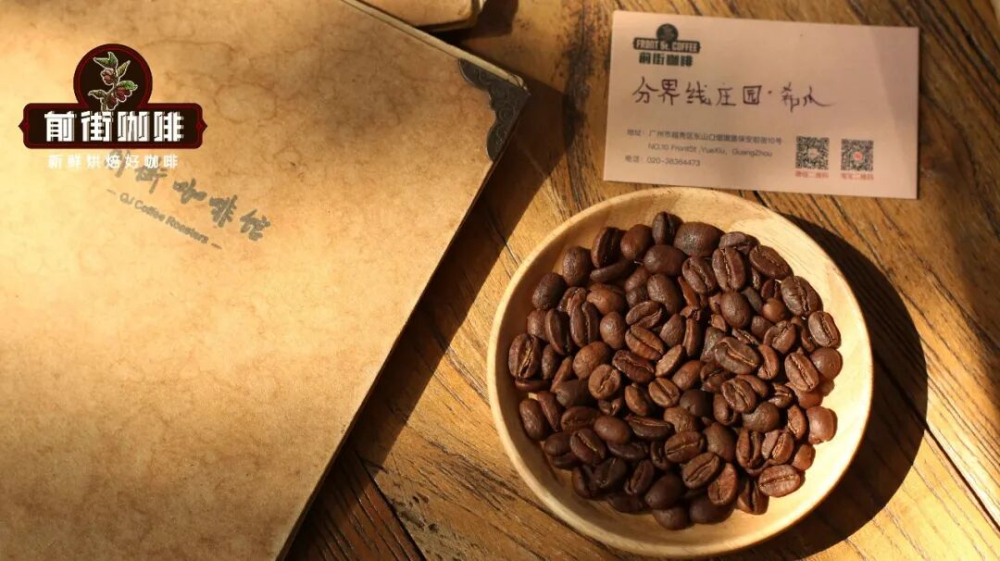
If you plan to pair milk with coffee, it is recommended to prioritize medium-dark roasted beans with prominent caramelized aromas. For example, Front Street Coffee. Front Street Classic Blend with chocolate and butter flavors; Front Street Coffee. Queen's Estate featuring creamy nut aromas; and Front Street Coffee. Golden Mandheling, known for caramel, spice, dark cocoa, and toasted bread notes.
If you don't like coffee that is too bitter and want more fruity notes, you can choose medium-roast beans described as ripe tropical fruit, dried fruit, or with fermented notes. For example, Front Street Coffee. Sidra, which highlights passion fruit notes; Front Street Coffee. Blackberry, with raisin and pineapple aromas, are both quite suitable choices.
To make the milk coffee's aroma richer, we chose Front Street Coffee. Queen's Estate, which has excellent balance. Whether you add milk before extraction or after extraction is complete, it adapts well. In addition, the freshness of the coffee beans directly determines the richness of the flavor, so it is best to grind and extract fresh to maximize the retention of aromatic substances. As for milk, it is recommended to use fresh milk with higher lactose and milk fat content. Brands commonly used by baristas, such as Guangming, Weiquan, Vitasoy, and Meiji, can all produce a silky-textured milk coffee.
Parameters for making milk-brewed coffee: 30g Front Street Coffee. Queen's Estate coffee beans, coffee-to-liquid ratio 1:12, 360g fresh milk, white sugar grind size (EK43s setting 10.5 / C40 grinder 26 clicks / China No. 20 standard sieve passing 75%), low-temperature soaking for 8 hours.

The process for making milk-brewed coffee is basically the same as cold brew. Put the ground 30g coffee powder into a sealable container, pour in 360g fresh milk, stir well, seal with two layers of plastic wrap, and refrigerate. After soaking for 8 hours, pour it out and filter out the coffee grounds with filter paper. The only troublesome part is that filtering takes a long time.
The freshly made milk coffee can actually be drunk directly, but you can also continue to seal and refrigerate it for 1 hour to let the soluble components infuse more fully into the milk, which will take the coffee's taste to the next level.
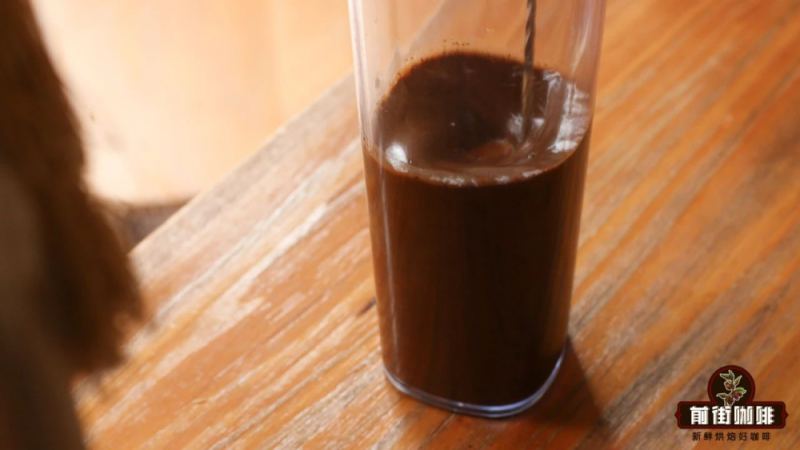
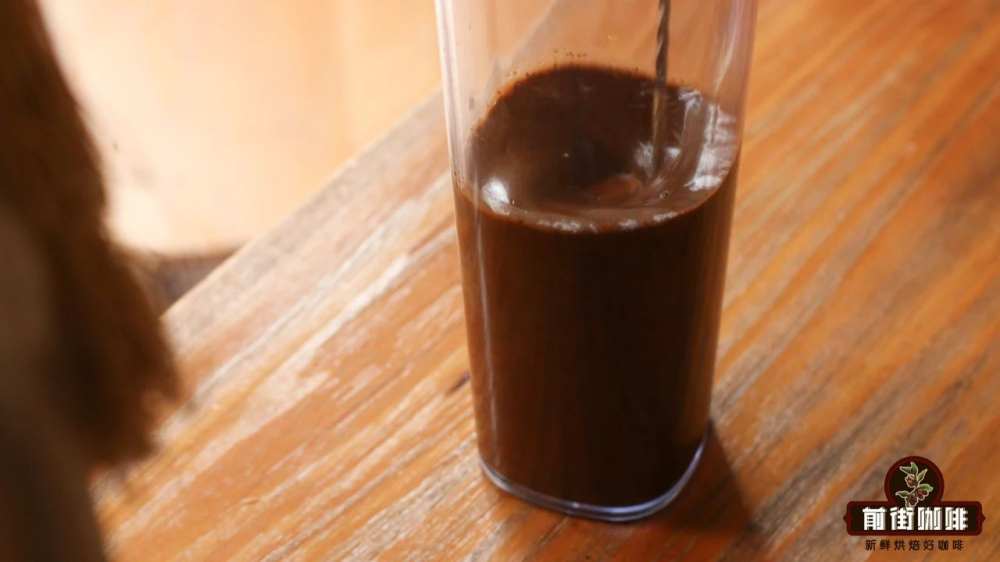
In appearance, Front Street Coffee. Queen's Estate milk-brewed coffee shows a darker milk tea color, like a stirred iced latte, with a visibly thick texture;
(Milk-brewed coffee)
When tasting, Queen's Estate milk brew has aromas of hazelnut, mixed nuts, and roasted peanuts on the entry, with a smooth and viscous mouthfeel, as if drinking a chilled Ovaltine.
The above content is compiled by CoffeeHunters, a coffee news website.


