







Search Results for: French Press price
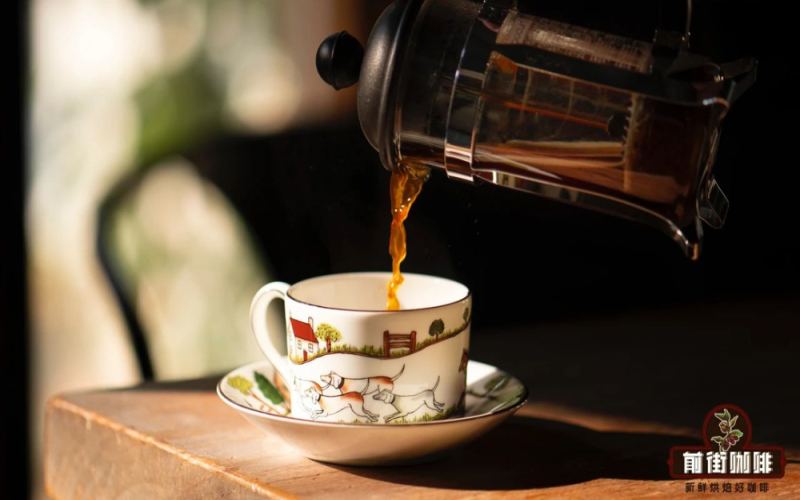
Is a French Press Worth Buying? Pros and Cons, Extraction Principles and Price Analysis, with Front Street Coffee's Practical Brewing Guide
For coffee beginners who have not yet mastered pour-over techniques, Front Street Coffee usually first recommends the French press—simple to operate and easy to get started with. Why can the French press win over coffee lovers who don't know how to do pour-over? This article will start with the origin and extraction principles of the French press, analyze its differences from pour-over coffee in taste and flavor, explain whether long steeping will extract undesirable flavors, and provide key parameters such as grind size, water temperature, and steeping time. In addition, taking the Costa Rica Musician Series Mozart coffee beans selected by Front Street as an example, it will fully demonstrate the French press brewing process and flavor performance, helping you judge whether the French press is expensive and whether it is worth buying. [more…]
Is a French Press Worth Buying? An Analysis of Pros, Cons, and Pricing — Front Street Coffee's Hands-On Sharing
Want to easily make a good cup of coffee but not skilled at pour-over? Front Street Coffee recommends that beginners try the French press. This simple brewing device originating from France, with its easy operation and rich, full-bodied flavor, has become the top choice for many coffee lovers just starting out. So is a French press really worth buying? Is it expensive? And what unique qualities does the coffee it extracts have? Starting from the working principles of the French press, this article will analyze its pros and cons and how to use it in detail, and use Costa Rican Mozart coffee beans as an example to demonstrate the specific operation and flavor performance of French press brewing, helping you fully understand whether this device suits you. [more…]
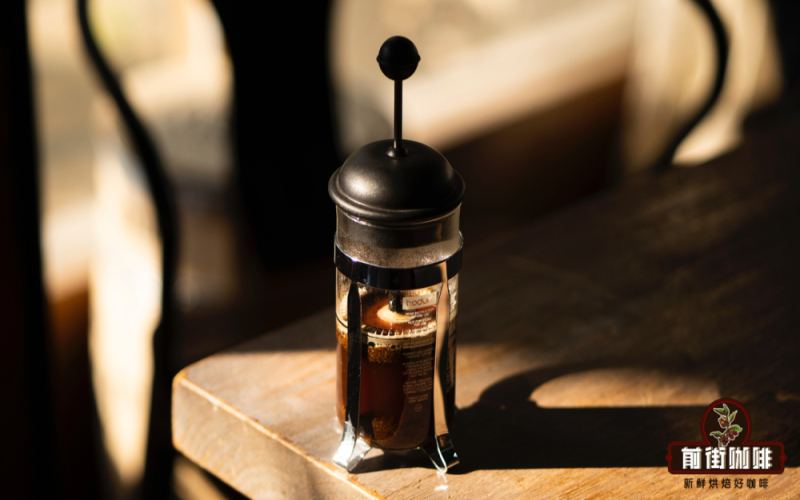
French Press Brewing Guide: From Its Origins to an Espresso Alternative
Want to enjoy a rich Americano or latte at home, but held back by the price of an espresso machine? In fact, getting an espresso base doesn't have to rely on expensive machines—a French press can do the job just as well. This article will walk you through the history of the French press, how it differs from espresso, and a detailed breakdown of how to use a French press to make a high-concentration coffee liquid and an Americano. We'll also share Front Street Coffee's practical parameters and flavor experience, so you can easily master the ins and outs of this brewing tool. [more…]
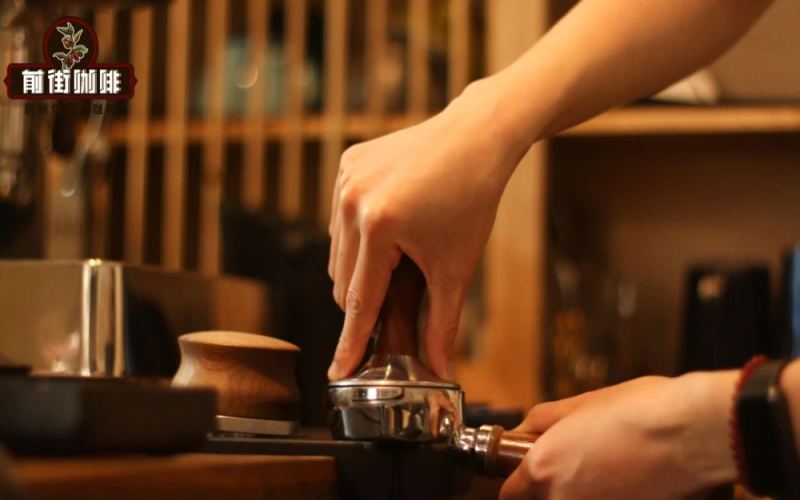
The Correct Guide to Using a Coffee Tamper: A Full Analysis of Espresso Tamping Techniques and French Press Grind Size
Making a proper espresso is impossible without tamping, a step that cannot be skipped. The tamper not only affects the density of the coffee puck but also directly determines whether extraction is even. This article starts from the actual function of the tamper, explains why it comes in so many sizes, and analyzes how different brands, materials, and designs affect its price. It also clears up a common misconception: although a French press has "press" in its name, it is a completely different concept from espresso tamping. The article also includes the specific brewing parameters and flavor description for Front Street Coffee's Strawberry Candy coffee beans in a French press, making it suitable for coffee lovers who want a deeper understanding of tamping and how to use a French press. [more…]
Can a French press also make an espresso base? A detailed explanation of the differences between French press coffee and espresso and the key operating points
Many coffee enthusiasts want to enjoy a latte or americano at home, but are put off by the price of espresso machines. In fact, if you want a rich coffee base, a French press can do the job just as well. This article focuses on how to make high-concentration coffee with a French press, and also explains the difference between it and true espresso, including the causes of crema, and how to adjust grind size and coffee-to-water ratio. Front Street Coffee also uses an Ethiopian natural Red Cherry as an example to demonstrate the specific process and flavor performance of making black coffee with a French press, making it a useful reference for enthusiasts who want to use simple equipment to increase coffee concentration. [more…]
The Correct Use of a Coffee Tamper and an Analysis of Coffee Ground Coarseness for French Press
In the process of making espresso, the tamper is one of the indispensable tools for a barista. It not only affects the degree to which the coffee grounds are compacted, but also directly relates to extraction quality and flavor performance. Starting from the practical role of the tamper, this article will analyze its size differences, the reasons behind its price, and key points for purchasing, while also extending to the brewing logic of the French press to explain how coffee grind size affects flavor. By comparing two methods—espresso tamping and French press immersion—it helps coffee enthusiasts gain a more comprehensive understanding of the key details in coffee preparation and make more suitable choices in practice. [more…]
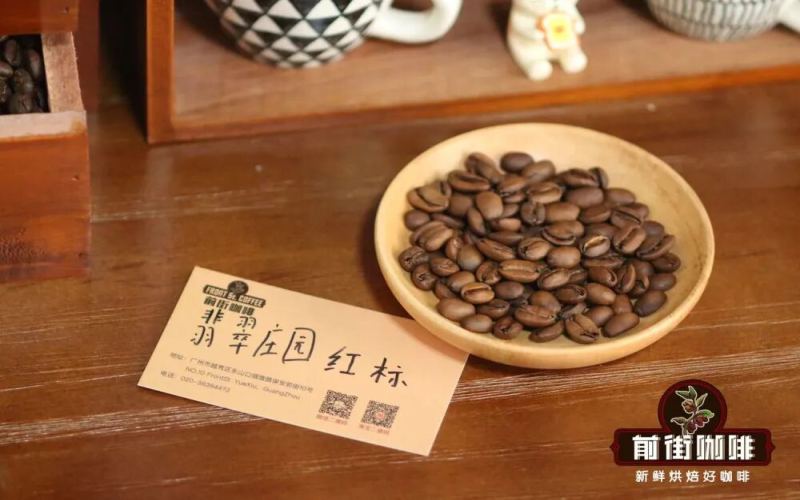
French Press Coffee | What are the differences in coffee flavors of Geisha from different regions? How to use a French press to brew a delicious cup of Geisha coffee?
Kopi Luwak, once one of the top-tier coffees, was so hard to find that a single bean was precious. Today, the newly crowned king of coffee, Geisha, is equally hard to come by. The reason Geisha coffee is so scarce is its high price. If you really do get your hands on a bag of Geisha coffee beans, you'll naturally treat it like a treasure to be savored. However, as someone who is still [more…]
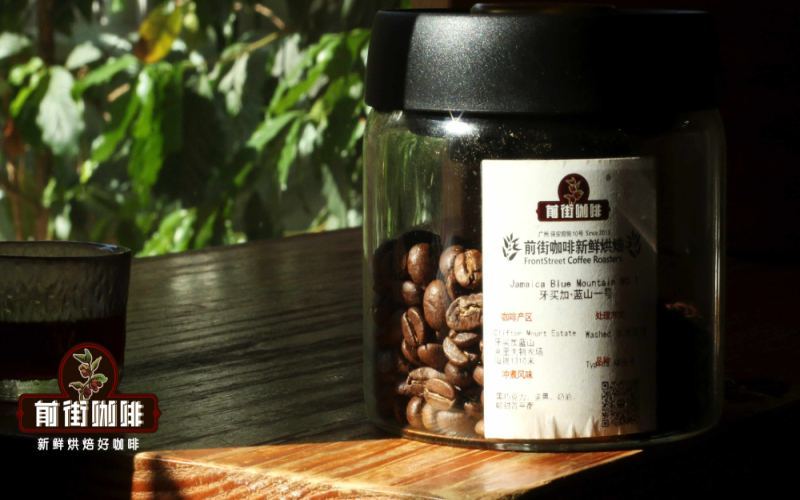
From Blue Mountain to Geisha: An Analysis of Three Brewing Methods for Panama's Top Coffee — Pour-Over, Siphon, and French Press
For a long time, domestic understanding of top-tier coffee was largely influenced by Japan, with Jamaican Blue Mountain and Hawaiian Kona holding sacred status. However, as the specialty coffee wave swept the globe, Panama Geisha rose dramatically, becoming the new generation of coffee royalty with its astonishing aroma performance and auction prices. This article systematically traces the variety's origins and spread, reviews its glorious record in international competitions and auctions, and introduces in detail the product positioning of Front Street Coffee's Emerald Red Label, Green Label, and Boquete Geisha. The article focuses on presenting three brewing methods: pour-over, siphon, and French press, providing specific parameters and operational steps for each, taking you through different dimensions to experience Geisha's signature jasmine, berry, and citrus notes. [more…]
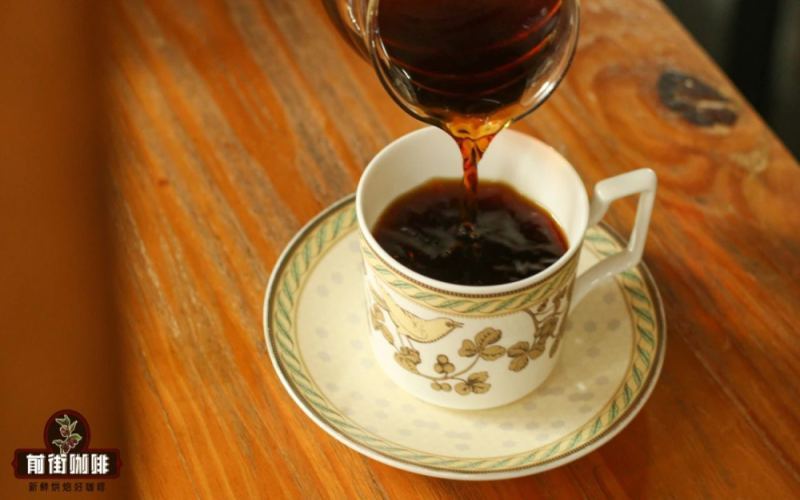
How to brew Panama Geisha coffee with a French press? Detailed explanation of coffee-to-water ratio, grind size, and operating steps
Geisha coffee is hailed as the king of the coffee world, but its high price makes it all the more regrettable if you brew it poorly after buying it. The Panama Geisha on Front Street Coffee's bean list is a light roast, known for its white floral notes, citrusy acidity, and honey-like sweetness. This article shares a complete method for brewing Front Street Coffee's Hacienda La Esmeralda Red Label Geisha with a French press, including water temperature, coffee dose, coffee-to-water ratio, grind size, and the four-minute immersion steps. It also introduces Geisha coffee's origin and terroir, the discovery history of Hacienda La Esmeralda, and several Panama Geisha products on Front Street Coffee's bean list, helping coffee lovers easily recreate the classic flavors of this top-tier coffee in their daily routine. [more…]
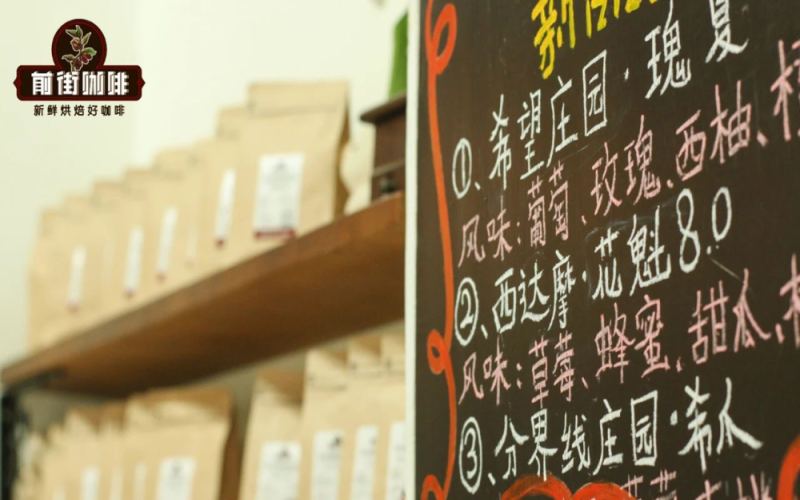
Panama Geisha Coffee Brewing Guide: Detailed Steps and Flavor Analysis for Pour-Over and French Press
Geisha coffee is hailed as the new king of coffee, expensive yet irresistible. If you're lucky enough to get your hands on a bag of Geisha beans, how should you brew them to do justice to their price? This article starts from the light-roast characteristics of Front Street Panama Geisha and shares in detail two brewing methods: pour-over and French press. The pour-over uses a V60 dripper, 91°C water temperature, and a 1:16 coffee-to-water ratio, bringing out white floral and citrus notes through staged pouring; the French press simplifies the process with the immersion principle, using a coarser grind and a 4-minute wait to deliver a full-bodied cup with rich berry sweetness. At the same time, the article provides an in-depth analysis of Panama Geisha's terroir advantages, the discovery history of Hacienda La Esmeralda, and the strict standards and slow sun-drying process of Red Label Geisha, guiding you to a comprehensive understanding of this top-tier coffee's unique charm. [more…]
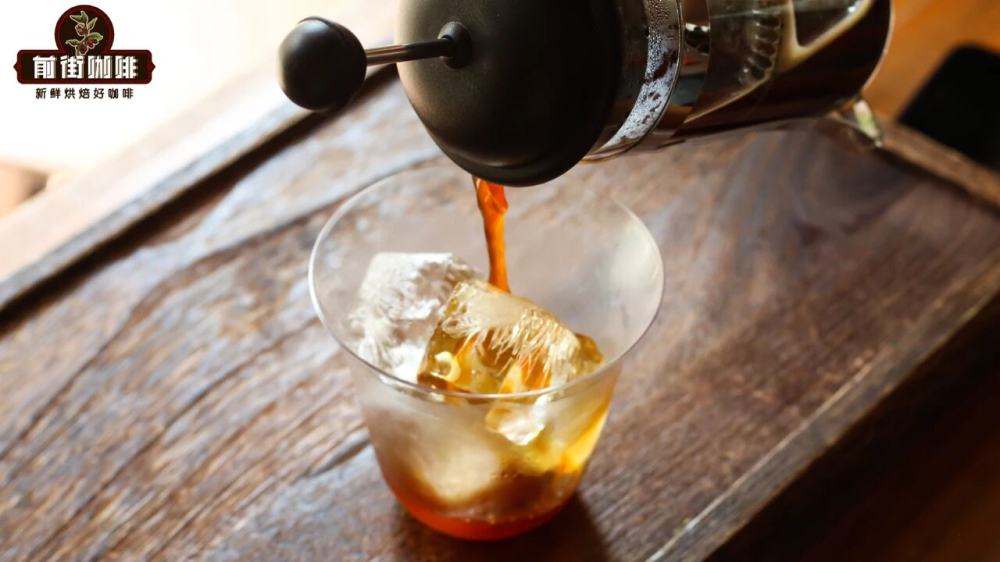
French Press Usage and Origin History | What Is the Extraction Principle of French Press Coffee? How Fine Should French Press Coffee Beans Be Ground? How to Use a French Press to Brew Sun-Dried Geisha Coffee Beans?
The history of the French press can be traced back many years, but there is much controversy over who exactly invented it. The first patent in history for a coffee brewing device similar to the modern French press was granted to an Italian from Milan named Attilio Callimani. Since [more…]
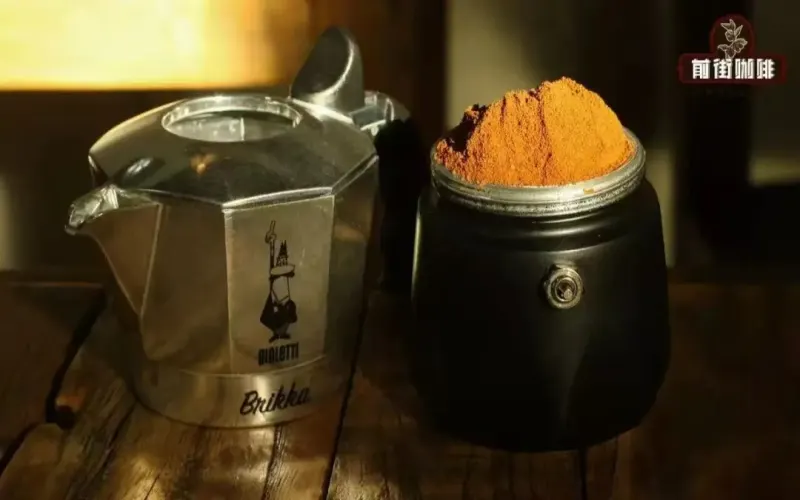
How to Choose Between a French Press and a Moka Pot: Is a Moka Pot Suitable for Beginners? A Coffee Bean Buying Guide for Moka Pots
The French press and the moka pot are both coffee brewing devices suitable for beginners, but their extraction principles, flavor profiles, and operational difficulty differ. The French press uses immersion extraction, is simple to operate, and produces a full-bodied taste; the moka pot uses pressure extraction and can produce a more concentrated coffee liquid with oils. This article will compare the two devices in terms of principles, structure, and usage methods, and focus on introducing coffee bean choices suitable for the moka pot, including Front Street Coffee's Golden Mandheling, Brazil Queen's Estate, and Colombia Huila single-origin beans, as well as three blends: Classic Espresso Blend, Basic Espresso Blend, and Commercial Espresso Blend, to help coffee enthusiasts find the moka pot coffee beans that best suit them. [more…]
What Coffee Beans Should You Pair with a French Press? A Complete Guide to Brewing Steps and Key Techniques
To easily make a rich cup of black coffee at home, the French press is one of the lowest-barrier options, and its operation is quite similar to brewing tea. This article begins with the origin and structure of the French press, then sorts out the key parameters affecting extraction—grind size, water temperature, coffee-to-water ratio, and steeping time—and gives specific recommendations for medium-light and medium-dark roasted beans. It also reminds readers of the deep-cleaning points after use, as well as the French press's expanded uses in brewing tea, frothing milk, and more. The parameters and product information recommended by the Front Street brand in the article are all retained, making it suitable for coffee enthusiasts who want to systematically master French press brewing. [more…]
Analysis of the three common mistakes in French press coffee brewing, and how to control grind size, water temperature, and coffee-to-water ratio for the best taste.
The French press is simple to operate and versatile, making it the preferred device for many coffee enthusiasts getting started with specialty coffee. However, precisely because it is so easy to use, it is easy to overlook several key variables during brewing: grind size, water temperature, and coffee-to-water ratio. This article begins with the history and working principles of the French press, outlines three common mistakes in brewing, and, drawing on the practical experience of Front Street Coffee, provides specific parameter recommendations for coffee beans of different roast levels. Finally, using the Huakui coffee bean as an example, it demonstrates a complete French press brewing process, helping readers extract the fullest flavor of the coffee possible while preserving its rich, full-bodied taste. [more…]
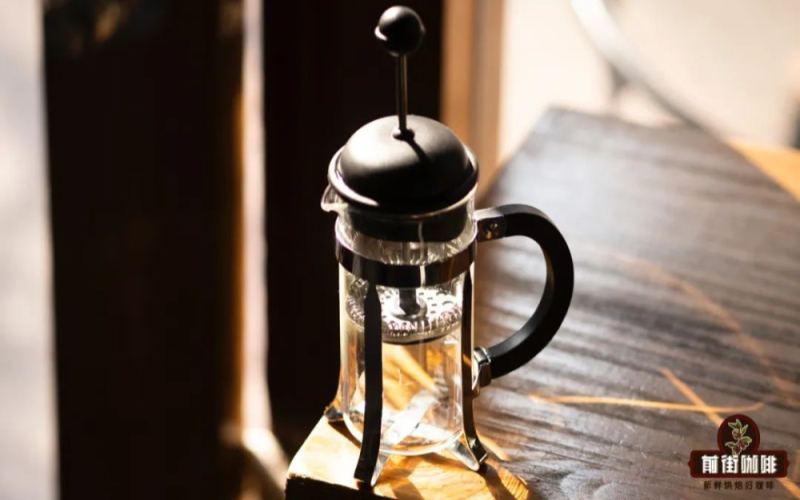
The Complete Guide to Brewing Geisha Coffee with a French Press: Grind, Water Temperature, Ratio, and Timing Parameters Explained
The French press has a low barrier to entry, but if you want to consistently brew a good cup of coffee, the key still lies in parameter control. This article starts with the origin and structure of the French press, sorts out the approach to bean selection, and gives specific suggestions around four variables: grind size, water temperature, coffee-to-water ratio, and steeping time. Using the medium-light roasted Front Street Grana Geisha as an example, it explains the yellow peach, apricot, citrus, and lemon notes brought by the natural process, as well as its refreshing performance whether hot or cold. It will also mention the pros and cons of a fine grind, the trade-off between body and clarity brought by the metal filter, and the key points for disassembling and cleaning after use. [more…]
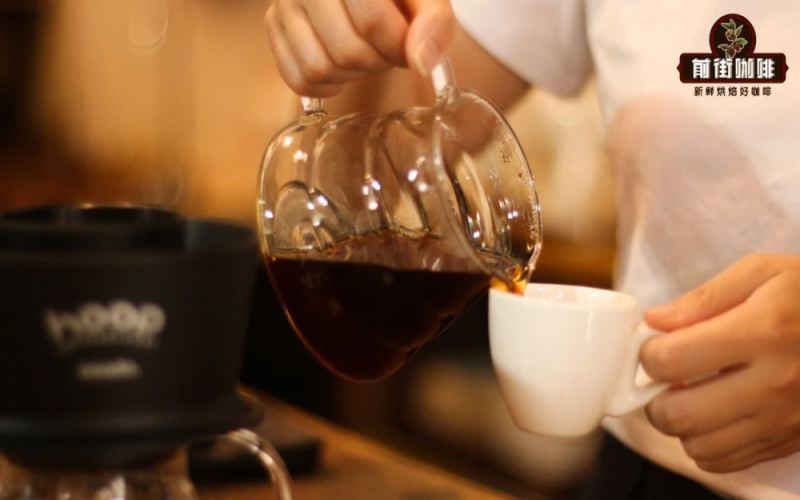
Front Street Coffee Blue Mountain French Press Brewing Guide: Grind Size, Coffee-to-Water Ratio, and Step-by-Step Method
The French press is one of the easiest coffee brewing devices to get started with, and its operation is similar to steeping tea. However, using it to extract an expensive bean like Front Street Blue Mountain No. 1 still requires mastering key variables such as grind size, water temperature, coffee-to-water ratio, and steeping time. This article takes Front Street Jamaican Blue Mountain No. 1 coffee beans as an example, first introducing the flavor characteristics and origin background of this washed Typica, then breaking down in detail the complete operating steps and precautions for the French press. From weighing the beans, pouring water, stirring, to pressing the filter, every step affects the nutty, chocolate, and caramel notes in the final cup, making it a useful reference for coffee lovers who want to consistently reproduce the Blue Mountain flavor at home. [more…]
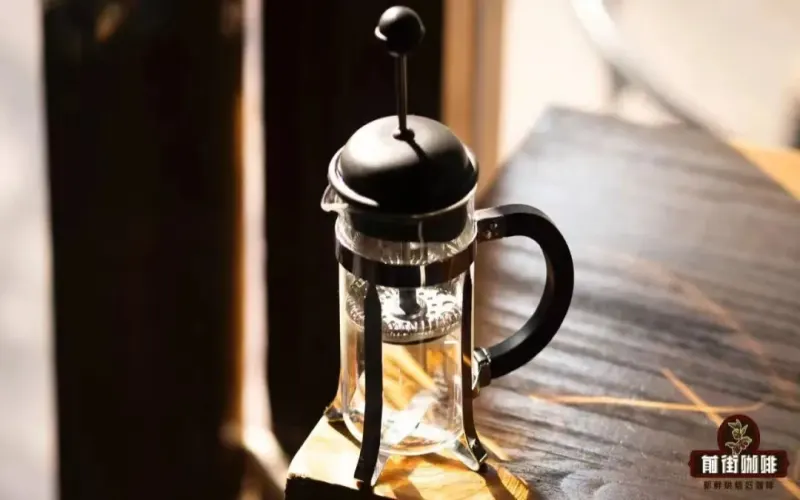
French Press Iced Coffee Brewing Guide: Full Breakdown of Coffee-to-Water Ratio, Grind Size, and Steeping Time
On a scorching summer day, who wouldn't want a glass of ice-cold, refreshing coffee? The French press is deeply loved by coffee enthusiasts for its simple operation and high tolerance for error. However, most tutorials only cover how to make hot coffee, while methods for brewing iced coffee are rarely shared. This article will explain in detail how to use a French press to make a rich and delicious cup of iced coffee, including the coffee-to-water ratio, grind size, water temperature control, and the complete step-by-step process. It will also recommend several Front Street Coffee beans suitable for immersion brewing, so you can easily recreate a professional-level iced coffee experience at home. [more…]
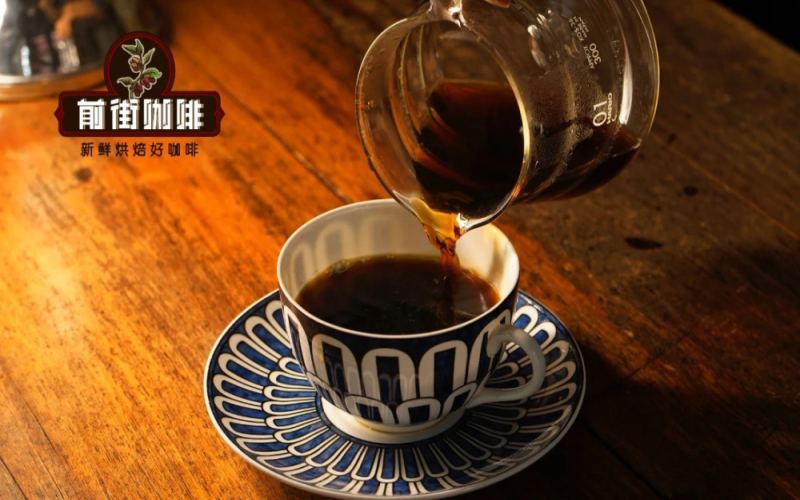
What Is the Flavor of Yunnan Huaguoshan Small-Bean Coffee? Arabica Small-Bean Processing Methods and French Press Brewing Steps
The flavor profile of Yunnan coffee tends to be balanced, combining acidity, sweetness, and bitterness. When presented with a medium roast, it can highlight chocolate notes while retaining some acidity. Front Street Coffee offers two Yunnan coffees: one presents nutty, herbal aromas, brown sugar sweetness, and plum acidity, with a balanced mouthfeel, suitable for entry-level pour-over; the other, a sun-dried Typica, features higher fruity and melon sweetness, berry acidity, black tea-like fullness, and chocolatey depth, with a clean finish. This article starts with the evolution of Yunnan coffee varieties, explains why Typica was replaced by Catimor, and introduces Front Street Coffee's 2013 sun-dried Typica grown in Lincang, along with complete French press brewing steps for coffee enthusiasts' reference. [more…]
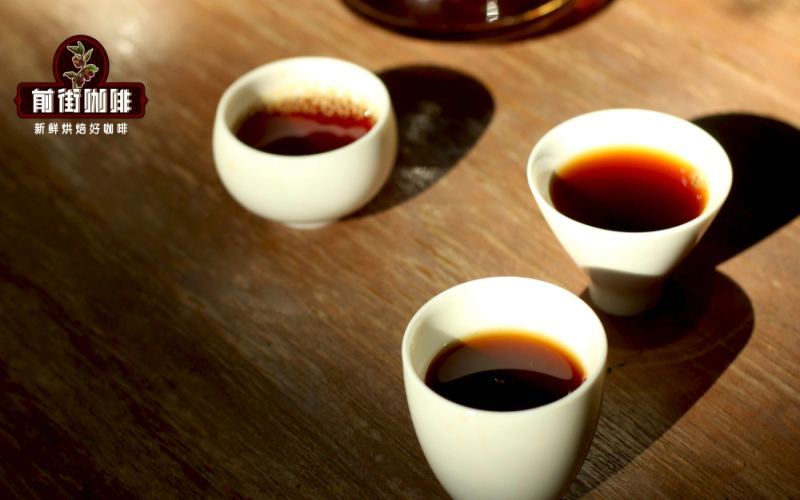
What Does Yunnan Arabica Coffee Taste Like? Typica Variety Quality Analysis and French Press Brewing Guide
Yunnan Arabica coffee is the representative of China's domestic coffee, with plump beans and a balanced taste. This article focuses on the two major varieties in Yunnan, Typica and Catimor, tracing the cultivation evolution from the introduction of Typica by missionaries in 1904 to the present, analyzing Catimor's advantages of disease resistance and high yield as well as its flavor limitations, and highlighting Front Street's journey of cultivating Typica in Lincang, Yunnan, along with its cupping performance. The latter half of the article provides a detailed demonstration of the steps for brewing Front Street Yunnan Typica with a French press, covering key parameters such as water temperature control, coffee-to-water ratio, and steeping time, making it suitable for enthusiasts who wish to gain a deeper understanding of Yunnan coffee and try it hands-on. [more…]
What Is the Flavor of Yunnan Typica Coffee Like? A Complete Guide to Brewing Front Street Yunnan Small-Bean with a French Press
Yunnan coffee, also known as Yunnan small bean, is the representative of China's domestic coffee. Front Street Coffee has always been committed to promoting Yunnan coffee, hoping to change more people's preconceived impressions of domestic coffee. Front Street knows well the important influence of variety on flavor. At present, the varieties that can be produced in batches in Yunnan mainly include Catimor, Typica, and Bourbon. Among them, Front Street Catimor is positioned as an entry-level pour-over bean, suitable for beginners to taste; Front Street Typica is the representative of Yunnan's advanced specialty coffee, pursuing richer aroma and a cleaner profile. This article will take you through the historical origins and varietal characteristics of Yunnan Typica, as well as Front Street's journey of selecting and cultivating Typica in Lincang, Yunnan. Finally, it will share a convenient French press brewing method, so you can easily brew a cup of truly Yunnan Typica coffee at home. [more…]