







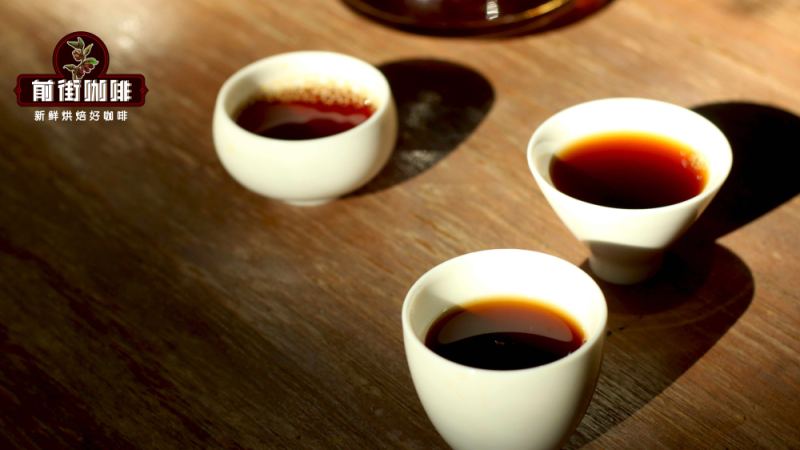
How Does Yunnan Arabica Coffee Taste?
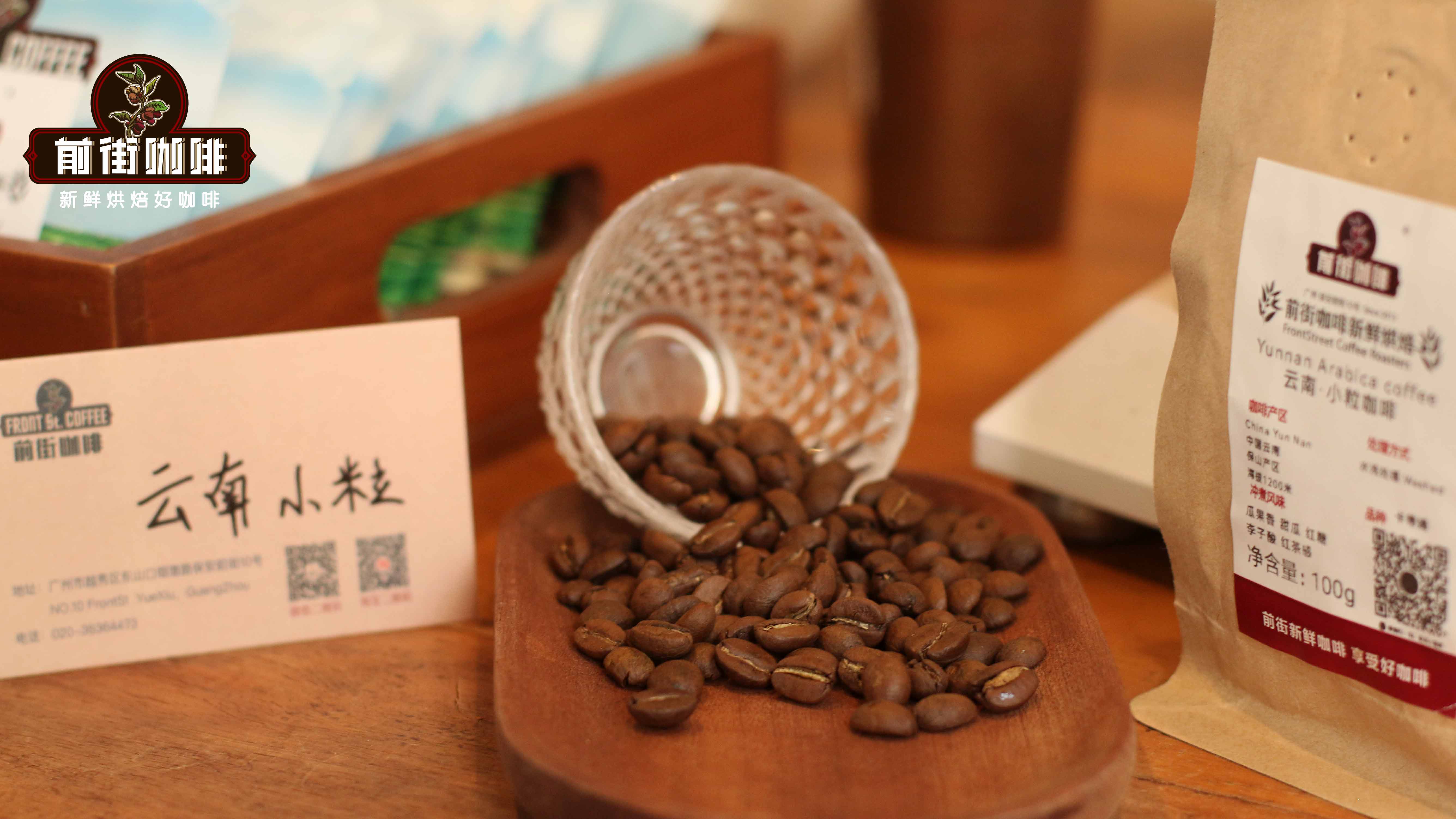
Yunnan small-bean coffee, the representative of China's domestic crop, has plump beans and a balanced body. Its Typica lots, grown by Front Street in Lincang, show a richer aroma and clearer flavor direction than the entry-level Catimor that most local farms plant for its disease resistance and high yield.
Typica arrived in Yunnan in 1904, when the French missionary Tian Deneng brought coffee seeds from Vietnam and planted them in Zhugula Village, Binchuan County. Arabica grown at higher altitudes develops more sweetness. A French press works well for this arabica variety, with attention to water temperature, coffee-to-water ratio and steeping time.
Yunnan small-bean coffee is the representative of China's domestic coffee, with plump beans and a balanced taste. This article focuses on the two major varieties in Yunnan, Typica and Catimor, tracing the cultivation evolution from the introduction of Typica by missionaries in 1904 to the present, analyzing Catimor's advantages of disease resistance and high yield as well as its flavor limitations, and focusing on Front Street's journey of cultivating Typica in Lincang, Yunnan, and its cupping performance. The latter half of the article demonstrates in detail the steps for brewing Front Street Yunnan Typica with a French press, covering key parameters such as water temperature control, coffee-to-water ratio, and steeping time, suitable for enthusiasts who wish to gain a deeper understanding of Yunnan coffee and try it themselves.
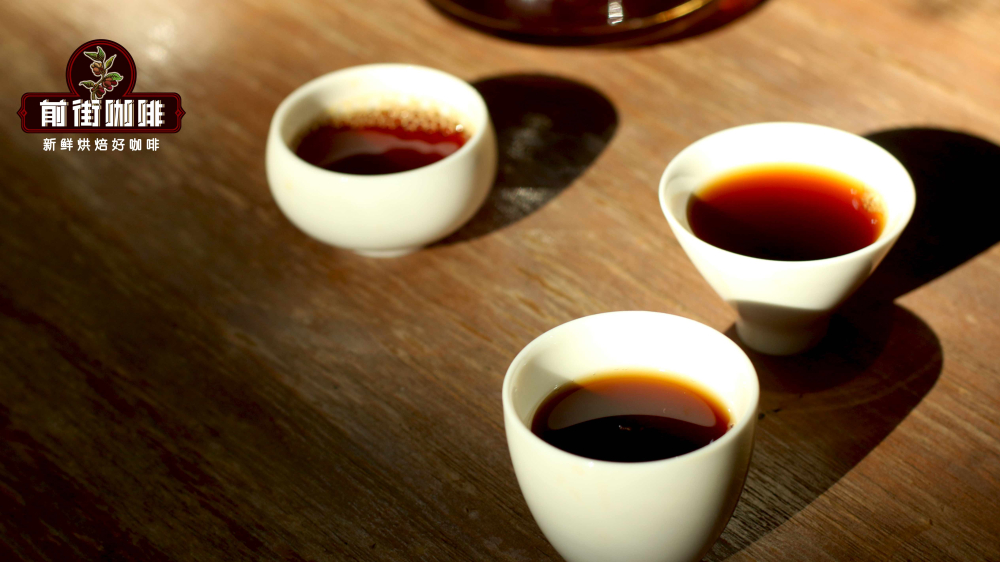
Yunnan coffee is also called Yunnan small-bean domestically, with uniform bean shape, plump beans, and just the right body. The reason Front Street favors Yunnan coffee is that it is a coffee product belonging to the Chinese people themselves, and Front Street has always held the wish to let more people rediscover Yunnan coffee. Front Street knows well that variety is the key factor determining the direction of flavor. At present, the varieties that can be produced on a large scale in Yunnan are mainly Catimor, Typica, and Bourbon. Front Street's Catimor is positioned as the entry-level pour-over bean of Yunnan small-bean, very friendly to those who have just come into contact with coffee; Front Street's Typica is the representative of Yunnan's advanced specialty coffee, pursuing a richer aroma expression and a clearer flavor direction.
The history of Yunnan Typica can be traced back to 1904, when the French missionary Tian Deneng brought coffee seeds (Typica) from Vietnam into Yunnan and successfully planted them in Zhugula Village, Binchuan County. This is regarded as the starting point of Yunnan coffee, usually called small-seed coffee, and popularly known as Yunnan small-bean coffee.
The so-called "small bean" refers to the Arabica variety. Compared with the medium-bean coffee beans (Robusta) planted in Hainan, its fruit is smaller. As Front Street also said above, the earliest coffee trees introduced to Yunnan all belonged to the two pure Arabica lines, Typica and Bourbon. Arabica grown at higher altitudes has abundant sweet and sour aromas and is recognized by the industry as an excellent variety.
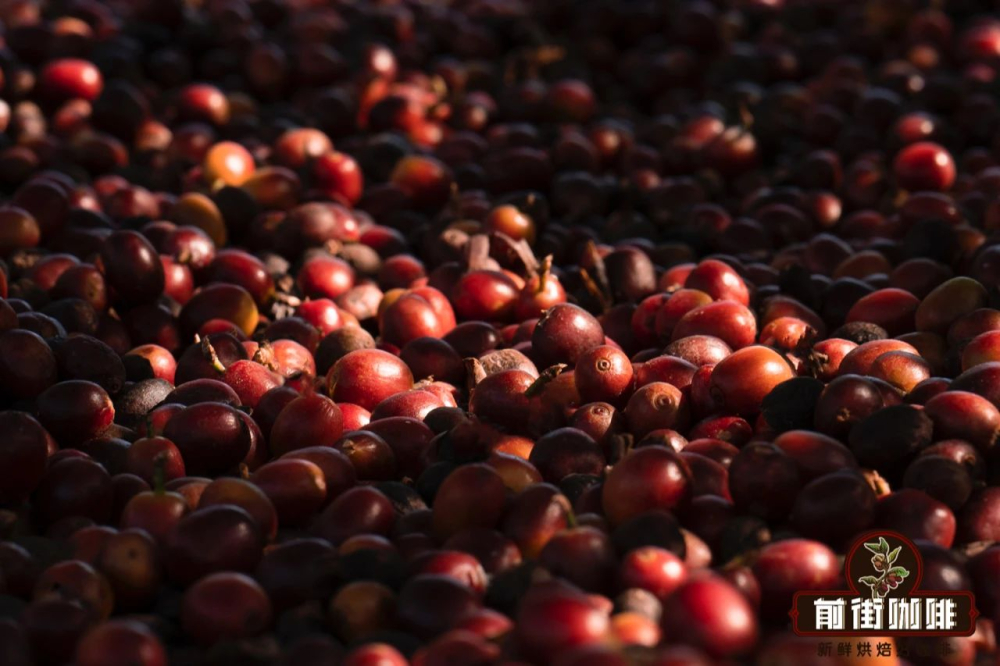
However, these two varieties have extremely poor stress resistance, are prone to disease, and also have low yield per plant, so most Yunnan farmers who make a living from coffee have switched to planting the higher-yielding Catimor.
Although Catimor is classified as Arabica, in terms of genetic composition it carries about 25% Robusta ancestry. According to information Front Street looked up, Catimor "CIFC7963" is a hybrid variety bred by the Portuguese Coffee Rust Research Center (CIFC) to address coffee leaf rust. In appearance, this variety shows a compact tree shape, short plants, dense branching, short fruiting nodes, vigorous growth, and tenacious vitality. Its most prominent advantages are extremely strong rust resistance and high-yield characteristics. Precisely because it inherits Robusta genes, Catimor has strong disease resistance and considerable yield, and after roasting the bean surface is rich in oil, while also carrying the "sweet-bitterness" unique to Robusta.
Catimor's flavor performance in cupping is usually relatively flat, not highly recognizable, and also cannot compare with those pure Arabica varieties under the same altitude conditions, such as Caturra, Bourbon, and so on. As the most widely planted coffee variety, Front Street Yunnan small-bean takes selected Catimor as its main product. Because it uses washed processing, it can present the basic flavor direction of this producing region, and is very suitable for beginners who have just stepped into the world of coffee to taste.
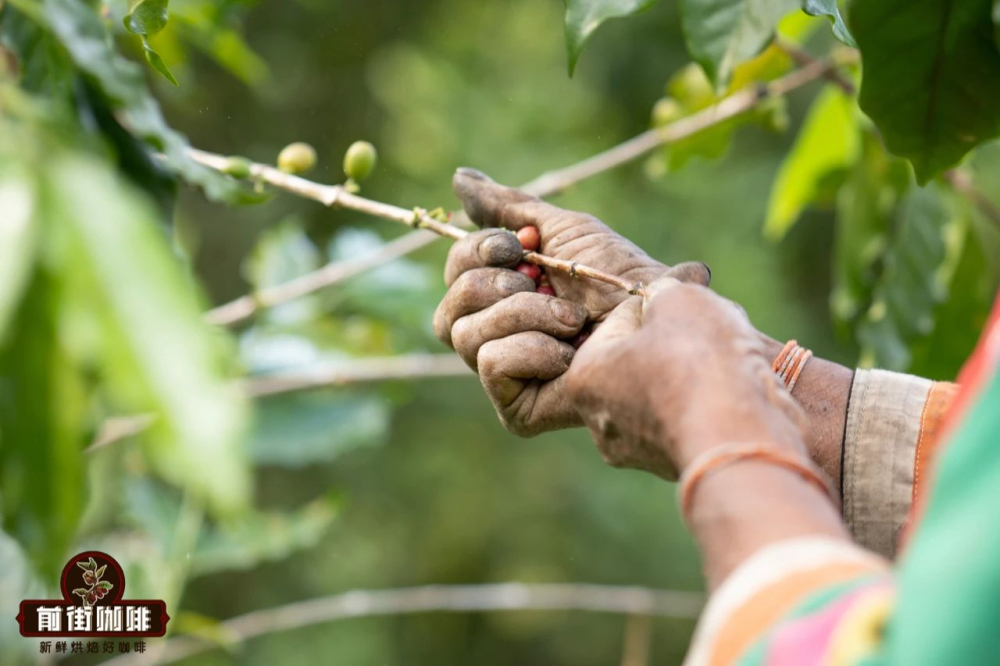
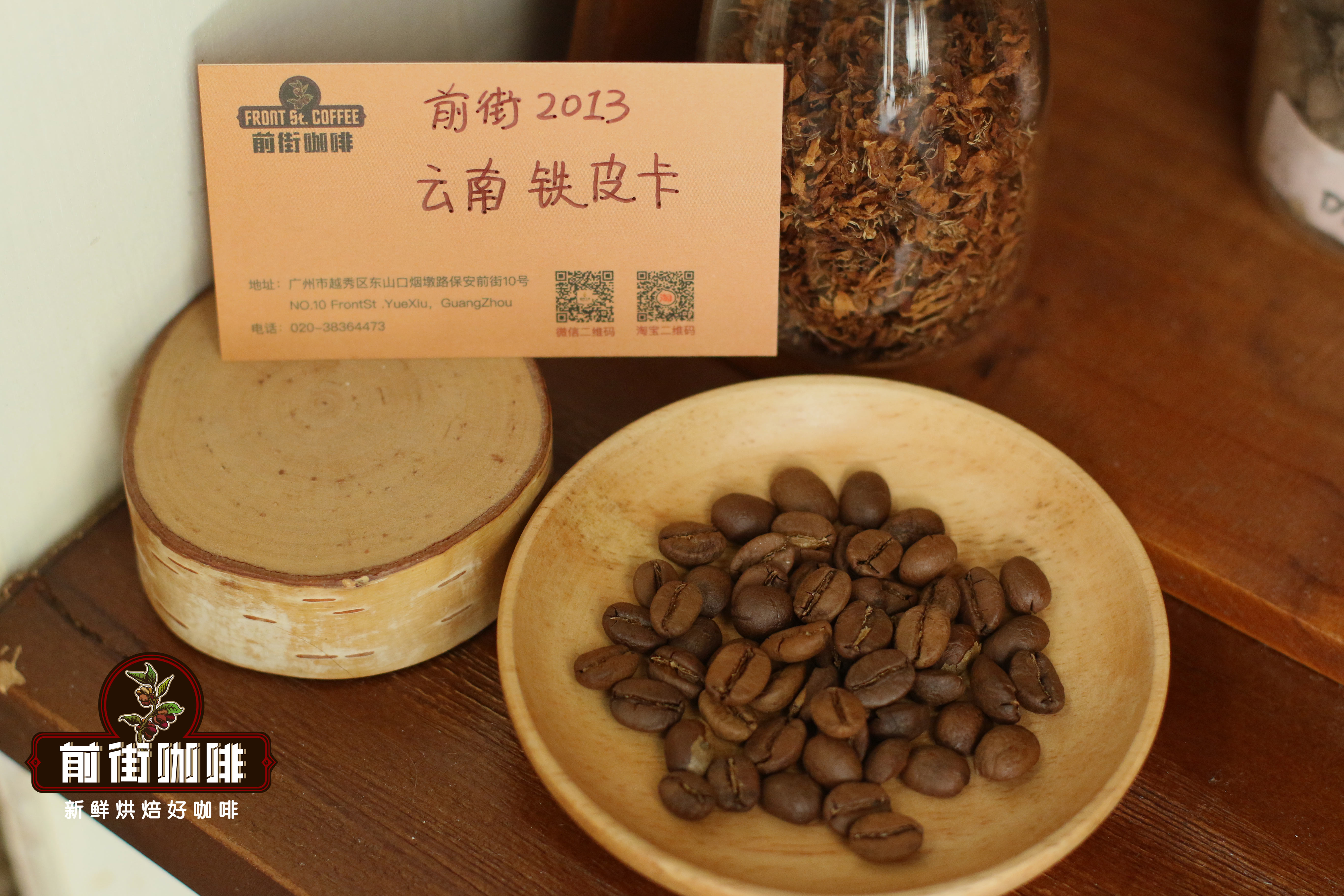
So today, besides Catimor, does Yunnan also grow other small-bean varieties? The answer is yes. The coffee trees that Front Street selected and bred in Lincang, Yunnan, in 2013 are all the ancient variety Typica. After five to six years of cultivation, Front Street finally harvested the first batch of fruit in 2020, processed them by the natural method, and named them "Front Street 2013."
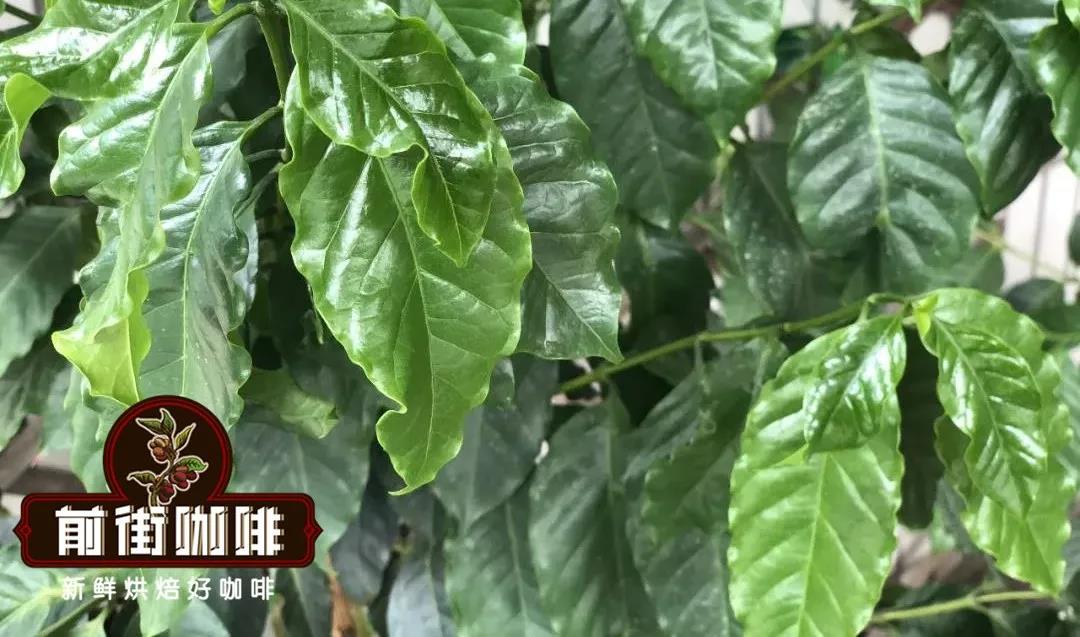
Typica has only gradually come to be planted on a small scale in recent years. Because Typica has poor disease resistance and is susceptible to leaf rust, its growth status must be monitored at all times, and every leaf must be carefully cared for, so Front Street jokingly says Typica is like "Lin Daiyu." Typica has low yield, and coffee farmers who grow Catimor are unwilling to switch to Typica without guaranteed returns, and the planting process requires a large investment of time and energy. Front Street believes this is precisely the main reason why Yunnan coffee beans, even with the support of special processing methods, still cannot fetch a high price. Since not many people are willing to do this, Front Street aimed at this opportunity more than ten years ago and took the lead in setting an example by planting Typica.
When Front Street talks about the flavor characteristics of Yunnan coffee, some describe it as chocolate, some feel it is like sweet potato, and some friends say it is like Sanhua plum. Front Street believes that the flavor of Yunnan small-bean tends toward a neutral and balanced tone, that is, possessing sweetness, acidity, and bitterness all at once. Therefore, the Front Street Yunnan coffee on Front Street's bean rack is uniformly medium-roasted, highlighting caramelized aromas such as chocolate and nuts, while retaining some fruity acidity. During cupping, Front Street captured from Front Street Yunnan small-bean Typica the aromas of chocolate, nuts, dried apricot, and brown sugar, as well as the rounded sweetness of melon and fruit. After swallowing, a black-tea-like aftertaste remained in the mouth.
There are many ways to drink Front Street Yunnan Typica coffee: pour-over, cold brew, and drip bags are all fine, but Front Street prefers the easiest French press.
Required equipment: French press, gooseneck kettle, grinder, thermometer, electronic scale, timer, fresh coffee beans, coffee cup.
Front Street French press coffee operation process:
1. Weigh 20g of fresh coffee beans.
2. The water temperature for a French press is generally controlled between 85 and 95°C, depending on the roast level of the beans: for light-roast beans, a higher water temperature can be used to highlight the aroma; for dark-roast beans, a lower water temperature can be used to suppress bitterness. Everyone needs to grasp this based on experience and taste preference.
3. Pour the ground coffee powder into the French press.
4. Pour in water, and you can pour evenly in circles like with pour-over.
5. Pour in about 300g of hot water, with a coffee-to-water ratio of about 1:15. As mentioned earlier, the coffee-to-water ratio for a French press is roughly between 1:14 and 18, and can be adjusted according to personal taste. This French press has no scale markings, so we use an electronic scale to measure the water amount: after pouring in the coffee powder, tare the electronic scale to zero, then weigh the hot water. Although the weight and volume of hot water differ somewhat from cold water, under home conditions this error can be ignored.
6. Stir.
7. Put on the lid, but do not press down the filter, and let it steep for 4 minutes. If the time is short, the taste will be lighter; if the time is long, the taste will be stronger, so the time is also set according to personal taste.
8. Filter: press down on the plunger and slowly push it down to the bottom of the pot. This action should be slow to prevent fine powder from passing through the metal filter. Stop when it is close to the bottom of the pot; do not wait until it cannot be pressed any further before stopping.
9. Pour out the coffee: slowly tilt the French press to avoid the coffee powder at the bottom floating up due to violent shaking and affecting the taste.
10. Enjoy French press coffee.
The above content is compiled by CoffeeHunters, a coffee news website.


