







What Does Yunnan Arabica Coffee Bean Flavor Taste Like?
Yunnan arabica coffee bean flavor leans balanced, with acidity, sweetness, and bitterness together. A medium roast highlights chocolate notes while keeping some acidity. One common Yunnan lot shows nutty and herbal aromas, brown sugar sweetness, and plum-like acidity with a balanced mouthfeel, suited to entry-level pour-over. A sun-dried Typica from Lincang shows fruit and melon sweetness, berry acidity, black tea body, and a clean finish.
Yunnan's early plantings were Typica, but coffee leaf rust and low yields pushed farmers toward Catimor, which is more productive and disease resistant. By 1998, over ninety percent of Yunnan's coffee varieties were Catimor, a 1959 hybrid of Timor and Caturra from the Portuguese research center CIFC. For French press brewing, use a coarse grind and a four-minute steep before pressing slowly.
Yunnan coffee's flavor profile leans toward balance, combining acidity, sweetness, and bitterness. When presented with a medium roast, it can highlight chocolate notes while retaining some acidity. Front Street has two Yunnan coffees: one presents nutty, herbal aromas, brown sugar sweetness, and plum-like acidity, with a balanced mouthfeel, suitable for entry-level pour-over; the other, a sun-dried Typica, carries higher fruit and melon sweetness, berry acidity, black tea-like body, and chocolate richness, with a clean finish. This article starts from the evolution of Yunnan coffee varieties, explaining why Typica was replaced by Catimor, as well as Front Street's 2013 sun-dried Typica grown in Lincang, and includes complete French press brewing steps for coffee enthusiasts' reference.
In Front Street's view, Yunnan coffee's overall flavor direction is relatively balanced, showing acidity, sweetness, and bitterness. If a medium roast is used, it can both highlight chocolate-like aromas and retain some acidity.
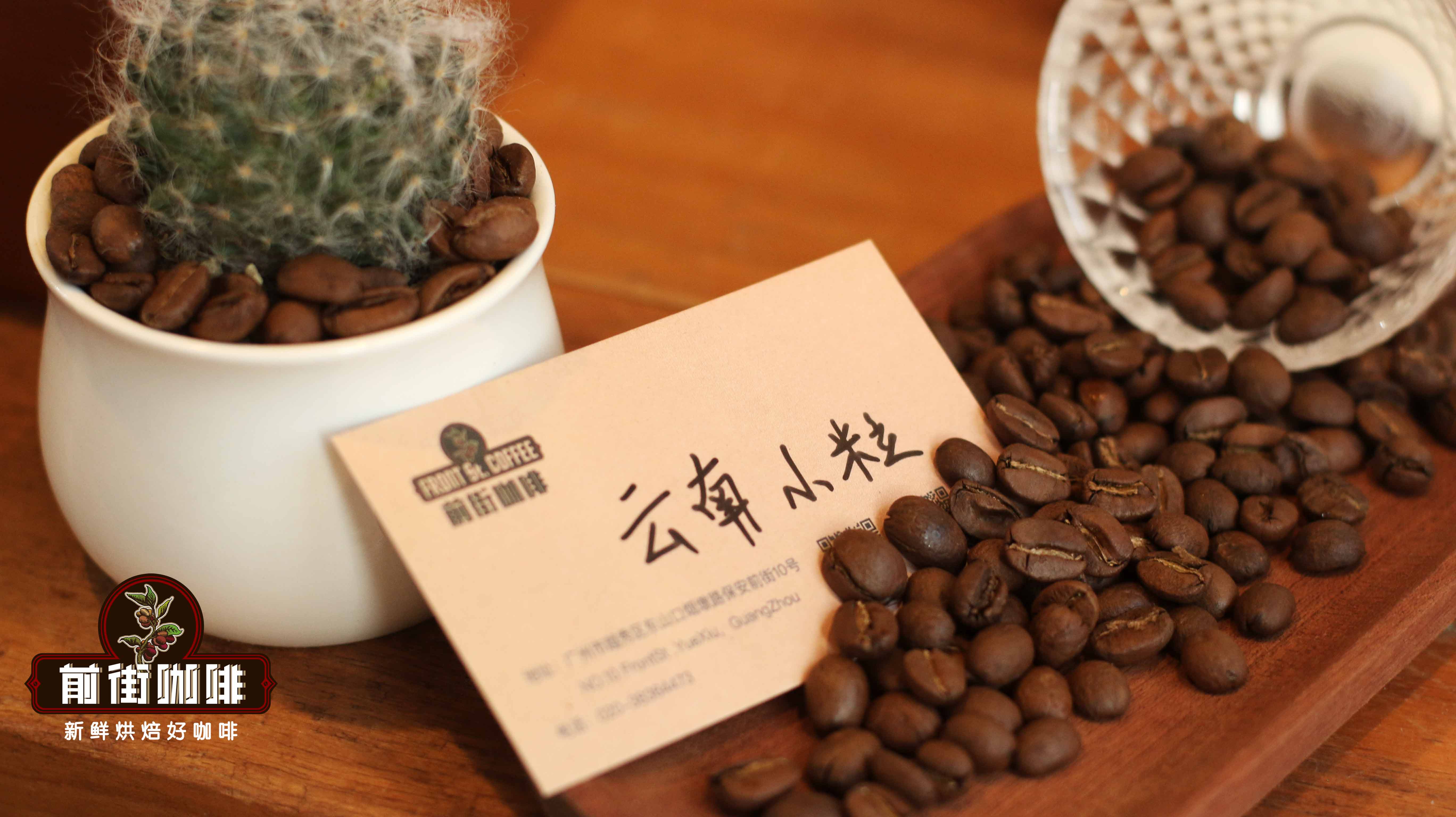
Front Street currently has two Yunnan coffees. Front Street Yunnan Arabica coffee beans carry nutty and herbal notes, with sweetness similar to brown sugar, acidity close to plum, and a balanced mouthfeel, suitable as an entry-level pour-over single origin.
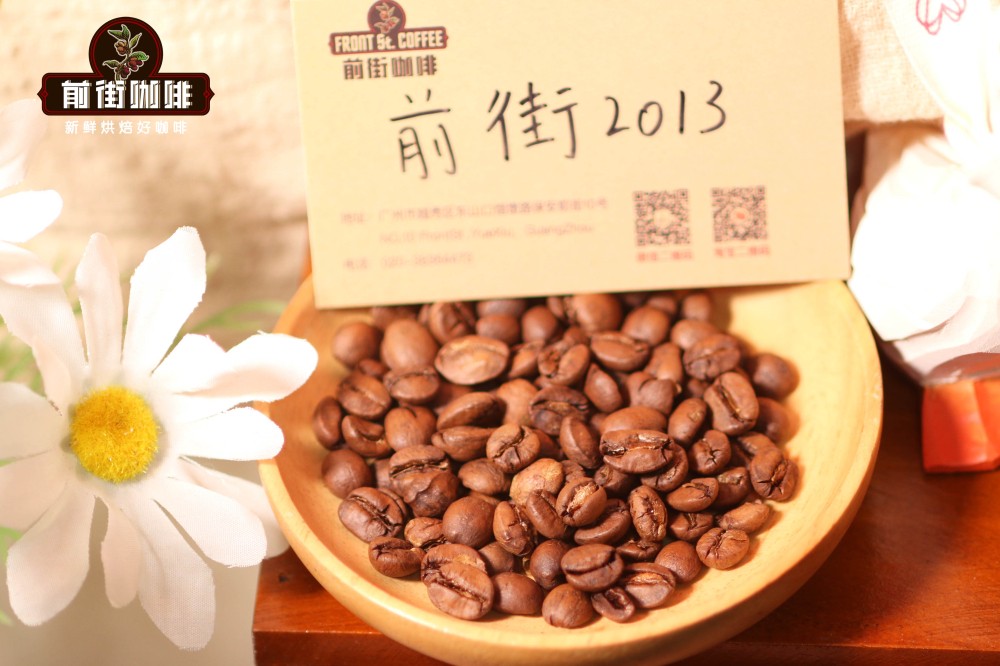
The sun-dried processed Front Street 2013 Yunnan Typica has more prominent fruit and melon sweetness, acidity leaning toward berries, a body like black tea, and a chocolatey richness. The overall flavor is clear, with a clean finish, making it a representative among pour-over specialty coffee beans.
The coffee variety planted in Yunnan in the early days was actually Typica. As reform and opening up advanced, many international coffee giants entered Yunnan. Because Typica is susceptible to coffee leaf rust and has low yields, local farmers had to cut down this elegantly flavored variety and switch to Catimor, which has higher yields and resistance to leaf rust.
In "Specialty Coffee Studies," Han Huaizong, when introducing China's coffee-producing regions, mentioned that by 1998, over ninety percent of Yunnan's coffee varieties were Catimor.
Catimor is a hybrid variety developed in 1959 by the Portuguese Coffee Leaf Rust Research Center CIFC, with parents Timor and Caturra. Its characteristics are high productivity, short plants that can be densely planted, and good disease resistance. However, Catimor carries Robusta genes, sometimes presenting bitterness and grassy flavors, more pronounced than pure Arabica, and is slightly inferior in cleanliness, fruity notes, and complexity.
Robusta has strong resistance to leaf rust, rich oils, high yields, and is easy to cultivate. After hybridizing with the Arabica variety Typica, Catimor carries 25% Robusta genes, which both improves leaf rust resistance and retains rich oils, while inheriting some of the rich flavors of the original Typica species. According to Front Street's understanding, most estates in Yunnan are now planting Catimor on a large scale, while Typica's cultivation range is gradually shrinking.
As things stand, the vast majority of coffee trees in Yunnan are of the Catimor variety. Front Street Yunnan Arabica coffee uses exactly this, and it also serves as the flagship representative of Front Street Yunnan coffee.
Yunnan coffee was originally planted with Typica. As an ancient Arabica branch, Typica has relatively small beans, hence the name "Yunnan small bean," and local farmers also call it the "old variety." So why did Yunnan switch to Catimor instead of continuing to grow the superior-quality Typica? One reason is that the cost was too high. Originally, Yunnan grew Typica, but at that time the concept of specialty coffee did not yet exist, and Yunnan coffee was mainly measured by futures prices. In the 1990s, Nestlé introduced the higher-yielding Catimor to Yunnan for use as raw material in instant coffee production.
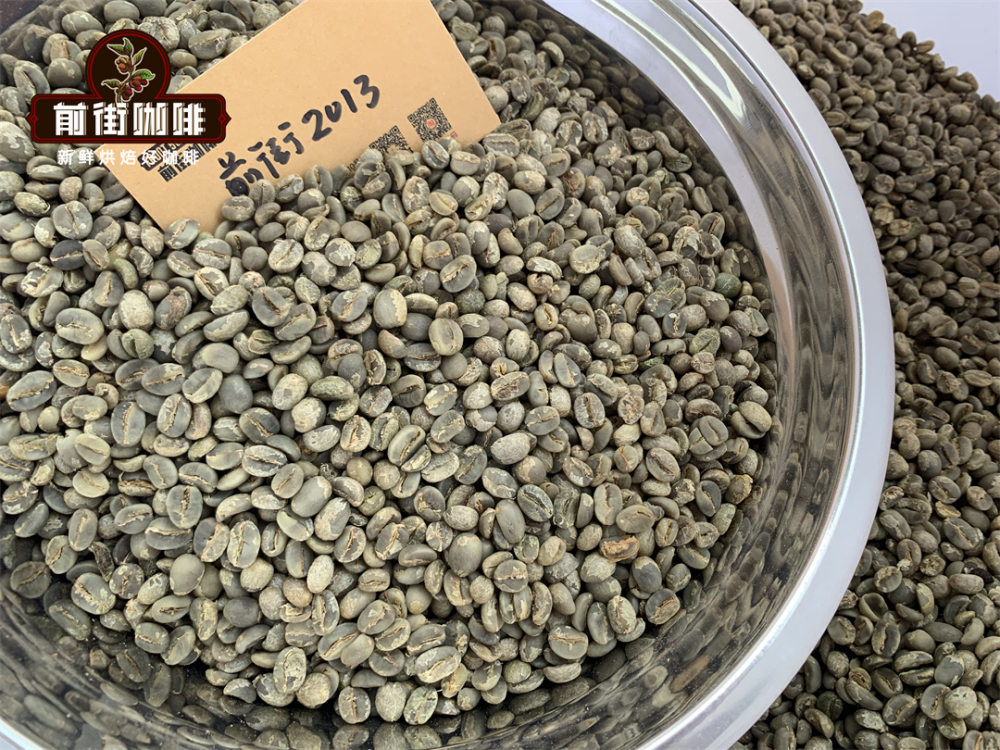
What Front Street grows in Lincang, Yunnan, is authentic small-bean coffee, namely the Typica variety. Because it began in 2013, it was named "Front Street 2013 Sun-Dried Typica." It has a pure flavor and soft, moderate acidity, but low yields and extreme susceptibility to disease, so few farmers are willing to grow it.
Next, Front Street will guide everyone through brewing a pot of Yunnan coffee with a French press to taste it!
Step one: First, boil water.
Step two: Grind the beans. A French press requires coarser particles (medium grind). Front Street recommends a coffee-to-water ratio of 1:15 to 1:16.
Step three: Place the French press on an electronic scale, pour in 120 grams of hot water (and start timing), pouring directly into the center.
Step four: Use a wooden stirring spoon or chopsticks to gently stir the coffee grounds back and forth, with a motion somewhat like paddling a canoe. At this point the coffee grounds will begin to expand, and the process takes about 30 seconds, meaning bloom for 30 seconds.
Step five: After waiting for the coffee grounds to expand, add the remaining water and cover with the lid. At this point do not press down the filter yet; wait four minutes, no less.
Step six: Move the French press off the electronic scale, then slowly press the filter down. The force required for pressing is about 7-9 kilograms. If the resistance encountered is too little, it means the coffee grounds are too coarse; if the resistance is too great, it means the grounds are too fine. After pressing the filter all the way down, you must immediately pour out the coffee, otherwise over-extraction will occur.
Step seven: Time to enjoy the delicious coffee. Pour the coffee into a warmed mug, and remember to rinse your mouth before drinking to taste the coffee's original flavor. The best drinking time for a French press is 20 minutes. So when making coffee with a French press, if you can finish it within 10 minutes, both roast levels are suitable; if you finish it within 20 minutes, it is recommended to use dark-roasted coffee beans.
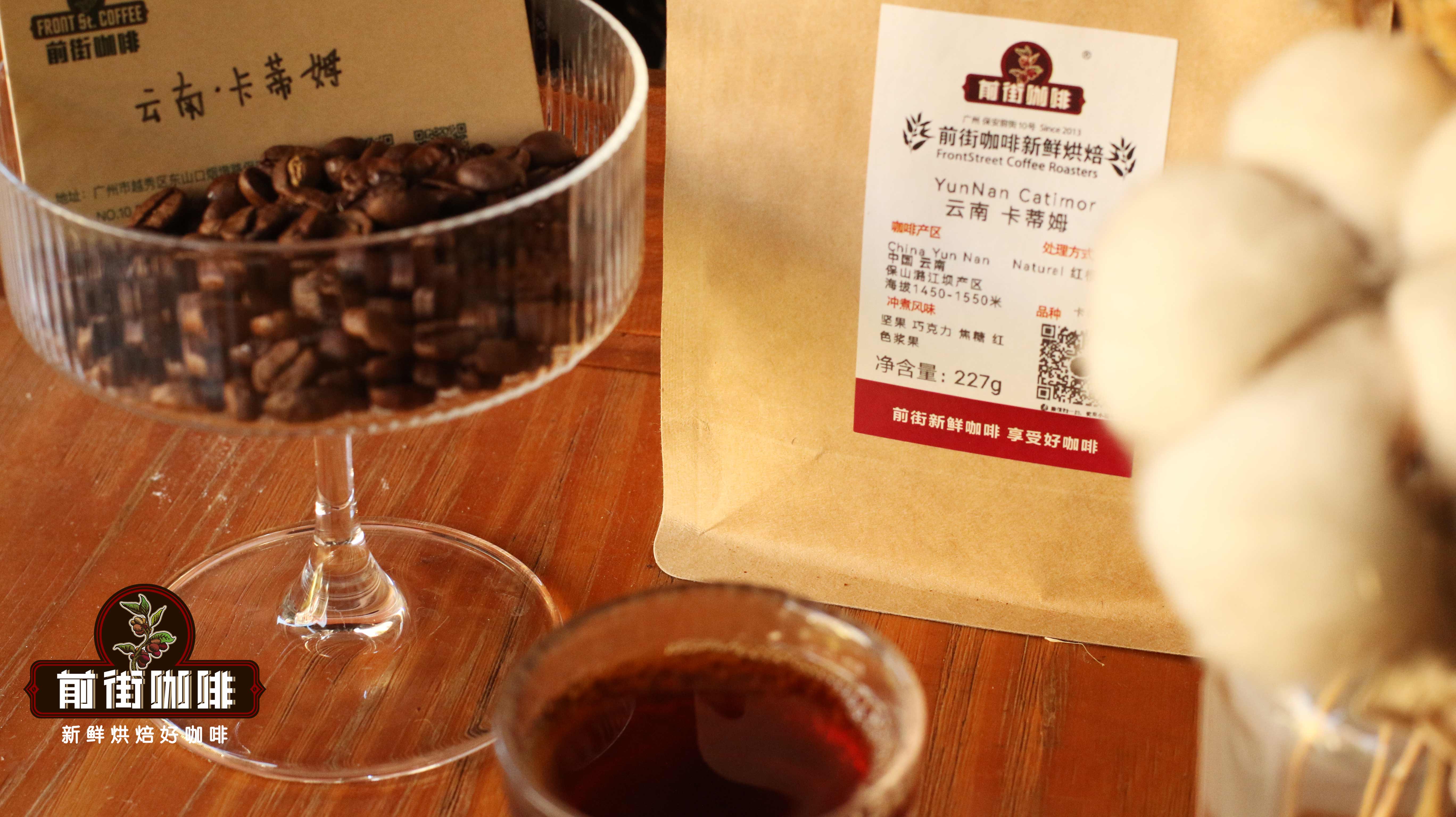
The above is the French press procedure. If you still don't quite understand, you can consult a Front Street barista, because Front Street has more than 50 single-origin coffee beans from different producing regions, fully able to satisfy your curiosity and exploration of coffee.
The above content is compiled by CoffeeHunters, a coffee news website.


