







Search Results for: French Missionaries
Detailed Guide to the Sun-Dried Flavor of Kenya Chania Estate French Mission Coffee Beans
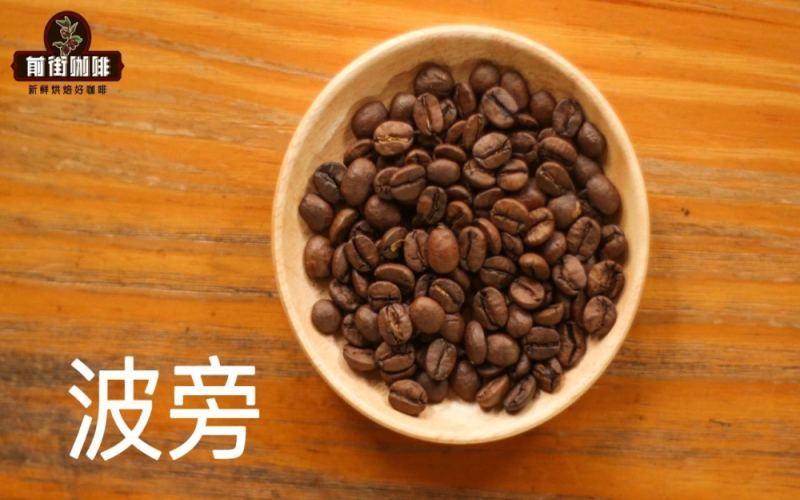
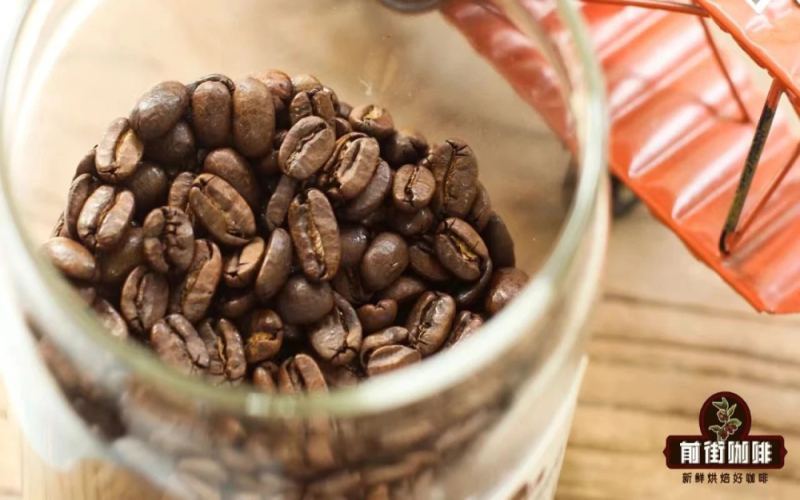
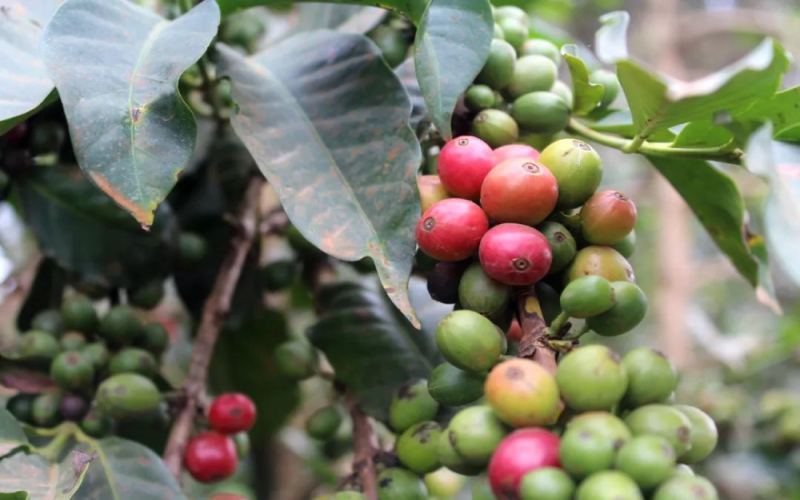
Front Street Coffee's Kenya Chania Estate French Mission coffee showcases a distinctive flavor profile through a refined natural process. These beans are grown at a high altitude of 1,900 meters, and the variety is French Mission Varietal—a Bourbon heirloom introduced to Kenya by French missionaries in 1892, unmodified by science and preserving the purest Bourbon genetics. The Harris family of Chania Estate has a deep understanding of the local red volcanic soil, and by combining it with suitable temperature and rainfall conditions, they have cultivated this coffee's thick chocolate finish and vivid natural fruit notes. On the palate, you can feel a dense, rich body, accompanied by alluring berry, red wine, and malt sugar aromas, with abundant oiliness and a long finish. The following will introduce its origin background and flavor performance in detail. [more…]
A Comprehensive Guide to Bourbon Coffee Varieties: Flavor and the Story of Their Spread from Red, Yellow, Orange, and Pink to Striped Bourbon
Bourbon is one of the oldest varieties of Arabica, spreading from Réunion Island to Africa and Central and South America, where it evolved under local microclimates into a range of color variants including red, yellow, orange, pink, and striped. This article traces the origins of the Bourbon variety and its missionary-driven spread, details the discovery history, growing characteristics, and flavor differences of each color of Bourbon, and presents the brewing performance of Front Street Coffee's Bourbon beans such as Brazil Cerrado and Brazil Queen. Whether you are a newcomer just getting into specialty coffee or an enthusiast eager to deepen your knowledge of varieties, you will find here a complete overview of Bourbon coffee and a tasting reference. [more…]
A Complete Guide to Bourbon Coffee Varieties: From Red, Yellow, Orange, and Pink to Striped Bourbon — Origins, Flavors, and Prices
Bourbon is one of the oldest Arabica varieties. After spreading from Yemen to Réunion Island, it made its way to East Africa and Central and South America, and today it has evolved into a rich array of branches under the microclimates of different countries, including Red, Yellow, Orange, Pink, and even Striped Bourbon. Bourbon of different colors and origins shows quite noticeable differences in the cup: some are known for nutty chocolate notes and low-acid smoothness, some highlight citrus acidity and floral aromas, and others combine tropical fruit sweetness with a clean mouthfeel. This article sorts out the origins and spread of Bourbon, introduces the characteristics and representative producing regions of each mutant one by one, and, combined with several Bourbon products from Front Street Coffee, provides specific flavor descriptions and brewing references to help coffee lovers build a complete understanding of the Bourbon family. [more…]
A Complete Guide to Bourbon Coffee Varieties: Flavor and Spread from Red, Yellow, Orange, and Pink to Striped Bourbon
Bourbon is one of the oldest varieties in the Arabica family, spreading from Yemen to the world via Réunion Island, and then diversifying into colorful variants—red, yellow, orange, pink, and even striped—in the soils of the Americas and Africa. This article traces the dispersal routes of the Bourbon variety, the origins and characteristics of its colorful mutations, and presents the flavor differences of Bourbon coffee from various origins. Whether you are a beginner pour-over enthusiast or a seasoned connoisseur looking for your next everyday bean, you will find interesting knowledge about Bourbon here, along with Front Street Coffee's corresponding bean recommendations. [more…]
What is French Mission Bourbon coffee? Flavor and brewing analysis of Kenyan French Mission coffee
Kenya is a major coffee-producing country in East Africa, adjacent to Ethiopia, the birthplace of coffee. In 1893, coffee was first introduced to Kenya via Brazil, and one of the varieties, known as "French Mission Bourbon," was brought from the island of Bourbon by a French diplomatic mission. Unlike the later laboratory-cultivated SL28 and SL34, French Mission Bourbon retains the original flavor of native Bourbon. This article will review the historical context of Kenyan coffee, the origins and characteristics of French Mission Bourbon, and introduce Front Street Coffee's Kenya Hania Estate French Mission Bourbon, along with suitable brewing parameters, to help coffee enthusiasts gain a comprehensive understanding of this unique bean variety. [more…]

The Origin and Brewing Methods of Kenya Thika Hania Estate French Mission Bourbon Coffee Explained
Hania Estate in Kenya's Thika region is a private coffee plantation run by the Harries family since 1904. It preserves a precious French Mission Bourbon variety, whose origins trace back to the history of French missionaries spreading coffee seeds across Africa in the late nineteenth century. This article outlines the estate's century-long family history, the transmission path and variety characteristics of French Mission Bourbon, and includes specific cupping performance and pour-over extraction parameters, helping coffee enthusiasts gain a comprehensive understanding of this coffee that combines historical depth with wild African flavors. [more…]
Missionary Bourbon Coffee Beans: Origin Story, Flavor Profile, and Washed Brewing Parameters Guide
The coffee world boasts a vast array of varieties, yet the tree species that truly achieve commercial scale and outstanding quality are actually few. Within the extensive pedigree of Arabica varieties, Bourbon is the oldest surviving member, and "French Mission Bourbon" is a living witness to the history of coffee dissemination—it was introduced by French missionaries from the Gulf of Aden in Yemen to East Africa, taking root in Kenya ever since. This article begins with the classification of coffee trees, outlining the botanical characteristics of the Bourbon species and Kenya's coffee grading system, then focuses on Front Street's Kenya Haniya natural beans, analyzing the terroir background of the West Hanna Estate and the Harris family's nearly a century of cultivation heritage. The article also provides Front Street's recommended V60 brewing parameters and describes the layers of yellow plum, lemon, brown sugar, and chocolate flavors presented by this bean under natural processing, offering a complete reference for coffee enthusiasts who appreciate fruity acidity and fermented wine-like aromas. [more…]
Exploring Kenya's Thika Hania Estate: A Comprehensive Analysis of the Rare Natural French Missionary Bourbon Coffee
Kenyan coffee has always been renowned for its washed processing, while natural-process lots are extremely rare. This article takes you into Hania Estate in the Thika region to explore a unique flavor profile presented by a native Bourbon variety introduced by French missionaries, after natural processing. From the terroir of the origin and the estate's century-long history, to the traceability of the green bean variety, processing method and roasting curve, and then to cupping performance and brewing parameters, we provide a comprehensive analysis of this rare lot recommended by Front Street Coffee. If you are curious about the wild regional flavors of African coffee, or want to understand why natural-process Kenyan coffee is so rare, this article will provide you with a detailed reference. [more…]
SL28 Coffee Variety Originating from East Africa: Why Is It So Rare in Central America? Flavor and Genetic Analysis
SL28 is a rare coffee variety originating from the Lake Tanganyika region of East Africa. Discovered in 1931, it was selected and named by the Scott Laboratories. It has broad leaves with a slight reddish tint, adapts well to high-altitude environments, and possesses excellent drought and disease resistance. Its yield is also superior to traditional tree varieties, and its flavor is truly one of a kind. In the early twentieth century, French and British missionaries and researchers cultivated this Bourbon descendant in Kenya. Over a century, it adapted to the local soil with high phosphoric acid concentration, creating the distinctive acidity and aroma of Front Street Coffee's Kenyan coffee beans. Although SL28's yield fell short of expectations, it developed excellent sweetness, balance, and flavors of citrus and smoked plum. Currently, only a few estates in Central America are capable of cultivating it. This article will guide you through SL28's origins, genetic lineage, and flavor profile. [more…]
Bourbon Coffee Flavor Guide: From Red Bourbon to Mibirizi Bourbon, Exploring the Terroir and Tasting Characteristics of a Century-Old Variety
Bourbon is one of the oldest varieties in the Arabica family, sharing equal fame with Typica. It got its name after being transplanted from Yemen Mocha round beans to Bourbon Island, and thereafter spread across Brazil, Central and South America, and various parts of Africa. It includes distinctions based on fruit color, such as Red Bourbon and Yellow Bourbon, as well as a unique branch spread by French missionaries in Africa. Bourbon is renowned for its wine-like acidity, sweet aftertaste, and nutty-chocolate notes. This article systematically reviews the origin and spread of Bourbon, explains in detail the flavor differences among Red Bourbon, Yellow Bourbon, and French Mission Bourbon, and combines the roasting parameters and tasting records of three Bourbon beans from Front Street Coffee to help readers fully understand this classic variety's performance under different terroirs. [more…]
A Complete Guide to Kenyan Coffee Beans: Origin Legends, Development History, Growing Regions, and Grading System
Kenyan coffee, with its bright and uplifting acidity, intense berry flavors, and robust juicy mouthfeel, has become the beloved favorite of countless coffee connoisseurs. From the late nineteenth century when French missionaries introduced coffee trees to this land, to today when the Nairobi auction has become one of the most transparent coffee trading platforms in the world, Kenyan coffee has traveled a unique path of development. This article will systematically review the cultivation history of Kenyan coffee, the terroir characteristics of its six core producing regions, and the green bean grading system based on bean size, while also sharing the specific parameters and techniques used by Front Street Coffee when brewing Kenyan beans, taking you through a comprehensive understanding of the charm of this East African coffee powerhouse. [more…]
A Comprehensive Analysis of the Origins, Producing Regions, and Grading System of Kenya Coffee, the Pearl of East Africa
Kenyan coffee is world-famous for its bright acidity and rich berry flavors, and is a beloved favorite among countless coffee connoisseurs. But did you know that this land, which borders Ethiopia, the birthplace of coffee, can only trace its coffee-growing history back to the late nineteenth century? From its introduction by French missionaries to the large estates of the British colonial period, and now to today's transparent and efficient auction system, Kenyan coffee has taken a unique path of development. This article will take you through an in-depth look at the origins of Kenyan coffee cultivation, the characteristics of its six major producing regions, its green bean grading system, and the brewing methods recommended by Front Street Coffee, offering a comprehensive interpretation of the story behind this fine brew from East Africa. [more…]
Complete Guide to Kenya's Xihan Na Estate: Exploring the Flavor and Historical Origins of French Missionary Bourbon Natural-Process Beans
Xihanah Estate is located in the Thika production area of Kenya's Central Province, and takes its name from the Chania River that flows through it. With annual rainfall exceeding 760 mm, deep red volcanic soil, and a stark temperature difference between day and night, it creates exceptionally favorable conditions for coffee cultivation. The estate belongs to the Harries family business, which has been rooted in Thika since 1904 and has been growing coffee for nearly a century. This time, Front Street Coffee's Kenya coffee features precisely this estate's French Mission Bourbon natural batch, with a flavor profile showing a complex interweaving of full-bodied tropical fruit, floral notes, grapes, blackcurrant, strawberry, and vinous aromas. Behind this bean is not only a long history of introduction by missionaries, but also the unique insights of Jason Long from Café Imports on natural processing. [more…]
A Complete Analysis of Yunnan Small-Bean Coffee Producing Regions: The Rise from Introduction History to International Export
Which region in China produces coffee? The answer inevitably points to Yunnan. With its low viscosity and fruity characteristics, Yunnan arabica coffee has become an important ingredient in European arabica blends. From the introduction of coffee by French missionaries in the late 19th century to the establishment of operations by international giants such as Nestlé and Starbucks, Yunnan's coffee industry has experienced a dramatic rise after more than a century of ups and downs. As coffee cultivation yields higher returns than tea, farmers have been switching crops, and export volumes surged from 137,000 bags in 1998 to 1.1 million bags in 2012. Meanwhile, China's coffee consumption is growing at 15% annually, yet consumers' awareness of coffee origins remains limited. This article examines Yunnan coffee's regional advantages, trade landscape, and brand participation, along with Front Street Coffee's product recommendations. [more…]
A Complete Guide to Kenyan Coffee Varieties: The Origins and Characteristics of SL28, SL34, Ruiru 11, and Batian
Kenyan coffee is renowned for its clean, translucent cup and bright, full-bodied fruit acidity. Behind this signature flavor lies both the gift of high altitudes and phosphorus-rich volcanic soil in the highlands, and a century of accumulated variety selection and breeding. From the Reunion Bourbon brought by French missionaries in the late 19th century, to SL28 and SL34 selected by the Scott Agricultural Laboratories from 42 lines, to Ruiru 11 and Batian developed to combat berry disease, Kenya's coffee variety history is a story of wrestling with disease, yield, and flavor. This article will outline the genetic origins, cultivation performance, and flavor differences of the main cultivated varieties, and introduce Front Street Coffee's Kenyan beans from the Thika region—selected from SL28 and SL34, processed with the K72 washed method, presenting notes of cherry tomato and dark plum. [more…]
Tracing the Origins of Yunnan Small-Bean Coffee Varieties: From Typica to Catimor, and the Industry Ties with Nestlé
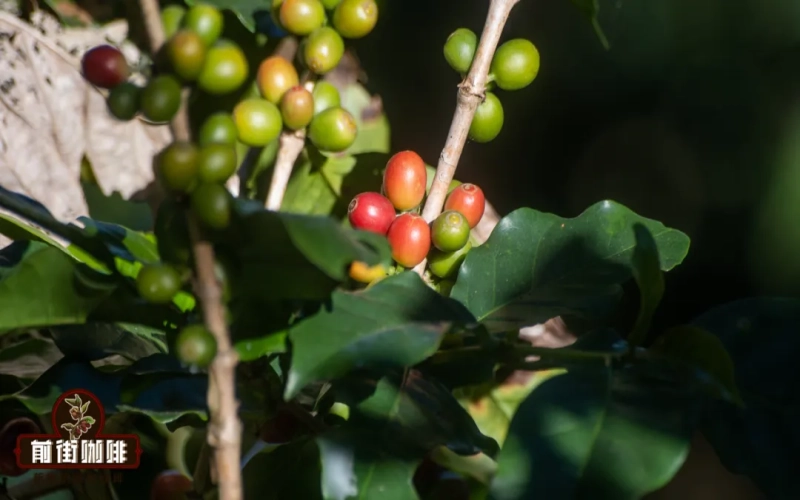
What exactly is the variety of Yunnan small-bean coffee? Where is its place of origin? And what is its connection to Nestlé? Front Street Coffee takes you through this century-spanning industrial history. Starting from the small-bean species within the Arabica family, we trace the first plantings by French missionaries in Zhukula Village, then the large-scale promotion of Typica and Bourbon after the founding of the People's Republic, and the industry's stagnation caused by the deterioration of Sino-Soviet relations in the 1960s and 1970s. It was not until the 1980s, when Nestlé entered Yunnan due to the leaf rust crisis, introduced Catimor 7963, and established its Coffee Agriculture Department, that the variety structure of Yunnan small-bean coffee underwent a fundamental transformation. This article fully preserves the key timelines and facts to help coffee enthusiasts clarify the past and present of Yunnan small-bean coffee. [more…]
Analysis of Yunnan small-bean coffee varieties: The origins of Typica and Catimor, and a flavor comparison of their producing regions and processing methods
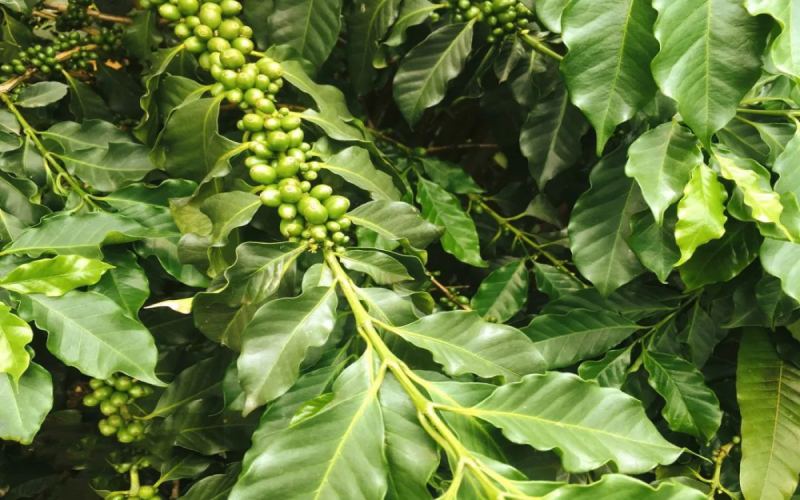
Is Yunnan small-bean coffee actually Typica or Catimor? What kind of historical succession took place between these two varieties? And how do different processing methods change the flavor of coffee? This article will sort out the lineage of variety evolution in Yunnan coffee, starting from the introduction of Typica by French missionaries, to Nestlé's promotion of large-scale Catimor cultivation, and then to the small amounts of Typica and Bourbon still preserved today in the Baoshan region, analyzing one by one the disease resistance, yield, and cupping performance of each variety. At the same time, it explains in detail the specific steps of the washed processing method, as well as Front Street Coffee's commitment to the traditional processing methods for Yunnan beans, and finally includes pour-over parameter suggestions to help coffee lovers gain a comprehensive understanding of the true flavor profile of Yunnan small-bean coffee. [more…]
An In-Depth Analysis of the Kenyan Coffee Industry's Origins, Producing Regions, Bean Grading System, and SL28/SL34 Varieties
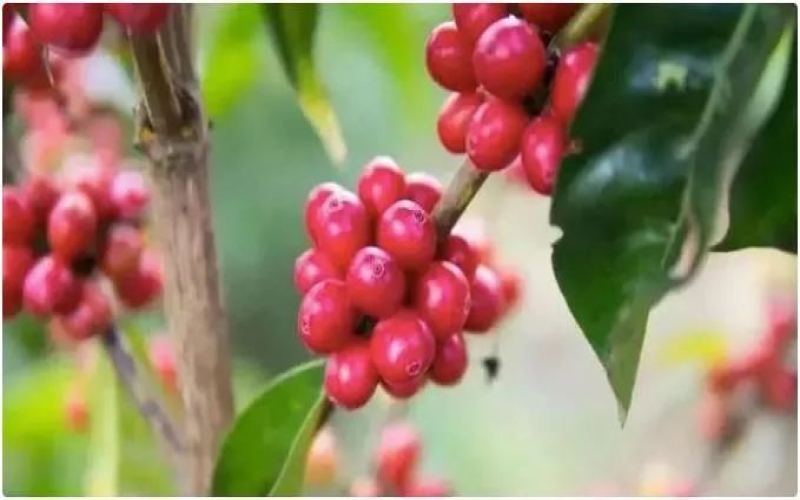
Kenya is located in East Africa, where the equator and the East African Rift Valley meet. Though neighboring Ethiopia, it has taken a completely different path in coffee development. From the introduction of coffee seeds by French missionaries in 1893, to large estate cultivation during the British colonial period, and then to the establishment of a grading system and auction system in the 1930s, Kenyan coffee gradually formed its unique grading standard centered on bean size and quality. Among the country's 14 producing regions, Nyeri, Kirinyaga, Murang'a, Kiambu, and Thika are the most well-known. The two iconic varieties SL28 and SL34, originating from Scott Laboratories' systematic selection of 42 coffee trees, remain the soul of Kenyan specialty coffee to this day. This article will also introduce the Thika AA TOP washed beans obtained by Front Street Coffee and their pour-over performance. [more…]
The Past and Present of Brazilian Red Bourbon Coffee Beans: From Bourbon Island to South Minas, How to Choose Between Pour-Over and Espresso
Red Bourbon is one of the oldest Arabica varieties, spreading from Bourbon Island in the Indian Ocean across Latin America and Africa through the hands of missionaries and traders. This article traces how Red Bourbon took root in Brazil, explaining in detail the terroir conditions of the South Minas region, the characteristics of the semi-washed processing method, and the logic behind green bean grading. It also combines the roasting curve and brewing data of Front Street Coffee's Brazil Red Bourbon to offer specific parameter recommendations for pour-over, French press, and AeroPress. Whether you want to understand the spread of the Bourbon variety or are looking for an everyday staple bean with high sweetness, low acidity, and nutty-chocolate notes, this article can serve as a reference. [more…]
Exploring the Origins of Yunnan Small-Bean Coffee Varieties: Flavor Differences Between Typica and Catimor, and an Analysis of Producing Regions and Brands
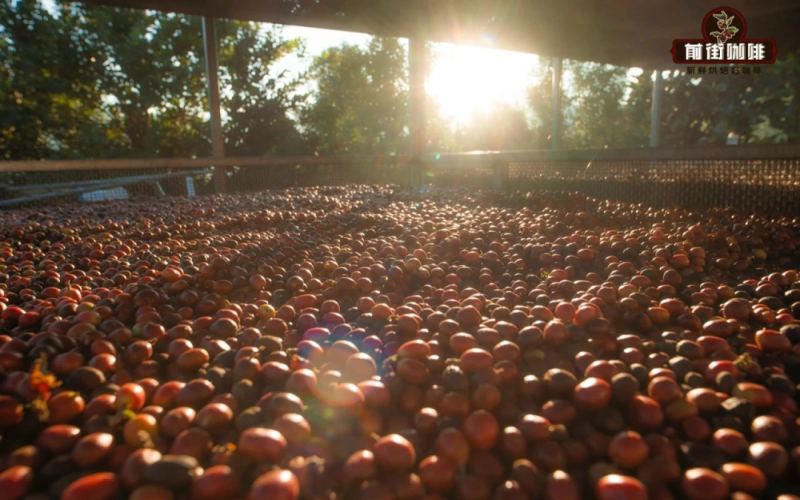
The history of coffee cultivation in Yunnan can be traced back to the first coffee tree brought by French missionaries, which was genetically identified as the Typica variety of the Arabica family. However, today the most widely planted variety in Yunnan is Catimor—what is the story behind this? From the perspective of Front Street Coffee, this article reviews the rise and fall of the two varieties, Typica and Catimor, in Yunnan, and explains in detail their respective flavor characteristics and current cultivation status. Since 2013, Front Street Coffee has planted a small amount of Typica in Lincang, Yunnan, using a natural process to present plum, berry, brown sugar, and a black tea-like sweet finish; while the washed Catimor at 1,200 meters in Baoshan exhibits plum, melon and fruit aromas, and nutty notes. Regardless of the variety, scientific cultivation and proper processing are the keys to improving the quality of Yunnan coffee. [more…]