







Is Yunnan small-bean coffee Typica or Catimor? What kind of historical succession has taken place between these two varieties? And how do different processing methods change coffee flavor? This article will trace the evolution of coffee varieties in Yunnan, starting from the introduction of Typica by French missionaries, to Nestlé's promotion of large-scale Catimor cultivation, and then to the small amount of Typica and Bourbon still preserved in the Baoshan area today, analyzing each variety's disease resistance, yield, and cupping performance one by one. It will also explain in detail the specific steps of the washed processing method, as well as Front Street Coffee's insistence on the traditional processing methods for Yunnan beans, and finally provide pour-over parameter suggestions to help coffee lovers gain a comprehensive understanding of the true flavor profile of Yunnan small-bean coffee.
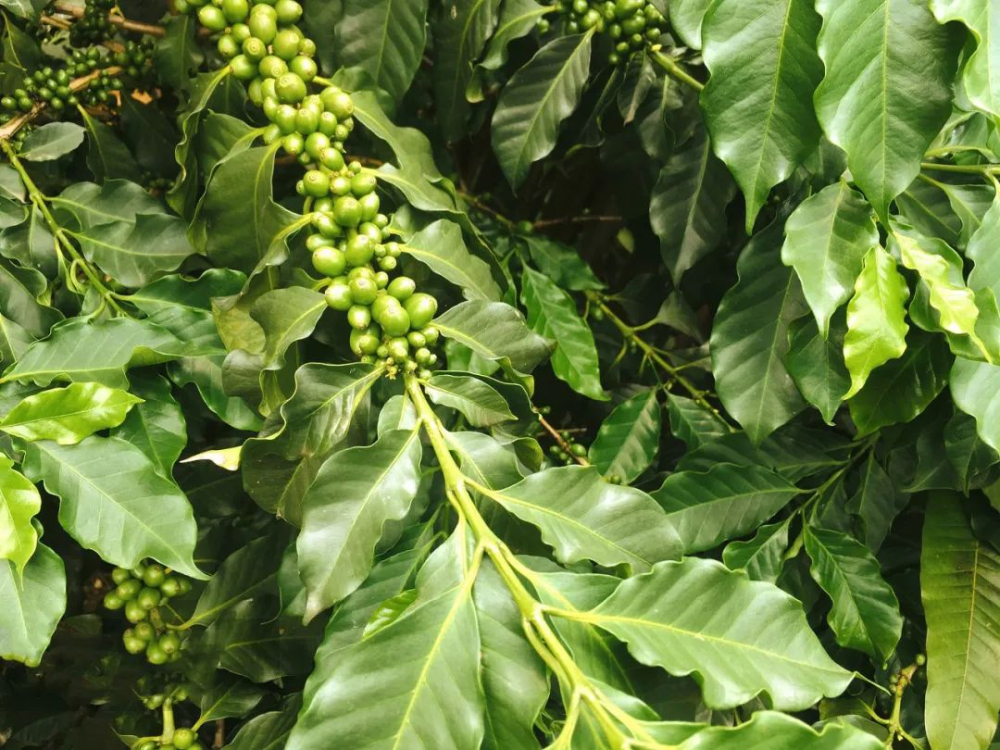
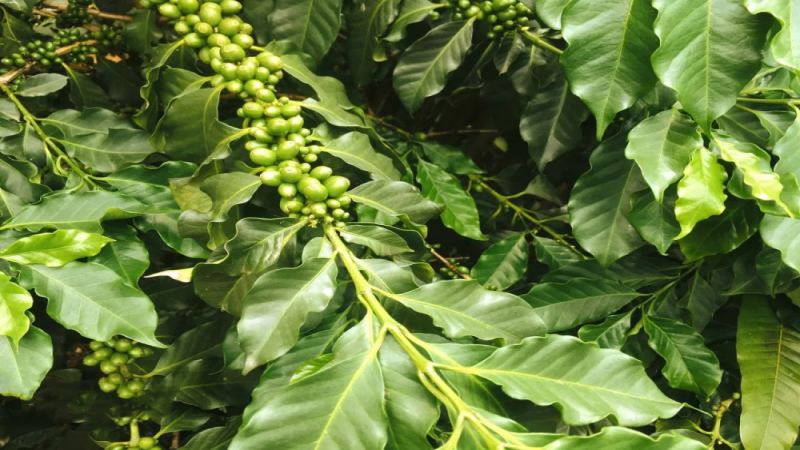
What is usually called small-bean coffee refers to the Arabica species. The term Yunnan small bean is used to distinguish it from the Robusta coffee of the Canephora species grown in Hainan, China. At present, the small-bean coffee cultivated in Yunnan's producing areas is mainly Catimor, which has strong disease resistance and considerable yield; however, in the Baoshan area, a small number of Typica and Bourbon plants are still preserved. The Yunnan small-bean everyday coffee in Front Street's bean lineup uses the Catimor variety, while another one belongs to the Typica variety.
The Cultivation History of Yunnan Small-Bean Coffee
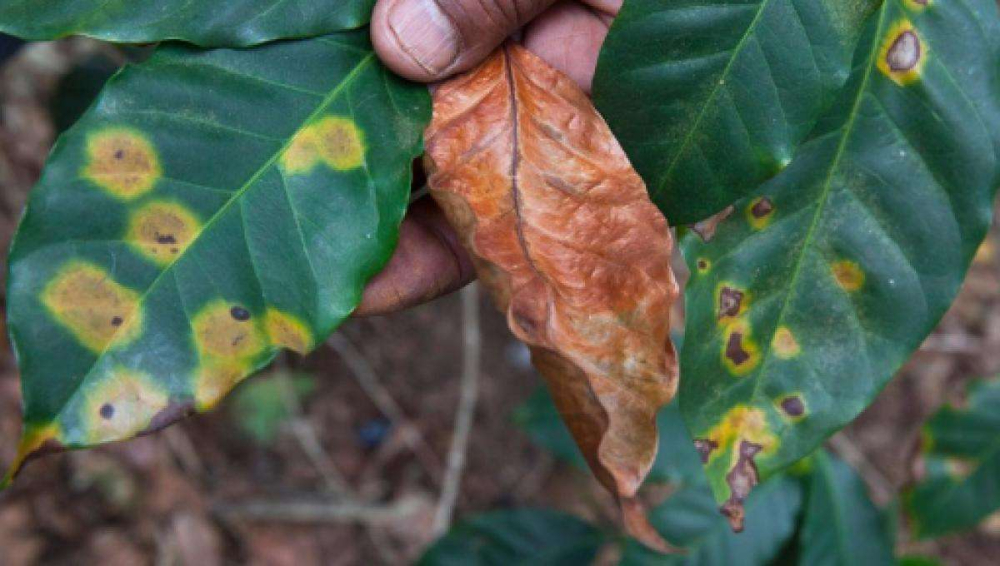
Counting from 1904, when French missionaries planted the first coffee tree, Yunnan coffee has a development history of more than a hundred years. Later research has verified that what the missionaries planted back then was precisely the Typica variety, while today the vast majority of coffee farms in Yunnan grow Catimor. Typica plants themselves have relatively weak disease resistance and are highly susceptible to leaf rust, and their per-unit yield is very low, so if farmers relied entirely on coffee for their livelihood, the returns would be difficult to sustain.
In the 1980s, leaf rust swept through major coffee-producing regions around the world, and people in the industry sought solutions one after another. In 1990, driven by Nestlé and other foreign-funded enterprises, Yunnan introduced the Catimor variety from Latin America, which had better disease resistance and higher productivity, to replace the Typica variety with poor economic returns. After that, Catimor spread rapidly in Yunnan and yields climbed steadily, but it had no outstanding advantage in terms of flavor; in addition, the local green bean processing level in Yunnan at the time was limited, and most of the batches produced were exported at low prices to Europe as raw material blends for instant coffee.
Characteristics of the Catimor Variety Coffee
From a genetic perspective, Catimor is a hybrid product of Arabica and Robusta, bred from a cross between Caturra and Tim Tim (Robusta species), and carries about 25% Robusta genes. Anyone with a little knowledge of coffee varieties knows that Robusta beans are often described as having a "devil's taste." Catimor inherits the genes of both Robusta and Arabica, so it combines strong disease resistance and high yield, and the roasted beans are rich in oils, while the flavor can also present the acidity of native Arabica varieties.
High-quality Arabica coffee has relatively high requirements for altitude and microclimate. When Yunnan farmers plant Catimor on hillside land above 1,200 meters, the local fertile soil, abundant sunlight and rainfall, plus the obvious day-night temperature difference brought by high altitude, create ideal growing conditions for Catimor plants. However, because Catimor carries Robusta genes, while gaining disease and pest resistance and high yield, it also loses the delicate and refined flavor of pure Arabica beans. Therefore, in the cupping stage, Catimor often scores lower than varieties such as Caturra and Catuaí.
Washed Processing Method
The washed process is as follows: first pour the coffee cherries into a tank and use buoyancy to remove mixed impurities and unripe berries. Then use a depulper to remove the outer skin and most of the pulp, and place the beans into a clean tank to ferment. During fermentation, the mucilage layer produces acidic substances that separate it from the beans, after which the remaining mucilage is rinsed off with clean water to obtain green beans with the parchment layer still attached (parchment beans). Finally, depending on the weather, choose natural drying or machine drying to reduce the moisture content to about 12%, then use a huller to remove the parchment layer, and the coffee beans inside are obtained.
Front Street has noticed that many Yunnan coffees on the market today use special processing methods to add flavor and make the aroma more prominent. Front Street has always believed that to understand Yunnan coffee, one should start from the flavor of the coffee itself, rather than using novel processing techniques to cover up the original taste. For this reason, the several coffees in Front Street's bean lineup all use traditional washed and natural methods. Among them, the one representing the Yunnan small-bean everyday coffee is processed by the washed method, presenting the coffee flavor unique to the producing area. Front Street also has a very popular coffee bean called "Front Street 2013," and from the name you can tell it is Front Street's exclusive product. It comes from Front Street's own estate in Lincang, Yunnan, uses the elegant Typica variety, and is processed by the natural sun-dried method, making the coffee's sweetness more prominent.
Flavor Characteristics of Yunnan Small-Bean Coffee
Front Street believes that the flavor profile of Yunnan coffee should be classified as neutral, that is, it has both acidity and a mellow bitterness, so a medium roast is chosen in Front Street's roasting plan. Through cupping, Front Street tasted the sweet-and-sour notes of plum in "Front Street 2013 Coffee," as well as the aromas of dried fruit, chocolate, and nuts, with the various flavors blending just right.
In the selection of coffee beans, Front Street insists on using freshly roasted Yunnan small-bean coffee. After coffee beans are roasted, they enter their best tasting stage after a 4 to 7 day resting period. Once this period is exceeded, the aroma will accelerate its loss, and both flavor and mouthfeel will decline noticeably. In order to ensure that everyone drinks coffee in its best condition, Front Street only ships beans within 5 days after roasting, so that when customers receive them, the aroma is at its fullest.
FrontStreet Coffee Pour-Over Suggestions
Dripper: hario v60
Dose: 15g
Water temperature: 90°C
Grind size: 75% passing through a No. 20 sieve
Water-to-coffee ratio: 1:15
Three-stage pouring: first use twice the amount of water as the coffee grounds to wet the bed, wait for it to form a dome and let it bloom for 30 seconds, then pour in a thin stream in circles from the inside outward, pausing at 125g for a stage break, wait until the bed drops to half the height of the dripper, then pour the third stage with the same thin stream to 225g, and once all the coffee liquid has drained, remove the dripper. The total time is about 2 minutes.
For professional coffee knowledge exchange and more coffee bean information, please follow CoffeeWorkshop (WeChat public account: cafe_style)
For more specialty coffee beans, please add the private WeChat of FrontStreet Coffee, WeChat ID: qjcoffeex
The above content is compiled by CoffeeHunters, a coffee news website.


