







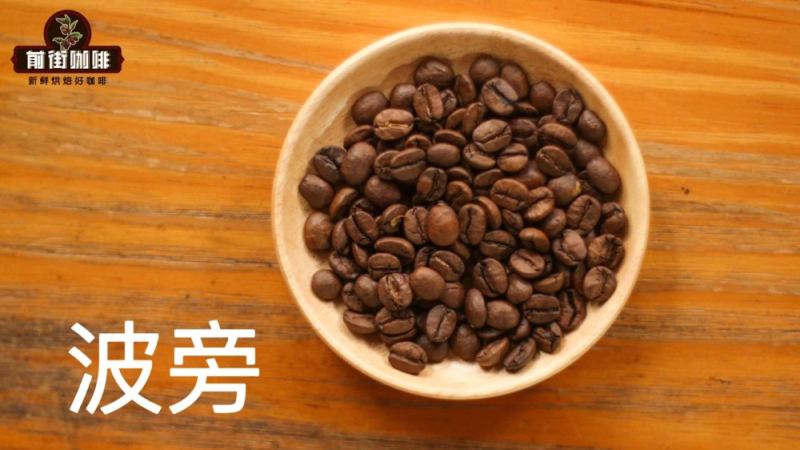
Where Did Bourbon Coffee Varieties Come From?
Bourbon is one of the oldest varieties in the arabica family, one of the two branches that survive from the earliest cultivated coffee. It spread from Yemen to Réunion, then to East Africa and on to the Americas and Africa, where it produced the red, orange, pink, and rarer striped variants alongside the better-known yellow bourbon coffee.
World Coffee Research classifies Bourbon as a natural mutation of Typica from Yemen, placed in the Bourbon-Typica Group. French missionaries carried seed from Yemen to Bourbon Island, now Réunion, about 680 kilometers east of Madagascar, after French settlement began there in 1663. That line, later called French Mission Bourbon, was introduced to Kenya and Tanzania and finally to Central and South America.
Bourbon is one of the oldest varieties in the Arabica family, spreading from Yemen through Réunion to the world, and in the soils of the Americas and Africa it has given rise to colorful variants such as red, yellow, orange, pink, and even striped. This article sorts out the transmission routes of the Bourbon variety, the origins and characteristics of its various colored variants, and presents the flavor differences of Bourbon coffee from different producing regions. Whether you are a beginner pour-over enthusiast or a seasoned drinker looking for your next daily bean, you can find interesting knowledge about Bourbon and corresponding bean recommendations from Front Street Coffee.
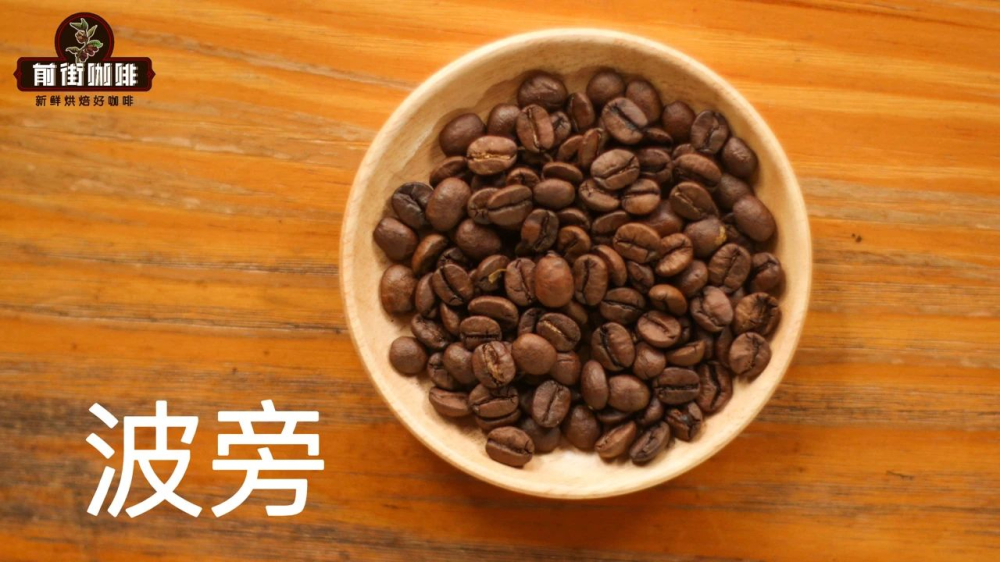
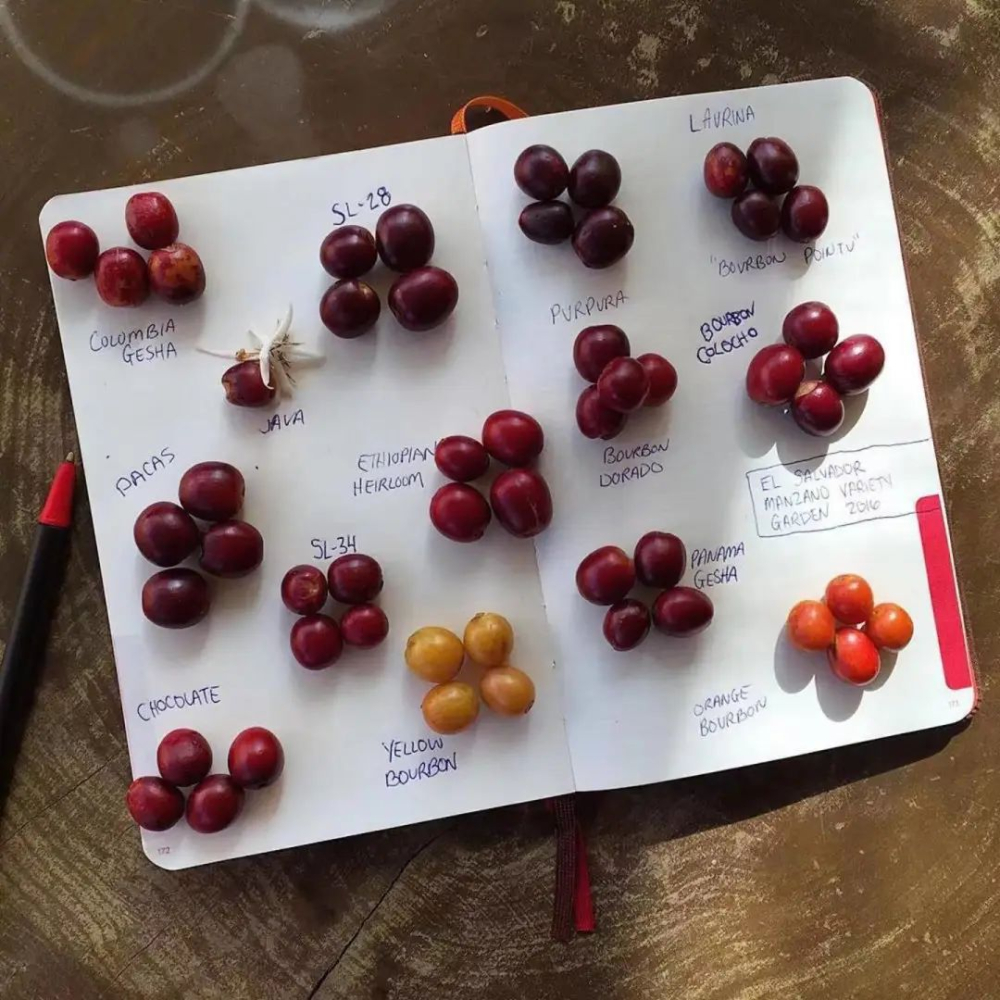
When it comes to the coffee variety Bourbon, what first catches the eye is often the color of the fruit. Besides the most common Red Bourbon, there are also Yellow Bourbon, Orange Bourbon, and the rarer Pink Bourbon.
Bourbon originated from a mutation of Typica, and together with Typica it belongs to the oldest surviving coffee varieties, both being branches under the Arabica species. Looking back at the transmission route of Arabica, Typica's ancestors crossed the ocean from Europe to the Caribbean; the East India Company, meanwhile, took Arabica from Yemen along another route—to Bourbon Island (now Réunion). The coffee trees that grew along this transmission path gradually diverged from Typica and formed the Bourbon variety, which was afterward introduced to East African countries such as Kenya and Tanzania, and finally spread to Central and South America.
According to World Coffee Research, Bourbon comes from Yemen and is a natural mutation of Typica, with its genetic origin classified under the Bourbon-Typica Group.
The story of Bourbon coffee begins with the French. Its name is closely tied to a colonial island—in the 17th century, the French occupied an island named Bourbon in the western Indian Ocean off the coast of Africa, about 680 kilometers east of Madagascar. This global distribution journey of Yemeni Bourbon, initiated by French missionaries, became widely known because it was recorded early and entered into the history books, and this batch of coffee bearing a missionary mission thus got its name: French Mission Bourbon.
In 1663 the French began to settle on Bourbon Island. In the early 1700s, they introduced coffee obtained from Yemen to the island for cultivation (now Réunion), and named this batch of Yemeni coffee Bourbon coffee.
Historical records show that the French tried three times—in 1708, 1715, and 1718—to bring this coffee from Yemen to Bourbon Island. Bourbon Island thus became the nursery where the French cultivated Yemeni Bourbon coffee in the 18th century. It was not until the mid-19th century that Bourbon coffee was taken off the island to be planted in Africa and Brazil in South America, and gradually spread widely.
In the mid-19th century, missionaries of the French Holy Spirit arrived in Africa, and in 1841 they established a mission on French Réunion. Along with the missionaries' evangelical journeys, Bourbon coffee began to be introduced to Africa and South America.
As for its introduction to the Americas, in 1860 the French brought Bourbon coffee from Réunion to South America, first arriving near Campinas in southern Brazil. Because the Typica variety introduced to Brazil in 1727 had low yields and was susceptible to disease, Bourbon was introduced to Brazil around 1860 via Campinas in the south, and then quickly expanded northward to other regions of South America and Central America. In Latin America today, although Bourbon has mostly been replaced by its variants (especially Caturra, Catuai, and Mundo Novo), it is still grown in countries such as El Salvador, Guatemala, Costa Rica, and Peru.
Its journey into Africa was similar in era to the spread of Brazilian coffee. In Africa, a French missionary played a key role in the spread of the Bourbon variety.
In 1862, French missionaries established missions in Bagamoyo on the coast of Tanzania (then called Tanganyika) and in St. Augustine (now Kikuyu) in Kenya; in 1893, they established another mission in Bura (located in the Taita Hills) in Kenya. In this way, Bourbon coffee set out from Bourbon Island and successively went to Zanzibar, Bagamoyo, St. Augustine, Bura, and other places to establish new churches. In these missionary tasks, the missionaries sowed coffee seeds from Bourbon Island in East African parishes, and from then on the African continent also had Bourbon coffee.
The Bourbon coffee taken by French missionaries to the Americas and Africa to be planted took root, grew, and reproduced under the nourishment of local microclimates and soils in various places, eventually becoming one of the leading players in today's specialty coffee.
In the 1860s, the first batch of Bourbon coffee settled in Brazil. After nearly a century of reproduction in the Americas, Bourbon coffee began to produce mutated varieties. These mutations mentioned by Front Street are all associated with beautiful colors, namely Red Bourbon, Yellow Bourbon, Orange Bourbon, and Pink Bourbon.
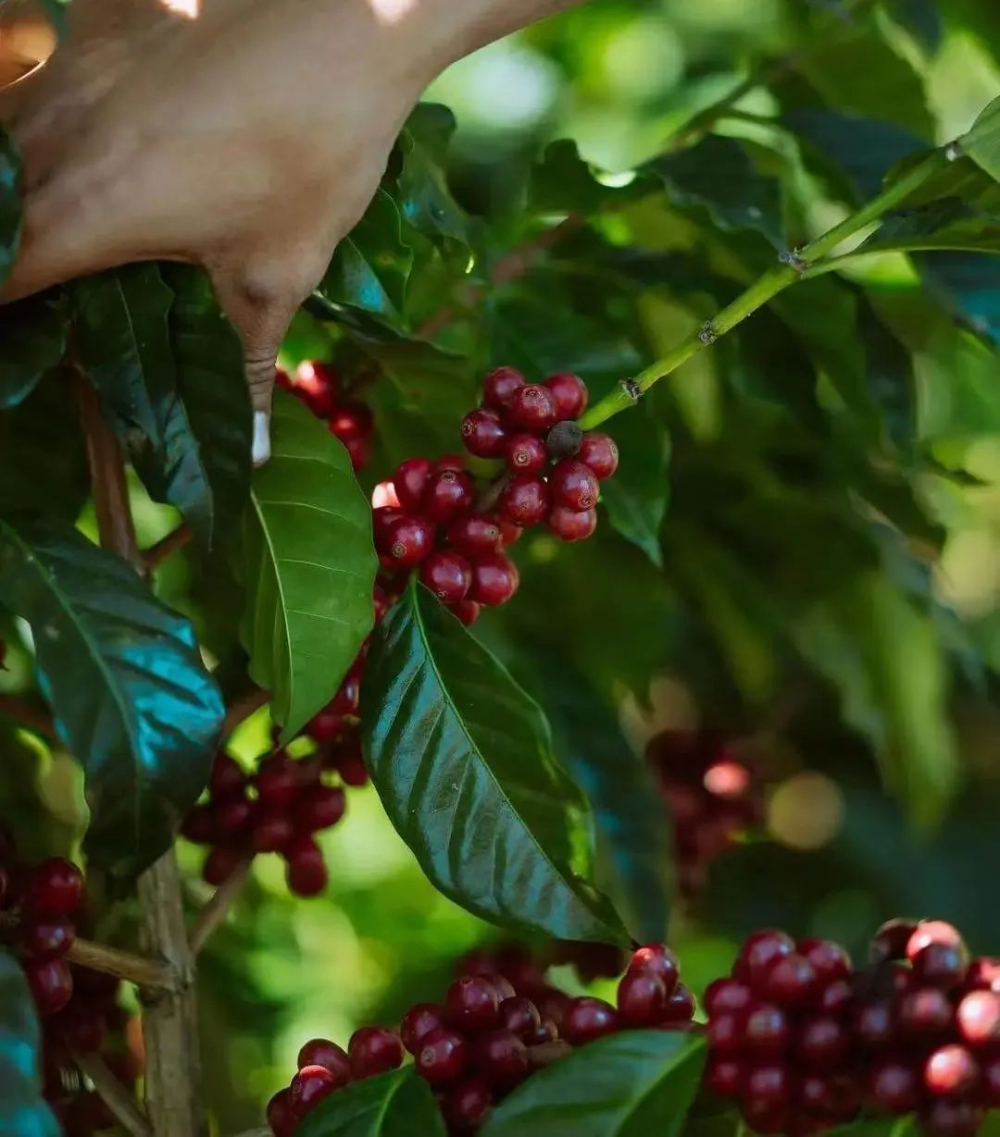
The fruit color of Red Bourbon goes through a series of changes: from green to slightly yellow, then to slightly orange, then to ripe red, and finally to a riper dark red. To distinguish it from other Bourbon varieties such as Yellow Bourbon and Pink Bourbon, it is called Red Bourbon. Bourbon planted at high altitudes usually has better aroma and bright acidity, and can even taste somewhat like red wine.
As early as 1850, Brazil had already become a major global coffee producer, at the time relying heavily on the Typica variety introduced in 1720. But Typica had low yields, and to ensure profits, Brazilians introduced Bourbon, that is, Red Bourbon, from Réunion and planted it on a large scale.
Yellow Bourbon was first discovered in Brazil and currently grows mainly in Brazil. It is a Bourbon variant unique to the state of São Paulo, Brazil. Its fruit does not turn red when ripe but instead shows orange-yellow, hence the name Yellow Bourbon, and it is regarded as a treasure of Brazilian coffee. Yellow Bourbon comes from a cross between Bourbon and other varieties; it has lower yields and is not very resistant to wind and rain, so it has not been widely planted. But when grown at high altitudes, it can express excellent flavor. In recent years Yellow Bourbon has become relatively common, with sweetness and aroma more pronounced than Red Bourbon, and with clear citrus acidity. At Front Street, there is a Brazil Yellow Bourbon coffee bean (Brazil Queen), whose beans are naturally sweet and clean, with soft acidity and sweetness fitting well together, good balance, and tropical fruit aromas.
The earliest Yellow Bourbon appeared in 1930, at a red Bourbon farm near the city of Pederneiras (SP). Many believe this was the result of natural reproduction between Red Bourbon and Yellow Botucatu. Apart from the yellow berries, this plant is very similar to Red Bourbon, with comparable or even higher yield. Yellow Bourbon matures faster, but its yield is lower than Red Bourbon, and its resistance to leaf rust is also weaker than Red Bourbon.
Orange Bourbon is a natural mutation of the fruit-color gene in Bourbon coffee, first discovered in El Salvador.
The cherries of Pink Bourbon are usually peach-red or pink, so it is sometimes also called Pink Bourbon. It is a very rare new variety, bred by crossing Red Bourbon and Yellow Bourbon. The reason it is said to be rare is mainly that maintaining the beautiful pink color is very difficult, and sometimes some orange Bourbon is harvested—the color of the coffee fruit is ultimately determined by recessive genes in the pollen grains. Among the selected hybrid pollen grains, there are both yellow genes tending toward Yellow Bourbon and red genes tending toward Red Bourbon; these are all recessive genes and are extremely prone to interfering with each other. At present, Pink Bourbon can be seen in Colombia and Guatemala.
Besides these main color tones of Bourbon, there are also Bourbon mutations on the market, such as Stripped Bourbon, translated into Chinese as striped Bourbon. Like Chili Bourbon, it is a unique variety discovered in recent years in the Huila region of Colombia. Although the color of this variety after fruiting is similar to ordinary Red Bourbon, careful observation reveals yellow stripes on the fruit, so the estate owner who discovered it named it Striped Bourbon.
According to Front Street's research, Striped Bourbon comes from a natural mutation of the ancient Bourbon variety and was first discovered in Colombia by Australia's Project Origin team. Compared with other coffee trees in the same area, Striped Bourbon matures later, has a thinner tree shape, and sparser branches, so its yield is not considered high. But it inherits the citrus and clean sweetness characteristic of the Bourbon variety, and especially in light roasting it often shows aromas of berries, brown sugar, and the like.
Having said all this, what exactly does Bourbon coffee taste like? It has complex acidity and wonderful balance. The Bourbon brewed by FrontStreet Coffee has prominent sweetness, with a caramel-like texture, crisp acidity, and floral aroma. However, depending on where it is grown, Bourbon presents completely different flavors. For example, Bourbon coffee from El Salvador may have more creamy and toffee notes; Orange Bourbon has brighter floral aromas; Yellow Bourbon has more obvious acidity and also dried fruit flavors; while African Bourbon coffee has more prominent fruity notes.
Red Bourbon: Taking Front Street's Brazil Cerrado daily bean as an example, it has obvious sweetness on the palate, accompanied by a light lemon aroma, rich nutty flavors, and a distinct dark chocolate note in the finish, giving an overall relatively round impression.
Yellow Bourbon: Taking Front Street's Brazil Queen coffee bean as an example, it has the fresh sweetness of sugarcane juice, black tea, a soft and smooth fruit sweetness, obvious nutty flavors, balanced and gentle acidity, a weak and clean bitterness, rich chocolate aroma and nutty flavors, and a bright, refreshing, smooth, and delicate mouthfeel.
Pink Bourbon: Fresh floral aromas, distinct layers, obvious citrus and cherry tomato aromas, still soft acidity after the temperature drops, with caramel sweetness in the finish, and a smooth, clean mouthfeel.
The above content is compiled by CoffeeHunters, a coffee news website.


