







Search Results for: Freezer Storage
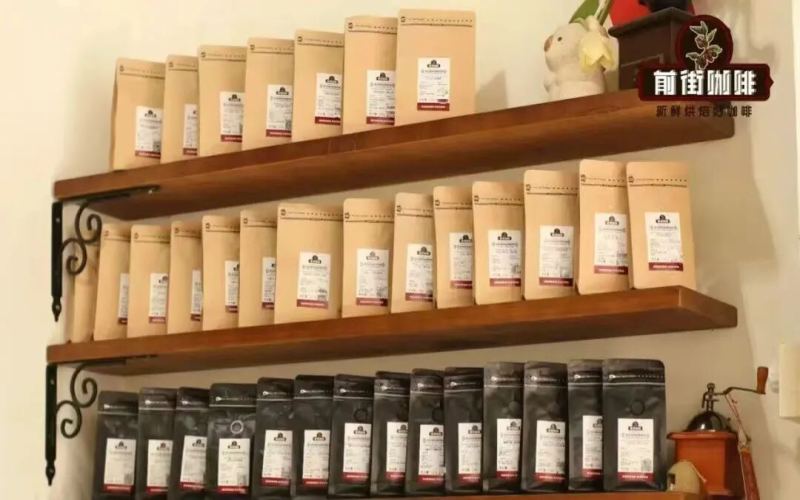
Coffee Bean Storage | Can You Use the Freezer to Keep Coffee Beans Fresh? Do Frozen Coffee Beans Need to Be Thawed Before Brewing?
Freezing is a very popular method of "preserving" coffee beans in recent years. Simply seal the coffee beans and toss them into the freezer, and the flavor loss of the coffee will slow down, thus extending its shelf life. Many friends have adopted this method to stock up on coffee beans purchased during Front Street Coffee's discount events. [more…]
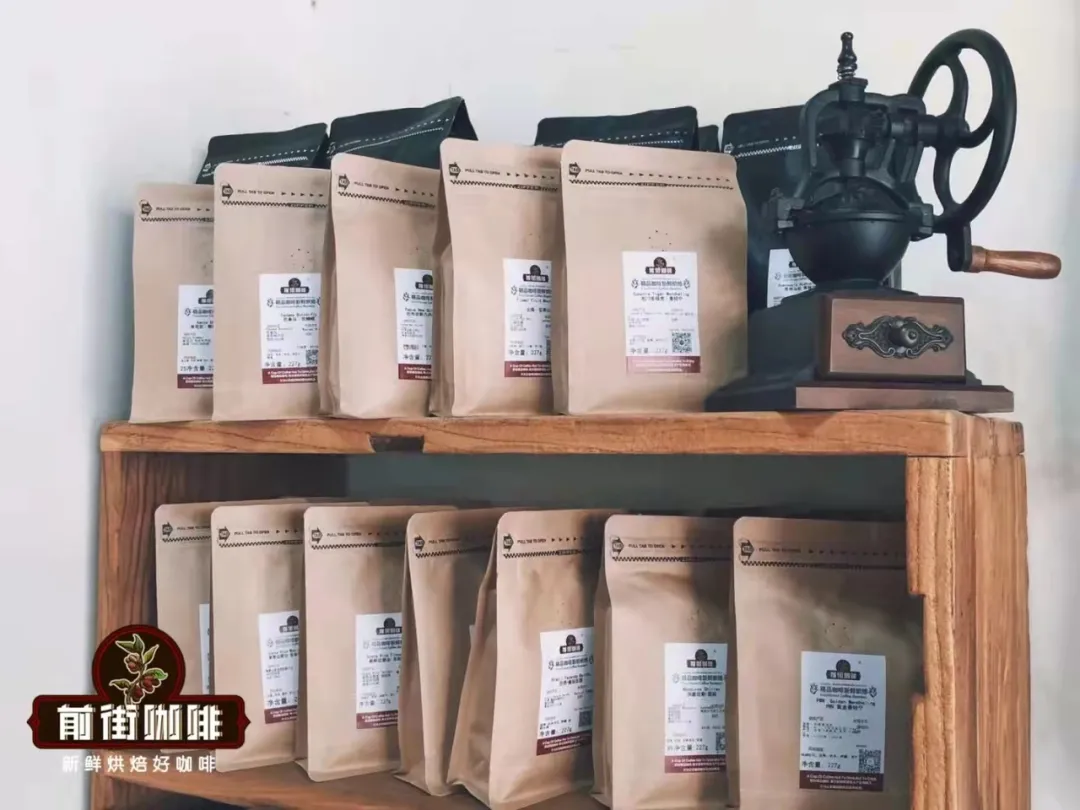
Three Major Taboos in Coffee Bean Storage | How to Store Fresh Coffee Beans to Preserve Flavor Longer? How to Extend the Peak Flavor Period of Single-Origin Pour-Over Beans?
As the Spring Festival approaches, it's another special Spring Festival, and many courier services are gradually suspending operations. Smart friends have already stocked up on winter supplies, filling their coffee cabinets to the brim. However, with still about half a month to go before the New Year, how to store coffee beans has become a major challenge for everyone. When storing coffee beans, [more…]

Home Coffee Bean Storage Methods | Can Freshly Roasted Coffee Beans Be Frozen in the Refrigerator? Can Sealing the Degassing Valve Slow Down the Loss of Coffee Bean Flavor?
Recently, everyone has probably stocked up on beans during Double Eleven. The questions asked to Front Street are all things like "How long can the flavor of unopened coffee beans be preserved at most?" and "How can opened coffee beans be stored to slow down the rate of flavor loss?" Today, Front Street will talk about the issue of storing coffee beans. How long can the flavor of coffee beans be preserved? Can it be asked this [more…]
Coffee Bean Storage Methods | Which bagged coffee bean roasting brands are recommended for beginners? How long after the roast date do coffee beans taste best?
Whether it's for a morning wake-up, an afternoon pick-me-up, or a slow, leisurely brew at home, choosing the right coffee beans can bring café-quality flavor right to your doorstep. Today we're bringing you a coffee bean brand with a stellar reputation across the web, along with a roundup of bagged coffee beans that deliver consistent flavor and are absolutely worth repurchasing—so beginners can avoid any missteps, and longtime fans can stock up with complete confidence. [more…]
Freezing Coffee Beans for Storage | Should Coffee Beans Be Stored in the Refrigerator? Why Freeze Coffee Beans? How Should Coffee Beginners Store Coffee Beans Daily?
"Front Street Coffee recently noticed a topic in our chat group." How do you all store your coffee beans after buying them? In the fridge! I've seen many coffee experts keep their beans in the fridge. But won't the beans get damp in the fridge? The fridge is dry! (So Front Street Coffee interviewed various coffee beans 🎤) [more…]
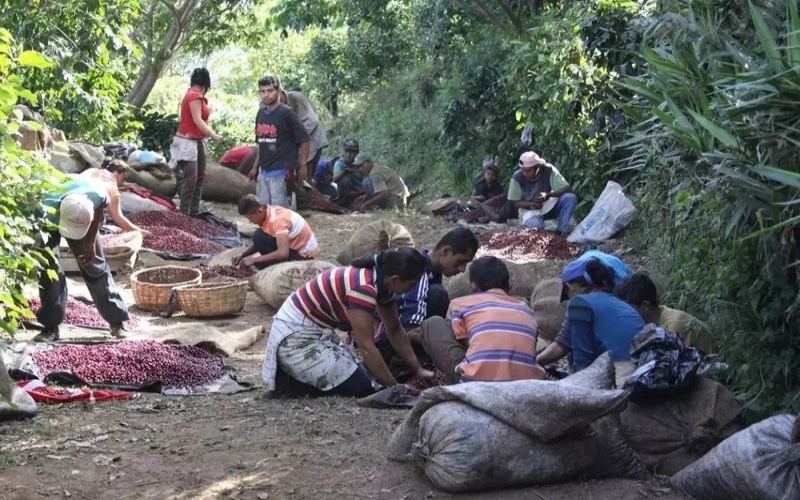
The flavor of a Moka Pot Americano depends on the rhythm after opening the bag
Americanos made with a moka pot have a fairly concentrated coffee character while also amplifying the beans' sweet aroma, nutty notes, and cocoa tones. When choosing beans, besides checking the origin and flavor description, you should also pay attention to the roast date, the condition of the packaging, and how quickly you'll drink them. The stage the beans are at often determines whether a pot of coffee has a fresh aroma [more…]
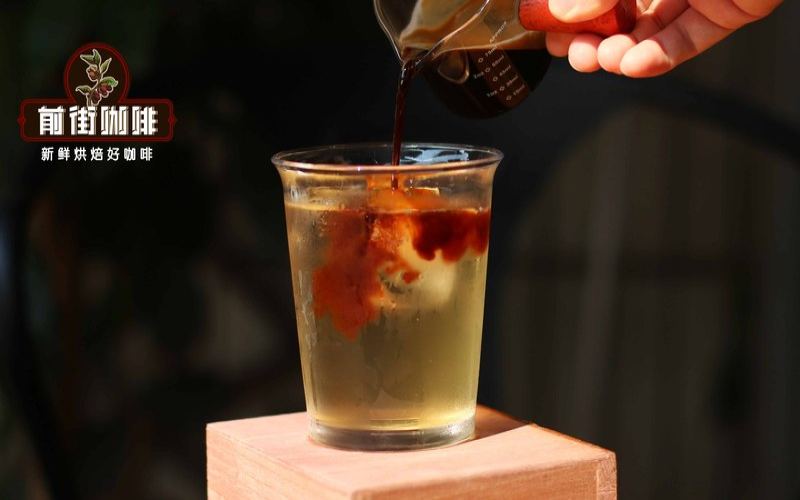
After the roast date, when does a home espresso blend taste better?
After coffee beans leave the roaster, they continue to release carbon dioxide, and espresso extraction amplifies this change. If you open the bag immediately after roasting, the puck tends to swell rapidly when it meets water, and both the flow rate and the crema layer are more active; after resting for a few days, gas release slows down, and sweetness, body, and aroma usually come together more easily in the same cup. [more…]
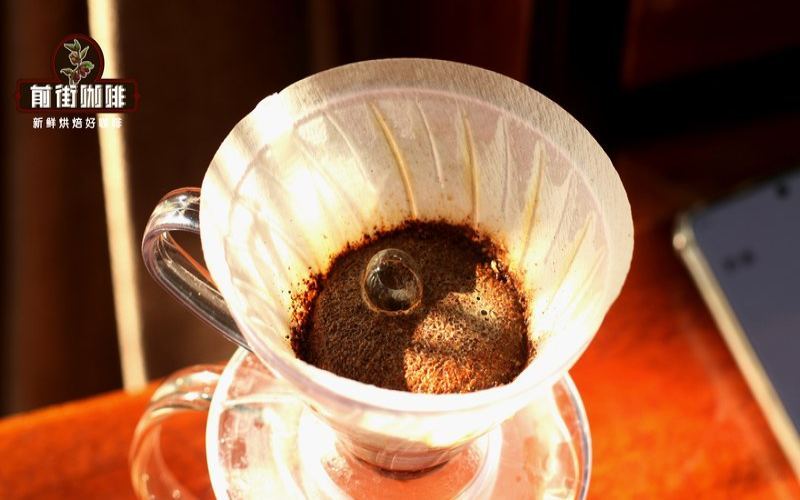
The Flavor Window of Yirgacheffe Beans: How to Buy Them from the Channel and Get Them Home
The floral aroma, citrus notes, and tea-like quality of a cup of Yirgacheffe depend not only on its origin and roasting method, but also on how long it has been since it left the roaster. Freshly roasted beans are not necessarily ready to drink right away; brewing too early may result in scattered aromas, while leaving them too long will gradually cause them to lose their brightness. When choosing where to buy, first confirm the roast date, then plan your [more…]
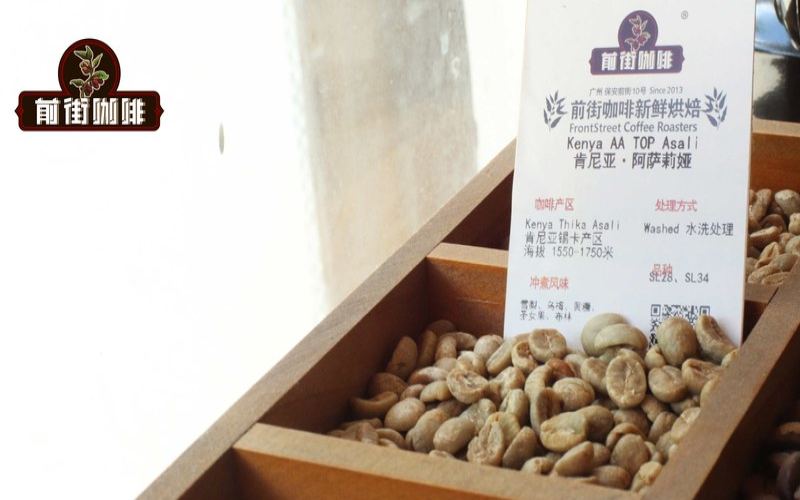
Coffee Bean Repurchase Review: From Roasting to Peak Flavor
When coffee beans are freshly roasted, their aroma does not mean they are at their peak. The interior of the beans still holds a large amount of carbon dioxide, and brewing them right away can easily produce sharp acidity, a thin and hollow mouthfeel, and a flow rate that may surge and slow unpredictably. The time when they are truly ready to drink usually requires waiting for the gas to release over a period, allowing the floral notes, fruity sweetness, and body to gradually come together. [more…]
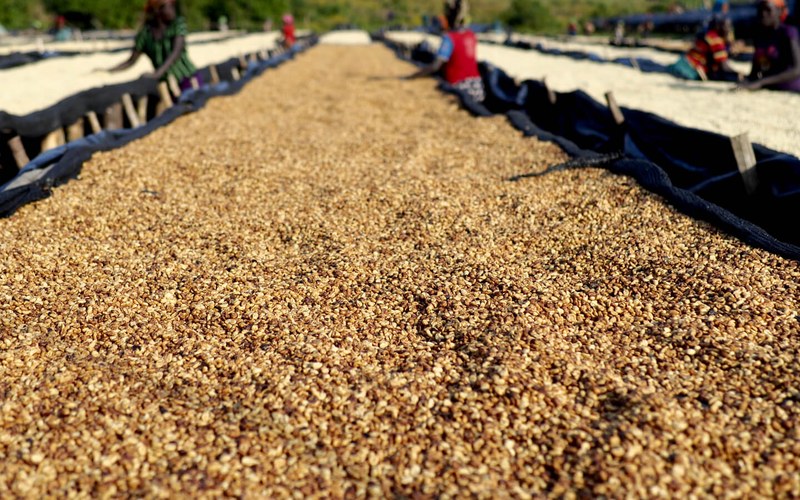
Moka Pot Oily-Mouthfeel Beans: From Roast Date to Peak Aroma
If you want to brew rich crema, a syrupy mouthfeel, and full aroma from a moka pot, the roast date of your coffee beans deserves your first attention. When beans are fresh out of the roaster, carbon dioxide is released relatively quickly, which can interfere with the extraction flow; if they are stored too long, the volatile aromas gradually fade. The ideal rhythm is to first let the degassing settle down, then take advantage of the aroma while it is still full. [more…]
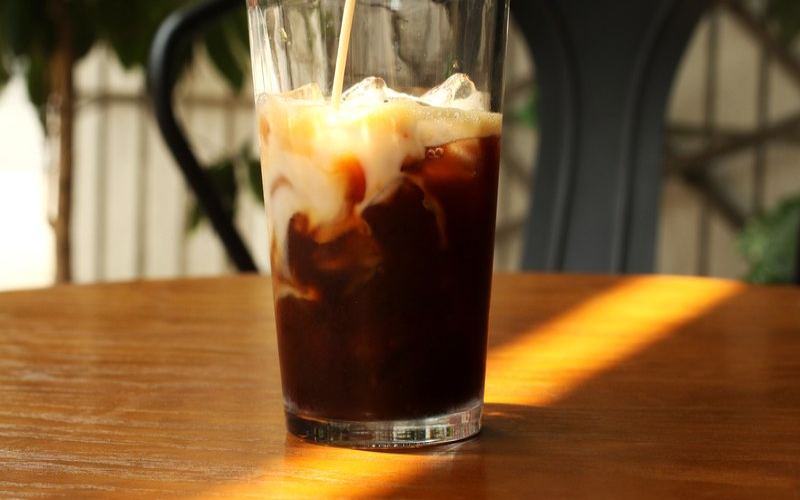
Floral Coffee Beans: The Flavor Rhythm After You Bring Them Home
The expression of floral-type coffee beans often shifts with the roast date and storage time. When freshly roasted, the beans retain more carbon dioxide, so the brewed coffee may have a bold aroma but taste less cohesive in acidity and sweetness; after resting for a few days, the floral, fruity, and sweet notes gradually come together, making the cup feel more complete. When buying beans, the roast date [more…]
The Flavor Window After Opening a Bag of Coffee Beans: How to Drink These Three Distinctive Beans
The aroma of coffee beans is not completely set the moment roasting ends. In the days after coming out of the roaster, the beans continue to slowly release carbon dioxide, and the floral, fruity, and sweet notes need a little time to recombine. The so-called peak-flavor window is more like a period when the flavor is relatively active, not a hard expiration date printed on the package. Once you understand this change, [more…]
Espresso beans from roast date to opening the bag: seize the flavor peak
Italian-style coffee beans are not necessarily tastier the closer they are to the roaster. When beans have just finished roasting, they are still continuously releasing carbon dioxide internally, and after grinding they tend to show an expanding coffee bed, unstable extraction, and aromas that are not fully open. Paying attention to the roast date when choosing beans is about arranging a suitable drinking rhythm, not about rushing to use them the same day you get them. [more…]
From Roaster to Cup: The Flavor Rhythm of Freshly Roasted Coffee
The appeal of freshly roasted coffee lies not only in the beans themselves, but also in how they change from the moment roasting is completed to the moment they are sipped. Beans just out of the roaster are usually still releasing gas, so their aroma seems scattered, and the brewed liquid may not be stable enough. Planning purchases and drinking according to the roast date makes it easier to get a cup that meets expectations than looking only at origin or flavor descriptors. [more…]
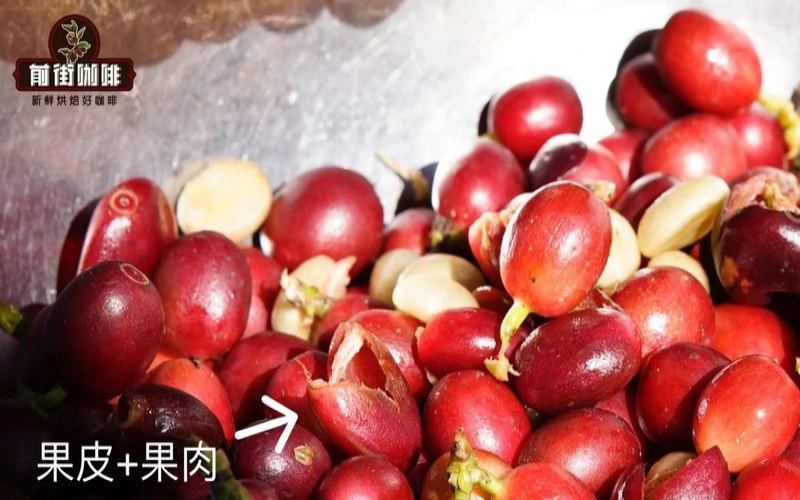
SOE from Roast Date to Opening the Bag: Seizing the Window When Aroma Is at Its Peak
The aroma of coffee beans isn't fully developed on the day they're roasted. After SOE is bagged, it continues to release carbon dioxide; in the first few days it smells very lively, yet during extraction it may expand too quickly and the flow rate can be erratic. Understanding the relationship between the roast date, the opening date, and the drinking timeline is more important than just looking at the shelf life in determining whether the cup is clear and sweet. [more…]
From roasting to opening the bag: how to master the rhythm of coffee bean flavor
After coffee beans are brought home, the aroma does not immediately reach its ideal state on the day the bag is opened. At the end of roasting, the beans are still releasing carbon dioxide, and brewing too early can easily lead to aromas dissipating, sharp acidity, or a hollow taste. The so-called peak flavor period refers to a span of time during which the flavor expression is relatively complete, and it is not the same as the food-safety meaning of " [more…]
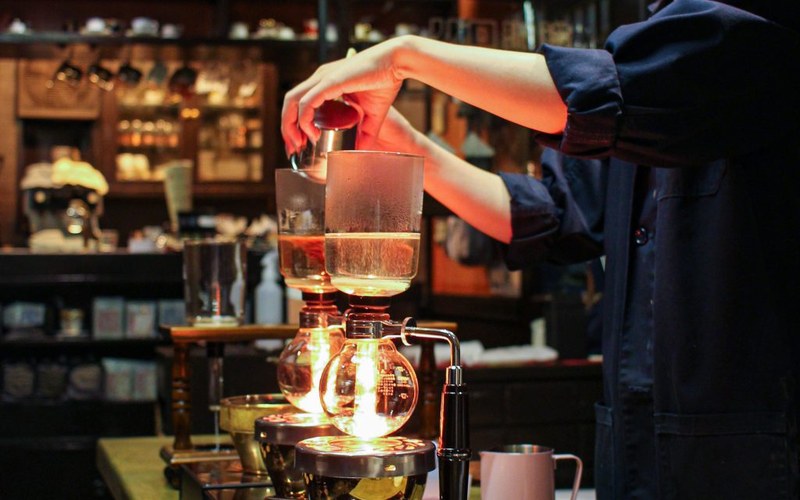
The Transformation of Espresso Crema from Bag Opening to Cup
When making espresso, the golden foam on the surface of the cup is greatly influenced by the freshness of the beans. Freshly roasted coffee beans contain more carbon dioxide, which is rapidly released when they meet high-pressure hot water, making the crema look richer and the aroma more punchy. However, more crema does not mean the flavor has matured; the time since opening the bag, the roast level, and the beans' own [more…]
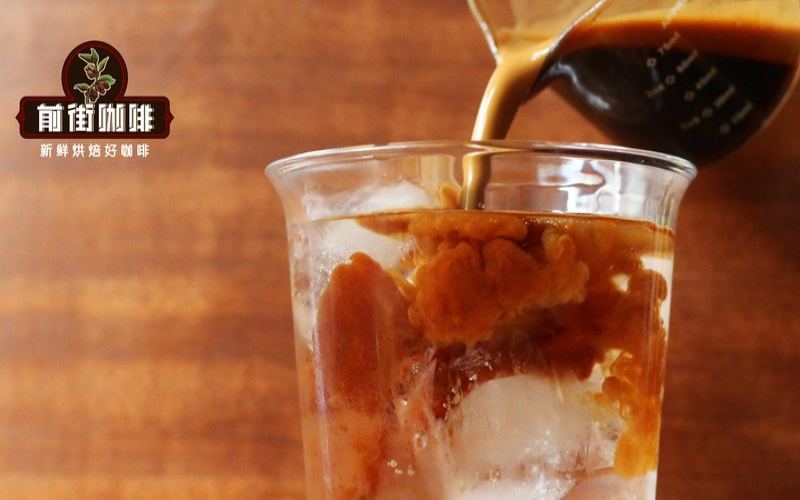
From opening the bag to peak flavor for sun-dried beans, plan your drinking rhythm like this
The aroma of sun-dried coffee beans often comes through vividly, with berry, tropical fruit, floral, and fermented sweetness notes easily detectable when the bag is opened. However, freshly roasted beans do not necessarily reach their ideal state right away. After roasting, the bean mass continues to release carbon dioxide, and when there is too much gas, hot water struggles to penetrate the coffee bed evenly, and the cup may present [more…]
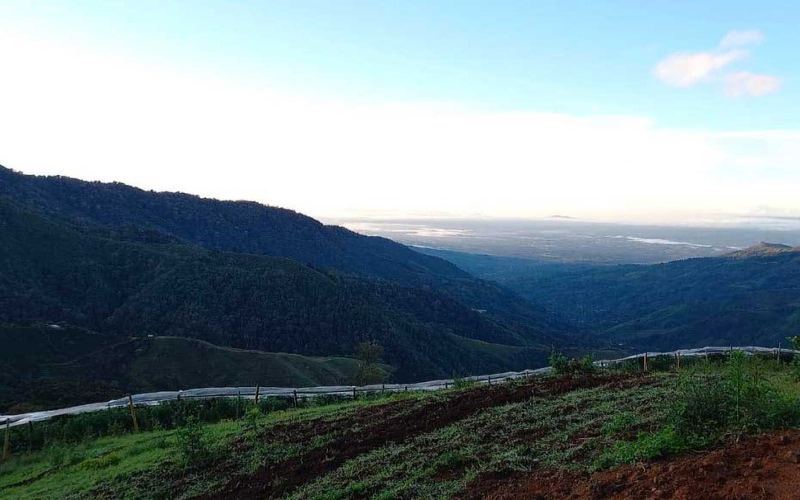
When should you open a bag of light or dark roasted SOE? The roast date determines the pace of drinking your beans.
When SOE beans are freshly roasted, they are still continuously releasing carbon dioxide internally, and their aromatics are in a stage of reintegration. At this point, "the fresher, the more aromatic" does not always translate directly into the cup: dark roasts usually enter their smooth-drinking window earlier, while light roasts often need several more days of waiting. Deciding whether to choose dark or light also depends on whether you can consistently maintain stability after the flavors have opened up. [more…]
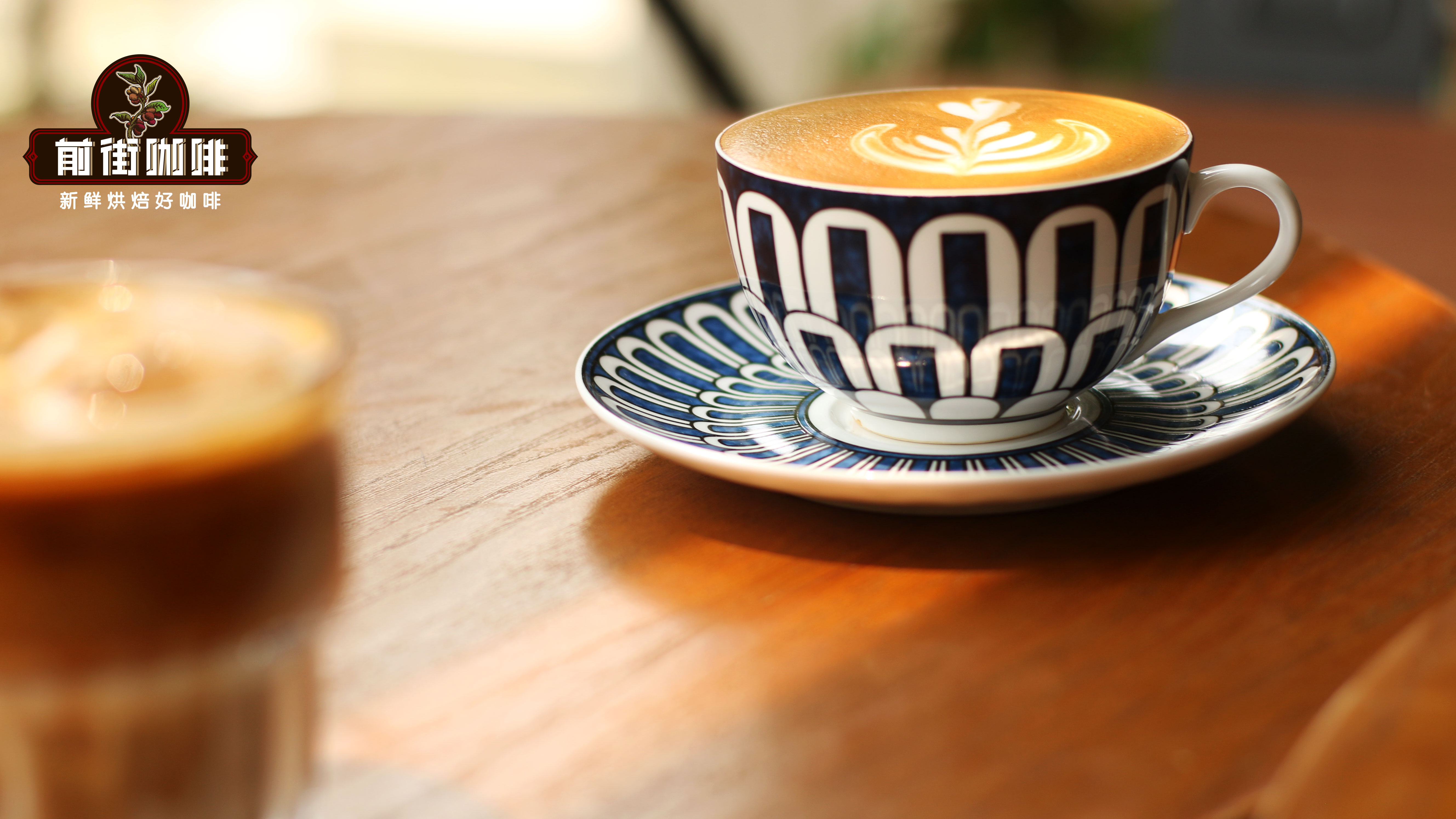
Homemade Latte Recipe | What Is the Origin of Latte Coffee? What Are the Differences in Taste and Mouthfeel Between Hot Latte, Iced Latte, and Dirty Coffee?
Latte is a transliteration of the Italian word Latte. Latte coffee refers to coffee made by mixing a certain proportion of milk into espresso, and is a type of fancy coffee. The original latte coffee originated in Vienna, the city of music. Viennese people began drinking coffee in the 17th century, when the Turkish army attacked [more…]