







With Spring Festival approaching—and this one is particularly special—many courier services are gradually suspending operations. Smart friends have already stocked up on winter supplies, filling their coffee cabinets to the brim.
However, with still a fortnight to go before the New Year, how to store coffee beans has become a major challenge for friends.
When storing coffee beans, there are three taboos: high temperature, moisture, and oxidation.
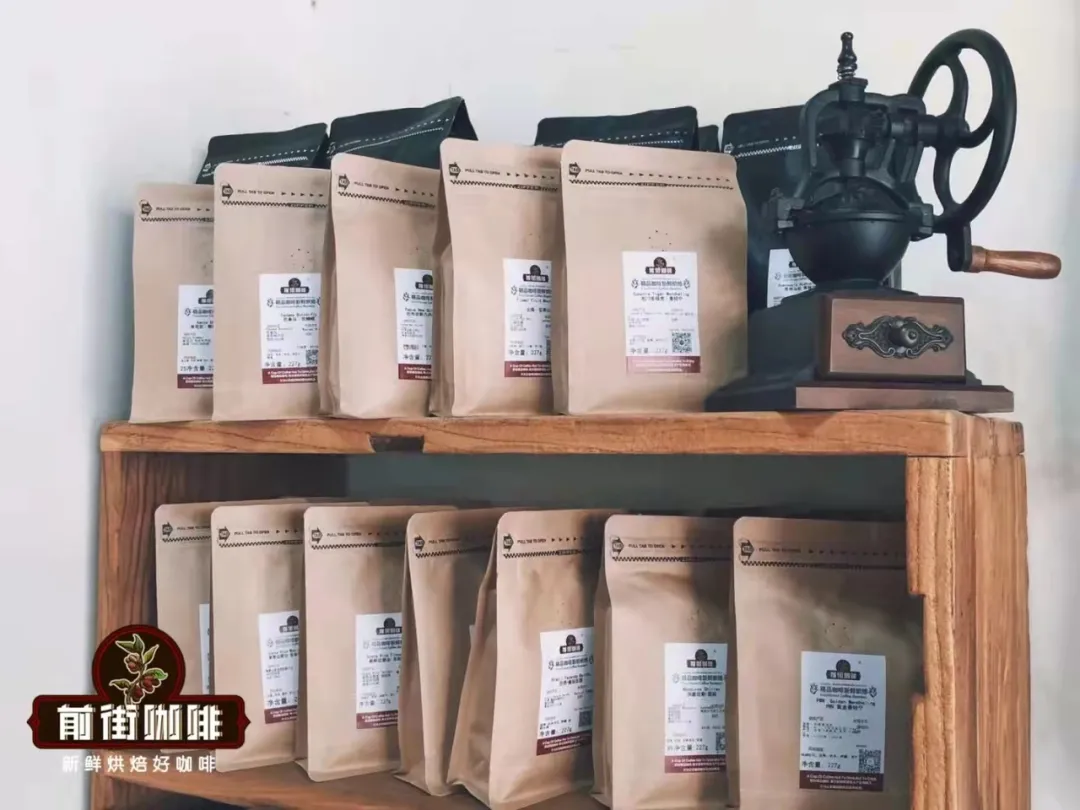
When coffee beans are kept above normal room temperature, their aromatic compounds volatilize especially quickly, and exposure to sunlight is even more likely to breed fungi and bacteria, causing spoilage.
People in Lingnan know moisture all too well—during the "return of the southern damp," it's practically routine for things indoors to get damp, moldy, and spoiled. Coffee beans are no different: when they absorb moisture, they easily become moldy and spoil.
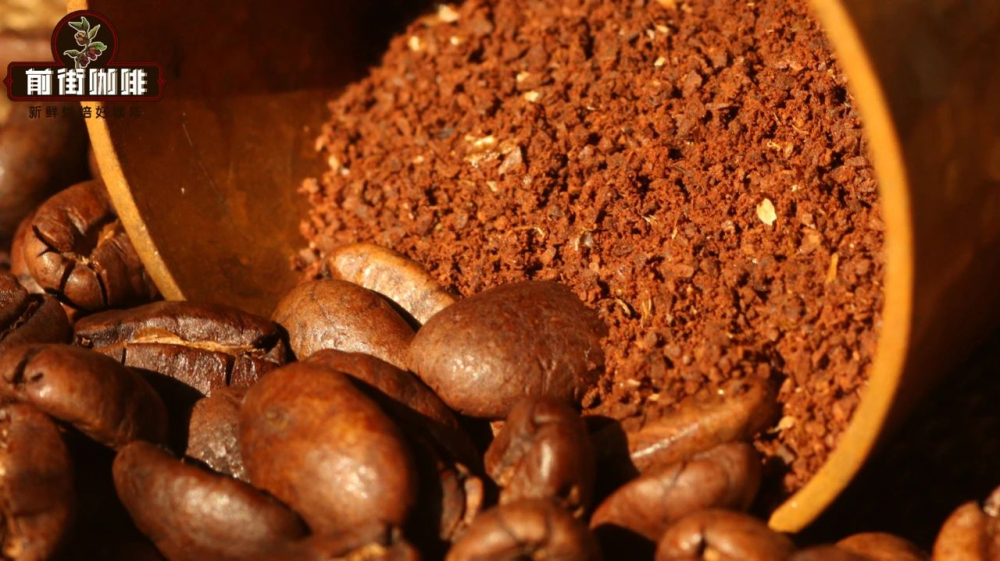
Oxidation is the reaction that occurs when food comes into full contact with oxygen. A common example is peeled apples and potatoes, which turn reddish-brown after being exposed to air for a period of time. The oxidation reaction of coffee beans isn't as obvious, but continuous exposure to oxygen will greatly shorten their peak flavor period.
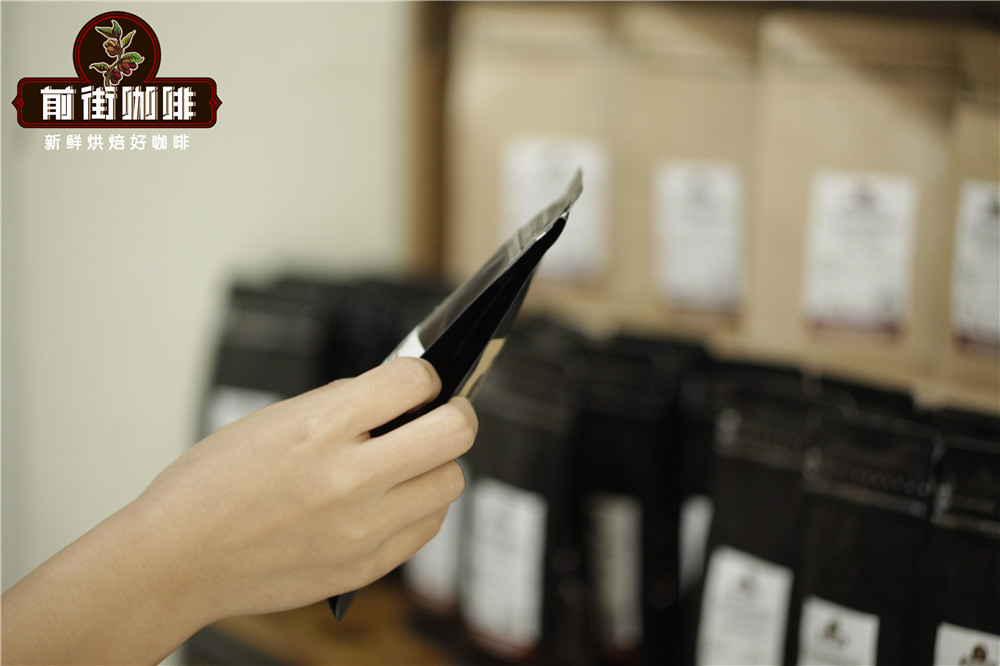
Therefore, Front Street Coffee's usual advice is: after receiving your order, leave the original packaging unopened and store it in a cool, dry place, and only take out one bag when you need to use it.
Q: Is it best to open the bag immediately after receiving the coffee beans and transfer them into an airtight canister for storage?
If the coffee beans have already been opened, storing them in an airtight canister is the best choice, as this preserves the flavor to the greatest extent possible. But if they haven't been opened, then leaving them in their original packaging in a cool, dry place is best. Coffee packaging bags are equipped with one-way degassing valves, which can release pressure when the internal pressure gets too high, whereas airtight canisters lack this function. And the very process of transferring the beans into the canister itself already releases gas and exposes them to air, making it a superfluous step.
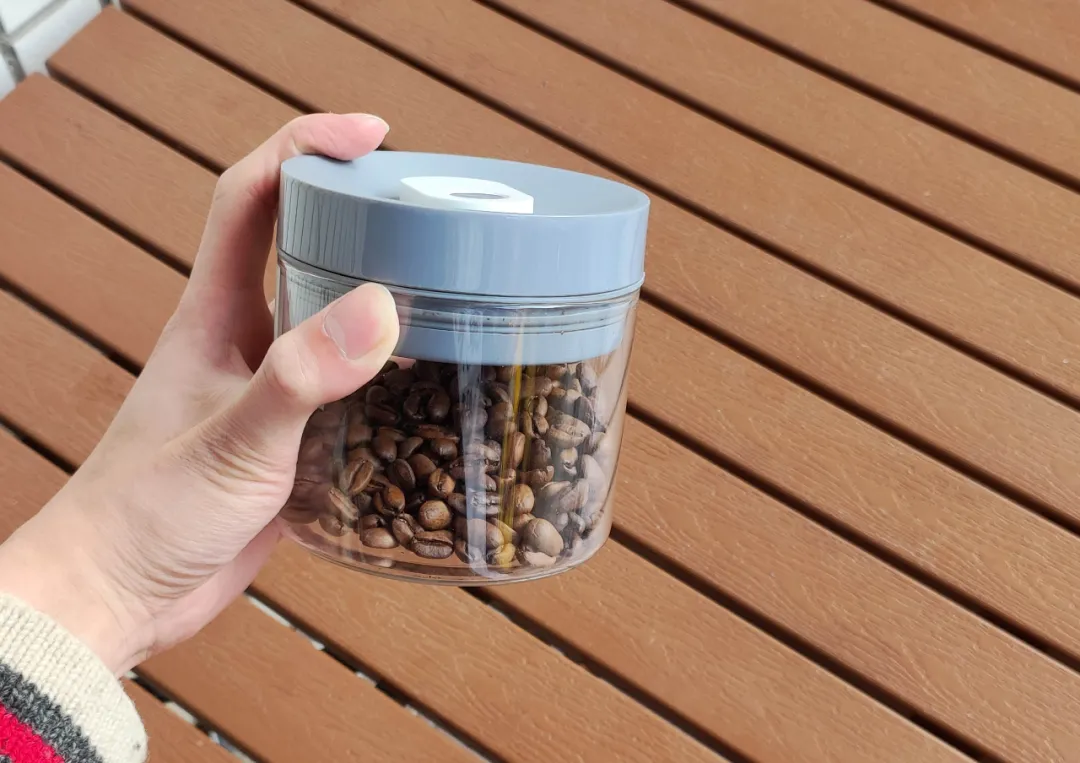
Only open the bag and transfer to an airtight canister for storage when you're ready to drink it
Q: Is storing in the refrigerator or freezer the best option?
Front Street Coffee has also read quite a few bean storage guides—storing in the refrigerator can effectively reduce the oxidation reaction of coffee beans. Front Street Coffee also conducted corresponding experiments, placing beans respectively in the 5–15°C preservation compartment and the -20°C freezer compartment. It cannot be denied that low-temperature storage does effectively slow down the degree of coffee oxidation, achieving a longer peak flavor period.
However, the requirements to achieve this effect are quite demanding. I believe your home refrigerator isn't simply used for storing coffee beans—fruit, leftovers, and beverages are all regular occupants. In such a complex environment, odors are unavoidable, and coffee beans absorbing the odors from the refrigerator will "ruin" the coffee.
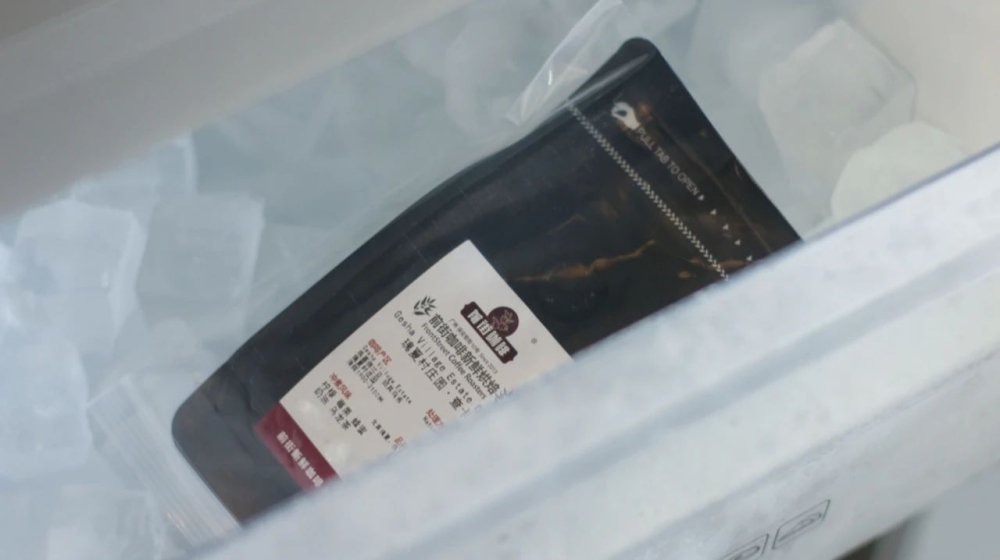
Next is the thawing issue. In the preservation compartment, the coffee's temperature isn't unreasonably low, but if you take it out immediately to grind and brew, the brewing process will generally be at a lower temperature than coffee stored at room temperature, resulting in insufficient flavor in the brewed coffee.
Coffee taken out of the freezer compartment needs to be thawed, and thawing inevitably produces moisture—this moisture is condensed from water vapor in the air, meaning it's very prone to absorbing dampness.
If the issues raised by Front Street Coffee can be easily resolved, refrigerated storage is also a good option.
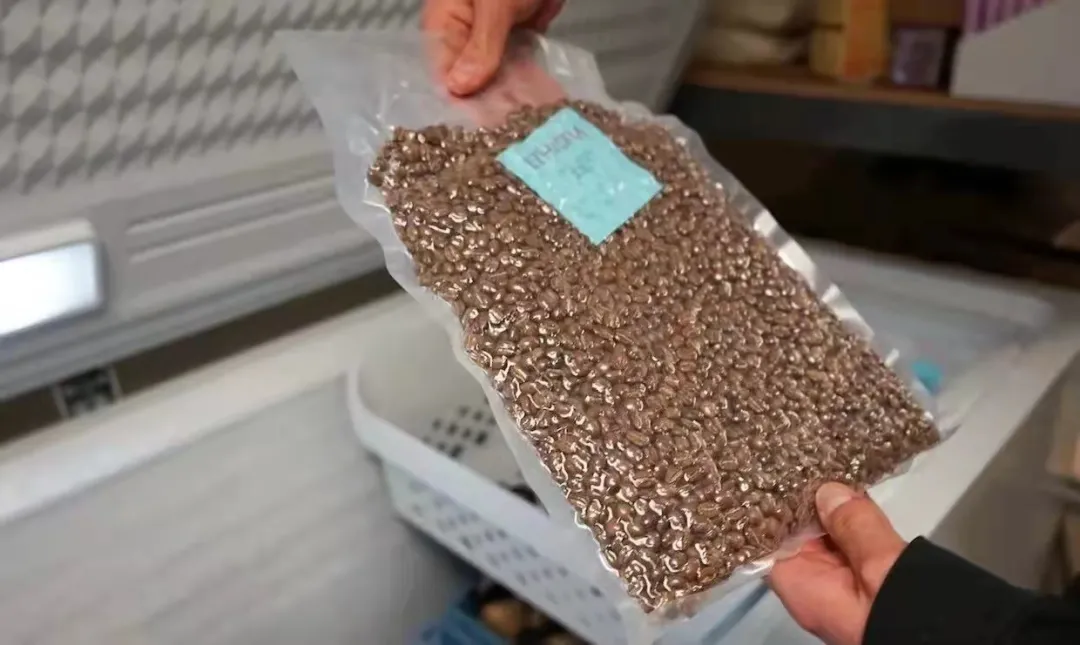
This method provides more comprehensive protection—but friends without the right conditions should still avoid putting coffee in the refrigerator
So friends stocking up for the New Year should just honestly follow the storage principles of dark, dry, and sealed when storing their coffee beans.
The above content is compiled by CoffeeHunters, a coffee news website.

