







Should Coffee Beans Go in the Fridge or Freezer?
Storing coffee beans in the fridge or freezer is not automatically better and can do harm. The flavor that fades is mostly aroma: once beans go stale, grinding smells dull and carries peanut skin or almond notes, while the basic taste from water-soluble compounds remains. Within the 12-month shelf life, older beans are still safe to consume, just less pleasant.
Freezing introduces two risks, cross-tainting from other food and moisture absorption when the beans are moved in and out. Sealing the degassing valve or using an airtight canister helps only so far. The safer approach to preserve coffee is to buy according to need, keep beans in a cool dark airtight container, and finish them within the peak-flavor window that follows the resting period.
After stocking up on beans during Double Eleven, many coffee lovers are asking: how long can unopened coffee beans be stored? And after opening, how should they be kept to slow down staling? Today Front Street will systematically discuss the storage of coffee beans. The article will first explain the difference between "flavor" and "taste," outline the approximate ranges of the resting period and the peak-flavor period, then analyze one by one whether common practices such as sealing the degassing valve or using airtight canisters are effective, and focus on discussing the risks of cross-tainting and moisture absorption that frozen storage may bring. Finally, it will give the safest storage recommendations to help everyone buy according to need, store beans correctly, and enjoy fresh, good flavor for as long as possible.
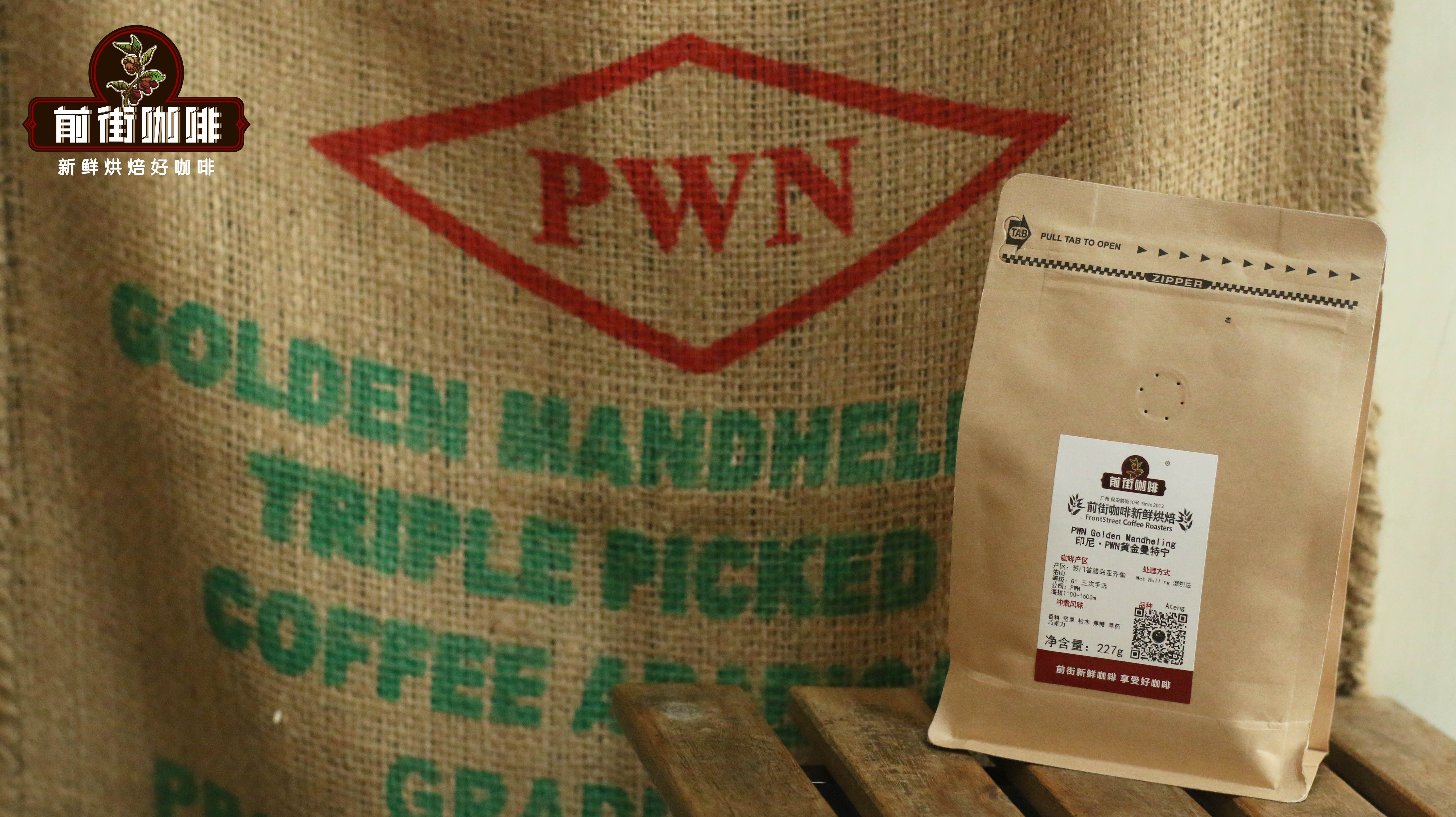
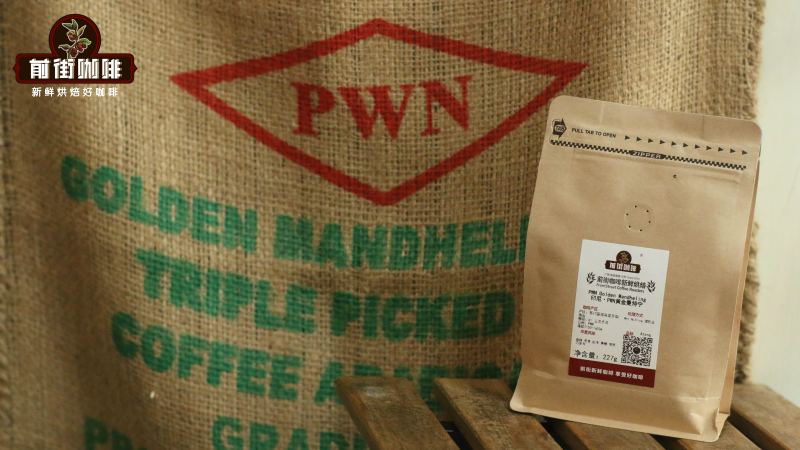
Recently quite a few friends took advantage of Double Eleven to stock up on a batch of beans, and their questions to Front Street centered on things like "how long can unopened coffee beans retain their flavor" and "how to store them after opening so they lose less flavor." Today Front Street will specifically talk about coffee bean storage.
How long can the flavor of coffee beans actually last?
People who care about this question generally have demands when it comes to coffee flavor. But Front Street will first explain the difference between flavor and taste. Flavor refers more to aroma, such as the fragrance that wafts out when grinding beans, and those pleasant scents in the coffee liquid after brewing. Once beans have gone stale, the aroma during grinding becomes dull and carries notes like peanut skin and almond, and the brewed coffee's aroma is also weaker and more muted. But the basic taste of coffee is still there; these tastes mainly come from the water-soluble substances in coffee, which are not easily volatile.
So what we often call staling is actually the aroma escaping, making it not as pleasant to drink; but as long as it is still within the shelf life (within 12 months), it can still be consumed. The flavor of coffee beans gradually declines from the completion of roasting, after passing through the resting period and reaching its peak, until it is completely lost. The length of the resting period and the peak-flavor period (flavor period) varies from bean to bean and is also affected by the storage environment, so usually only an approximate range is given: the resting period is about 4 to 7 days, and the peak-flavor period is about 30 to 45 days.
Can blocking the degassing valve make beans last longer?
Some people, after receiving beans, immediately seal the degassing valve shut with tape, thinking this way the flavor won't escape. In fact, this practice seems reasonable but is actually quite superfluous. Because the one-way degassing valve's function is only to prevent the gas released by the coffee beans from bursting the bag; under normal conditions without external force, the degassing valve does not work, and only when there is too much gas inside the bag will the excess gas be expelled through the pressure difference. Sealing the degassing valve makes no difference: the beans still degas as they should, and the bag still puffs up as it should.
Airtight canister or the original packaging bag?
Some friends also pour the beans into an airtight canister after opening. In fact, if the canister has good airtightness, compared with the original coffee bag with a sealing strip, the preservation effect won't differ much. What truly has a greater impact on flavor loss is the frequency and duration of opening the packaging.
Every time the bag is opened, the inside connects with the outside once, and the flavor of the coffee beans is lost faster. This is also why some beans taste pretty good when first opened and brewed at 30 days, but just two days later, the flavor takes a sharp turn for the worse.
Can coffee beans be stored frozen in the refrigerator?
Some people, seeing that freezing can slow down coffee flavor loss, follow suit. But freezing coffee beans has its own problems; if not handled well, it can be worse than not freezing.
The first is cross-tainting. If there are other frozen items still in the freezer compartment and coffee beans are put in, the beans may absorb other odors; or if the freezer area has not been cleaned for a long time, it is also prone to developing a "fridge smell," which likewise affects the coffee beans.
The second is the thawing problem. When we take a bottle of drink out of the refrigerator, after a while the originally dry plastic bottle surface becomes covered with small water droplets. Frozen coffee beans work the same way: when the beans go from -10 degrees to a room-temperature environment of 28 degrees, the surrounding water vapor condenses into droplets that attach to the beans, causing the coffee beans to absorb moisture.
The best way to preserve flavor
No matter which method is used, coffee flavor loss over time is unavoidable. So the best approach is to calculate your own coffee consumption, buy according to need the amount you can finish in 1 month, and buy freshly roasted coffee beans again when you're almost out. Don't stock up on a large amount of beans just to chase a bargain, only for the flavor to run out and make them undrinkable, which ends up being a waste.
If the coffee beans are still unopened, try to keep them in the original bag in a light-proof, cool, dry place. After opening, you can use the sealing strip on the original packaging to seal and store them, but after sealing, check the packaging's airtightness. If you find the bag is torn, you need to switch to another airtight container to store the coffee beans.
Under the condition of ensuring usual sealed storage and opening the bag to take beans at a normal frequency, the flavor of coffee beans can be preserved for up to 30 days.
The above content is compiled by CoffeeHunters, a coffee news website.


