







Search Results for: Flour Grind
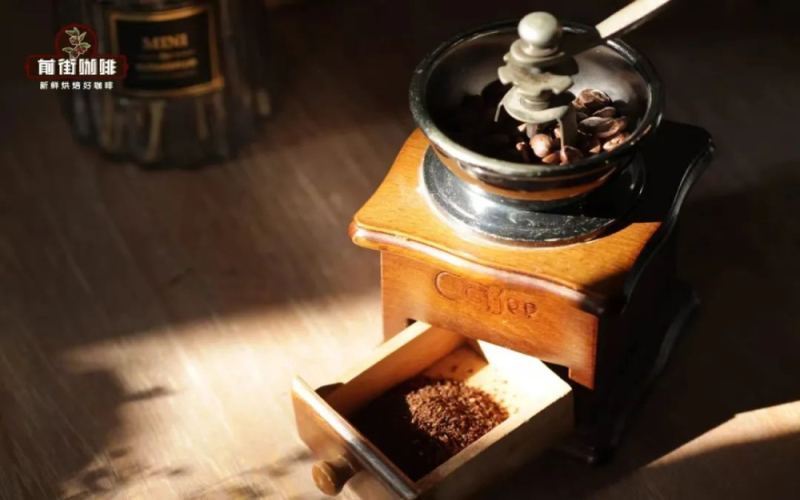
Coffee Grind Size Analogy Guide: Particle Size Correspondence Between Caster Sugar, Coarse Sugar, Sea Salt, Fine Salt, and Flour
There is no unified quantitative standard for coffee grinding, so enthusiasts often use everyday ingredients as analogies to quickly convey the concept of particle size. Common reference points like fine granulated sugar, coarse granulated sugar, sea salt, fine salt, and flour each correspond to different brewing methods and roast levels. This article goes through the particle size characteristics and suitable scenarios for each of these analogous grinds one by one: fine granulated sugar is mostly used for light-roast pour-over, coarse granulated sugar suits medium-dark roast beans, sea salt-like texture is suitable for immersion extraction methods like the French press, fine salt-like texture serves the fast-paced extraction of the moka pot, and flour-like texture is divided into two categories: espresso and Turkish coffee. The grind size described by each analogy is a range, not a single fixed value, and understanding this point helps with more flexible grind adjustment. [more…]
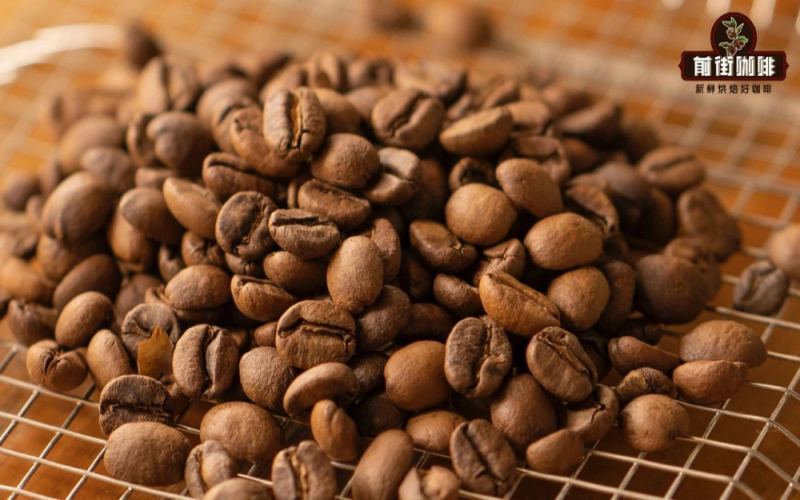
Starbucks Coffee Bean Grind Size Guide: A Complete Scale Analysis from Fine Sugar to Flour-Like Consistency with Brewing Recommendations
Bought Starbucks coffee beans but feel puzzled by the grinder settings? Grind size directly determines the success or failure of a cup of coffee. This article uses common everyday items like fine granulated sugar, coarse granulated sugar, sea salt, fine salt, and flour as analogies to help you quickly find the right grind size for pour-over, French press, moka pot, and espresso machine. Beans of different roast levels have different densities, so the same extraction method requires different grinds. Front Street Coffee will guide you through understanding the particle size range corresponding to each grind state, and why light-roasted beans need a finer grind while dark-roasted beans need a coarser grind, so you no longer have to agonize over grind size. [more…]
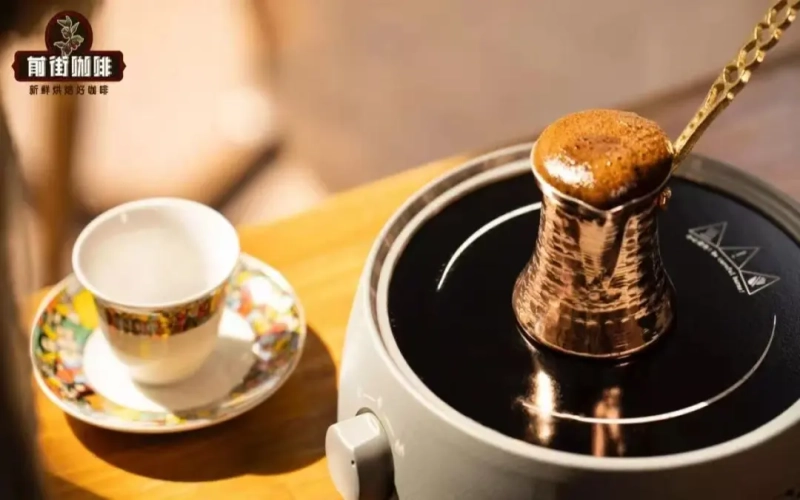
Why does Turkish sand-brewed coffee seem inexhaustible? A complete analysis of the brewing method and parameters
Turkish sand-brewed coffee is often given the magical label of "unlimited refills" online, with a copper pot repeatedly rubbed in hot sand, and the coffee liquid seemingly never running out. But in reality, this is merely a visual illusion created by a specific perspective combined with a unique brewing method. Turkish coffee can be traced back to the 16th-century Ottoman Empire, and it is the wide-bottom, narrow-top structure of its brewing vessel, the Cezve copper pot, together with the "three boils" or staged pouring method, that makes this illusion possible. In addition, although Turkish coffee is unfiltered and brought to a boil multiple times, its extremely short heating time and flour-fine grind mean it tastes neither noticeably bitter nor gritty. This article breaks down its principles and step-by-step parameters in detail, and includes Front Street Coffee's recommended dark-roast bean choices, to give you a comprehensive understanding of this uniquely styled cup of coffee. [more…]
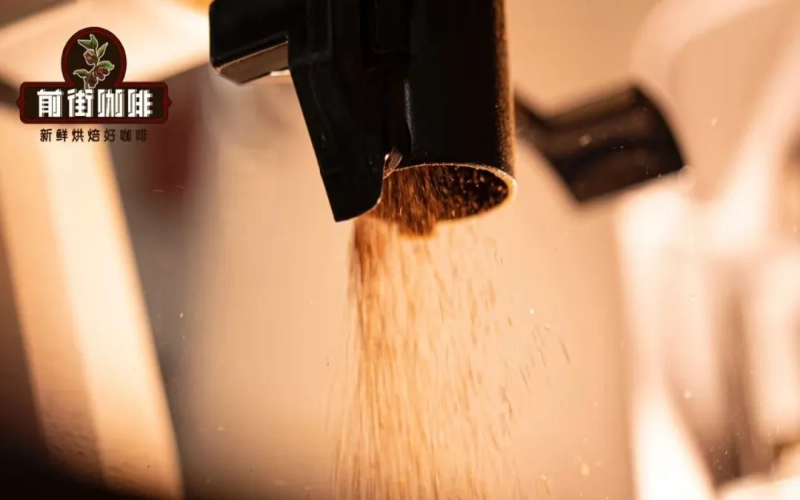
How Does Coffee Grind Size Affect Extraction? A Guide to Choosing Grind Size for Espresso and Pour-Over
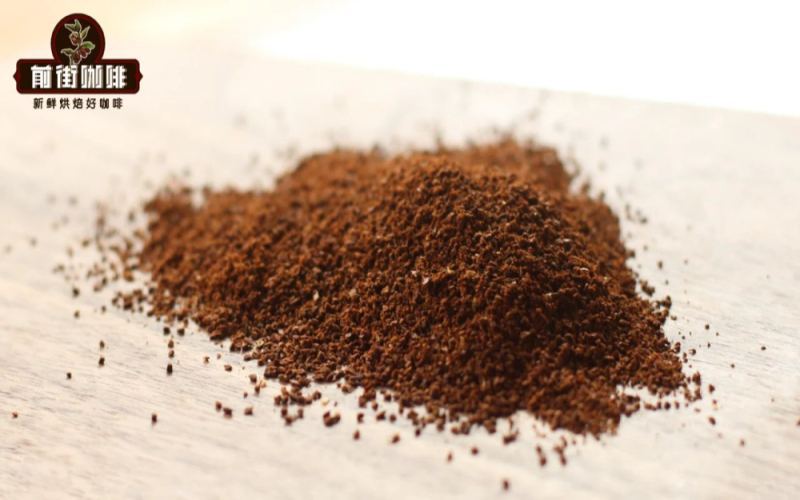
Grind size plays a decisive role in coffee extraction, directly affecting the dissolution efficiency of flavor compounds. Once coffee beans are ground into powder, their surface area can expand by about a thousand times. The finer the grind, the shorter the distance water must travel to reach the core of the particle, and the faster the extraction. Different brewing methods require different grind sizes, but due to the influence of equipment and bean varieties, there is no unified standard for grind size—only vague descriptions such as coarse sugar, fine sugar, or flour-like texture can be used to classify it. This article will systematically analyze the principles by which grind size affects extraction and outline the suitable grinding ranges for espresso and pour-over coffee respectively, helping enthusiasts build a clear understanding of grinding. [more…]
How Does Coffee Grind Size Affect Extraction? A Complete Analysis of Pour-Over and Espresso Parameter Adjustments
Grind size is one of the key variables determining coffee flavor. The finer the particles, the larger the contact area between hot water and coffee grounds, and the greater the resistance to extraction, which tends to prolong extraction time and increase the extraction yield; the coarser the particles, the opposite is true, and underextraction becomes likely. Different brewing devices have significantly different grind requirements, ranging from the flour-like extremely fine powder for a Turkish pot to the coarse particles for a French press, a very wide span. This article systematically sorts out the relationship between grind size, extraction time, and extraction yield, gives reference grind ranges for espresso and pour-over coffee, and, combined with Front Street Coffee's production experience, explains how to find a grind setting that suits you according to roast level and bean hardness, while also reminding you of the importance of daily maintenance of the grinder burrs. [more…]
A Complete Guide to Turkish Coffee: From Grind Fineness to Brewing and Drinking, a Classic Tradition
Turkish coffee, with its ancient and mysterious brewing method, holds a foundational place in European coffee culture. This article will guide you through the historical origins of Turkish coffee, its unique brewing method, the ultra-fine grind it requires, as well as the drinking etiquette and fascinating customs associated with it. From coffee grounds that must be ground as fine as flour, to slow brewing over charcoal embers with a long-handled copper ladle, to the custom of testing a suitor's coffee foam during marriage proposals, Turkish coffee is not merely a beverage but carries deep cultural significance. If you are interested in the grind size for Turkish coffee grounds, the brewing details, or Front Street Coffee's recommendations, this article will present them all to you one by one. [more…]
A Complete Guide to Espresso Grind Settings: Choosing the Right Coarseness from French Press to Espresso
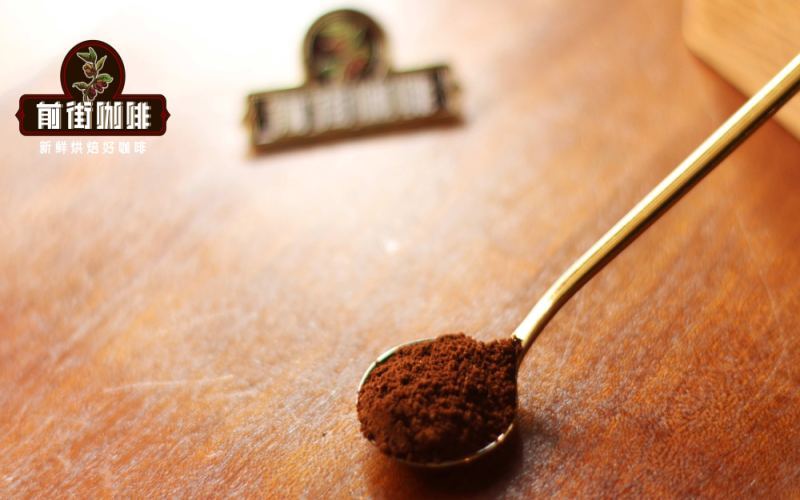
In the world of coffee, grind size is one of the key factors determining the success or failure of a cup. Different brewing methods have vastly different requirements for coffee grounds coarseness—from the sugar-like coarseness for a French press to the tiny particles between flour and mud for espresso, every extraction method has its corresponding grind standard. This article will provide an in-depth analysis of how to determine the grind setting for espresso, combining the definitions of Espresso from the Italian Coffee Association and the WBC to explain in detail how to control extraction time and flavor performance by adjusting grind size, and share Front Street Coffee's practical approach and specific cases when dialing in unfamiliar coffee beans, helping coffee enthusiasts precisely master grinding techniques. [more…]
A Complete Guide to Coffee Grind Size: Seven Grind Levels, Their Brewing Methods, and Flavor Differences
The coarseness of coffee grinding directly affects the efficiency of extraction and the final flavor performance, making it one of the key variables that determine whether a cup of coffee is good or bad. From extremely coarse cold brew grinding to Turkish grinding as fine as flour, seven different particle sizes each correspond to the most suitable brewing equipment and methods. This article systematically sorts out the appearance characteristics of each grind size, the applicable scenarios, and why grinding fresh at home preserves flavor better than buying pre-ground coffee powder. It will also explain the taste problems that may arise from improper grind size selection, helping you quickly find the appropriate grinding parameters based on the equipment you have on hand, so that every cup of coffee can present the ideal layering of flavor. [more…]
How to set the grind setting for espresso? The relationship between grind size and extraction time, and Front Street Coffee's approach to dialing in
Many coffee enthusiasts will find that different brewing methods require vastly different coffee ground sizes. A grind the texture of granulated sugar is commonly used for pour-over, French press, siphon, and cold brew, while espresso requires extremely fine particles somewhere between flour and muddy sand. Because this fine powder is difficult to measure by a fixed standard, in practice you often have to work backward from the extraction parameters to determine whether the grind setting is appropriate. This article centers on judging the grind setting for espresso, sorting out the correspondence between extraction time and grind fineness, explaining how to lock in the grinding direction by presetting the coffee-to-water ratio, pressure, and water temperature, and sharing Front Street Coffee's debugging logic when encountering an unfamiliar espresso bean or switching grinders, helping readers understand the complete adjustment process from parameter setting to flavor tasting. [more…]
A Complete Guide to Espresso Grind Size: From Dialing In to Judging by Flavor
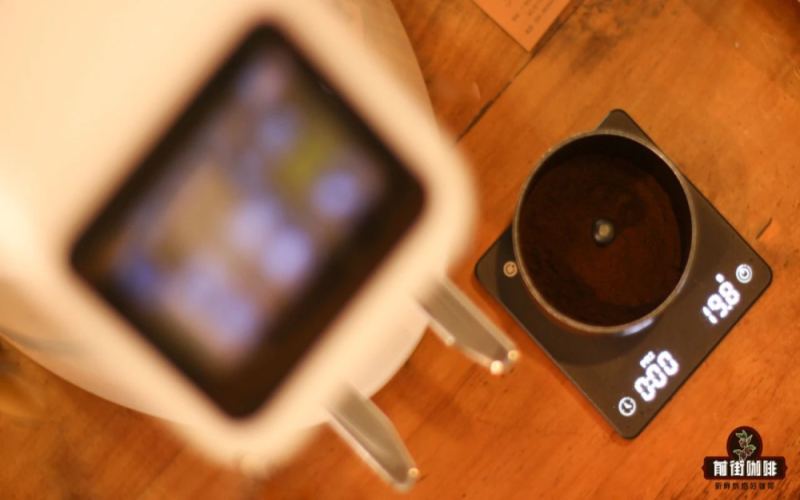
When making espresso, the grind size of the coffee grounds is the core variable that determines the quality of the final cup. Compared with brewing methods such as pour-over and cold brew, espresso demands a far finer grind than one might imagine—the powder is as fine as flour, its uniformity difficult to judge with the naked eye, and a deviation of just 0.1 on the grinder setting can make an enormous difference in taste. This article systematically lays out a complete approach to adjusting espresso grind—from judging grind size and observing flow rate to applying formulas and fine-tuning flavor—helping coffee lovers quickly lock in the right grind range even when faced with unfamiliar beans, so they can pull a balanced, delicious espresso. [more…]
Can a conical burr hand grinder handle espresso? Testing Timemore Chestnut G1S grinding performance and flavor changes
Hand grinders are generally considered inadequate for the fine grind required by espresso, but some manual grinders on the market do claim to manage it. In this article, we use the Timemore Chestnut G1S, a conical burr hand grinder, paired with Front Street Coffee's specialty espresso blend beans, and take the Yangjia 900N electric grinder as a reference, conducting multiple extraction tests by gradually adjusting the grind setting to observe the flow rate, crema, and flavor performance of espresso at different coarseness levels, and to analyze the differences in grinding method between conical and flat burrs, ultimately offering practical advice for making espresso with a hand grinder. [more…]
How to Set the Grind Setting for Espresso Beans? A Practical Method for Judging Grind Fineness from Extraction Time and Flavor
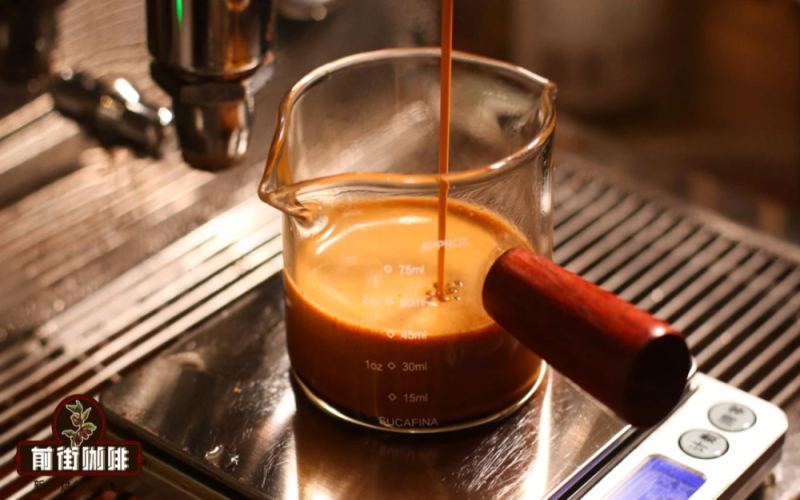
Espresso grind size falls between flour and table salt and cannot be judged by the naked eye, but the coarseness of the coffee grounds directly determines the flow rate, so you can work backward to whether the setting is appropriate by observing the extraction time. This article starts from the definition of espresso, sorts out the relationship between grind size and extraction time, explains how to set a target ratio of coffee to liquid, fix pressure and water temperature, and then adjust grind size to reach the target time. It also uses Front Street Coffee's Colombia Sidra coffee beans as a tuning example, showing the adjustment process from 34 seconds—slow with a bitter taste—to 30 seconds with a clear aroma. Finally, it emphasizes that after confirming the grind size, you still need to judge by tasting whether there are defective flavors, and if necessary, make minor adjustments to the dose or parameters. [more…]
How to distinguish coffee bean grind sizes? A reference for pour-over grind adjustment and 0.85mm sieve calibration
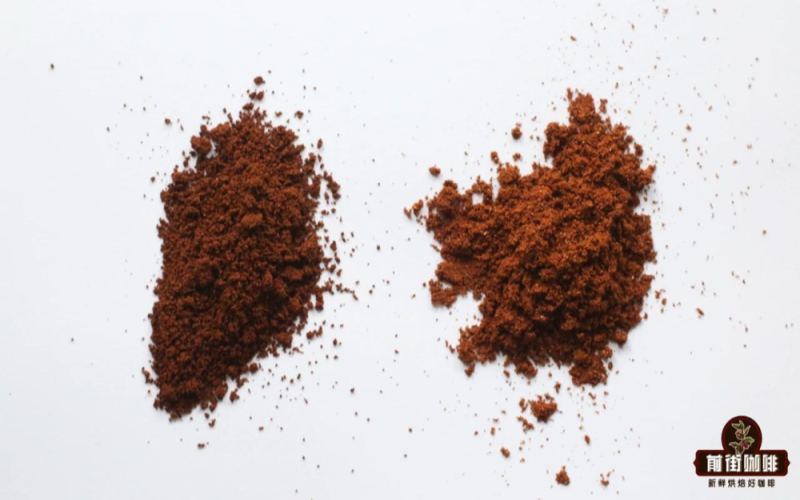
The first step in coffee brewing often begins with grinding. Different extraction methods have different requirements for coffee grounds: a French press needs coarse particles visible to the naked eye, while a Turkish pot requires a grind as fine as flour. At the same weight, the finer the grind, the greater the number of cuts and the larger the surface area, and the more opportunities water has to contact the coffee grounds, so flavor compounds are released faster. To move away from vague descriptions like "as coarse as granulated sugar," Front Street Coffee uses standard sieves to calibrate particle size: generally, pour-over coffee particles are between 600-850 microns; when tested with a 0.85 mm (No. 20) sieve, the pass rate is about 80% for light roasts and about 65-70% for medium-dark roasts. This article will also compare the pass rates of common methods such as cold drip, siphon, moka, American drip filter, cupping, and French press, and introduce the effects of conical burrs, flat burrs, and ghost teeth burrs on grinding results, as well as recommendations for choosing between hand grinders and electric grinders. [more…]
How do you adjust the grind size for espresso? A complete approach from finding the range to setting the scale
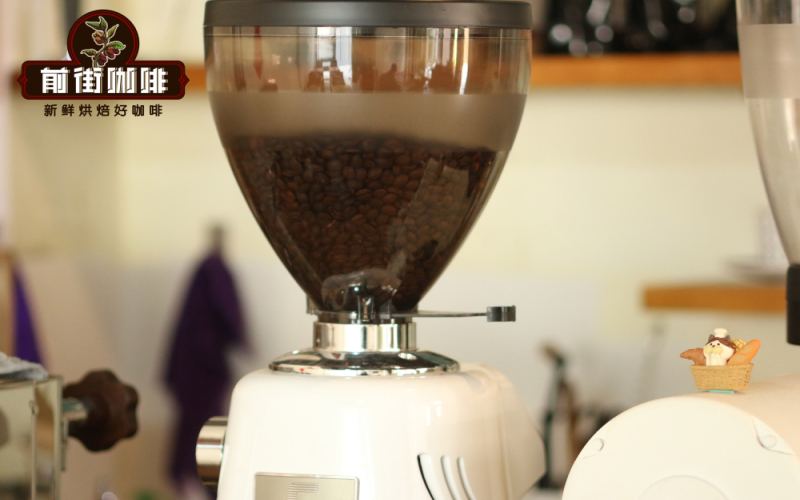
Espresso grinding is much finer than pour-over, and the adjustment window is extremely narrow—often just a fraction of a notch makes the difference, and the flow rate and flavor head toward two extremes. This article starts with how to determine the grinding range: first use the feel of the grounds to judge whether they are close to flour-like fineness, then apply the common formula of a 1:2 coffee-to-water ratio and 20–30 seconds to dial in, and decide whether to grind coarser or finer based on whether the flow is fast or slow. The article further explains that the formula is only a quick positioning tool, and ultimately you need to fine-tune based on flavor cues such as burnt-bitter notes, the color of the crema, and the length of the finish—even widening the ratio to between 1:1.5 and 1:2.5—to find the grind setting that truly suits that particular bean. [more…]

A Complete Guide to Coffee Grind Sizes: Comparing Grind Standards and Dosages for Seven Brewing Methods, Including Siphon, French Press, and Espresso Machines
Coffee beans must be ground before their aromatic compounds can be extracted, but different brewing devices work on different extraction principles, so grind size is not interchangeable between them. Using the industry-recognized cupping grind standard (70–75% passing through a No. 20 sieve) as the baseline, this article systematically breaks down the grind parameters and adjustment logic suited to each common brewing device, including the French press, pour-over, cold drip and cold brew, siphon, espresso machine, and moka pot. From immersion to pressurized methods, from coarse sugar to flour-fine powder, Front Street will explain one by one why each device requires a specific grind size, and how to flexibly fine-tune it according to roast level, water temperature, and extraction time, to help you find the grind solution that best suits your own cup. [more…]
How Do You Adjust the Grind Size for Espresso? A Complete Guide to Dialing In a Semi-Automatic Espresso Machine and Calibrating Extraction
In the preparation of espresso, grind size is one of the core variables that determines the success or failure of extraction. Compared with pour-over or cold brew, espresso grounds are closer to the feel of fine salt or even flour, and a tiny deviation on the dial can lead to abnormal flow rates, which in turn pushes the flavor toward the two extremes of under-extraction or over-extraction. This article will systematically sort out the logic of setting the grind size on a semi-automatic espresso machine from the perspectives of grind assessment, coffee bean selection, flow rate correction, and flavor fine-tuning, and share Front Street Coffee's adjustment experience in practice, so that you can consistently produce an ideal shot of espresso at home. [more…]
How the grind coarseness affects the flavor of moka pot coffee, and how to control the amount of coffee grounds and water
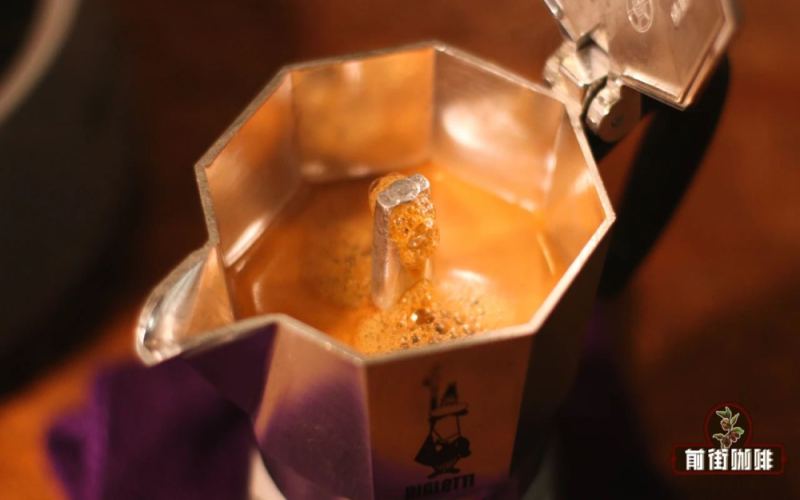
Coffee brewed with a moka pot has always been known for its intensity, thanks both to the fine grind and to the pressure-driven extraction principle. Yet many enthusiasts still find themselves puzzled when it comes to judging the grind size in practice. In fact, a moka pot is far more forgiving about grind size than an espresso machine—you only need a texture close to fine salt. It should not be as coarse as granulated sugar, as with pour-over, nor as fine as flour, as with Turkish coffee. Beyond grinding, how much coffee you put in the basket, how much water you pour into the base, and the beans you pair with it all shape what ends up in your cup. This article breaks down grind assessment, coffee-to-water ratios, bean selection, and the complete brewing process step by step, along with guidance on adjusting for over- and under-extraction, to help you consistently brew a delicious cup of moka pot coffee. [more…]
How to Fix Coffee Ground Too Fine for Pour-Over? Muddy Flow Stirring Brewing Method Explained and Practical Parameters Shared
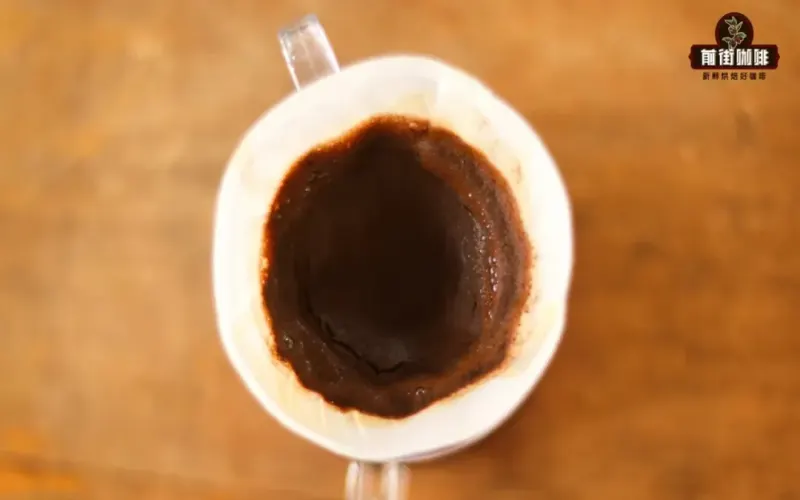
When brewing pour-over coffee, if the filter basket ends up with a thick, muddy bed of grounds instead of distinct, granular particles, it often means the coffee was ground too fine, which easily leads to over-extraction. When faced with the dilemma of pre-ground coffee that cannot be made coarser, besides switching to immersion extraction, there is another distinctive approach using high concentration and low extraction—the mud flow. It uses extremely fine grinding combined with agitation to rapidly dissolve flavor compounds in a short time, then dilutes with hot water, resulting in coffee with a normal extraction yield and full flavor. In this article, Front Street will explain in detail the principles and specific operating parameters of the mud flow, helping you easily tackle the problem of coffee grounds that are too fine. [more…]
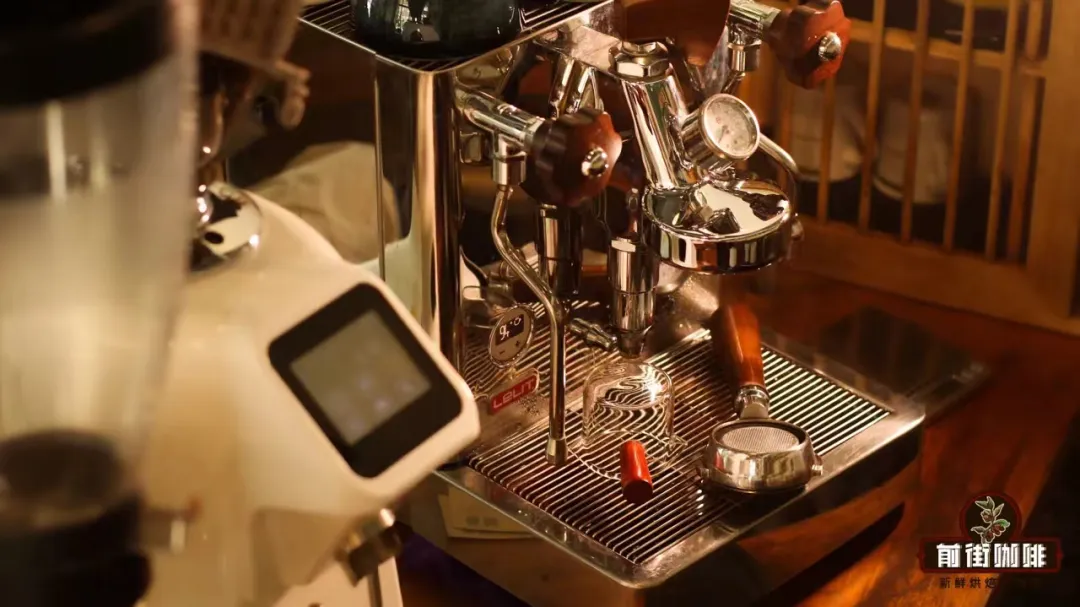
Espresso Grind Size Chart | What Coffee Ground Size Suits French Press, Cold Brew, Ice Drip, Siphon, and Moka Pot? How to Judge and Adjust Coffee Grind Size?
If you pay close attention, you'll notice that coffee shops use many different brewing methods, but based on the grind size of the coffee grounds, they usually fall into two categories. One is a grind as coarse as granulated sugar, suitable for pour-over coffee, French press coffee, siphon coffee, cold brew coffee, and so on. The other is between flour and muddy sand in texture. [more…]
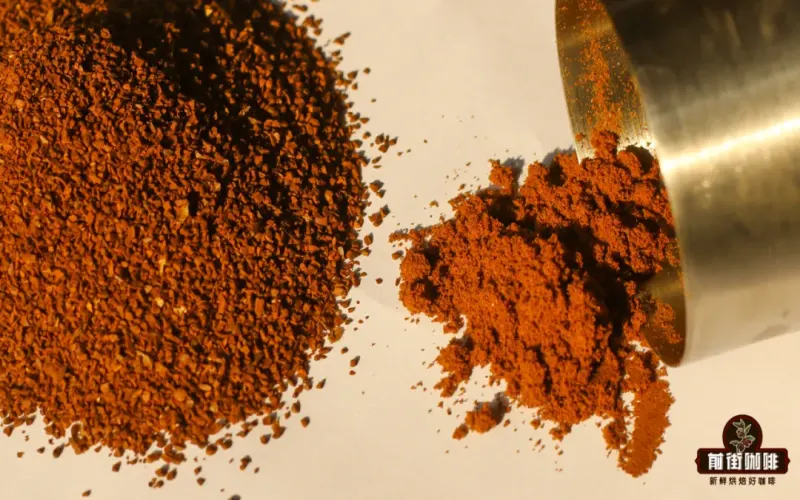
How to deal with too many coffee fines? The differences between fines and coarse particles in pour-over grinding and how to handle them
In the grinding stage of pour-over coffee, the production of fines is almost unavoidable. These tiny particles, with a diameter of less than 0.1mm and a texture close to flour, are far off from the target particle size of 0.6~0.8mm. The source of fines is related both to the brittleness of the coffee beans themselves and directly affected by the quality of the grinder. For coffee enthusiasts, understanding the dual nature of fines—they can both improve extraction efficiency and enrich complexity, and may also bring bitterness and clogging—is the key to brewing the ideal flavor. This article will analyze the causes of fines, the differences between coarse and fine particles, and strategies for dealing with them during pour-over brewing, and provide reference in combination with the practical experience of Front Street Coffee. [more…]