







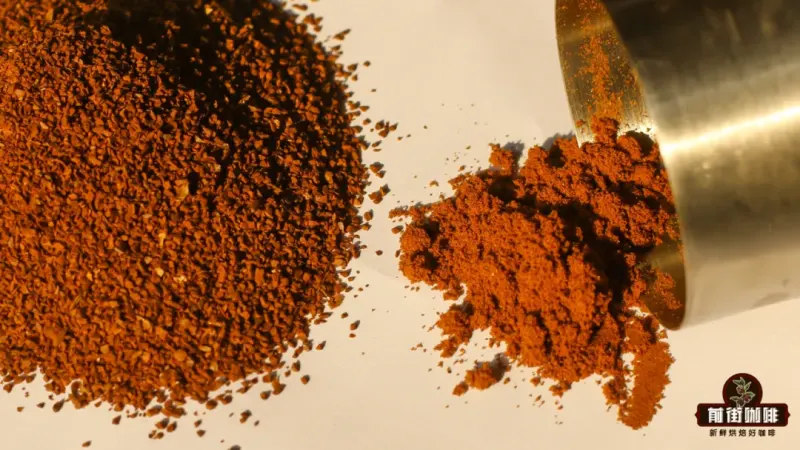
Why do coffee particles called fines appear in pour-over grinding?
Fines are coffee particles under 0.1mm across, far smaller than the 0.6 to 0.8mm target for pour-over grinding. They form because coffee beans are brittle and shatter during the pressing stage of grinding, and the amount depends on bean brittleness and grinder quality. Fines are a double-edged sword: they raise extraction efficiency and add complexity, but can also bring bitterness and clogging.
For any coffee enthusiast, the practical response is to work with the fines rather than eliminate them. Sharper burrs and a better grinder reduce how many are produced. During brewing, keep extraction parameters moderate and the proportion of fines reasonable, since fines dissolve flavor compounds more fully and can add richness when the brew is otherwise balanced.
In the grinding stage of pour-over coffee, the production of fines is almost unavoidable. These tiny particles, with a diameter of less than 0.1mm, feel close to flour to the touch, far removed from the target particle size of 0.6~0.8mm. The origin of fines is tied both to the brittleness of the coffee beans themselves and directly to the quality of the grinder. For coffee enthusiasts, understanding the dual nature of fines—they can both boost extraction efficiency and enrich complexity, yet may also bring bitterness and clogging—is the key to brewing an ideal flavor. This article will analyze the causes of fines, the differences between coarse and fine particles, and strategies for dealing with them during pour-over brewing, drawing on Front Street Coffee's practical experience for reference.
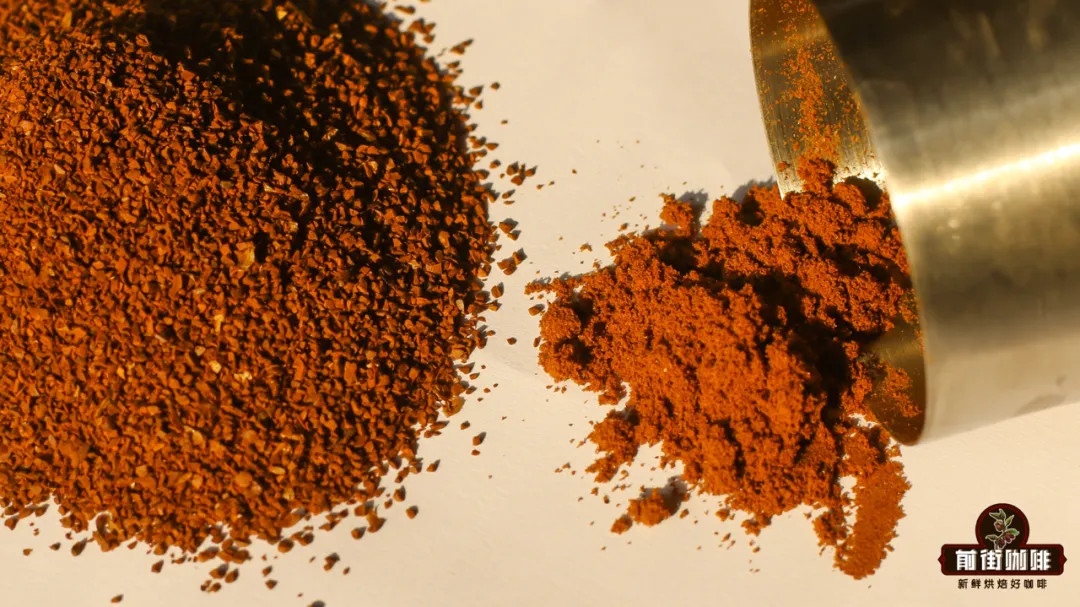
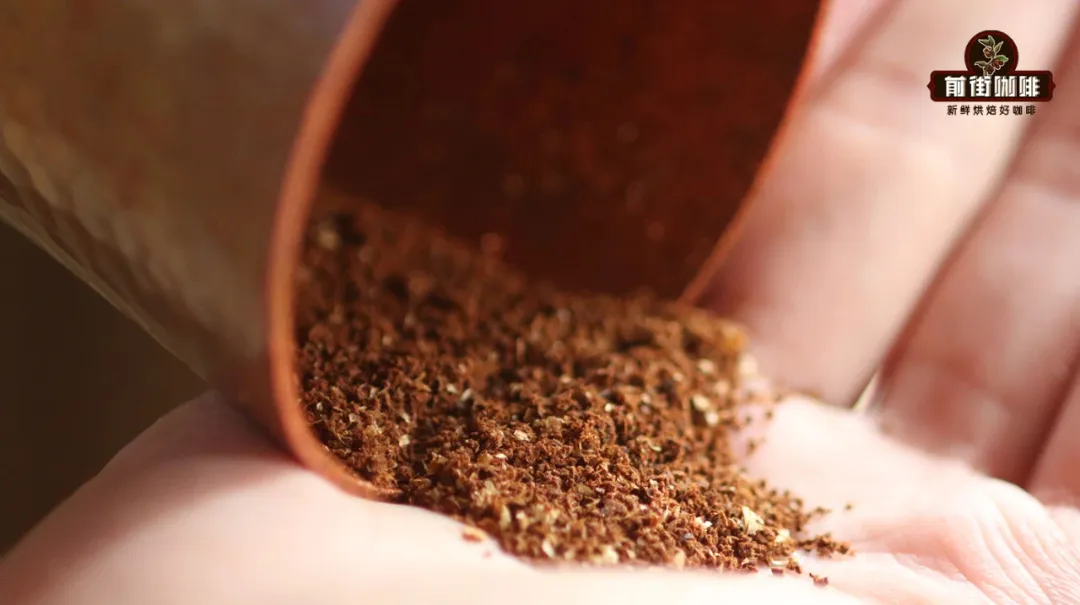
So-called coffee fines refer to coffee particles with a diameter of less than 0.1mm, which feel类似面粉 when rubbed between the fingers. The target particle size we usually set for grinding is between 0.6~0.8mm, a considerable gap between the two.
The generation of fines is closely related to the grinding method of the grinder. The working logic of most grinders is to first apply pressure to the whole coffee bean to fracture it, then grind it into small particles through cutting. During the pressing stage, because the coffee beans themselves are brittle, fines are produced along with it, just as crumbs fall off when breaking a cookie. In other words, the more brittle the coffee beans, the more fines there are. In addition, the amount of fines also depends on the quality of the grinder. The sharper the burrs and the higher the overall quality of the grinder, the fewer fines are produced, and vice versa.
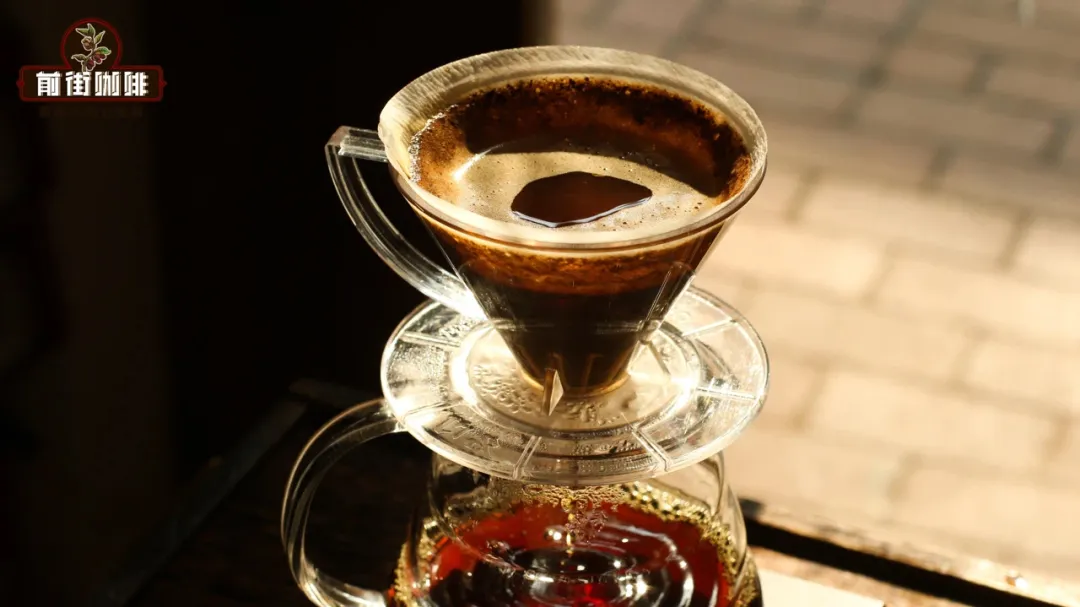
Front Street Coffee often says: "The existence of fines is a double-edged sword." Its advantage is that, because fine particles are extremely small, the flavor substances dissolve more fully during extraction. With higher extraction efficiency, provided extraction is proper and the amount used is reasonable, fines can allow coffee to show richer complexity. Of course, all of this is premised on appropriate extraction parameters and a moderate proportion of fines.

The above content is compiled by CoffeeHunters, a coffee news website.


