







Search Results for: Fermentation Craft
A Complete Guide to Coffee Bean Processing Methods: The Boundaries of Traditional Craft, Fermentation Innovation, and Special Processing Techniques
The processing method of coffee beans directly affects the flavor in the cup. From natural, washed, to honey processing, each traditional craft has its own unique expression. However, in the past decade, many processing methods claiming to be "special" have emerged in the coffee world. How exactly are they defined in relation to traditional methods? This article sorts out the characteristics and differences of common processing methods, explores the role of fermentation in tradition and innovation, and introduces the Red Plum processing method from Finca Paraiso in Colombia. Front Street Coffee is always happy to share coffee knowledge, hoping to let more people understand the logic behind processing methods and drink the best coffee at the lowest price. [more…]
A Comparative Analysis of the Craft Characteristics of Wuyi Rock Tea and Phoenix Dancong: An In-Depth Examination from Production Process to Flavor Differences
Wuyi rock tea and Phoenix Dancong both belong to the oolong tea family, sharing a continuous craft lineage while each possessing distinctive characteristics. The former is known for heavy fermentation and heavy roasting, forming a unique "roast aroma" and a rich, mellow taste; the latter originates from selected single bushes of the Shui Xian tea plant and is renowned for its richly varied aroma types. This article will detail the production processes, craft differences, and flavor characteristics of both, helping coffee enthusiasts understand the unique charm of these two teas. Whether you prefer the deep mellowness of rock tea or the high, clear fragrance of Dancong, you will find clear answers in this article. [more…]
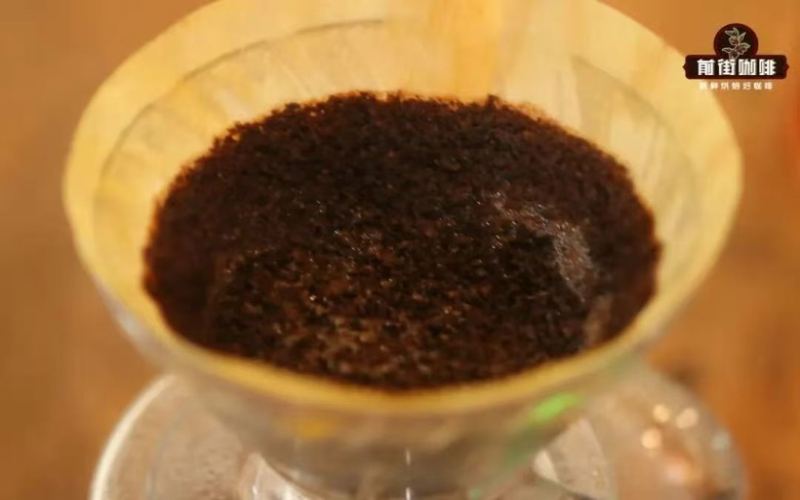
The Flavor Alchemy of Processing Methods: A Craft Revolution from Washed to Anaerobic
From the same estate, the same variety, and the same harvested batch of coffee cherries, the flavor in the cup can be as different as two distinct beans—simply because of a different processing method. This is the magic of coffee processing. In the microscopic world, it uses microorganisms and time to perform the alchemy of flavor. The washed method is the oldest mainstream technique, and its logic is "to do [more…]
An Analysis of Rum Barrel Fermented Coffee Beans Processing Method: The Specialty Coffee Innovation Craft of Finca San José in Colombia
The highly sought-after "Front Street San Jose Estate Rum Barrel Fermented" coffee beans at the coffee market greet you with a rich rum aroma the moment you open the bag. Where exactly does this unique boozy scent come from? Starting from the terroir conditions of San Jose Estate in Caldas Province, Colombia, this article tells how the estate owner, inspired by rum aging, conceived the idea in 2013 of putting green coffee beans into oak barrels. After years of experimentation, the low-temperature rum barrel fermentation process was established in 2017, using the Castillo variety, and involving fully washed processing, 20-hour fermentation, resting in oak barrels aged over 8 years for three months, and daily tumbling, so the beans evenly absorb the rum aroma. These beans once won silver as a blend in the Cappuccino category at the 2019 RASV Australian International Coffee Roasting Competition. Suitable for pour-over, espresso, ice drip, or cold brew, it is a versatile specialty choice recommended by Front Street. [more…]
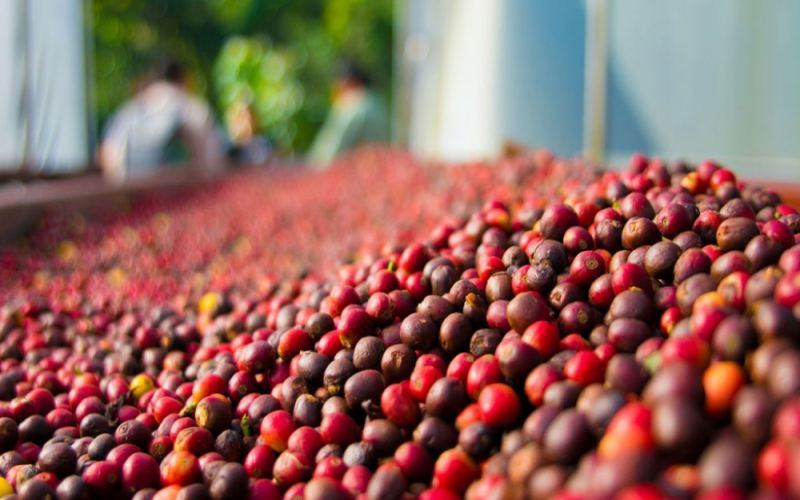
Panama Hartmann Estate Wine Process Coffee: Fermentation Craft Analysis, Catuai Variety, and Brewing Flavor
Is red wine processed coffee made by soaking the beans in red wine? Does it contain alcohol? These are common questions among many coffee lovers. In fact, this processing method borrows the fermentation logic of wine-making, rather than directly soaking coffee beans in red wine. In this article, Front Street Coffee takes you deep into the red wine processed Catuai coffee beans from Hartmann Estate in the Volcan region of Panama: from the estate's background and the variety's origins, to the specific controlled fermentation process and flavor performance. We also share Front Street's roasting curve, cupping results, and V60 staged pouring parameters to help you understand what makes this bean so unique. [more…]
A Detailed Explanation of the Anaerobic Double Fermentation Process: The Flavor Code and Processing Craft of Colombian Rose Valley Coffee
Anaerobic fermentation has garnered significant attention in the specialty coffee world in recent years, and double anaerobic fermentation has become a popular choice thanks to its clean finish and distinctive flavor profile. Starting with the anaerobic processing methods introduced by Front Street Coffee, this article takes a deep dive into the origin background of the Colombian Rose Valley beans, the cultivation and processing details at Big Tree Estate, and how anaerobic double enzyme washed processing imparts better sweetness and balance to the coffee. If you are interested in the principles and flavor expression of special processing methods, this article will take you on a journey of discovery. [more…]
Exploring Ethiopia's Santawini Processing Station: Flavor and Craft Analysis of Red Cherry Washed Coffee Beans
Santa Vini processing station is located in the Sidama region of Ethiopia. Since its establishment in 2004, it has become one of the representative processing plants under DWD Company, thanks to its high altitude and meticulous washed processing. This batch of Front Street washed Sidama comes precisely from here, using fully red cherries picked in the mid-to-late harvest season, undergoing nighttime fermentation and African raised-bed drying, presenting lemon sweetness, floral notes, and a peach juice-like quality. This article will guide you through the geographical background of this processing station, harvesting standards, washed process, and the unique flavor profile of this coffee. [more…]
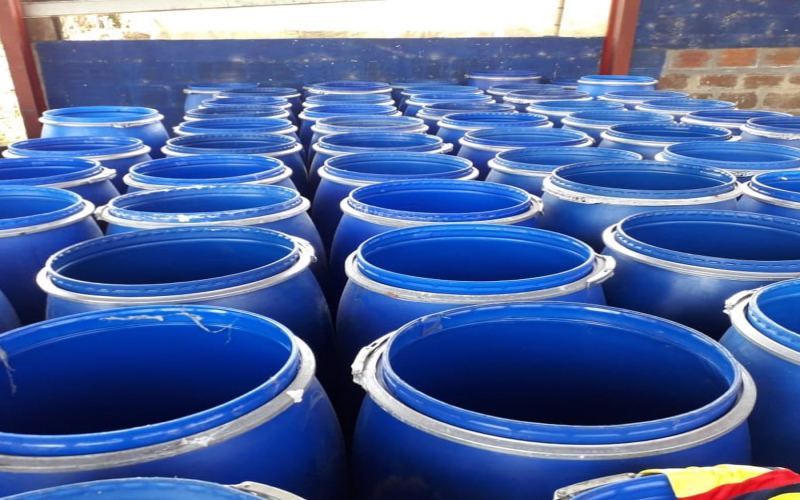
A Comprehensive Analysis of Specialty Coffee Processing Methods: The Craft and Flavor of Anaerobic Fermentation, Barrel Aging, and Wine Infusion
In recent years, an increasing number of specialty green coffee beans processed with special processing methods have appeared on the specialty coffee market. Is this really something to be happy about? Front Street Coffee believes that special processing methods were originally intended to give the flavor of coffee beans from a certain producing region more distinctiveness. However, as their use has continued to expand, some processing methods today seem to be more about masking the defects of the coffee beans themselves and then selling them at a high price. In fact, all special processing methods have evolved around the three traditional methods: washed, natural, and honey. This article will systematically sort out the most common types of special processing methods on the market, including anaerobic fermentation, barrel fermentation, and red wine processing, and, combined with Front Street Coffee's cupping experience and specific products, analyze their processing procedures and flavor characteristics. [more…]
Exploring India's Darjeeling Black Tea: The Complete Craft Process and Quality Secrets from Harvest to Tasting
Darjeeling black tea is hailed as the "Champagne of teas," and its unique flavor stems from stringent plucking standards and meticulous craftsmanship. This article will take you into Darjeeling at the foot of the Himalayas, starting from its historical origins, and provide a detailed analysis of each step in the process—from hand-plucking fresh leaves, withering, rolling, oxidation and fermentation, to drying, grading, and packaging—while revealing how tea tasters use their keen senses to control quality. At the same time, the article also retains relevant recommendations for the "Front Street" brand, offering cross-disciplinary reference for coffee enthusiasts. Whether you are a tea lover or a coffee enthusiast, you can feel the charm of terroir and craftsmanship in it. [more…]
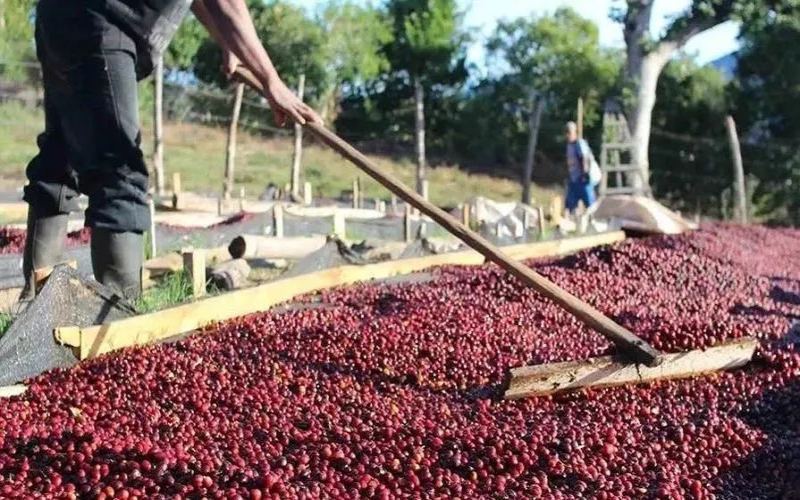
A Comprehensive Analysis of the Evolution and Craft of Costa Rican Honey Processing: From Yellow, Red, and Black Honey to Hacienda Miramonte Strawberry Candy
Coffee processing methods are advancing rapidly, with new techniques such as anaerobic fermentation, enzyme-assisted processing, and barrel-aging constantly emerging. However, traditional natural, washed, and the intermediate honey process remain the mainstream. The honey process originated in Costa Rica, where the high-altitude terrain and rainfall conditions prompted locals to draw on Brazil's pulped natural method and refine it, resulting in graded categories such as yellow honey, red honey, black honey, and white honey, which retain different proportions of mucilage. In recent years, raisin honey processing has emerged, and the Costa Rica Mirazu Estate Strawberry Candy introduced by Front Street Coffee is a prime example. This article will trace the development and technical details of the honey process, and introduce this bean—a blend of Geisha, Ethiopian heirloom ET47, SL28, and MAICO—which, when brewed with a V60 at a 1:15 ratio, presents flavors of strawberry, raisin, candy, nuts, and creamy honey. [more…]
Colombia Rose Valley Double Anaerobic Coffee Explained: Santander El Arbol Estate Caturra Flavor and Processing Craft
Colombian coffee is renowned worldwide, named after its country. Thanks to its exceptional geographical and climatic conditions, it cultivates a distinctive acidity and full-bodied richness, earning widespread acclaim for its quality. This article focuses on Front Street Coffee's Colombia El Vergel Estate Double Enzyme Washed Rose Valley, providing an in-depth introduction to its producing region of Santander, the estate's management philosophy, the anaerobic processing technique, and the flavor characteristics of the Caturra variety. This bean delivers aromas of ripe fruits such as peach, strawberry, and melon, interwoven with notes of rose and champagne, offering a rich and layered taste experience that coffee enthusiasts will savor. [more…]
A Detailed Guide to Honey-Processed Coffee Beans: Costa Rican Semi-Washed Craft and Pour-Over Recommendations
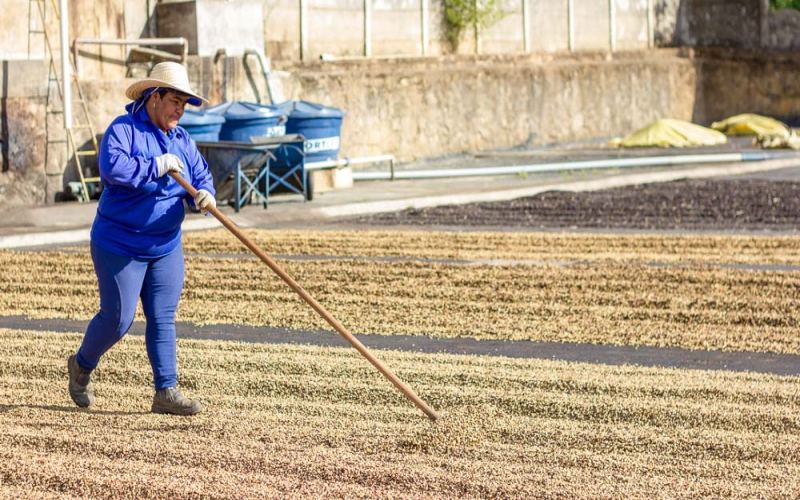
Honey processing is a coffee processing method that falls between natural and washed processing, named for the honey-like stickiness of the beans as they retain their mucilage. Starting from semi-dry processing, this article walks through the complete honey processing workflow and its classifications, including black honey, red honey, yellow honey, white honey, and the innovative raisin honey process. It also introduces Front Street Brazil Cerrado, Front Street Blackberry, Front Street Strawberry Candy · Geisha Blend, Front Street Mozart, and other coffees that use related processing methods, helping pour-over enthusiasts understand the flavor differences brought by different honey processes and how to choose beans. [more…]
A Complete Record of Visiting the Glenburn Tea Estate in Darjeeling: Tea-Making Craft, Flavor Tasting, and Estate Stay Experience
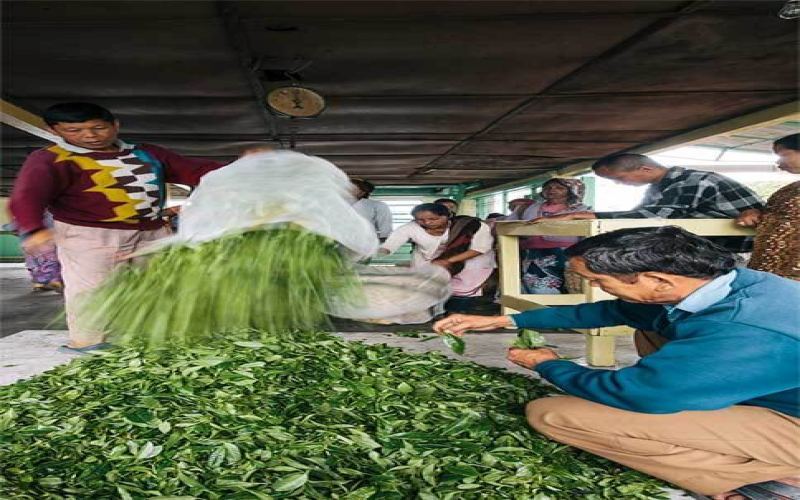
The Glenburn Tea Estate in Darjeeling is not only famous for its premium tea, but its Burra Bungalows and Water Lily Bungalow also offer visitors a unique accommodation experience. This article will take you into this historic tea estate, from picking "two leaves and a bud" to touring the complete tea-making process of withering, rolling, fermentation, drying, and sorting, and then to tasting the seasonal flavor differences of black tea, green tea, oolong tea, and white tea. You will also learn about the estate's accommodation environment, the surrounding natural scenery, and information on related products recommended by Front Street Coffee, for a full experience of the unique charm of Glenburn Tea Estate. [more…]

A Complete Guide to the Four Major Coffee Bean Processing Methods: The Craft Differences Between Natural, Washed, Semi-Washed, and Honey Processing
The same coffee beans, processed using different methods, can end up tasting completely different in the cup. Washed, natural, semi-washed, and honey processing are currently the four most common methods of processing green coffee beans, each with its own emphasis in terms of process complexity, resource consumption, and flavor presentation. The natural method has low cost and a strong fermented character, with full-bodied sweetness; the washed method is clean and delicate, with bright acidity; the semi-washed method saves water and labor, balancing cleanliness and sweetness; honey processing retains the mucilage during drying, bringing tropical fruit and fermented sweet aromas. In this article, Front Street Coffee will break down the specific processes and flavor characteristics of these four processing methods one by one, and include corresponding Front Street Coffee bean list recommendations, to help coffee lovers more clearly understand the impact of processing methods on flavor. [more…]
A Complete Guide to Coffee Processing Methods: The Craft Differences and Flavor Comparison of Washed, Natural, and Honey Processing
Coffee bean processing is not simply washing, drying, or adding honey, but a set of refined procedures designed to remove the skin, pulp, and mucilage of the berry while preserving the quality of the coffee bean as much as possible so that it can be stored long term. Washed, natural, and honey processing, as the three mainstream methods, show significant differences in steps, green bean appearance, roasted bean characteristics, and final cupping flavor. This article will systematically sort out the specific operations of these three processing methods, teach you how to distinguish them by green bean color, roasted bean center line, and flavor performance, and include a selected bean list recommendation from Front Street brand to help you find the cup you like. [more…]
Why Does Blue Mountain Coffee Insist on Washed Processing? The All-Washed Craft and Flavor Secrets of Front Street Coffee's R.S.W Estate
The reason Blue Mountain coffee enjoys a global reputation is inseparable from its consistently applied processing method. From the very beginning of cultivating Blue Mountain coffee, Jamaicans have insisted on the fully washed process, refusing to use other methods to process the coffee cherries, which gives Blue Mountain coffee its refined and smooth sensory characteristics. As the main consumer market for Blue Mountain coffee, Japan values not its illustrious reputation, but rather its low bitterness, rich aroma, and low acidity, which happen to align with Japanese people's sensory preferences for coffee. Front Street Jamaica Blue Mountain R.S.W No.1 comes from one of the estates at the highest altitude in the Blue Mountain legally designated growing region, and its refined washed processing and sun-drying techniques achieve a rich and full coffee flavor. This article will provide an in-depth analysis of the washed processing flow for Blue Mountain coffee, and how R.S.W Estate uses traditional craftsmanship to create top-quality Blue Mountain coffee with consistent quality. [more…]
In-Depth Analysis of Honey Processing: A Comparison of Craft Differences and Flavor Characteristics Across Yellow, Red, Black, and White Honey
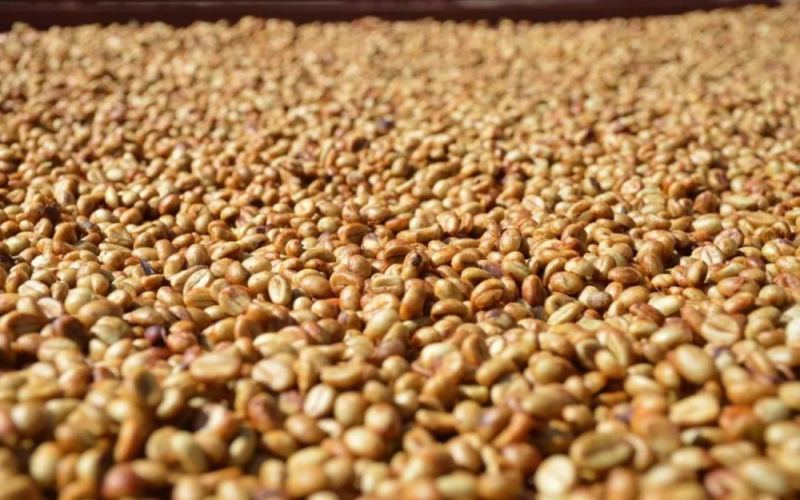
Honey processing is a coffee processing method that falls between natural and washed processing. Its name comes from the Spanish word "Miel" (honey), and it first emerged in Costa Rica, where it developed into several color classifications. The different honey colors depend on the amount of mucilage retained and the degree of fermentation, resulting in flavor profiles ranging from ripe-fruit sweetness to bright acidity. This article will systematically introduce the origins and background of honey processing, its water-saving and environmentally friendly advantages, the mechanism of mucilage, and the specific differences among black honey, red honey, yellow honey, and white honey in terms of mucilage retention ratio, drying duration, turning frequency, and green bean appearance. At the same time, by combining examples such as Front Street Coffee's Guatemala New Orient Geisha, it will help enthusiasts understand the core logic and key tasting points of this processing method. [more…]

What Are the Differences Between Cold Brew, Ice Drip, Cold Brewed, and Iced Coffee? A Complete Guide to the Craft, Flavor, and Bean Selection of Four Types of Iced Coffee
Although they are all iced coffee, cold drip, cold brew, cold extraction, and iced chilling are often lumped together. They appear to all rely on low temperatures, but in reality their extraction paths, time requirements, and flavor directions are each different: cold drip emphasizes slow dripping and a fermented character, cold brew uses long soaking in exchange for a clean and smooth result, while iced chilling is a quick solution involving hot extraction followed by rapid cooling. This article breaks down the differences among the four from the perspectives of brewing principles, water flow control, water-to-coffee ratio, grinding, and bean selection, while retaining specific recommendations such as Front Street Coffee Mandheling and Yirgacheffe, to help coffee lovers make more suitable choices in different scenarios. [more…]
Phoenix Dancong Authentic Origin and Buying Guide: A Comprehensive Analysis from Production Craft to Tea Garden Selection
Phoenix Dancong oolong tea is deeply loved by tea enthusiasts for its unique flavor, but many people have misconceptions about where that flavor comes from. This article will take an in-depth look at the production process of Phoenix Dancong, revealing how the roasting process shapes its distinctive quality, and comparing the low-end teas commonly found on the market with carefully made traditional charcoal-roasted teas. We will also explore the characteristics of different tea gardens on Phoenix Mountain in Chaozhou, helping you understand where to buy authentic Phoenix Dancong tea and how to distinguish genuine from fake and superior from inferior. Whether you are a seasoned tea drinker or a beginner, this article will provide you with practical buying guidance and tasting knowledge. [more…]

Exploring Sumatra's Wet-Hulled Process: The Unique Craft of Mandheling Green Beans and Front Street Coffee's Brewing Guide
Because the Indonesian island of Sumatra is rainy and humid year-round, sun-drying or washed processing cannot be used there. Coffee farmers adapted to local conditions and invented the wet-hulling method—removing the parchment layer while the coffee beans still have high moisture content—which created the signature low acidity, full body, and herbal-spice flavors of Mandheling. This article explains in detail the four key steps of wet-hulling, the origin of the "goat hoof" bean characteristic, sorts out the differences in growing regions and varieties between Lintong Mandheling and Golden Mandheling, and shares Front Street Coffee's three-pour brewing parameters for the KONO dripper along with fresh-roast recommendations. [more…]