







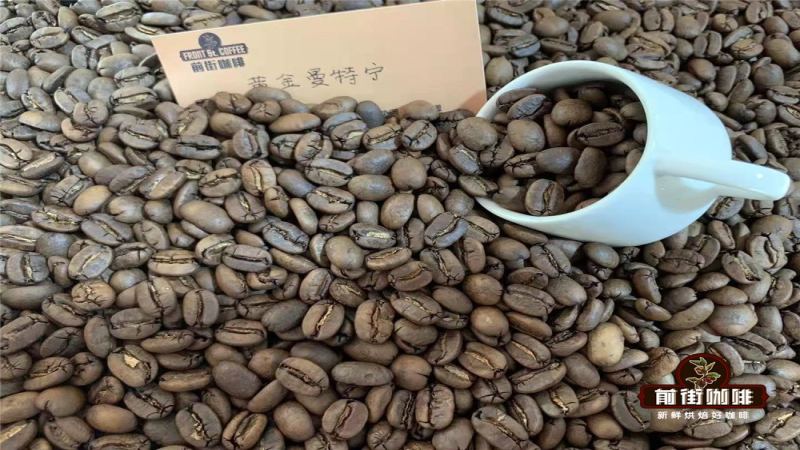
How does the wet-hulled process shape Sumatra Mandheling coffee?
Sumatra's year-round rain and humidity rule out sun-dried and washed processing. Farmers remove the parchment layer while the beans still hold high moisture, a method called wet-hulling. The result is Mandheling's low acidity, full body, and herbal spice notes, with the characteristic sheep's hoof shape on the bean. Lintong and Golden Mandheling differ by region and variety.
Humidity on the island hovers between 70 and 90 percent with short sunshine hours, so a full week of clear drying weather is rare. Wet-hulling grew out of that constraint and became a coffee bean process unique to Indonesia, giving Mandheling notes of pine, herbs, and nutty caramel. A KONO dripper with a three-stage pour and fresh roasting suits these beans well on any coffee farm.
The Indonesian island of Sumatra, with its year-round rain and humidity, cannot use sun-dried or washed processing, so coffee farmers adapted to local conditions and invented the wet-hulled method—removing the parchment layer while the beans still have high moisture content, creating Mandheling's signature low acidity, full body, and herbal spice flavors. This article explains in detail the four key steps of wet-hulling, the origin of the "sheep's hoof" bean characteristic, sorts out the regional and varietal differences between Lintong Mandheling and Golden Mandheling, and shares Front Street Coffee's KONO dripper three-stage brewing parameters and fresh roasting recommendations.
Wet-hulling is a green bean processing method unique to Indonesian coffee-producing regions, and its emergence is inseparable from local climatic conditions. Indonesia has frequent rainfall and typhoon activity throughout the year, lacking the sustained sunny days required for sun-dried processing, while economic conditions also limit the higher-cost washed method. Sumatra is hot and humid year-round, with humidity hovering between 70% and 90% and short sunshine hours, making pure sun-drying almost impossible. Even switching to washed processing, it is difficult to string together a week of clear weather to complete drying. Thus wet-hulling was developed through trial and error, accidentally becoming a globally unique processing craft and shaping the herbal, full-bodied, nutty and pine-interwoven character of Indonesian Mandheling.
Front Street's staple bean Indonesian Mandheling has always been highly favored, especially the single-origin Golden Mandheling. Some people may not quite accept the taste of Mandheling, but those who prefer this mouthfeel will become captivated from the first sip. Mandheling can be called the representative of Asian coffee, with very distinct notes of pine, herbs, and nutty caramel, and some even describe it as resembling Chinese medicine. However, it is also one of the fullest-bodied coffees in the world.
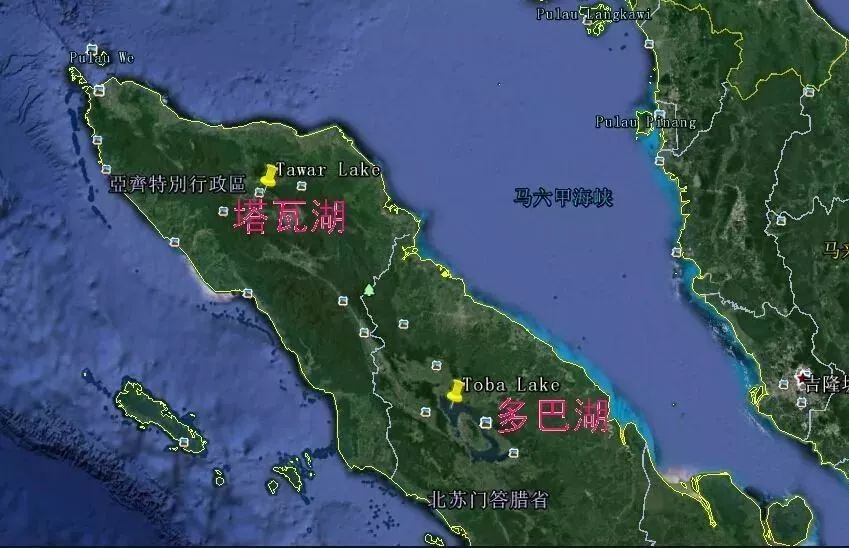
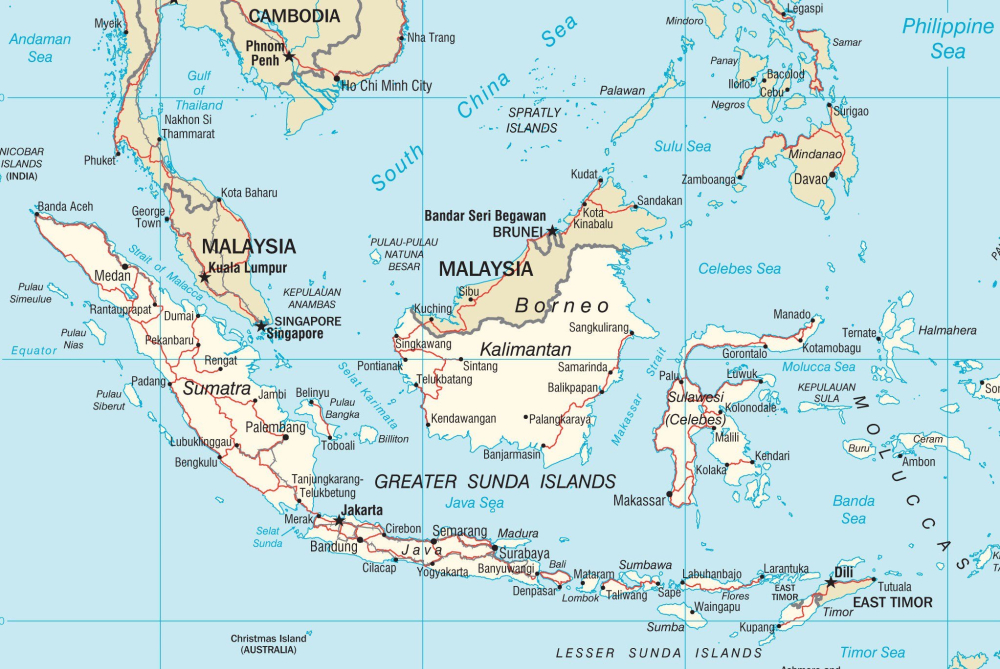
Mandheling is also known as "Sumatra coffee." North Sumatra mostly produces Gayo, mainly the Ateng variety, and the Lake Tawar area at the northern tip can be called Aceh coffee or Lake Tawar coffee; only Lintong in South Sumatra and the area around Lake Toba are called Mandheling, and Lintong is the core producing region of Mandheling. Mandheling comes from the mountainous area around Lake Toba, which is located north of Medan, the capital of Sumatra Province, and is an alpine freshwater lake with an average elevation of about 900 meters. Sumatra's mysterious and unique natural environment gives Mandheling a rich mouthfeel, intense flavor, and a hint of chocolate and herbal notes.
Mandheling is also called "Sumatra coffee." Lake Tawar at the northern tip can be called Aceh coffee or Lake Tawar coffee, while the Lintong and Lake Toba area can be called Mandheling. Front Street has two Mandheling coffees, namely the staple bean series Indonesian Mandheling coffee and the single-origin Golden Mandheling coffee.
Lintong Mandheling
Lintong Mandheling comes from the Lintong mountain area in north-central Sumatra, near Lake Toba. Lintong Mandheling is the regular version of Mandheling. Lintong Mandheling also uses the conventional wet-hulled method, creating its characteristics of low acidity and high body. Front Street's staple bean Indonesian Mandheling comes from Lintong.
Golden Mandheling
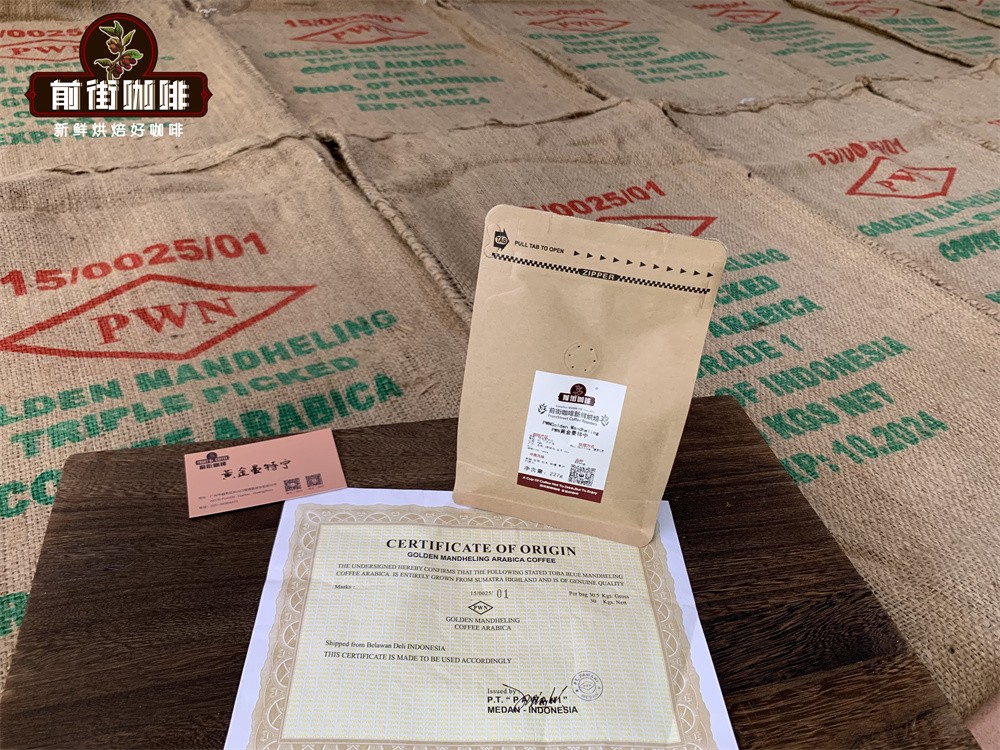
Golden Mandheling's specifications are Typica variety, 18 screen and above, with fewer than 3 defective beans (in a 300g green bean sample), belonging to the highest grade G1, with a darker green color and flat beans of neat shape. After strict screening, Front Street Coffee (FrontStreet Coffee) found that Golden Mandheling not only lacks the earthy miscellaneous flavors unique to ordinary Mandheling, but also drinks cleaner and more transparent, with a stronger sweetness. Front Street Coffee (FrontStreet Coffee)'s Golden Mandheling comes from PWM company. Golden Mandheling was actually produced by a company, Pwani Coffee Company, from Mandheling purchased locally in Indonesia, and then registered the name Golden Mandheling, so actually only the Mandheling produced by this company is authentic Golden Mandheling.
What distinguishes Golden Mandheling from ordinary Mandheling is not just the difference in size; its production process and producing region selection have already determined the difference in flavor. Front Street believes that for professional-level coffee tasters and taste-sensitive coffee friends, if both coffees are drunk at the same time, the result will show a very obvious contrast: Golden Mandheling's sweetness and cleanliness, along with its full-bodied, wild spice-family flavors, are slightly superior to G1, which is also one of the reasons why Golden Mandheling is much more expensive than G1.
The wet-hulled method for Mandheling coffee beans differs from the washed processing method in that: the washed method retains the mucilage for fermentation, then uses clean water to rinse off the remaining mucilage and then directly sun-dries, and the coffee beans are stored together with the parchment. The wet-hulled method, however, uses the washed method for fermentation, then after semi-drying removes the parchment by machine before final drying, so the coffee beans enter the storage stage "bare and smooth." Mandheling coffee's body ranks among the top in specialty coffee; its heavy mouthfeel and low acidity are its characteristics, while the dark chocolate and caramel-like smoothness and sweetness provide a very lasting finish to the latter part of the coffee, with complex layers of mouthfeel.
Specific steps of the wet-hulled method for Mandheling coffee beans:
1. Coffee farmers first pick ripe coffee cherries and put them into a tank, using flotation to remove debris and unripe coffee cherries.
2. Then use a depulper to remove the pulp and skin, retaining the endocarp and mucilage, and carry out a short fermentation to break down the mucilage.
3. Spread the cleaned green coffee beans out for drying, placing the parchment-covered coffee beans under the sun for 1-2 days, bringing the green bean moisture content down to 30%-50%.
4. Then use a machine to remove the mucilage and parchment layer; the coffee beans with the endocarp hulled off are dried once more, with the drying process taking 2-4 days, bringing the moisture content down to about 12-13%, and the processing is complete.
Teacher Han Huaizong once described the flavor characteristics of wet-hulled coffee beans in a book: "This is also a rare processing method in the world, accidentally creating Mandheling's special low acidity, thick body, and subdued aroma flavor.
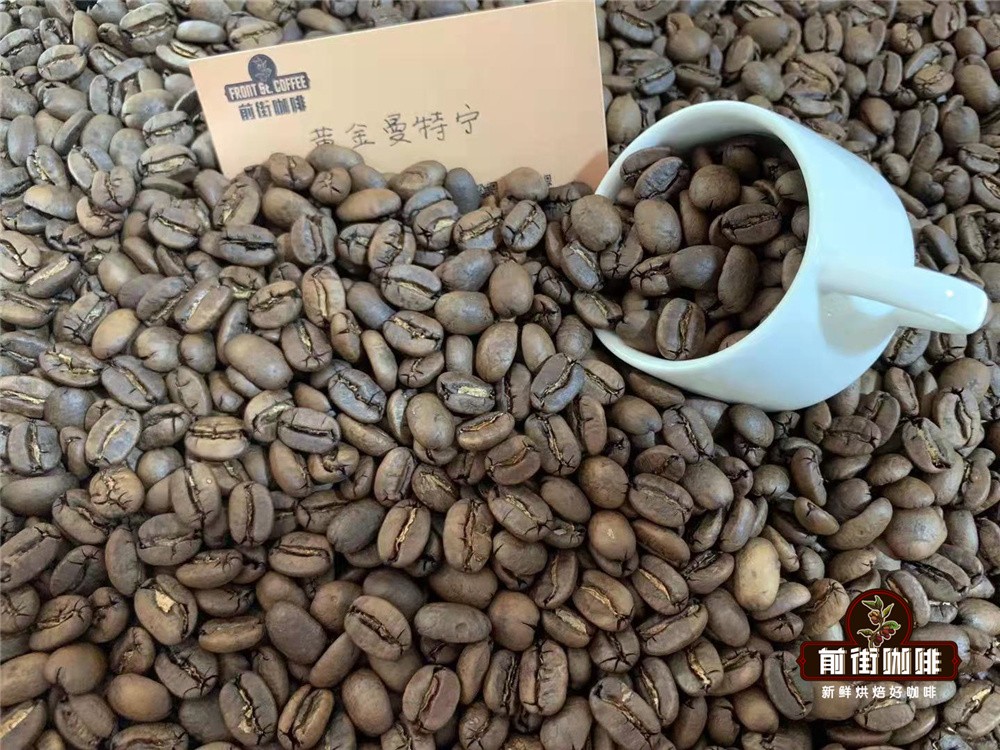
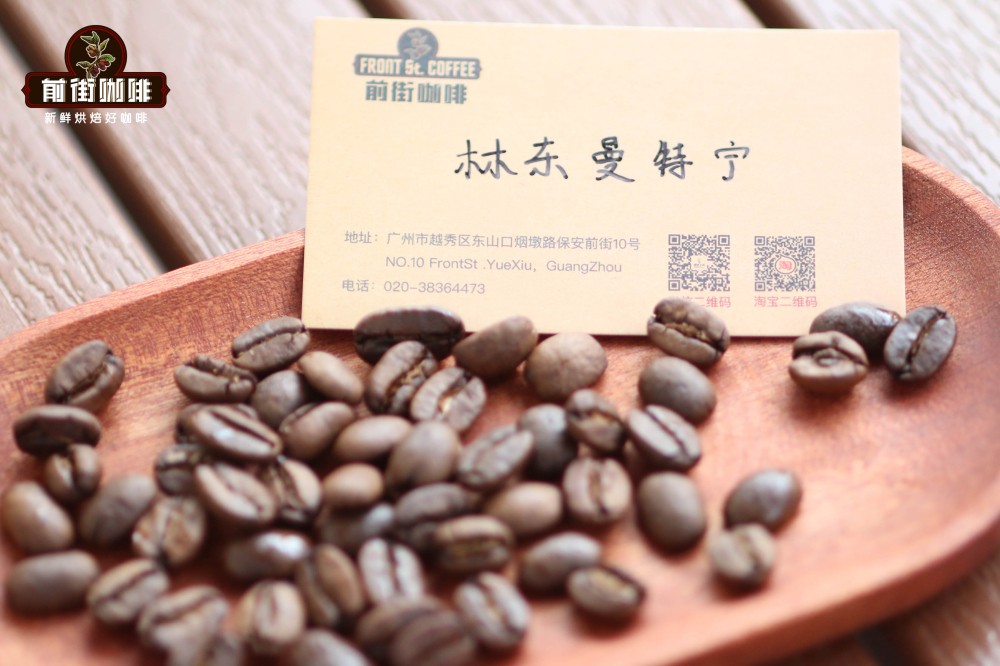
Although the wet-hulled method gives Mandheling coffee its unique flavor, one situation that arises from using wet-hulling is that because the semi-hard, semi-soft moist green beans are easily crushed when the mucilage and parchment layer are removed, the beans are damaged and split open like a sheep's hoof, commonly known as sheep's hoof beans. Front Street Coffee (FrontStreet Coffee) believes this is a very prominent characteristic of Mandheling coffee beans and does not count as a defective bean.
Mandheling coffee bean varieties
Mandheling coffee specifically refers to Arabica coffee beans grown on the Indonesian island of Sumatra, with varieties mostly based on timtim or ateng. Timtim is Timor, an Arabica variety with Robusta blood, while Ateng is Catimor, a hybrid of Caturra and Timor.
Both varieties have Arabica and Robusta genes. The Arabica genes bring better coffee flavor to the coffee, while Robusta brings better insect and disease resistance, making it suitable for growing in Indonesia's stuffy, humid climate.
One bad thing about the Robusta genes is that their own flavor is relatively rough and not very tasty. Even though Mandheling varieties are mainly based on Arabica genes, they still cannot fully eliminate the dull tone of Robusta, plus the "hardcore" operation of Indonesia's unique coffee processing method.
Therefore, no matter which kind of Mandheling coffee bean it is, it will display the full-bodied flavors of herbs, spices, cocoa, and so on, with low acidity and high body—these unique Sumatra producing-region flavors.
Observant friends may notice the "sheep's hoof" characteristic of Mandheling coffee beans, and Front Street has also noticed that they share this common bean appearance feature, the "sheep's hoof shape." This is because when the semi-hard, semi-soft moist green beans use a machine to remove the mucilage and parchment layer, they are easily crushed, and the beans are damaged and split open like a sheep's hoof, commonly known as sheep's hoof beans. The "sheep's hoof shape" is a very prominent characteristic of Mandheling coffee beans, so it does not count as a defective bean.
Front Street's parameters for brewing Mandheling coffee:
Front Street uses the KONO dripper to brew Mandheling coffee. KONO's ribs stop before reaching half the height of the dripper; this design is actually to ensure that after the dripper is wet, it clings tightly to the dripper wall and restricts airflow, thereby increasing the water absorption time of the coffee grounds, so that the extracted coffee is overall more uniform and the full-bodied mouthfeel is enhanced.
KONO dripper, 88°C water temperature, 1:15 coffee-to-water ratio, 15g coffee powder, grind size (75% passing through a No. 20 standard sieve), three-stage extraction.
Use staged extraction, using twice the amount of water as the coffee powder for blooming, that is, 30g of water for a 30-second bloom. The reason the blooming process is needed is to allow the coffee grounds to release internal carbon dioxide gas, thereby making the later extraction more stable. Pour in a small stream in a circular motion until 125g, then pause in stages, continue pouring until 225g and stop. After the water in the dripper has dripped through, remove the dripper. Start timing from the beginning of pouring; the extraction time is 2'00". Next, pick up the whole cup of coffee and shake it evenly, then pour it into a cup for tasting.
[Lintong Mandheling Coffee Flavor] Herbs, chocolate, caramel, overall relatively balanced.
[Golden Mandheling Coffee Flavor] Nuts, spices, herbs, licorice, chocolate, caramel.
Front Street's coffee brewing recommendations:
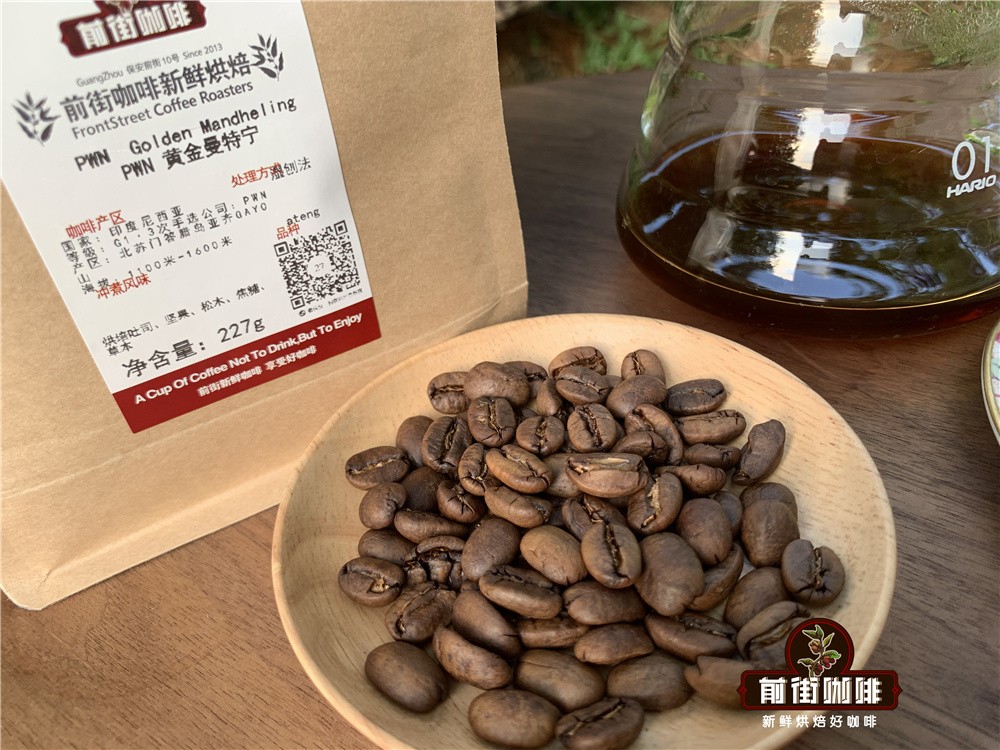
To brew a delicious cup of coffee, Front Street believes that any brewing method requires fresh coffee beans. Front Street has always believed that the freshness of coffee beans has a great relationship with coffee flavor, so the coffee beans shipped by Front Street Coffee (FrontStreet Coffee) are all within 5 days of the roasting date. Front Street's roasting philosophy is "freshly roasted good coffee," so that every customer who places an order receives the freshest coffee when they get it. Coffee's resting period is about 4-7 days, so when the customer receives it, it is exactly at its best flavor.
For friends who need ground coffee, Front Street warmly reminds you: if the coffee beans have been ground in advance, there is no need for further resting, because during transportation, the pressure generated by carbon dioxide inside the package can also make the coffee flavor rounder, so you can immediately brew a cup after receiving the coffee grounds. But the coffee grounds need to be brewed promptly, because after coffee grounds contact air they oxidize relatively quickly, meaning the coffee flavor will dissipate relatively quickly and the coffee will not taste as good. Therefore, Front Street recommends buying whole beans and grinding fresh for each brew, so that you can better taste the coffee's flavor.
There are many coffee bean processing methods, but they are all built on the foundation of washed and sun-dried processing. At the same time, different processing methods also produce different flavors. With the advancement of specialty coffee, many processing methods have been introduced, such as: honey processing, anaerobic processing, and so on. Front Street has acquired coffee beans from these processing methods, such as: Costa Rica honey-processed Mirazu Geisha coffee, the Musician series Mozart coffee; Colombia anaerobic-processed Flower Moon Night coffee and Rose Valley coffee, and so on. Front Street has more than fifty kinds of coffee beans from different producing regions, fully able to satisfy coffee friends' exploration and understanding of coffee.
The above content is compiled by CoffeeHunters, a coffee news website.


