







Search Results for: FC
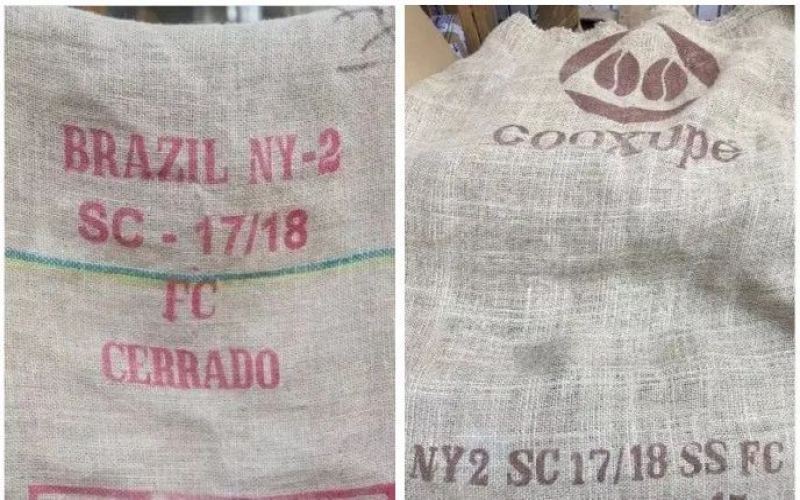
What Do SS and FC Mean on Brazilian Coffee Sacks? A Full Breakdown of Brazil's Green Coffee Grading System
Brazil, as the world's largest coffee producer, accounts for about one-third of the global market in exports. Its beans have a flavor profile that is low in acidity and high in sweetness, with a full-bodied mouthfeel, and they are often used in coffee blends. When purchasing Brazilian green beans, you will often see markings such as "CERRADO NY-2 SC-17/18 SS FC" printed on the burlap sacks, where every letter and number corresponds to strict grading information. These codes are established by the Brazilian Ministry of Agriculture, Livestock and Supply (MAPA) and cover five major dimensions: producing region, defect rate, screen size, cup score, and sensory grade. This article will break down the meanings of symbols such as "SS" and "FC" one by one to help coffee enthusiasts understand the complete quality profile of Brazilian beans. [more…]
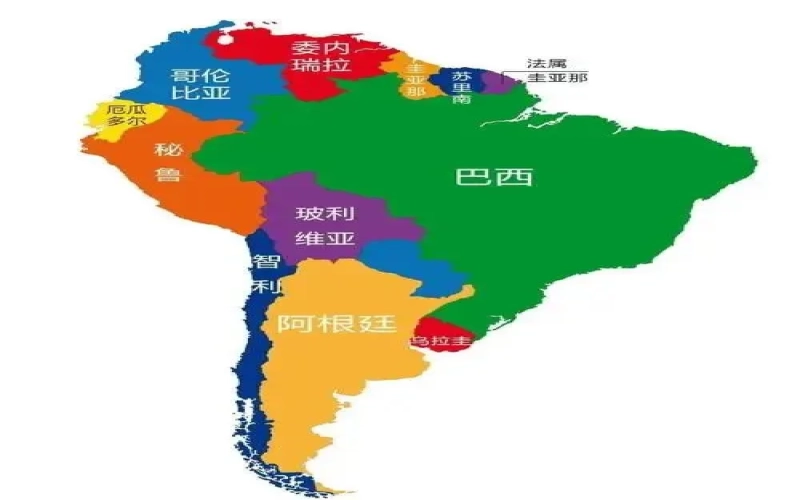
The Flavor Characteristics of Brazilian Coffee and Its Complex Grading System: From Growing Environment to NY2 SC17/18 SS FC
Brazil boasts the largest landmass in South America along with exceptional natural conditions, making it the world's largest coffee exporter and accounting for roughly one-third of the international market. Despite its staggering output, Brazilian coffee is not known for its refinement, and is therefore often used in blends. This article will walk you through Brazil's coffee-growing environment, the distribution of its major producing regions, and a detailed explanation of its unique and complex grading system, including the meaning of the commonly seen "NY2 SC17/18 SS FC" designation. Finally, we'll introduce a beginner-friendly selection from Front Street Coffee—the Cerrado Red Bourbon coffee beans—so you can experience the distinctive charm of Brazilian coffee. [more…]
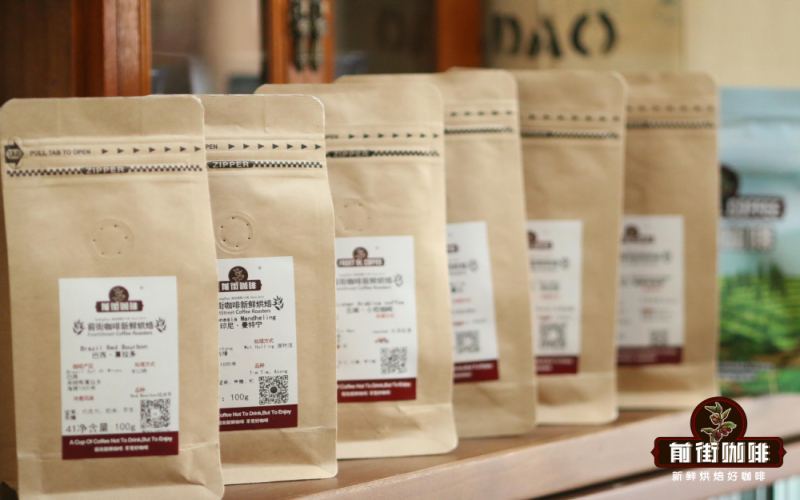
Analysis of Brazil's Three Major Coffee Bean Grading Systems and Export Standards, Plus Front Street Brand Flavor and Quality Recommendations
As the world's largest coffee producer, Brazil has a uniquely distinctive grading system that combines three criteria—defect rate, screen size, and cupping flavor—which sets it apart from the single-criteria grading methods used by most producing countries. By understanding the markings on a bag, such as "Brazil NY.2 SC – 17/18 FC Cerrado," you can quickly grasp a Brazilian bean's quality and origin information. This article will break down these three grading systems one by one, explain the six-tier classification standards for taste and flavor, and recommend two Brazilian specialty beans from Front Street Coffee—Queen's Farm Yellow Bourbon and Cerrado everyday drinking beans—to help coffee lovers find the Brazilian flavor that suits them. [more…]
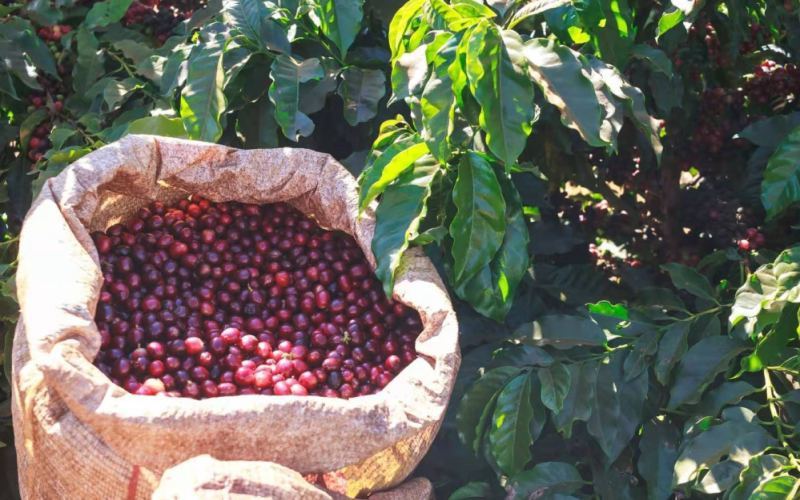
Brazil Cerrado Coffee NY.2 Grade Explained: A Complete Guide from Origin and Variety to Cupping Flavor
Brazil, as the world's largest coffee producer, is known for the coffee beans from the Cerrado region in the central-west of Minas Gerais, which are celebrated for their mild flavor and consistent quality. Among Front Street Coffee's daily drinking bean series, the Brazil Cerrado Red Bourbon has won the favor of many coffee lovers with its rich, smooth body and intense chocolate and nutty flavors. This article will systematically review the terroir conditions of the Cerrado region, the characteristics of the Bourbon variety, and the semi-washed processing method, and will further analyze the three major grading dimensions of Brazilian green coffee—defect ratio, screen size specifications, and cup profile—to help readers thoroughly understand the complete meaning behind the label "Brazil NY.2SC – 17/18 FC Cerrado," along with the brewing parameters and flavor tasting notes from Front Street Coffee's baristas. [more…]
A systematic explanation of Brazil's coffee grading system and the classification of its top-tier bean grades
Brazil, as the leading country in global coffee production and exports, has a grading system that is crucial for quality control. This article approaches from the perspective of Front Street Coffee, outlining the characteristics of various Brazilian regions, with a focus on analyzing the cultivation advantages of core areas such as Cerrado. It details the evolution of Brazilian coffee varieties (such as Red Bourbon and Yellow Bourbon), innovations in processing methods (semi-washed), and systematically explains the three-dimensional grading standards based on defect rate, screen size, and cup performance, highlighting that the combination of NY.2 with 17/18 screen and FC is the top specification. Meanwhile, Front Street shares brewing methods for its own Brazilian daily coffee beans, including the use of the KONO dripper, three-stage pouring parameters, and flavor expectations for medium-dark roasted beans, providing enthusiasts with a complete guide from theory to practice. [more…]
Detailed Explanation of the Brazil Cerrado Coffee NY.2 Grading Standard: Variety Characteristics, Green Bean Grade, and Brewing Flavor
Brazil is the world's largest coffee-producing country, and the coffee beans from the Cerrado region in the central-west of Minas Gerais are known for their balanced mouthfeel and mild aroma, and are often used in espresso blends to enhance stability and flavor complexity. Among the Front Street Coffee daily drinking bean series, the Brazil Cerrado Red Bourbon, with its rich, smooth body and intense chocolate and nutty notes, is deeply loved by coffee enthusiasts. This article will systematically introduce the terroir conditions of the Cerrado region, the characteristics of the Bourbon variety, and the pulped natural processing method, and will break down in detail the three major grading dimensions of Brazilian green coffee—the proportion of defective beans (NY grade), screen size specification, and cup profile. Finally, it includes Front Street Coffee baristas' brewing parameters and flavor description for this medium-dark roast bean, helping readers fully understand the actual meaning of NY.2SC 17/18 FC. [more…]
An Analysis of the Brazilian Green Coffee Grading System: From Origin Designations to NY2 — Why Is There No NY1?
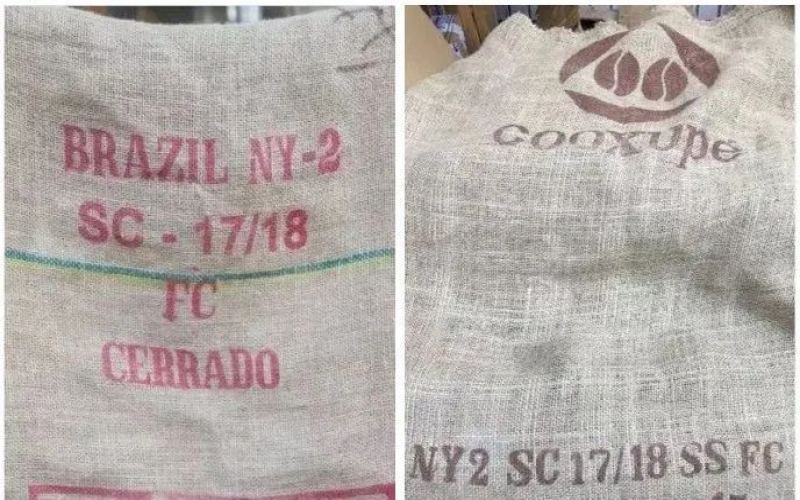
On the burlap sacks of Brazilian coffee, a string of seemingly complex codes is often printed, such as "CERRADO NY-2 SC-17/18 SS FC". These letters and numbers are not arranged at random, but are green bean grading information established by the Brazilian Ministry of Agriculture, Livestock and Supply (MAPA), covering region of origin, defect level, screen size, cup performance and sensory grade. Among them, the defect grading starts with "NY", but why does it only go as high as NY2, with no NY1? Behind this lies both historical origins and a close connection to the industrial production characteristics of Brazilian coffee. This article will break down this grading system one by one, and introduce several classic espresso blends from Front Street Coffee that contain Brazilian beans, along with their espresso extraction parameters. [more…]
A Detailed Explanation of the Brazilian Green Coffee Grading System: Sharing the Making Methods of Espresso and Hot Americano
Brazil, as the world's largest coffee-producing country, indicates its green bean grading system with a string of letters and numbers on jute bags. This article will systematically interpret the grading logic behind Brazilian coffee and the reasons for it from multiple dimensions, including region identifiers, defect grading NY2, screen size SC, cup quality grades SS and S, and flavor grades FC and GC. At the same time, in combination with Front Street Coffee's classic espresso blend coffee beans, it shares extraction parameters and operating steps for espresso in commercial and home scenarios, and introduces the drinking method of diluting it into hot Americano at a 1:5 ratio, helping coffee enthusiasts make a balanced cup of Brazilian coffee at home. [more…]
A Comprehensive Guide to the Brazilian Cerrado Coffee Bean Grading System, Pour-Over Parameters, and Flavor Characteristics
As the world's largest coffee-producing country, Brazil has a coffee bean grading system that is completely different from common systems like Kenya AA or Yirgacheffe G1. What exactly do the markings NY.2 SC-17/18 FC on the burlap sacks represent? Why has the Cerrado region become a classic representative of Brazilian specialty coffee? From the perspective of Front Street, this article traces the historical development of Brazilian coffee, its producing regions, and the logic behind green bean grading, and provides a detailed introduction to the brewing method and flavor profile of the Brazilian Red Bourbon semi-washed beans in Front Street's everyday drinking bean series, offering a systematic understanding of the unique charm of this major South American coffee nation. [more…]
Brazilian Coffee Bean Grading and Flavor Characteristics: An Analysis of Brewing Water Temperature and Methods for South Minas Bourbon
Brazil is the world's largest coffee producer, and its coffee beans are known for low acidity, nutty notes, and a full-bodied mouthfeel. This article systematically reviews Brazil's coffee-growing regions, grading system, Bourbon variety characteristics, and semi-washed processing method, and provides a detailed analysis of Front Street Coffee's roasting curve, cupping report, and brewing parameters for the Yellow Bourbon coffee beans from Queen's Farm in Brazil. From Sul de Minas to Cerrado and Mogiana, from the meaning of the NY.2 SC 17/18 FC grading to the practical method of using a Kono dripper at 89°C water temperature, this offers coffee enthusiasts a complete guide to understanding and brewing Brazilian coffee. [more…]
Brazilian Coffee Beans' Grading System and Flavor Characteristics: Three Classification Methods and Front Street Recommendations
Brazil is the world's largest coffee producer, accounting for about one-third of global output. Because its growing regions span 14 states, Brazil uses a three-dimensional grading system based on defect rate, screen size, and cup profile to ensure consistent quality. This article will explain in detail Brazil's three coffee bean grading methods, decode the meaning of the grade markings on green bean jute sacks, and introduce two products recommended by Front Street Coffee: the Brazil Cerrado everyday drinking bean and the Queen Estate Yellow Bourbon, helping coffee lovers gain a deeper understanding of the unique appeal of Brazilian coffee. [more…]
An Analysis of the Characteristics of Brazil's Cerrado Coffee Region: A Comprehensive Description of Pour-Over Parameters and Flavor Profile
As the world's largest coffee producer, Brazil's coffee cultivation history, producing regions, and grading system are all worth exploring in depth. This article, from the perspective of Front Street Coffee, outlines the origin story of Brazilian coffee, the meaning of the grade markings on raw bean burlap sacks, and the terroir differences among the six major producing regions, with a focus on the characteristics of the Cerrado region. At the same time, the article also compares the flavor differences between Brazilian and Colombian coffee, and includes specific information and pour-over parameters for Front Street Coffee's Brazilian Cerrado everyday drinking beans, helping coffee enthusiasts brew a cup of low-acidity, full-bodied Brazilian coffee with nutty and chocolate sweetness at home. [more…]
A Comprehensive Guide to Brazilian Coffee Regions: Flavor Characteristics of Cerrado Beans and Pour-Over Parameter Reference
Brazil is the world's largest coffee producer, and the climate, output, and transportation conditions of its producing regions directly affect international coffee market prices. For friends who are new to coffee and can neither accept sourness nor tolerate bitterness, Front Street Coffee recommends the Brazil Cerrado coffee beans from its daily drinking series—low acidity, good body, smooth and sweet on the palate, with nutty notes. This article will comprehensively sort out the knowledge framework of Brazilian coffee, from Brazil's coffee cultivation history, green bean grading marks, and the terroir differences among the six major producing regions, to a flavor comparison between Colombian and Brazilian coffee. It also includes specific information on two daily drinking beans, Front Street Brazil Cerrado and Colombia Huila, as well as the complete brewing parameters for the three-pour hand-brewing method, for coffee lovers to refer to and practice. [more…]
A Complete Guide to Brazilian Coffee Grading Standards and Flavor Characteristics: From Regions and Varieties to Brewing Parameters
As the world's largest coffee producer, Brazil's grading system and flavor characteristics have always been a focal point for coffee enthusiasts. This article systematically reviews the distribution of Brazilian coffee regions, mainstream varieties, and processing methods, and provides a detailed interpretation of the three-dimensional grading system centered on defect rate, screen size specifications, and cup performance. At the same time, using Front Street Coffee's Brazilian Cerrado daily drink beans as an example, it explains how to set brewing parameters according to the characteristics of medium-dark roasted coffee, including dripper selection, water temperature, grind size, and pouring technique, helping readers gain a comprehensive understanding of Brazilian coffee from origin to cup. [more…]
A Detailed Guide to Brazilian Coffee Bean Grading Standards and Bourbon Varieties: From Terroir to Cupping Flavor
As the world's largest coffee producer, Brazil is known for coffee beans with low acidity, moderate nuttiness, chocolate sweetness, and a full body. This article systematically reviews Brazil's coffee bean grading system—covering four dimensions: defect rate, screen size, cup quality, and flavor grade—provides an in-depth analysis of the origins and flavor characteristics of the Bourbon varieties (Yellow Bourbon and Red Bourbon), and introduces the terroir differences among three major specialty regions: Sul de Minas, Cerrado, and Mogiana. At the same time, Front Street Coffee shares the roasting curve, cupping report, and brewing parameters for the Yellow Bourbon from Brazil's Queen's Farm, offering coffee enthusiasts a complete reference from green bean knowledge to extraction practice. [more…]
Why Doesn't Brazilian Coffee Have a NY1 Grade? A Full Analysis of the Cerrado Region's Flavor and Grading Standards
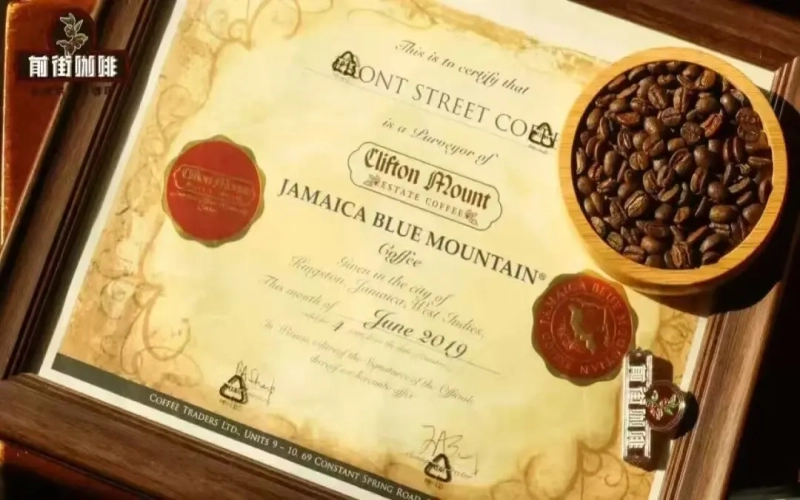
In the coffee-producing regions' grading systems, Brazil is a special case—its highest grade is not 1 but 2. Why does this happen? By what standards exactly are Brazilian coffees graded? Front Street Coffee takes you deep into Brazil's coffee grading system, breaking down the logic behind NY2 one by one, from defect rates and bean size to cup profile. We'll also discuss the flavor characteristics of coffee from Brazil's Cerrado region, and look at Front Street Coffee's daily drinking series—the Brazil Cerrado and the Front Street Coffee Brazil Queen's Farm Yellow Bourbon—to see how these two top-grade Brazilian coffees actually perform. [more…]
How Are Green Coffee Beans Graded? A Full Breakdown from Ethiopia G1 to Kenya AA and Blue Mountain No. 1
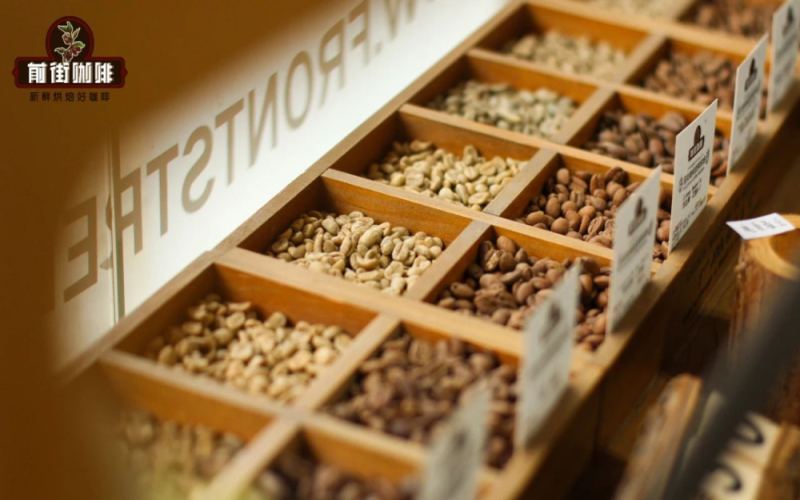
Friends who frequently buy coffee beans have surely seen labels like Yirgacheffe G2 and Kenya AA. These letters and numbers actually represent the grade of green coffee beans. Since each coffee-producing country has established different grading systems, the evaluation criteria also vary in emphasis—factors such as bean size, proportion of defective beans, growing altitude, bean hardness, and cupping score can all serve as the basis for grading. In this article, Front Street Coffee will walk you through the green bean grading rules of representative producing countries including Ethiopia, Kenya, Tanzania, various Central and South American countries, Colombia, Brazil, and Jamaica, helping you understand the grade labels on packaging the next time you shop. [more…]
An Analysis of Brazil's Cerrado and South Minas Specialty Regions: A Brewing and Roasting Guide for Pulped Natural Coffee Beans
As the world's largest coffee producer, Brazil's two major specialty regions, Cerrado and South Minas, nurture coffee beans with prominent nutty and chocolate notes thanks to their unique terroir. This article systematically reviews the history of coffee cultivation and variety evolution in Brazil, deeply analyzes the originality of the pulped natural process, and takes two Brazilian beans sourced by Front Street Coffee—Queen Mogiana Estate Yellow Bourbon and Cerrado Red Bourbon—as examples to fully present the practical process from green bean analysis, roasting curves, to cupping flavors and brewing parameters, providing coffee enthusiasts with a reference guide that combines both knowledge and operational value. [more…]
A Complete Guide to Brazilian Coffee Brands and Specialty Varieties: From Regional Grading to Brewing Parameters
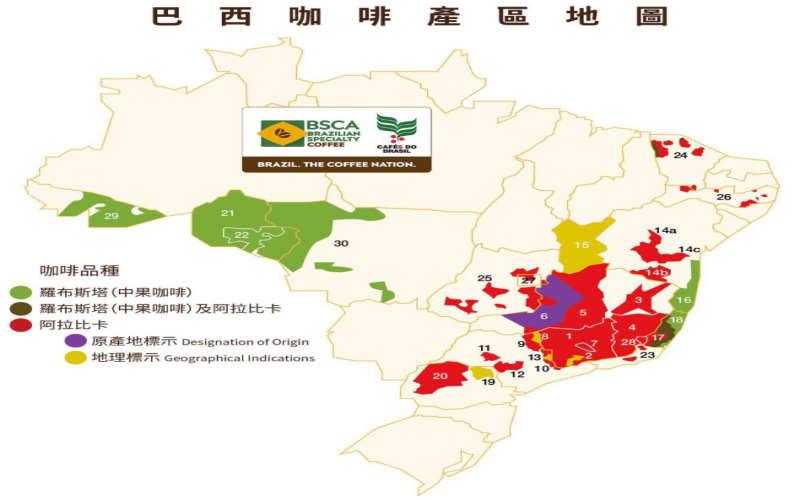
As the world's number one coffee producer, accounting for over one-third of global coffee production, Brazil's coffee landscape is far more than just commodity beans. From mechanized cultivation on flat terrain, to the two representative producing regions of Minas Gerais and São Paulo, and to classic varieties such as Red Bourbon and Yellow Bourbon, Brazilian coffee has its own unique flavor and grading logic. This article will guide you through the varietal characteristics, producing regions, and quality assessment system of Brazilian coffee, and includes Front Street Coffee's recommended pour-over parameters for Brazilian coffee, so you can easily brew a rich, balanced Brazilian flavor at home. [more…]
Brazil Cerrado Red Bourbon Coffee Flavor Analysis: A Complete Guide from Origin and Variety to Roasting and Brewing
Brazil, as the world's largest coffee producer, has its Cerrado region's Red Bourbon coffee beans known for their nutty, chocolatey, and creamy, full-bodied flavor. This Brazil Cerrado Red Bourbon from the Front Street Coffee daily drinking bean series, with its rich chocolate and nutty notes, has become the top entry-level choice for many coffee lovers first trying full-bodied styles. This article will systematically cover the terroir conditions of the Cerrado region, the historical origins and botanical characteristics of the Red Bourbon variety, the unique features of the pulped natural processing method, and include Front Street Coffee's actual roasting curve and brewing parameters, helping you fully understand this classic Brazilian coffee from seed to cup. [more…]