







As the world's largest coffee producer, Brazil has a uniquely distinctive grading system that combines three criteria—defect rate, screen size, and cupping flavor—which sets it apart from the single-method grading used by most producing countries. By reading the markings on a burlap sack, such as "Brazil NY.2 SC – 17/18 FC Cerrado," you can quickly grasp the quality and origin information of a Brazilian bean. This article will break down these three grading systems one by one, explain the six-tier classification standards for mouthfeel and flavor, and recommend two Brazilian specialty beans from Front Street Coffee—Queen's Estate Yellow Bourbon and Cerrado everyday drinking beans—to help coffee lovers find the Brazilian flavor that suits them.
When buying coffee beans, you often see various grade markings on the packaging, such as SHB, G1, AA, etc. Each country has its own grading standards and evaluation criteria. Today Front Street is going to talk about Brazilian coffee, which simultaneously uses three grading systems.
Brazil is located in the tropics, and its output of major cash crops such as coffee, sugarcane, and citrus all rank first in the world. Its total annual coffee production accounts for about one-third of the global total. Based on 2021 data, Brazil still firmly holds the top position in the coffee industry with 37.4% of global production. With such a huge production base and producing regions scattered across 14 states, if only one set of standards were used for classification, quality would inevitably vary widely, so it must be graded comprehensively from multiple angles.
Local quality inspection agencies take a 300-gram sample of green beans and conduct the evaluation in three stages: first checking the number of defective beans, then measuring screen size, and finally judging flavor and mouthfeel through cupping after roasting. This process is precisely what distinguishes Brazil from other producing countries.
The burlap sacks of Brazilian green coffee usually have a string of grade information printed on them: country + defect grade + cup profile + screen size + flavor + region. For example, Brazil NY.2 SC – 17/18 FC Cerrado indicates that the lot comes from Brazil's Cerrado region, the green bean screen size is 17 to 18, SC stands for Strictly Soft, meaning the mouthfeel is very smooth, FC stands for Fine Cup, meaning the cupped flavor is high quality, and the defect rate grade is NY.2.
Defect grading method
The NY in NY.2 refers to the New York grading standard. According to the number of defective beans, from few to many, it is divided into NY2, NY2/3, NY3, NY3/4, and so on. The smaller the number, the lower the defect rate and the higher the grade. Lots with a deduction score below 4 points are classified as NY2, which is the highest grade. NY.1 requires not a single defective bean, and such selected lots are difficult to supply consistently, so Brazil sets NY.2 as the highest grade.
Screen grading
Screen grading is based on the size of the green beans. The green beans pass through screens with uniform hole sizes, and the grade is determined in this way. Screen hole size is measured in units of 1/64 inch (less than 0.4 millimeters), so a given screen number represents that many 1/64 inches. For example, the hole size of a 17 screen is 17/64 inch, about 6.75 millimeters. The larger the screen number, the larger the green coffee beans. Brazilian exported green beans are usually mainly 17 to 18 screen.
Cupping grading
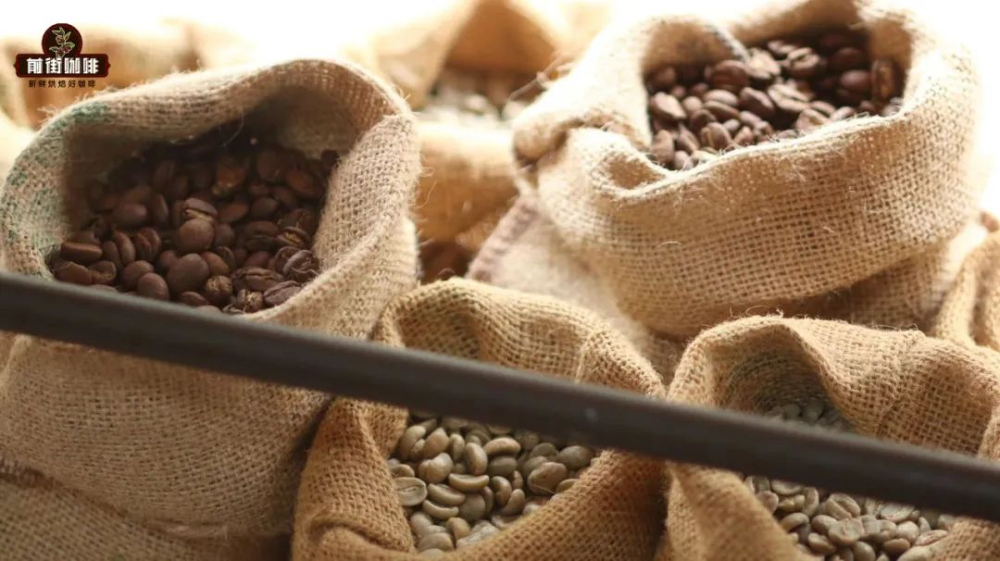
Cupping involves roasting green beans and grinding them into powder, steeping them in hot water, and evaluating aspects such as aroma and taste. Before Front Street puts any coffee bean on the shelf, it conducts at least one cupping so as to judge the coffee's characteristics more objectively.
Brazilian coffee is mostly grown on low-altitude flatlands using the natural sun-drying method. The lack of microclimate conditions, combined with bulk harvesting and processing, gives the coffee a low-acid, full-bodied flavor base of nuts and chocolate. Therefore, Brazil does not place emphasis on the richness of coffee's fruit acidity, but instead focuses on judging whether the coffee is easy to drink, using flavor and mouthfeel as the two main evaluation criteria.
For mouthfeel, there are six descriptions in total. The first three grades can be collectively called mild, with balanced sweetness and acidity and a smooth entry. The latter three are slightly inferior in mouthfeel, especially the last two, which are the worst. The reason for the iodine flavor is that the soil around Rio de Janeiro has a strong iodine taste, and when the coffee fruit falls to the ground during harvest, it picks up and absorbs the off-flavor from the soil.
Flavor is likewise divided into six grades. Among them, the best is Fine Cup, with the finest flavor and the highest quality, followed by Good Cup. Lots of excellent quality will also include more traceability information, such as processing method, estate name, altitude, etc.
Therefore, Brazil NY.2 SC – 17/18 FC Cerrado means: country Brazil, defect rate grade 2, green bean screen size 17 to 18, cup quality fine, from the Cerrado producing region. This is also the Brazilian blend component among Front Street's three espresso coffee beans.
Grade | Number of defects (per 300 grams) |
NY.2 | 6 |
NY.2/3 | 9 |
NY.3 | 13 |
NY.3/4 | 21 |
NY.4 | 30 |
NY.4/5 | 45 |
NY.5 | 60 |
NY.5/6 | >60 |
Recommended Brazilian specialty coffee beans
Front Street Brazil Queen's Estate Yellow Bourbon coffee beans
This Brazilian single-origin coffee from Front Street uses the relatively rare Yellow Bourbon variety. After roasting, Yellow Bourbon gives off the aroma of creamy peanuts and also carries a sugarcane-like clean sweetness. Ordinary Bourbon fruit is bright red when ripe, while Yellow Bourbon is yellow at maturity. The yellow color of Yellow Bourbon comes from selective color inheritance. Yellow Bourbon grown at high altitudes accumulates a large amount of fructose and can present a sweet and juicy flavor. It once almost swept the top three places in Brazil's "Cup of Excellence" competition for two consecutive years, becoming popular in the specialty coffee world.
Region: Brazil Mogiana region
Estate: Queen's Estate
Altitude: 1400–1950m
Variety: Yellow Bourbon
Processing method: Natural process
Flavor: dark chocolate, cream, peanut, sugarcane, nuts
Front Street Brazil Cerrado everyday drinking coffee
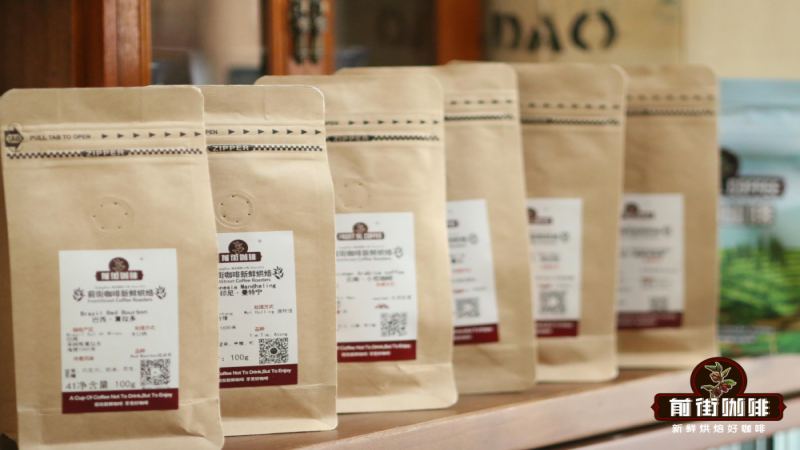
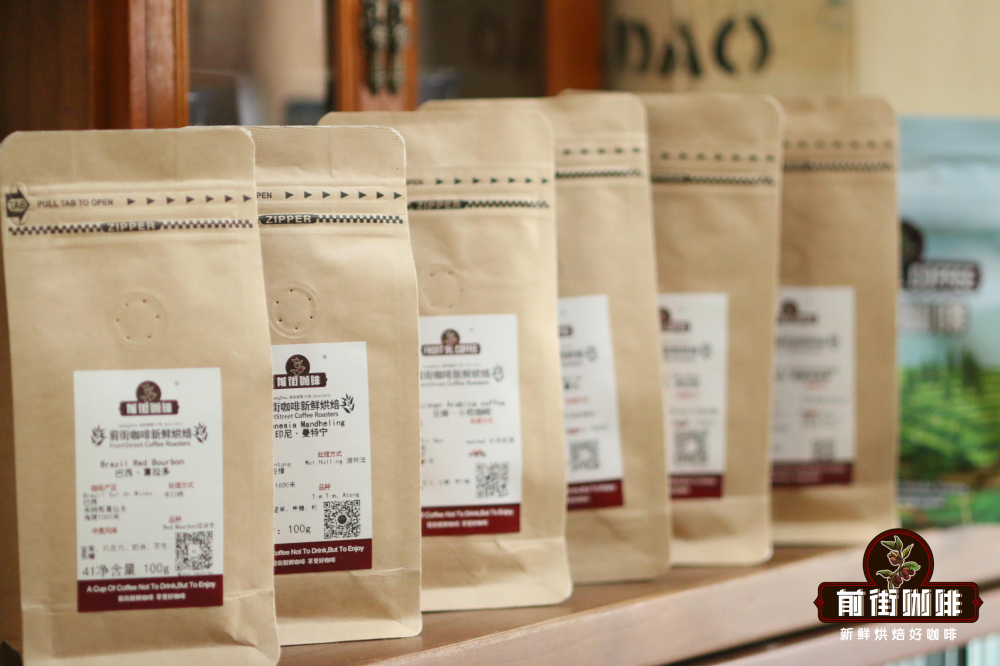
The original intention behind Front Street launching the everyday drinking bean series was to let friends who want to learn about specialty coffee more quickly understand the flavors of classic producing regions. In order for everyone to taste the unique flavor characteristics of the producing regions, Front Street selected several representative producing regions, covering multiple coffee varieties, and uses appropriate roast levels to present their regional taste, such as the chocolatey mellow sweetness of Brazilian Bourbon, the jasmine fragrance of Ethiopian washed Yirgacheffe, the herbal spice notes of Indonesian Mandheling... In addition, Front Street hopes everyone will have a better brewing experience and be able to taste the above characteristics, so it ensures that only coffee beans freshly roasted within 5 days are shipped, so that they are still in their optimal flavor period when received.
FrontStreet Coffee Brazil Cerrado everyday drinking beans
Region: Brazil Cerrado region
Altitude: 1000m
Variety: Red Bourbon
Processing method: Semi-washed process
Flavor: nuts, chocolate, cream, peanut, caramel
For professional coffee knowledge exchange and more coffee bean information, please follow Coffee Workshop (WeChat public account cafe_style)
For more specialty coffee beans, please add the private WeChat of FrontStreet Coffee, WeChat ID: qjcoffeex
The above content is compiled by CoffeeHunters, a coffee news website.


