







Search Results for: Extraction time
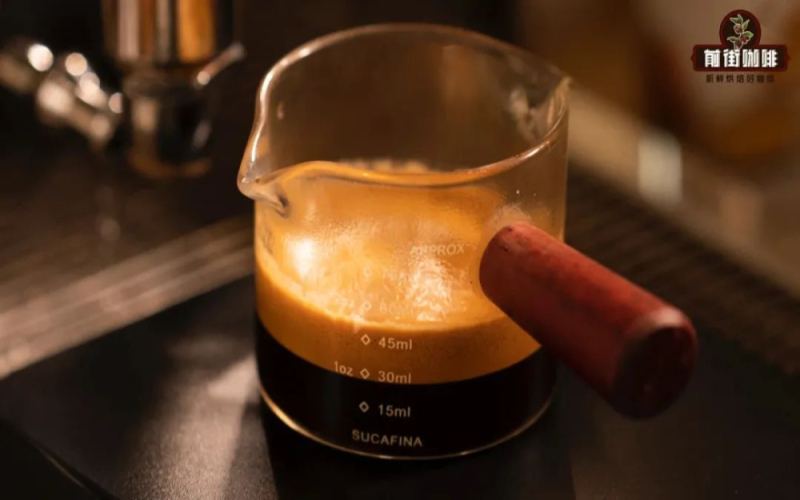
The Critical Role of Espresso Extraction Time: An In-Depth Analysis of Grind Settings and Time Parameters
In the world of coffee extraction, time is a seemingly simple yet extremely critical variable. Different brewing methods have different time requirements, and because espresso has extremely high extraction efficiency, its sensitivity to time far exceeds other methods—even a difference of just 3 seconds can make the flavor in the cup completely different. This article will discuss espresso extraction time, tracing the evolution from the traditional 20–30 second approach to the modern recommended 25–30 second approach, analyzing how time assists in dialing in the grind, judging flavor trends, and verifying extraction stability, and explaining why light-to-medium roasts or large dose scenarios require appropriately extended extraction times. [more…]
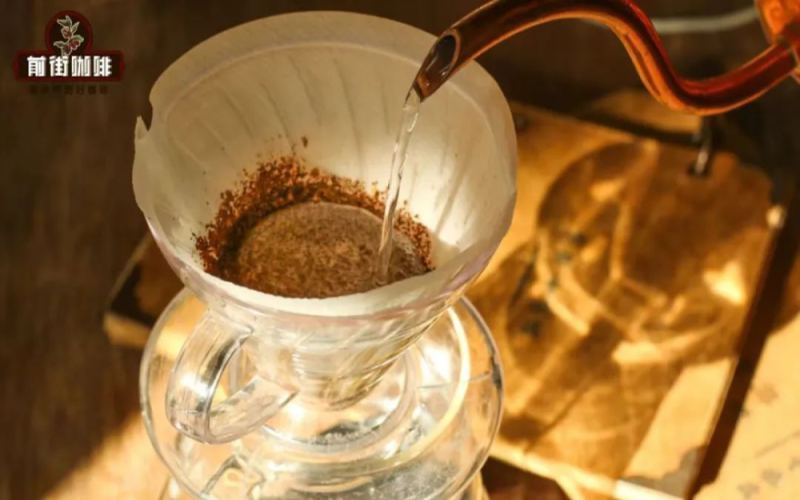
When should espresso extraction timing start? Master the time variable to precisely adjust flavor
The starting point for measuring extraction time may seem like just a matter of a few seconds, but it actually has a profound impact on judging and adjusting coffee flavor. Many coffee enthusiasts are often confused by this in practice: should espresso timing begin when the machine is started, or after the liquid begins to flow? In this article, Front Street Coffee sorts out the correct way to measure extraction time and takes a deeper look at why time is an indispensable part of extraction parameters. From the bloom pour in pour-over brewing to the pressurized permeation in espresso, understanding how time interacts with other parameters can help you quickly pinpoint the problem when the flavor goes off, making every adjustment more purposeful. [more…]
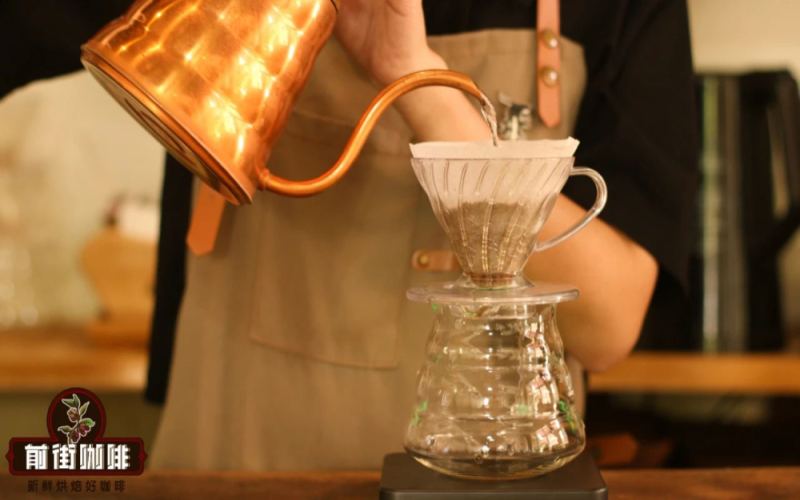
The Complete Guide to Espresso Grind and Extraction Time: From 20 to 30 Seconds, How Coarseness Shapes Espresso Flavor
In espresso preparation, grind size and extraction time are like an inseparable pair, together determining the final flavor direction of the espresso. Starting from the principles of extraction, this article reviews the historical evolution of espresso extraction recipes and current mainstream practices, with a focus on analyzing the applicability differences of the classic 25-to-30-second time window for coffee beans of different roast levels. At the same time, the article also explores how to use extraction time to judge whether the grind size is appropriate and whether extraction is stable, and specifically explains why the time needs to be extended accordingly for medium-light roasted beans and under pre-infusion systems. Drawing on daily production experience, Front Street Coffee provides enthusiasts with a set of grind adjustment ideas that can be quickly put into practice. [more…]
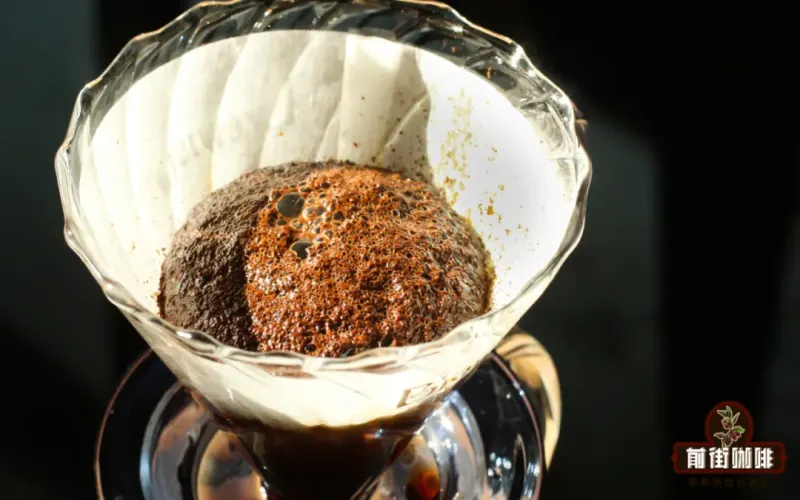
Will an excessively long bloom time in pour-over coffee lead to under-extraction? An experiment comparing the extraction yield difference between 30-second and 90-second blooms.
Many coffee enthusiasts have heard the claim that a long bloom time can lead to under-extraction. This idea seems to contradict our usual understanding of what blooming does. Blooming is meant to release carbon dioxide and improve extraction efficiency, so why would a longer bloom time actually lower the extraction yield? In this article, we compare brewing experiments with two bloom durations—30 seconds and 1 minute 30 seconds—measuring concentration, extraction yield, drawdown speed, and water temperature changes, in an attempt to reveal the true relationship between bloom time and extraction results, and to explore under what extreme conditions an overly long bloom might actually cause under-extraction. [more…]
How Coffee Grind Size Affects Extraction and Flavor: A Comprehensive Analysis from Extraction Yield to Bitterness Control
The coarseness of coffee grounds directly determines the resistance and contact area when hot water passes through the coffee bed, which in turn affects the flavor direction of the final cup. A short extraction time requires finer particles to increase surface area; a longer time requires larger particles to avoid over-extraction. Grind size and extraction time need to form a proportional relationship to balance acidity, sweetness, and bitterness. Light and dark roasts also have different requirements for grind size: light roasts favor slightly finer grinds, while dark roasts favor slightly coarser ones. In addition, coarseness is also a key lever for controlling bitterness: too fine and all the astringent, bitter compounds are released; too coarse and the sweet aromatics remain trapped in the grounds. This article will systematically review how grind size affects extraction yield, flavor, and equipment compatibility, and offer practical directions for adjustment. [more…]
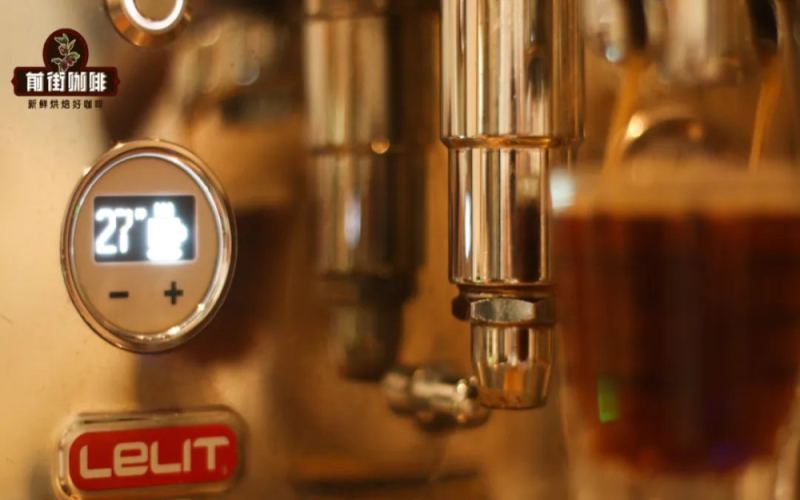
How to Determine Espresso Extraction Time? A Guide to Dose-to-Yield Ratio, Crema, and Stability Assessment
Extraction time is one of the most sensitive and critical variables in espresso. Compared with methods like pour-over, espresso has a much narrower extraction window, where even a difference of a few seconds can bring noticeable changes in flavor. This article will explain the logic behind setting extraction time, the choice of brew ratio, crema performance, and how to judge whether an extraction recipe is stable. At the same time, drawing on the parameter adjustments brought about by the improved quality of modern coffee beans, it introduces the performance of Front Street Classic Blend and Front Street Dark Cocoa Base Blend in actual extraction, helping coffee enthusiasts understand and dial in espresso more systematically. [more…]
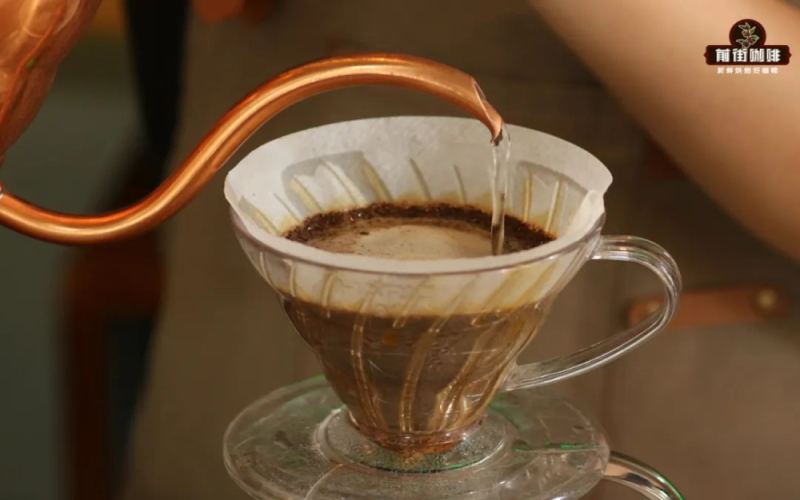
What variables affect the extraction time of pour-over coffee? A complete analysis of time references under different pouring techniques and parameters
The extraction time for pour-over coffee is not a fixed value; it fluctuates noticeably with variables such as pouring technique, coffee dose, coffee-to-water ratio, and grind size. Using a 15-gram dose as a baseline, this article systematically outlines the reference durations for the single-pour method and the three-pour method, and analyzes one by one the actual effects of increasing or decreasing the dose, adjusting the coffee-to-water ratio, and changing the grind setting on extraction time. At the same time, drawing on brewing practice data from Front Street Coffee, it explains how to use extraction time in reverse to judge whether pouring is appropriate and whether the grind is reasonable, so you can calibrate your own pour-over parameters more precisely. [more…]
Coffee Brewing Time | Why Do You Need to Time Your Pour-Over Coffee? What Factors Affect the Extraction Time When Brewing Coffee?
When brewing the vast majority of coffees, we always casually press the timer function that comes with the scale to start counting time—this is something that seasoned baristas have emphasized since the very beginning. But for some friends, this behavior is incomprehensible, because they believe that recording time has no effect on the coffee. [more…]
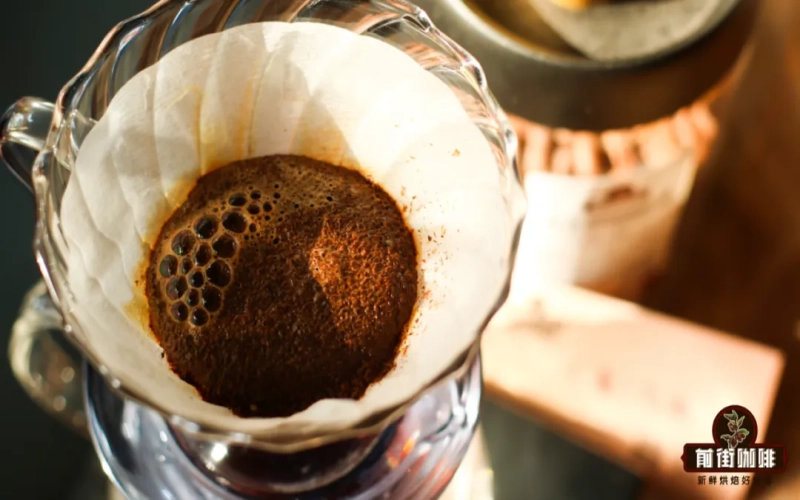
How to Control Pour-Over Coffee Extraction Time? Is 2 Minutes the Golden Standard and How to Respond to Over-Extraction
The brewing duration of pour-over coffee has always been a focal point for enthusiasts: what should you do if the coffee hasn't finished draining after 2 minutes? How long is considered normal for brewing? Starting from Front Street's brewing practice, this article analyzes the impact of time on extraction, explains why 2 minutes is often regarded as a reference standard, and also points out that time is not the only variable. Using light-roasted Huakui and Guodingding as examples, it demonstrates how to match different bean conditions by adjusting water temperature, grind size, dripper, or staged extraction, helping readers understand the importance of parameter coordination rather than obsessing over a single time metric. [more…]
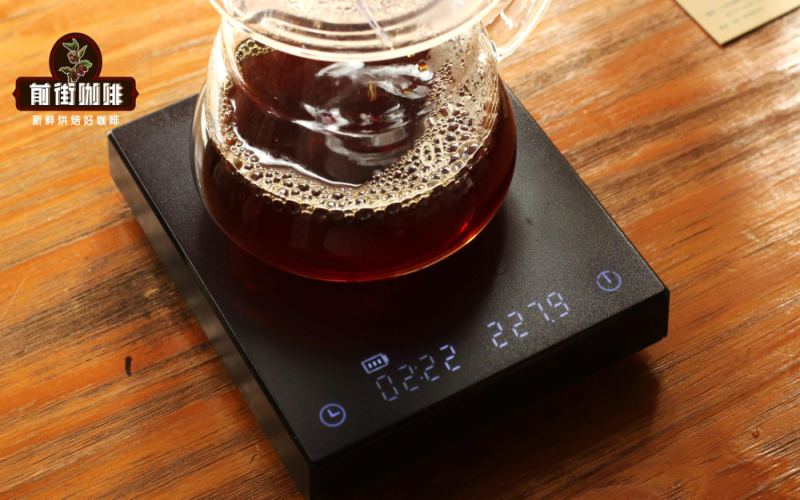
How Long Is a Normal Pour-Over Coffee Extraction Time? An Analysis of the Relationship Between Coffee Dose, Pouring Technique, and Time Parameters
When using a scale with a timer for pour-over coffee, what practical significance does it actually have? The length of the extraction time directly reflects the direction of the coffee's flavor—too long, and it becomes strong and bitter; too short, and it turns weak and thin. But extraction time is not a variable that can be controlled independently; it is constrained by many factors such as the dose, pouring method, and grind coarseness, making it a classic passive parameter. This article will systematically sort out the normal extraction range for a 15-gram dose, analyze the impact of increasing the dose and changing the number of pour stages on time, and explain how to use extraction time to judge whether the brewing parameters are reasonable. The article also includes the recommended brewing time for Front Street Yirgacheffe coffee beans for readers to compare and refer to. [more…]
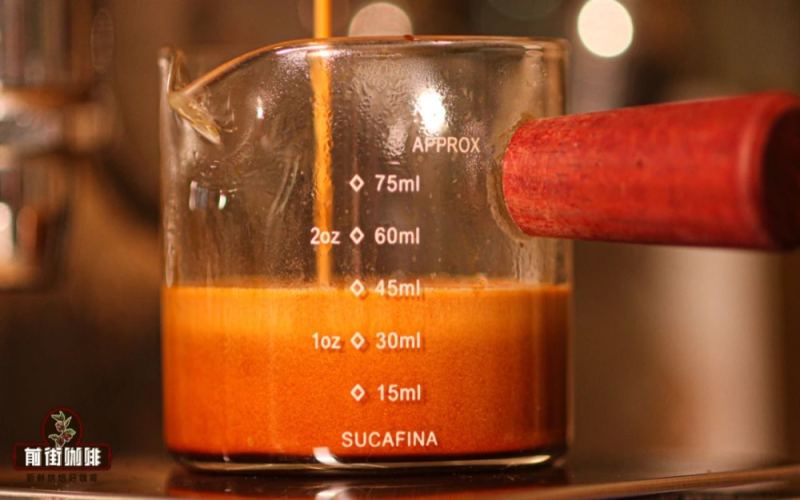
Espresso Extraction Yield | What Is Golden Cup Extraction? What Factors Affect the Flavor of Espresso Extraction? How Is Coffee Extraction Yield Calculated?
For more specialty coffee knowledge, please follow our WeChat public account: Front Street Coffee (FrontStreet Coffee). Those who have read Front Street's popular science articles may have noticed that Front Street rarely specifies exact extraction times the way it does when explaining pour-over coffee, because espresso extraction is about more than just [more…]

A Complete Guide to Espresso Extraction Parameters: Customizing Dose, Ratio, Time, and Grind Size
Espresso extraction is not something that can be mastered with a fixed formula. The freshness of the coffee beans, the grind size, the brand and model of the espresso machine, the extraction pressure, and the stability of the water temperature all cause the same bean to present completely different flavors in different hands. This article starts from the dimensions of dose, brew ratio, extraction time, flow rate, pressure, and water temperature, systematically explaining how to customize a suitable espresso extraction plan for the blend of coffee beans you have on hand. It also introduces how to troubleshoot and adjust one by one when the flow rate is abnormal, and how to use a concentration tester to calculate the extraction yield and determine whether it falls within the golden cup range. The article uses the "Warm Sun" blend from Front Street Coffee as an example, providing specific parameter references, and is suitable for coffee enthusiasts who wish to refine their espresso skills. [more…]
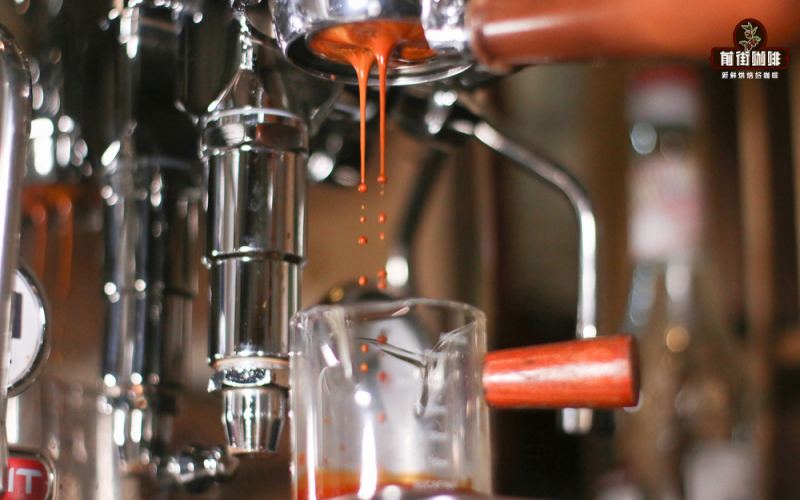
Espresso Extraction Parameters | What is the golden extraction ratio for espresso? What are the specific steps for extracting espresso?
Front Street Coffee has always emphasized that the extraction parameters for pour-over coffee have a significant impact on the cup, and for espresso the impact is even greater. You should know that factors such as the concentration and extraction time of espresso are more demanding than those of pour-over coffee, and the slightest [more…]
A Complete Guide to Espresso Extraction Parameters: A Practical Guide to Dose, Ratio, Time, and Grind Size
To make a well-balanced espresso at home, relying on a fixed recipe alone is far from enough. Different coffee machines, different bean conditions, and even daily climate changes can all cause variations in the extraction result. This article systematically explains how to customize suitable espresso parameters for the blend beans you have on hand, from six dimensions: dose, brew ratio, extraction time, flow rate, pressure, and water temperature. At the same time, for the common problems of overly fast or overly slow flow, it provides troubleshooting adjustment ideas one by one, and introduces how to calculate the extraction yield through concentration testing to determine whether it falls within the golden cup range. The article recommends two espresso beans suitable for beginners to practice with—Front Street Classic Blend and Front Street Strawberry Candy Espresso—to help you find the ideal flavor faster through practice. [more…]
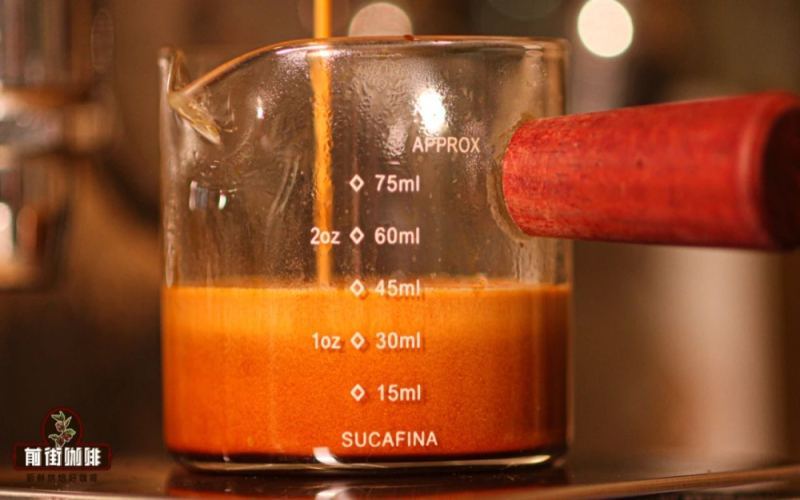
A Guide to Espresso Extraction Time and Pressure Adjustment: Complete Parameter Settings from Dose and Ratio to Flow Rate
Espresso extraction has never been something that can be solved with a fixed formula. The freshness of the coffee beans, the grind size, the brand and model of the espresso machine, the extraction pressure, and the stability of the water temperature—every one of these variables will cause the final cup's flavor to deviate. Precisely for this reason, in its educational articles Front Street Coffee rarely gives an exact extraction time figure the way it does for pour-over. This article will start from the dimensions of dose, coffee-to-water ratio, extraction time, flow rate, pressure, and water temperature, systematically sorting out how to customize a suitable espresso extraction plan for the blend in your hands, and will also introduce the methods for measuring and calculating espresso concentration and extraction yield, helping you find your own cup of good coffee within the Golden Cup reference range. [more…]
How to Control Espresso Extraction Time? A Complete Interpretation from Traditional Standards to Modern Parameters
Espresso is far more sensitive to extraction time than any other brewing method—a difference of just a few seconds can make the flavor worlds apart. This article will take you back to the classic 20-30 second standard in early espresso textbooks, analyze why the old formula no longer applies now that contemporary coffee bean quality has improved, and introduce in detail the current new-generation extraction framework based on double baskets, measured by weight, with a 1:2 brew ratio and a 25-30 second extraction time. At the same time, the article will also recommend two espresso beans suited to different scenarios—Front Street Classic Blend and Front Street Dark Cocoa Blend—to help you quickly find a stable extraction solution. [more…]
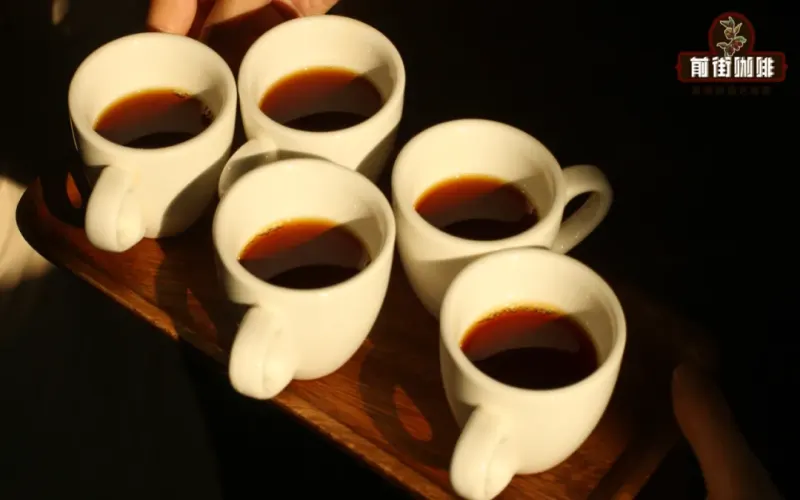
Is your pour-over coffee bitter and astringent? Understand the three causes of over-extraction and dial in your grind, time, and water temperature.
Does your pour-over coffee taste bitter and muddled? The problem is very likely over-extraction. The soluble substances in coffee beans make up about 30%, and among them are components that bring bitterness, astringency, and off-flavors. Once extraction goes too far, these negative flavors are released in large amounts. In this article, Front Street Coffee will walk you through the nature of over-extraction and, starting from the three key dimensions of grind size, extraction time, and water temperature, explain how to troubleshoot and correct coffee that has turned bitter, including how to use a No. 20 sieve to judge grind coarseness, how to control duration with the dripper and pouring rhythm, and the suitable water temperature ranges for different roast levels, helping you steadily brew a clean, balanced, and delicious cup of coffee. [more…]

Analysis of Pour-Over Coffee Extraction States: How to Identify Over-Extraction and Under-Extraction and Adjust Your Brewing Plan
In the world of hand-brewed specialty coffee, the extraction state of a cup directly determines its flavor expression. Some people prefer floral and fruity notes, while others are drawn to dark chocolate and nutty tones, but when faced with astringent sourness or burnt, bitter off-flavors, most people can agree—this cup was not brewed well. Under-extraction, over-extraction, and ideal extraction—these three states correspond to different parameter logics. Starting from the order in which flavor compounds are released, this article will teach you how to judge the extraction situation through clues such as flavor performance, brewing time, and the state of the coffee bed, and offer adjustment approaches for different scenarios including light roasts, dark roasts, and excessive fines, helping you more precisely master every cup of pour-over. [more…]
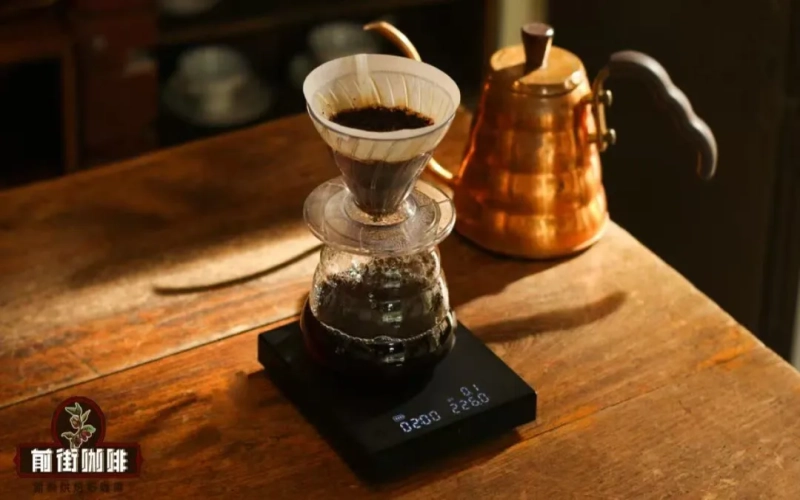
Why should pour-over coffee extraction time be recorded? Abnormal times reveal problems with grinding, technique, and equipment
Many coffee enthusiasts habitually start a timer when brewing, but some also feel that timing is optional. In fact, although time cannot be directly controlled, it can help us judge whether the grind, technique, and equipment are suitable. This article, from Front Street's perspective, discusses why timing matters in pour-over coffee, what extraction times that are too fast or too slow each mean, and how to correct brewing problems by adjusting grind size, pouring method, and dripper, so you can brew a good cup of coffee more consistently. [more…]
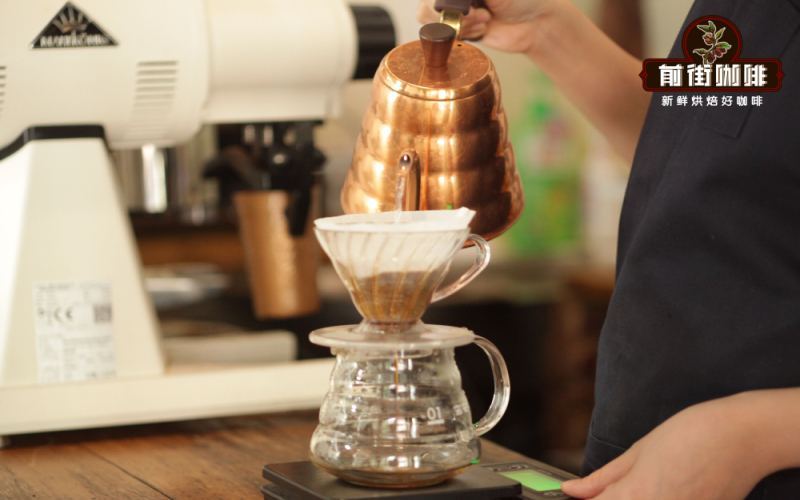
How Long Should Pour-Over Coffee Extraction Take? A Flavor Control Guide for 15g Coffee: 1:50 to 2:30
How long should you brew pour-over coffee for the best taste? This is a question many enthusiasts agonize over again and again. Using a size 01 dripper and 15 grams of coffee as the baseline, this article gives the optimal extraction window of 1 minute 50 seconds to 2 minutes 30 seconds, and starting from the principles of coffee extraction, explains how brew time affects the dissolution of flavor compounds, as well as what taste profiles under-extraction and over-extraction each produce. It also breaks down how three key variables—grind size, dripper type, and pouring technique—specifically affect the flow rate, helping you control timing more consistently in your daily brewing and make a well-balanced cup of good coffee. [more…]