







Search Results for: Extraction Principle
Authentic Italian Espresso Recipe | What Is the Extraction Principle of Italian Espresso? How to Taste Espresso Flavor? Which Coffee Beans Are Suitable for Italian Coffee?
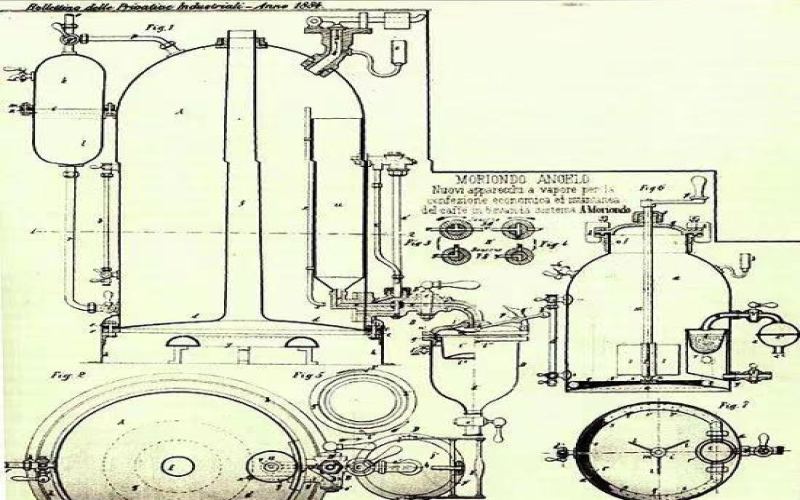
The earliest method of making espresso was born in 1884, when an Italian named Angelo Moriondo designed a patented model of an espresso machine. Initially, the working principle of the espresso machine was based on two separate boilers. [more…]

Moka Pot Milk Coffee Tutorial | Can a Moka Pot Make Espresso? How to Brew Black Coffee with Crema Using a Moka Pot? Introduction to the Moka Pot Coffee Extraction Principle and Coffee-to-Water Ratio
We all know that a moka pot can brew delicious coffee, but we don't know whether it counts as espresso, and if it doesn't, what's the difference between the two. Today Front Street Coffee will compare the similarities and differences between the two for everyone. The moka pot can make such delicious espresso, so let's take a look at the moka [more…]

Coffee Equipment | Why don't coffee shops use moka pots to make single-origin coffee? What is the principle behind moka pot coffee extraction?
As coffee has entered people's view and gradually become a part of life, the ways of enjoying coffee are no longer limited to the joy brought by pour-over. There are many ways to make coffee; besides the simple pour-over, there are also espresso, cold brew, siphon, and other methods~ Perhaps you often [more…]
Why Does Cold Brew Coffee Take 8 Hours? An Analysis of the Extraction Principle and Key Points of Drip Rate Control
Cold brew coffee is often served in limited quantities at cafés, precisely because its production cycle usually exceeds eight hours. This type of coffee, which originated in Europe and gets its name from the Dutch invention of a distillation apparatus, is also called Dutch Coffee, distilled coffee, or water-drip coffee. It relies on condensed natural osmotic water pressure to let cold water drip through the coffee grounds one drop at a time, continuously extracting at a low temperature of about 5°C for several hours. The flavor of the finished product varies depending on the roast level, water volume, water temperature, drip rate, and grind coarseness. It has a rich, smooth, and refreshingly icy taste, making it the foundation for drinking straight in summer or for making iced coffee. Front Street Coffee's cold brew recipe also emphasizes the coordination between drip rate and grind. Below, we'll break down its extraction principles and time control. [more…]
How to Properly Taste Espresso | Where Does Italian Coffee Come From? What Is the Authentic Italian Espresso Standard Method and Principle?
For more specialty coffee knowledge, please follow: Front Street Coffee (Frontsteet Coffee). The earliest method of making Espresso was born in 1884, when an Italian named Angelo Moriondo designed a machine that obtained [more…]
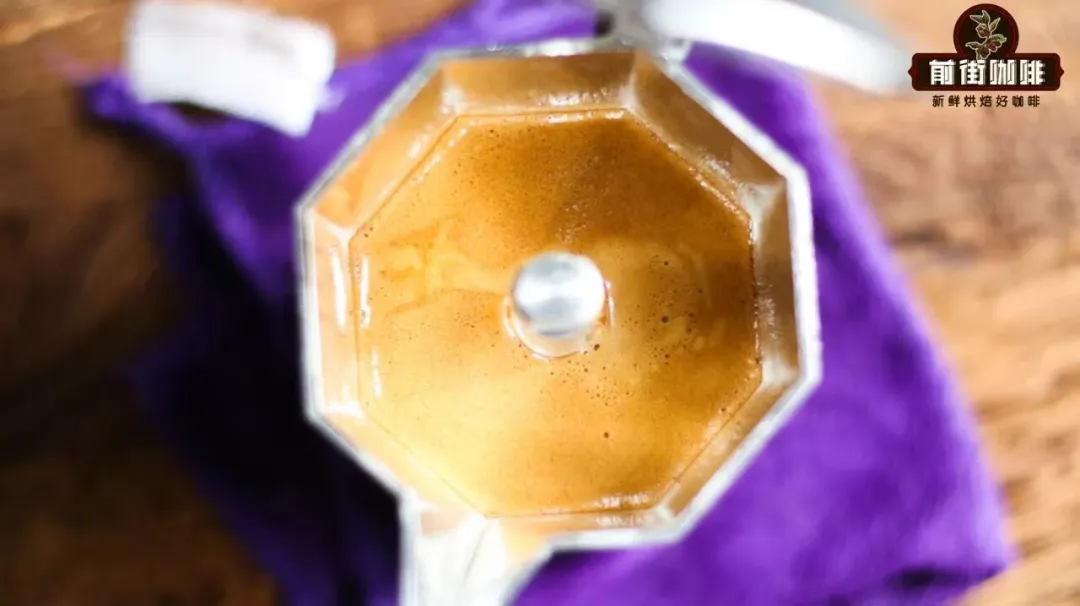
Coffee Basics | What is the coffee extraction principle of a Moka pot? How can coffee beginners use a Moka pot to make espresso-style black coffee? What are the pros and cons of a Moka pot?
Espresso is a coffee with a very long history and the soul of all coffee drinks. In fact, besides a semi-automatic espresso machine, there is another device that can make espresso: the moka pot. Below, Front Street Coffee will introduce it to you: the moka pot. What is a moka pot? Since the moka pot [more…]
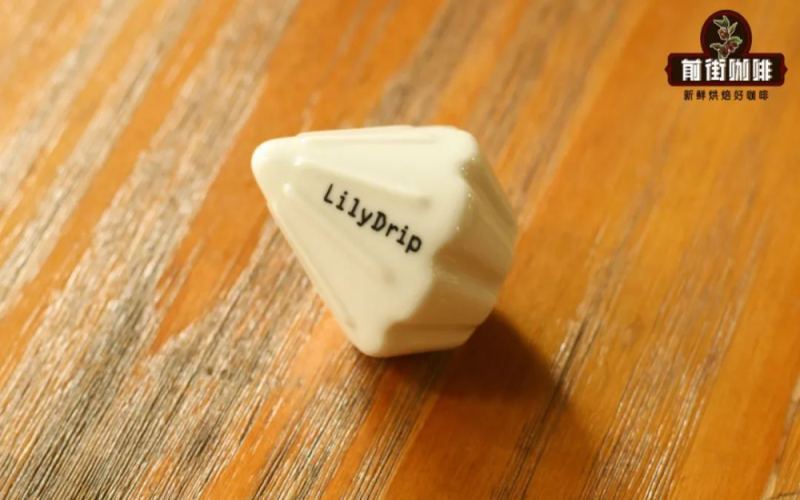
Can Lily Drip really improve coffee extraction? A breakdown of the principle and a practical comparison with V60
A glass bead accidentally fell into the dripper, and unexpectedly became the source of inspiration that changed the coffee extraction landscape. Thus, Lily Drip was born. By dispersing the central coffee bed, it solves the common problems of uneven extraction and clogging-induced over-extraction in conical drippers. This article will start with the origin story of Lily Drip, analyze its working principle, and, using a light-roasted Yirgacheffe Gutingding as the subject, conduct a side-by-side experiment with V60 versus V60 plus Lily Drip, comparing brewing time, flavor performance, and adjustment approaches. If you have also been troubled by clogging and overly long extraction times with light-roasted beans, why not follow along with Front Street Coffee to see whether this little tool is really worth buying. [more…]
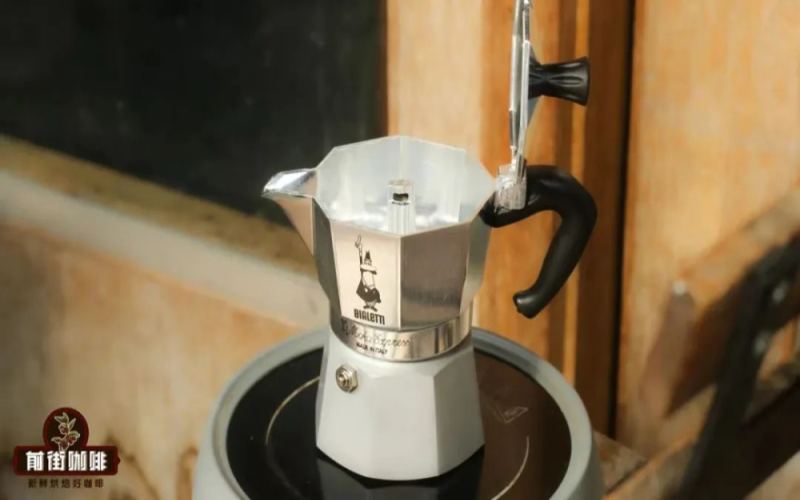
Moka Pot Full Analysis from Principle to Practice: A Complete Guide to Making a Cup of Rich Coffee with Steam Pressure
The moka pot, with its simple operation and rich brew, has long been a staple in countless home kitchens. This article begins with the story of the moka pot's birth, then systematically breaks down its structure and steam extraction principle, before gradually unpacking the key operational details such as choosing water, filling the coffee grounds, heating, and removing it from the heat, helping you avoid common pitfalls. It will also share ratio ideas for making Americano and latte with moka pot coffee, and recommend two beans for different taste preferences—Front Street Classic Italian Blend and Front Street Colombia Sidra—so that either rich aroma or fruity notes can be easily presented. [more…]
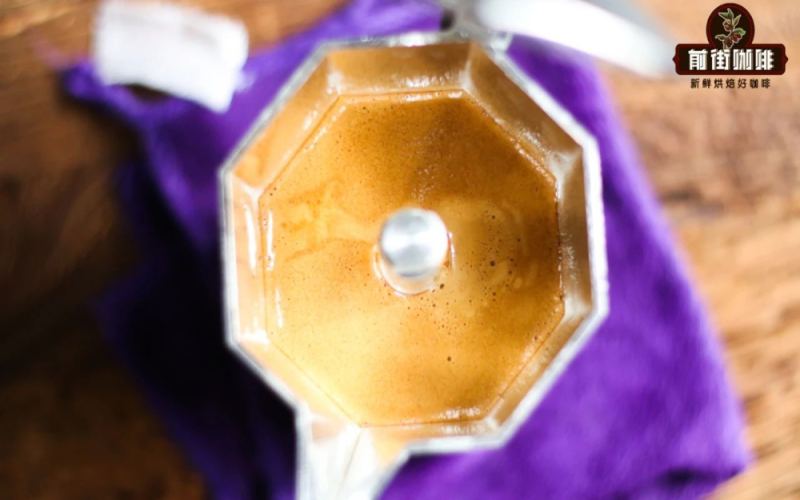
An In-Depth Analysis of the Moka Pot Extraction Principle: A Complete Guide to the Pressure Mechanism, Everyday Bean Pairings, and Operational Details
With its simple operation and rich output, the moka pot has become the top choice for many coffee enthusiasts just getting started. This article starts from the moka pot's pressure-extraction principle, compares it with espresso machines, explains in detail the suitable dark-roast espresso blend bean choices, and fully presents five everyday beans recommended by Front Street Coffee, along with moka pot operating steps and precautions, to help you consistently extract rich coffee with crema aromatics. [more…]

Should Cold Brew Coffee Include a Bloom? Experimental Comparison and Principle Analysis of Cold Immersion vs. Hot Water Pre-infusion
Cold brew coffee has always been made by steeping at low temperatures throughout, but if you first bloom the coffee grounds with hot water before steeping, will the final product taste better? Front Street conducted a controlled experiment using Sidamo Huakui 8.0: aside from the water temperature treatment, the two pots of cold brew had completely identical parameters—one was mixed directly with room-temperature water and refrigerated, while the other was first bloomed with 92°C hot water for 30 seconds before room-temperature water was added. After 8 hours, filtering and tasting revealed that the two had similar flavor directions, but the bloomed version had a higher concentration. The article then explains that the real source of this difference is not the blooming action itself, but the hot water and parameter changes introduced to accomplish the blooming, and, combined with the principle of degassing during blooming in pour-over brewing, explains its applicability in the cold brew scenario. [more…]

Yirgacheffe Cold Drip Coffee | What is the extraction principle of cold brew coffee? How to make cold drip coffee with washed Yirgacheffe?
Still in the scorching summer of Guangdong, everyone is crazy about iced coffee. Even the cold brew coffee at Front Street Coffee's stores has been "swept clean." Many friends ask Front Street Coffee whether they can make cold brew coffee at home and how to do it. Next, Front Street Coffee will have a good chat about how to make a delicious cup of cold brew coffee. What is the principle of cold brew coffee? In understanding [more…]
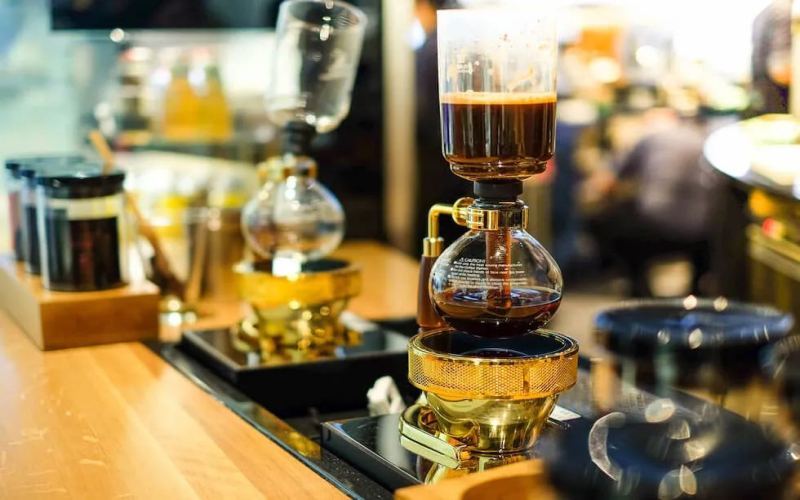
A Detailed Explanation of the Siphon Brewer's Extraction Principle and Operating Steps, and Which Coffee Beans Pair Best for Flavor?
The siphon pot, with its unique appearance resembling chemical apparatus, often appears in nostalgic film and television works, carrying a certain air of mystery. For coffee professionals and enthusiasts, what is more worthy of attention is its extraction principle and actual brewing performance. This article will start with the structure of the siphon pot, gradually break down its pressure-difference extraction mechanism, explain in detail the key parameters and operating procedures such as water temperature, grind size, and coffee-to-water ratio, and recommend suitable coffee beans for different flavor preferences, including Front Street brand's Jamaica Blue Mountain, Golden Mandheling, Brazil Queen Estate, Natural Red Cherry, Costa Rica Mozart, and Natural Huakui, to help readers fully master the essentials of making siphon coffee. [more…]
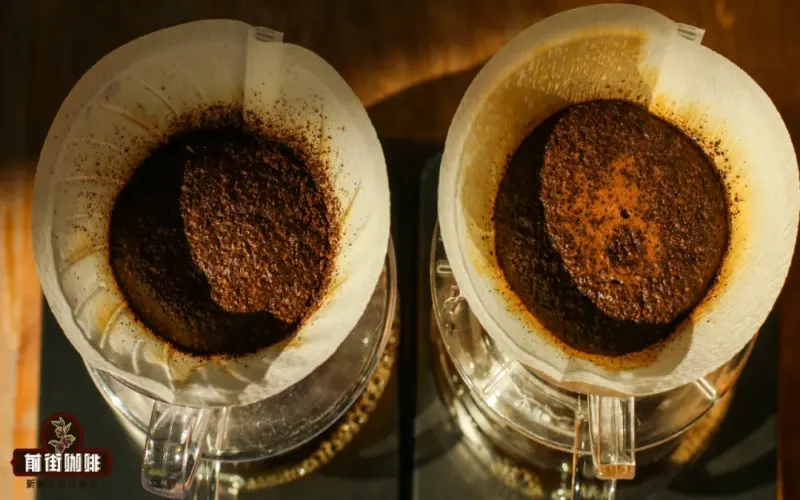
A Detailed Explanation of the Blooming Principle in Pour-Over Coffee: How to Judge Bean Freshness and Extraction Status from the Dome
In the process of pour-over coffee, blooming is a step that seems simple yet contains a wealth of information. Many enthusiasts are accustomed to judging whether coffee beans are fresh by observing the extent to which the coffee bed puffs up during blooming—the larger the puff, the fresher; the smaller, the staler. However, Front Street wants to tell everyone today that bean freshness is not the only factor affecting the size of the puff. This article will start from the working principles of blooming and deeply analyze why the coffee bed expands, as well as what variables besides freshness can lead to differences in the puff. At the same time, we will also explore how the process of carbon dioxide release after coffee beans are roasted affects extraction, helping you understand the blooming phenomenon more accurately in your daily brewing. [more…]
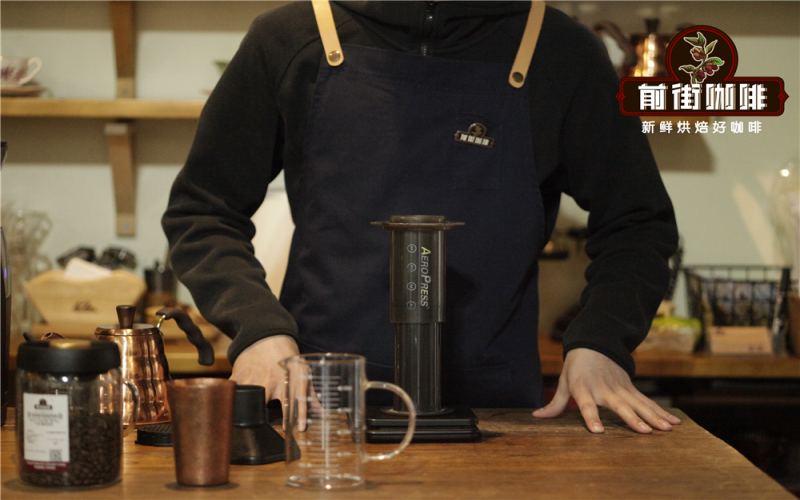
AeroPress Coffee Brewing Guide | What Is the AeroPress Coffee Extraction Principle? How Can Coffee Beginners Make Black Coffee with an AeroPress?
For more specialty coffee knowledge, please follow our WeChat official account: Front Street Coffee (FrontStreet Coffee). The AeroPress looks like a syringe; without really looking into it, you wouldn't think it's a coffee brewing device, and if you do look into it seriously, you'll also discover that there are competitions specifically for brewing with the AeroPress. [more…]
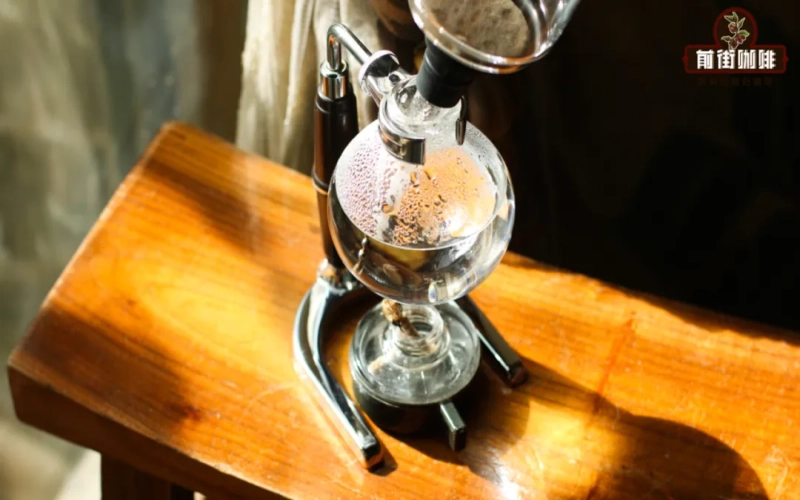
How Is a Siphon Different from Pour-Over Coffee? Can You Replace the Cloth Filter of a Syphon with Paper? A Full Explanation of the Siphon Principle
The siphon pot, with its unique brewing method and highly visual appeal, was once all the rage in coffee circles. Front Street has noticed that with the return of the retro trend, more and more cafés are putting siphon coffee back on their menus, allowing a new generation of enthusiasts to experience this classic flavor. As another way of presenting single-origin coffee, the siphon pot is naturally often compared with today's mainstream pour-over coffee. Where exactly do the two differ? Why are the taste and aroma so noticeably different? This article, from Front Street's perspective, will take a deep dive into the fundamental differences between siphon and pour-over in their extraction methods, and answer common questions such as whether a siphon pot can use paper filters instead of flannel. [more…]
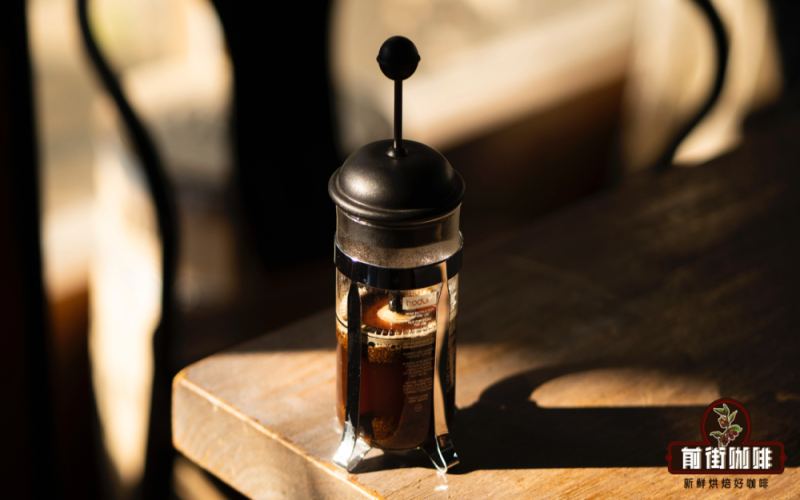
French Press Buying Guide: Extraction Principles, Brand Comparison, and Analysis of Cost-Effective Models
The French press has become a popular choice for home coffee brewing because it is easy to operate and requires no complex pouring technique. WBC World Barista Championship competitor Suzuki Itsuki once pointed out that the French press's standout advantage lies in its simple principle, easy learning curve, and freedom from paper-filter interference, allowing it to present the true taste of coffee directly. In this article, Front Street Coffee systematically sorts out the structure and extraction logic of the French press, explains in detail the four major variables of coffee-to-water ratio, grind size, water temperature, and steeping time, and shares recommended parameters for medium-light and medium-dark roasted beans. It also traces the historical development of the French press from the 1852 French patent to its commercialization by Bodum, recommends a bean list suited to it, including Front Street Brazil Queen's Estate, Honduras Sherry Barrel, Jamaica Blue Mountain No. 1, and Indonesia Golden Mandheling, and finally reminds readers of the key points for daily disassembly, cleaning, and maintenance, helping you choose a French press that is easy to use and not expensive. [more…]
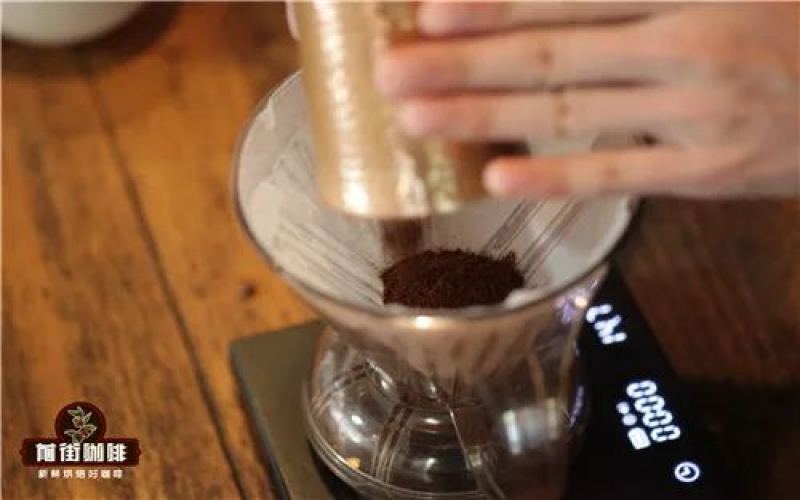
The Origin Story of the Clever Cup | What parts make up the Clever Dripper? What is the coffee extraction principle of the Clever Cup? How do you use the Clever Cup to brew black coffee?
The Clever Coffee Dripper is a coffee filtration device invented by the Taiwanese company EK INTL. The bottom of the dripper features a controllable switch valve, allowing free adjustment of the steeping time for extraction. It is convenient and easy to use, hence the name "Clever Cup." On the market [more…]
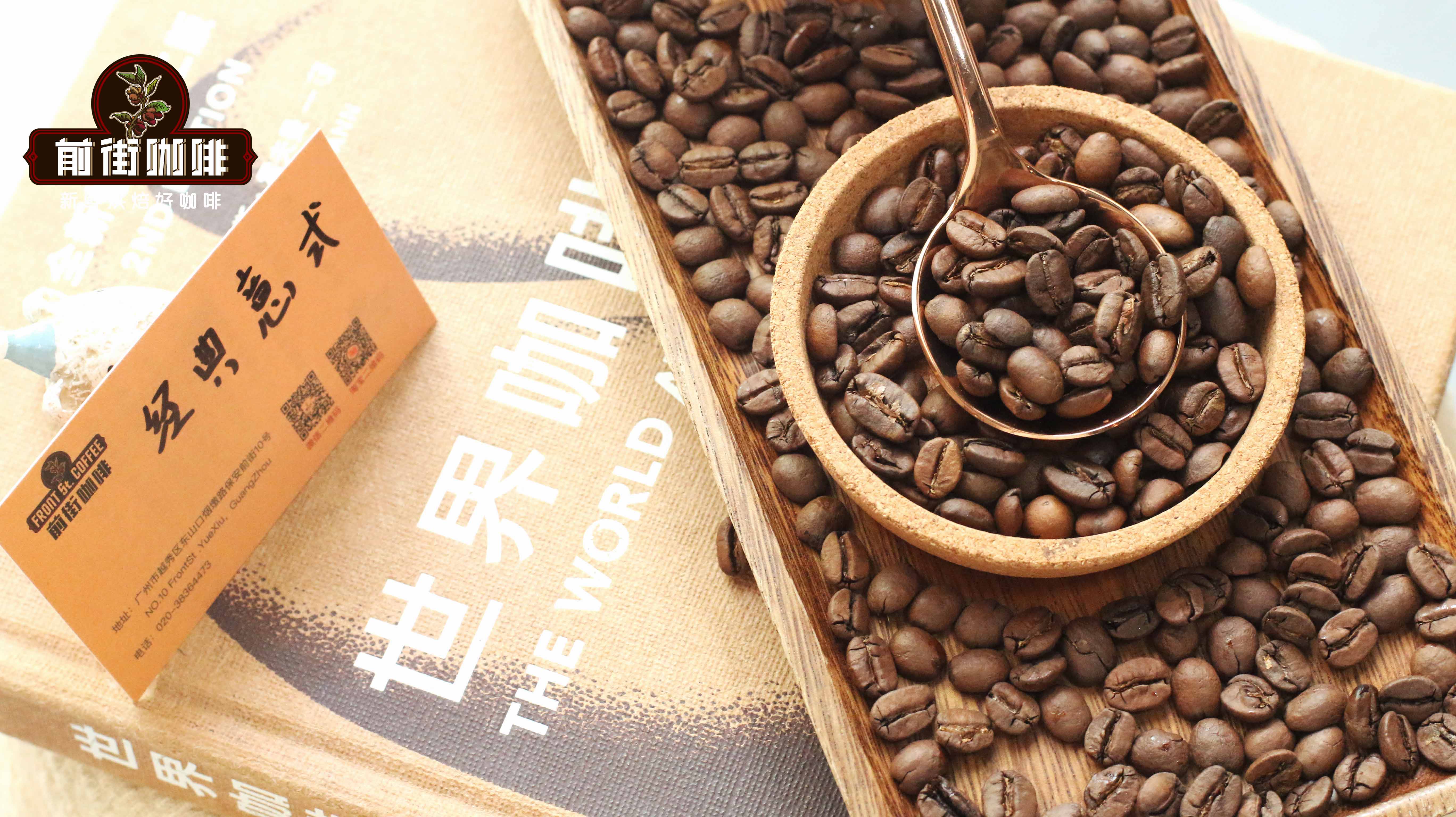
Illustrated Guide to Espresso Making | What Is the Working Principle of an Espresso Machine? What Factors Affect the Taste and Mouthfeel of Espresso?
For more specialty coffee knowledge, please follow: Front Street Coffee (Frontsteet Coffee). Espresso is mostly perceived as bitter and astringent; when this happens, it is very likely that there is a problem in the production process. At this point, someone will ask Front Street Coffee (FrontS [more…]
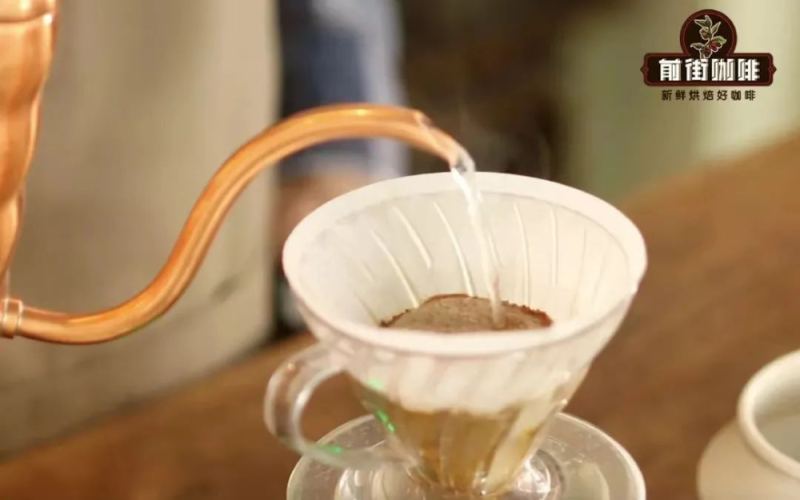
How to Determine the Blooming Time for Pour-Over Coffee? Whether It Counts Toward Total Brew Time and a Detailed Explanation of the Degassing Principle
The blooming phase in pour-over coffee is often regarded as a key step that determines flavor. Many enthusiasts ask: does the 30-second bloom actually count toward the total extraction time? And what is the purpose of blooming? Starting from the principle of carbon dioxide release, this article explains why drip-style pour-over must be bloomed, and analyzes how three states—insufficient blooming, excessive blooming, and moderate blooming—affect the taste of coffee. At the same time, drawing on Front Street's brewing experience, it explains how the roast date, roast level, and pouring method change the optimal bloom duration, helping readers judge flexibly based on the state of degassing in the coffee bed rather than rigidly sticking to a fixed number of seconds. [more…]
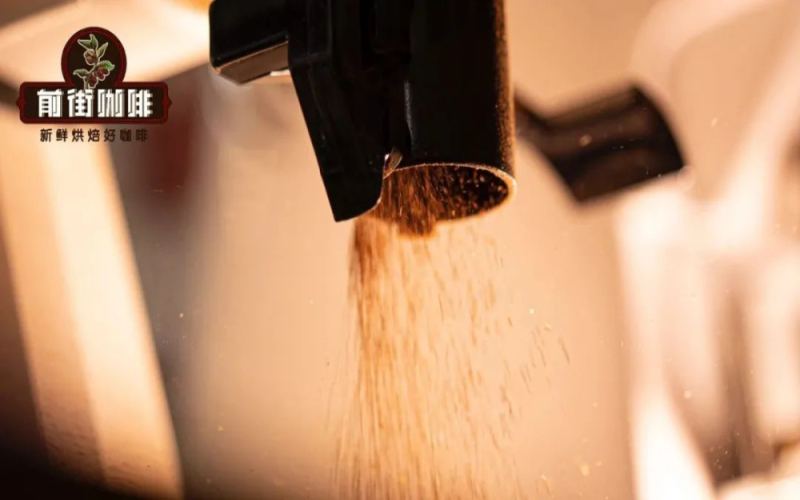
How to Solve the Coffee Grinding Static Problem? An Analysis of the Principle, Effectiveness, and Practical Risks of the RDT Water-Spraying Method
When grinding coffee beans, static electricity often sends fine particles flying and clumping together, not only dirtying the grinder's chute but also disrupting the uniformity of water flow during extraction. To solve this problem, as early as 2005 someone proposed spraying a small amount of water onto the coffee beans, commonly known as RDT (Ross Droplet Technique). Does this method actually have a scientific basis? Will it have a negative impact on grind quality? This article starts from the mechanism by which static electricity is generated, combines it with the latest research, analyzes the actual effectiveness of the water-spraying method, and also points out the risks to watch for during operation, especially the problems that can arise when the amount of water sprayed gets out of control, such as coffee grounds becoming damp, clumping, and even burrs rusting. For friends who like making coffee at home, as well as for Front Street Coffee, which insists on professional output, understanding these details helps in using this technique more rationally. [more…]