







For more coffee origin information and coffee knowledge, please followCoffeeHuntersToutiao account
The AeroPress looks like a syringe, and if you don't take a serious look at it, you wouldn't think it's a coffee brewing device. But if you do take a serious look, you'll also discover that there are competitions dedicated to brewing with the AeroPress. What kind of magical device is this exactly?
Dissecting the AeroPress
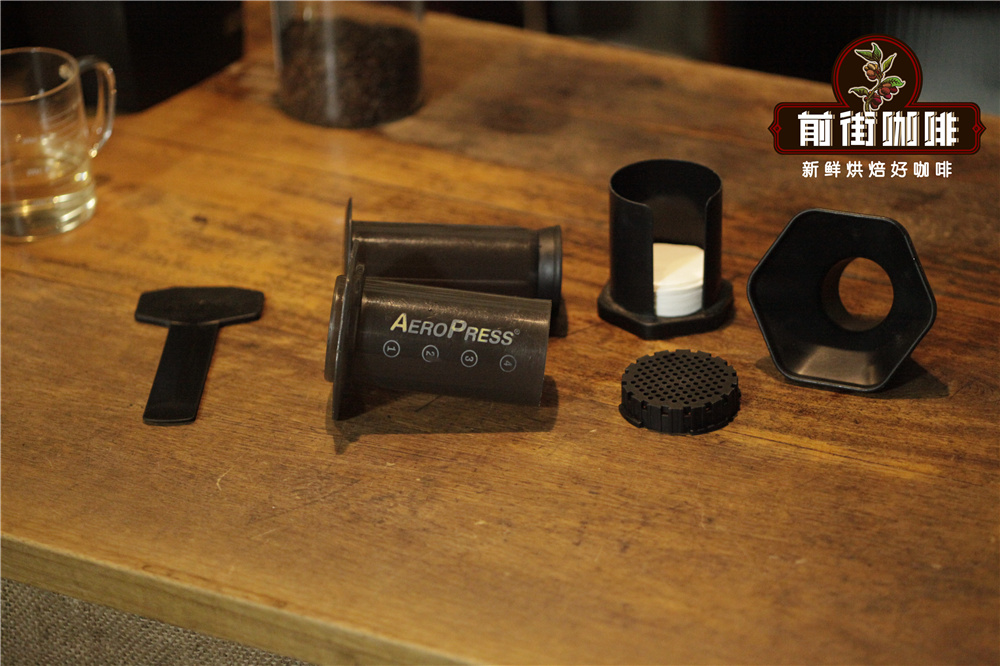
Like many of the devices Front Street Coffee has introduced before, the AeroPress can be simply broken down into three main parts: the chamber, the filter cap, and the plunger. Of course, there are also the special circular paper filters, the AeroPress stirrer, and the funnel. It combines the immersion extraction method of a French press, the paper filtration of pour-over coffee, and the pressure extraction of an espresso machine. Its working principle is to stir and mix coffee grounds with hot water, then use the plunger to compress the air, forcing the coffee through the filter cap to extract a clean-flavored cup.
AeroPress Tutorial
It's worth noting that the AeroPress can make coffee in two ways: the standard method and the inverted method. The standard method involves placing the AeroPress chamber upright on a cup, adding ground coffee and a certain ratio of hot water, stirring, then inserting the plunger and pressing down to extract.
The inverted method involves first attaching the plunger to the chamber, flipping it upside down, adding coffee grounds and hot water, stirring, then attaching the filter cap, flipping it back upright, and pressing to extract.

The coffee beans used in this demonstration are Front Street Coffee's Brazil Queen's Estate, a medium-dark roasted Yellow Bourbon variety with a distinct roasted peanut aroma, rich body, and nutty finish. Because the extraction process is very short, the AeroPress grind is usually finer than pour-over coffee. Front Street Coffee sets it at 85% passing through a No. 20 standard sieve, which is the consistency of powdered sugar, and uses a water temperature of 90°C.
Standard Method
① First, place the circular paper filter on the filter cap and wet it with water so it adheres;
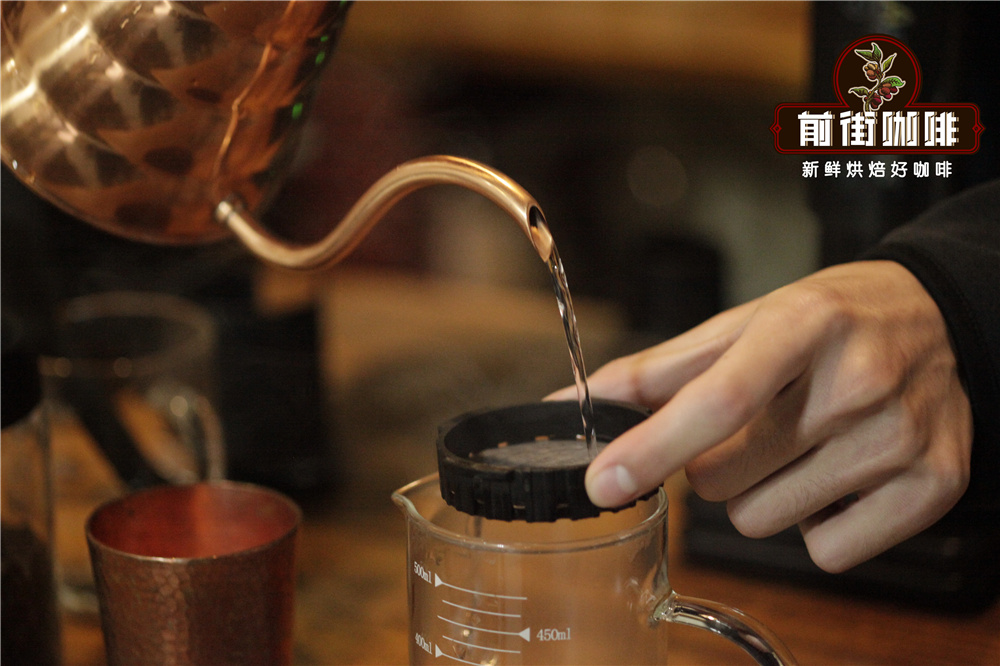
② Press the filter cap onto the chamber, and place it upright on the cup;
③ Place the funnel on top and pour in 15 grams of ground coffee;
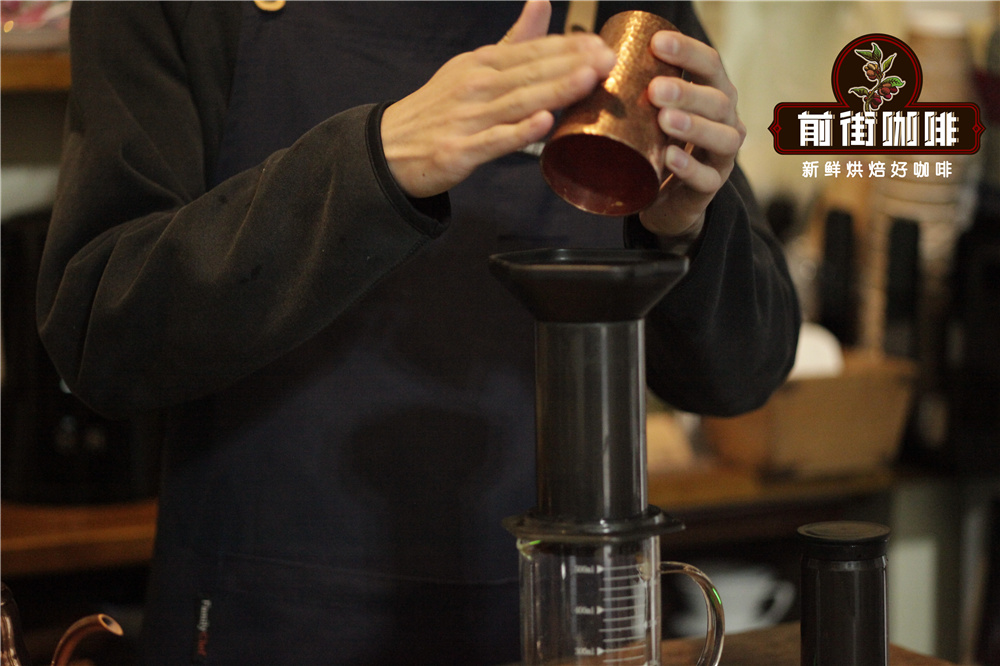
④ Start the timer, pour in hot water up to the "④" mark on the chamber;
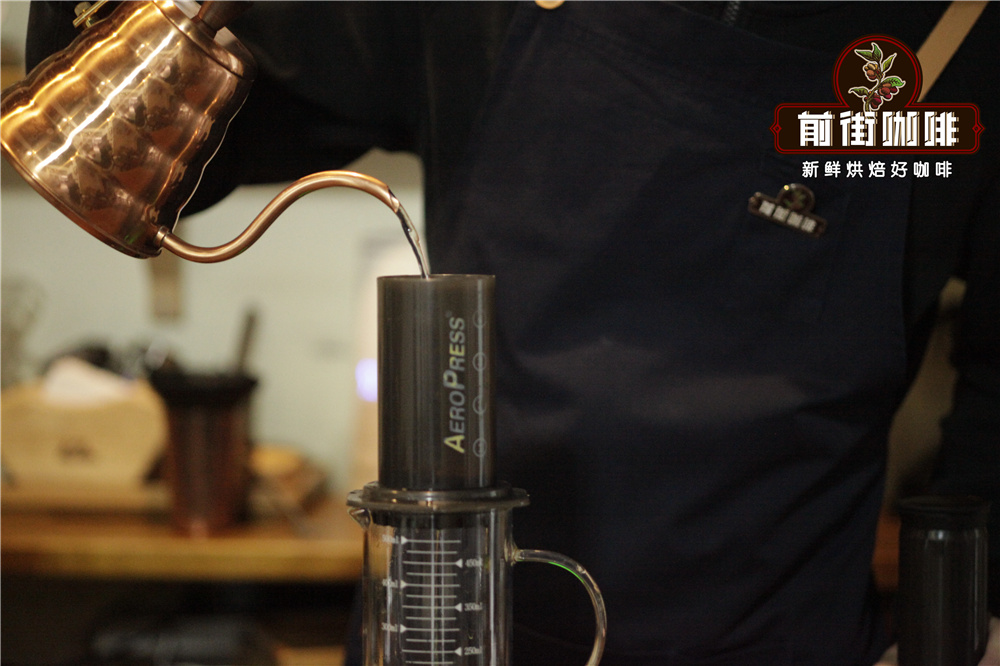
⑤ Use the stirrer to gently stir the coffee grounds in the chamber so that all the coffee is saturated with water.
⑥ Attach the plunger. Because with the standard method coffee will drip into the cup below, you need to move quickly after pouring water, stirring, and attaching the plunger. Once the plunger is attached, the sealed state inside will stop the dripping.
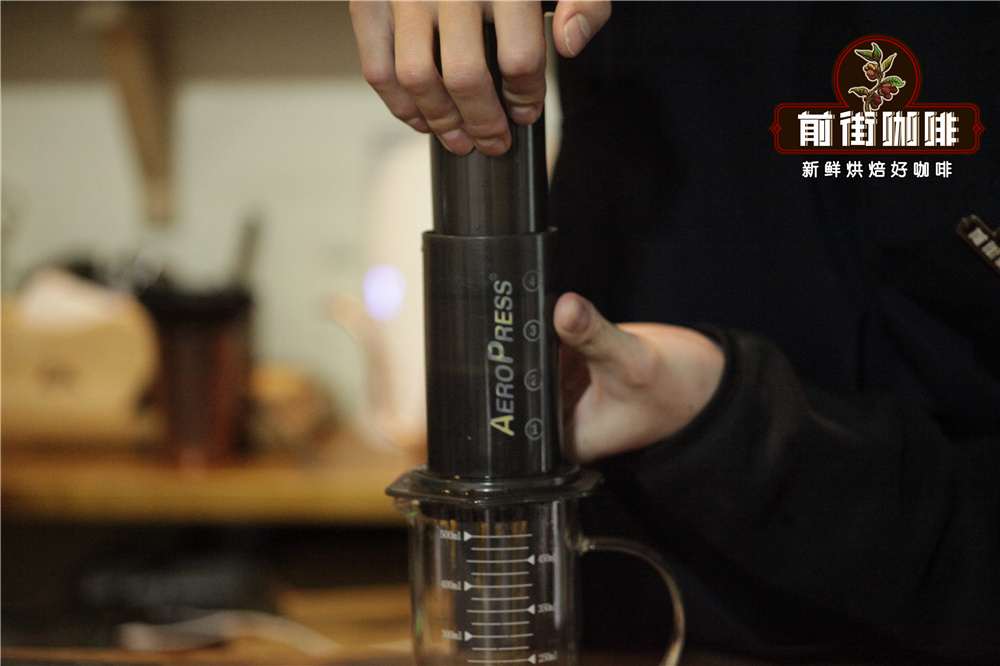
⑦ After 1 minute, begin pressing the plunger. The coffee is forced into the cup below. When pressing is complete, the time is 1 minute 20 seconds.
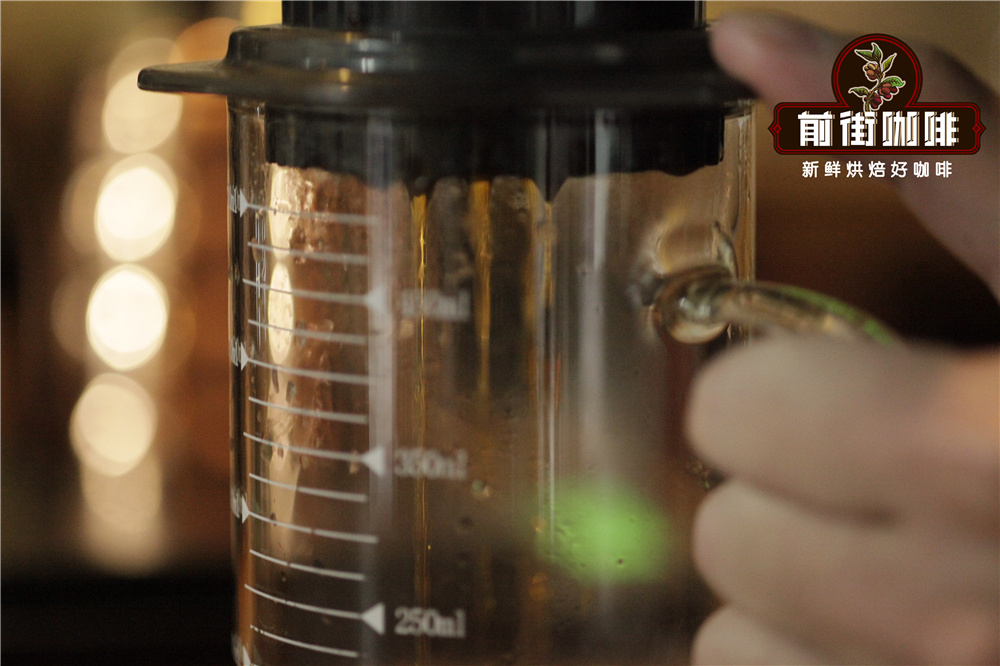
Inverted Method
① Assemble the chamber and plunger, press the plunger down to the "④" mark, and place it upside down on the table.
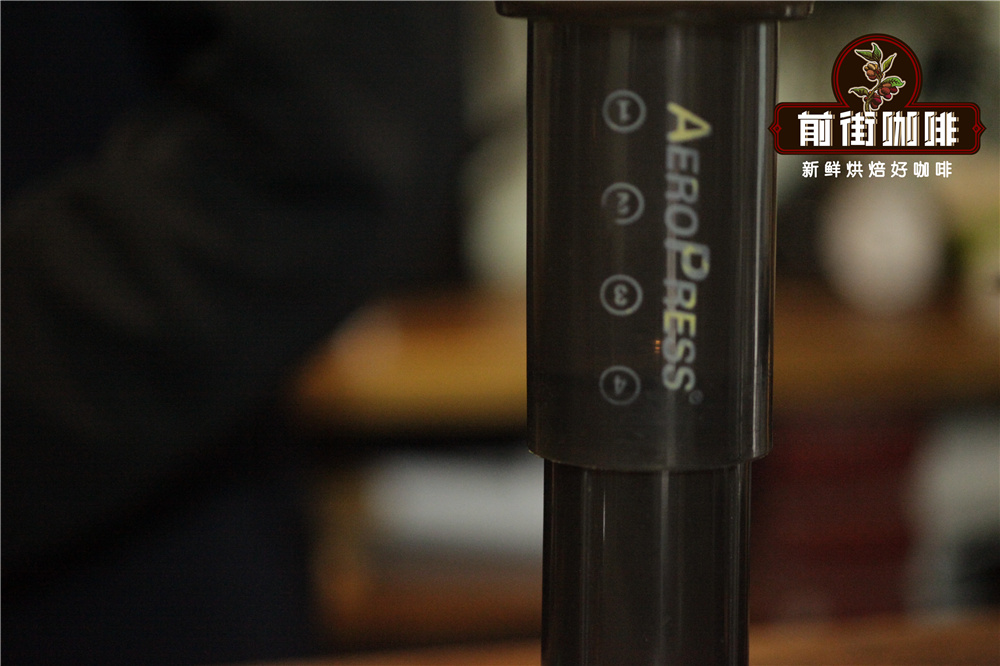
② Place the funnel on top and pour in 15 grams of coffee grounds.

③ Start the timer, then pour in hot water until full.
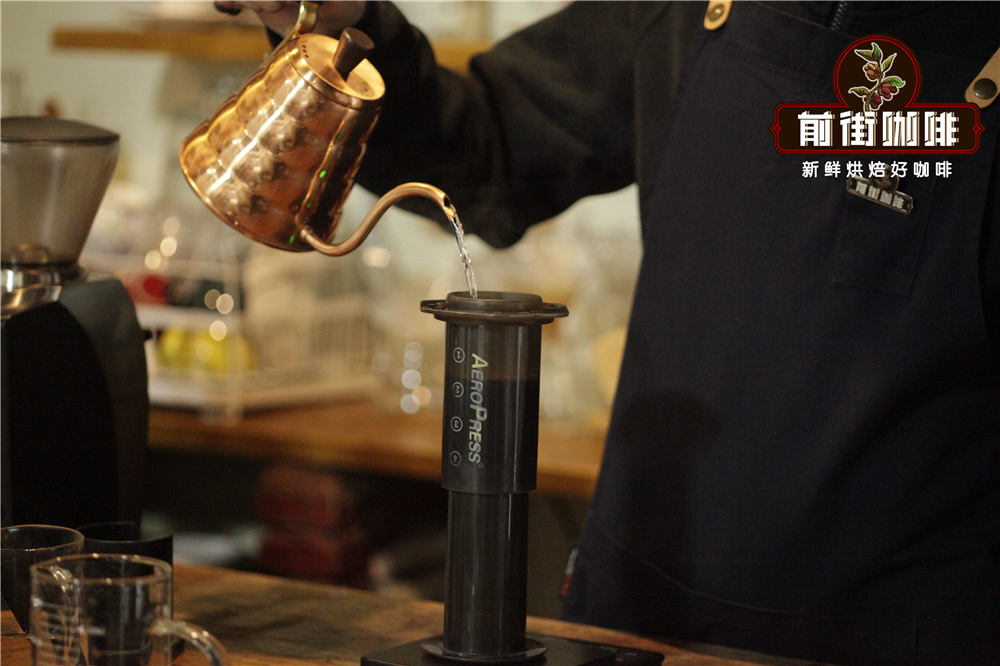
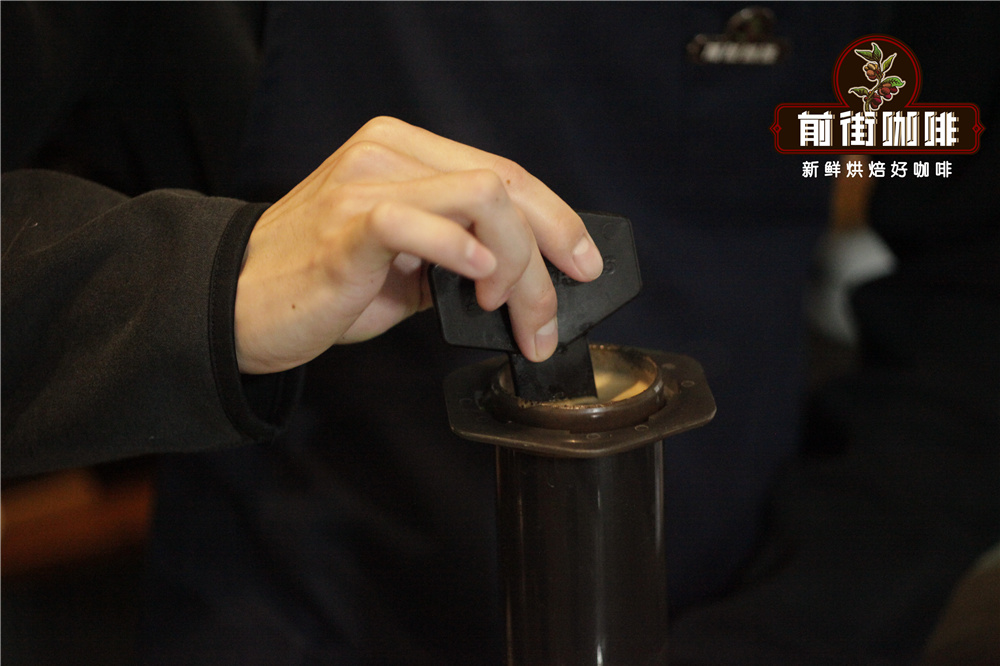
④ Use the stirrer to stir the coffee grounds evenly, until a golden surface appears.
⑤ Attach the filter cap, flip the chamber onto the cup. This action must be quick to prevent the coffee from spilling out.
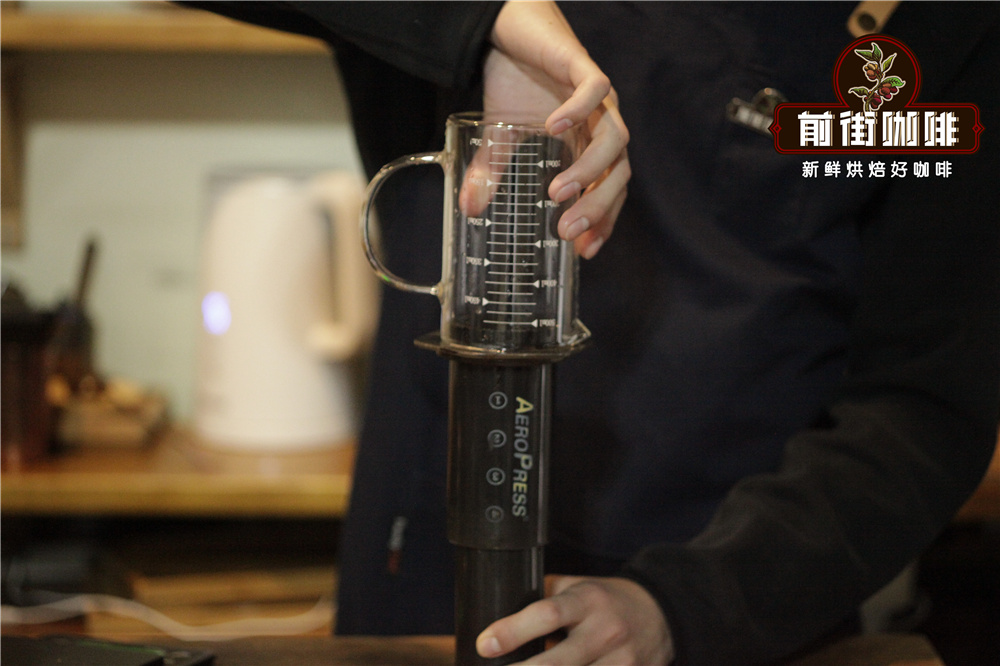
⑥ After 1 minute, begin pressing the plunger. The coffee is forced into the cup. When pressing is complete, the time is 1 minute 20 seconds.
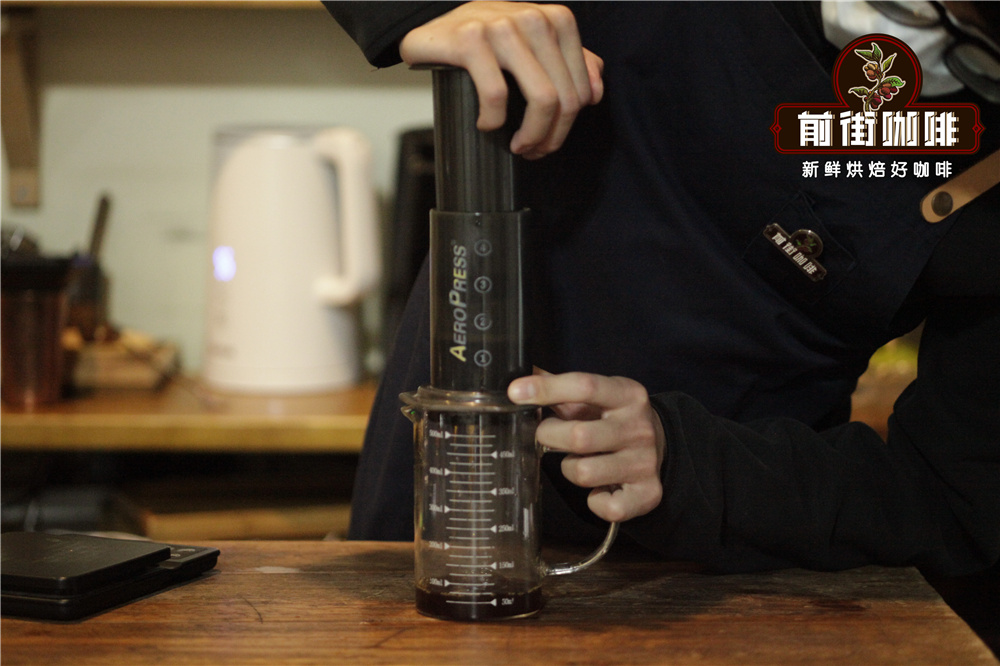
Between these two methods, Front Street Coffee prefers the inverted method, because the inverted method is easier to learn and offers higher consistency. With the standard method, water also drips into the cup below while pouring, so it's harder to master.
The above content is compiled by CoffeeHunters, a coffee news website.


