







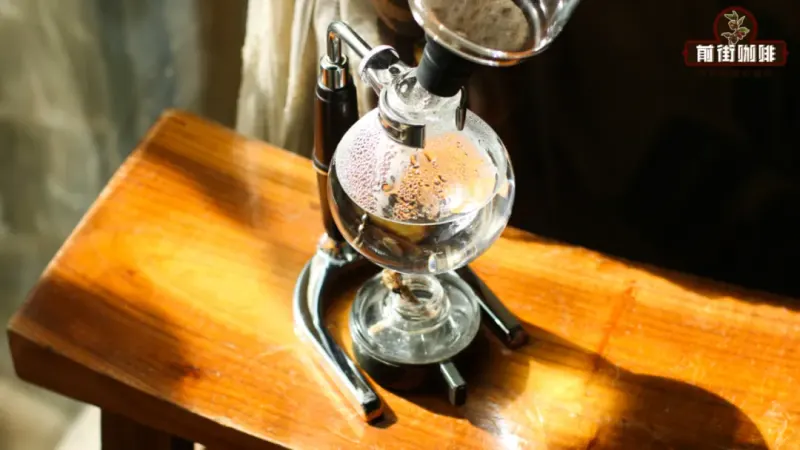
How Does Siphon Coffee Extraction Compare to Pour-Over?
Siphon and pour-over use different extraction methods, and that shows in the cup. Pour-over relies mainly on drip filtration, where hot water passes through the coffee and the liquid seeps out through a paper filter, giving a cleaner palate with more distinct layers. Siphon coffee leans toward a full body, a richer aroma and a more solid taste, which is why the two are compared so often.
The siphon's visual brewing style has returned to cafe menus as retro trends rise, and it is usually brewed as single-origin coffee. A common question is whether a paper filter can replace the cloth filter in a siphon. Because pour-over also involves some immersion during brewing, the boundary between the two methods is not absolute, but the filter and pressure differences still shape flavor and mouthfeel.
With its unique brewing method and highly visual appeal, the siphon has once enjoyed great popularity in the coffee world. Front Street Coffee has noticed that with the return of the retro trend, more and more cafés are putting siphon coffee back on their menus, allowing a new generation of enthusiasts to experience this classic flavor. As another way of presenting single-origin coffee, the siphon is naturally often compared with today's mainstream pour-over coffee. Where exactly lies the difference between the two? Why are the taste and aroma so noticeably different? This article, from Front Street Coffee's perspective, will take an in-depth look at the fundamental differences between siphon and pour-over in extraction method, and answer common questions such as whether a paper filter can replace a cloth filter in a syphon.
With its distinctive brewing technique and highly visual appeal, the siphon once sparked a wave of enthusiasm in the coffee world in the last century. Front Street Coffee mentioned last winter that now, as the retro trend rises again, many cafés are reintroducing siphon coffee to their menus, giving a new generation of coffee lovers the chance to taste this beauty of days gone by.
Since the siphon is also a method of brewing single-origin coffee, it is only natural to compare it with today's most popular pour-over coffee. And anyone who has tasted siphon-brewed coffee will understand that its differences from pour-over coffee are quite significant, whether in mouthfeel or flavor.
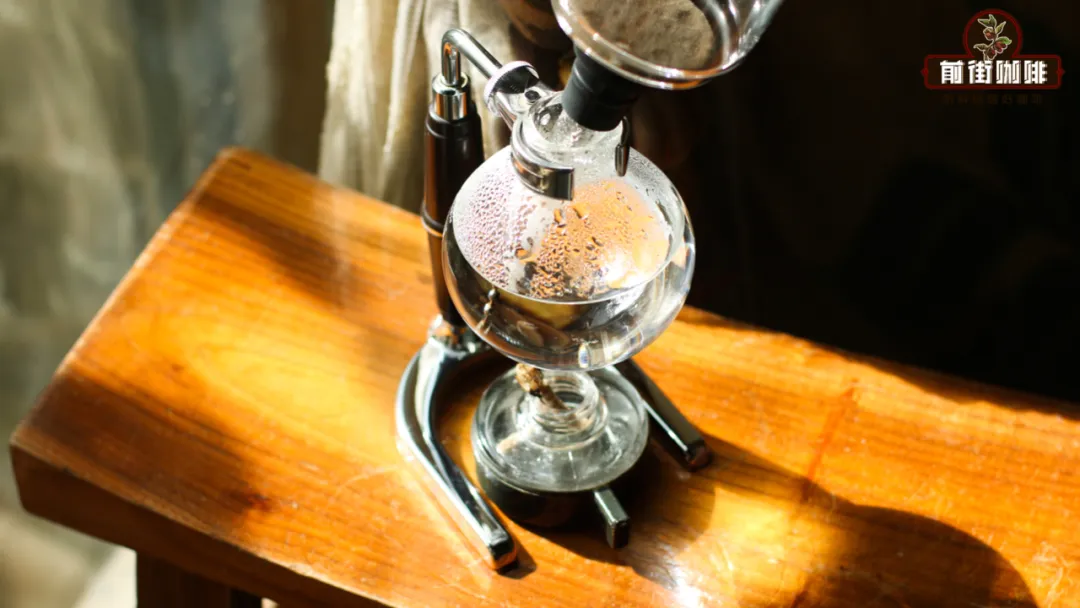
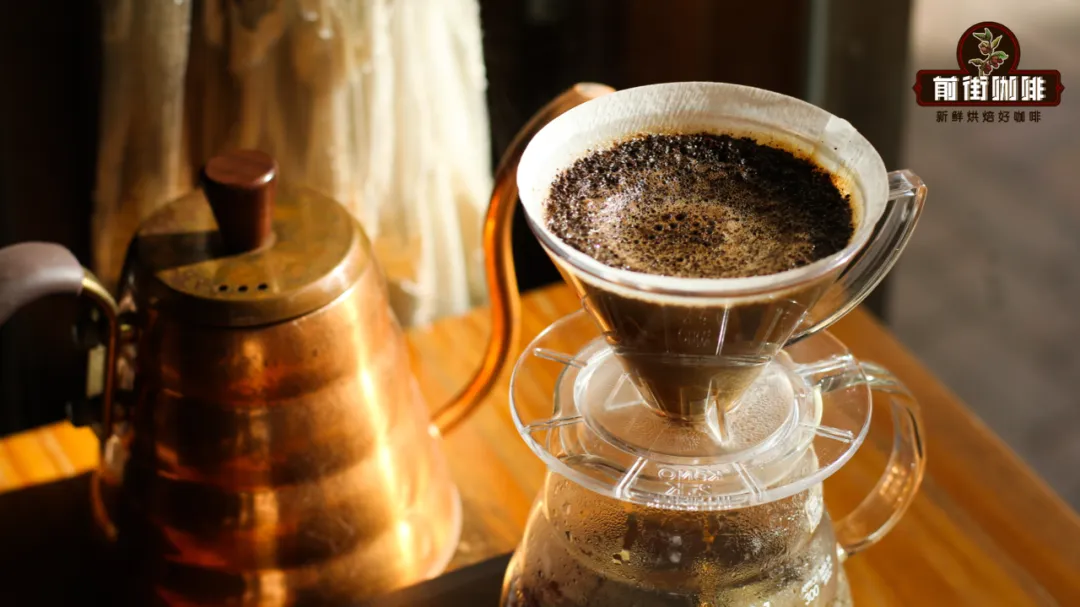
Pour-over coffee is cleaner on the palate, with more distinct layering and more prominent flavors. By contrast, siphon coffee leans toward a fuller body, with a richer aroma and a more solid taste. Many friends must be curious why there is such a big gap between the two. So today, Front Street Coffee will discuss exactly what causes siphon and pour-over to produce such different coffee. 1. Differences in Extraction Method The extraction method used in pour-over coffee is mainly "drip filtration," commonly known as "filtered" brewing. While hot water is poured in to extract the coffee, the coffee liquid also seeps out through the paper filter, and this method is called drip filtration. Observant readers may notice that Front Street Coffee says "mainly" here rather than "entirely." That is because pour-over brewing also involves a certain immersion phase during the process, so the water does not simply wash over the coffee grounds and leave immediately, but briefly stays for a moment before passing through the paper filter and seeping out. Therefore, pour-over coffee cannot be considered a purely drip-filtration extraction.
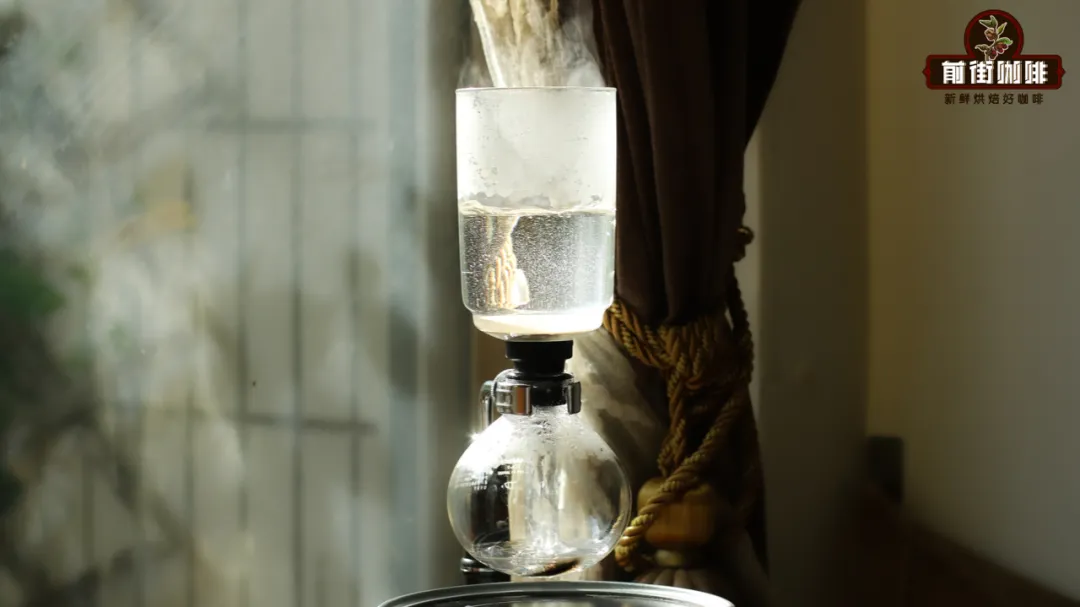
Perhaps many friends assume that the extraction method of siphon coffee is simply "siphon extraction," but this is actually incorrect. The siphon only uses the siphon principle to draw hot water up into the upper chamber, and this process is not used for coffee extraction.
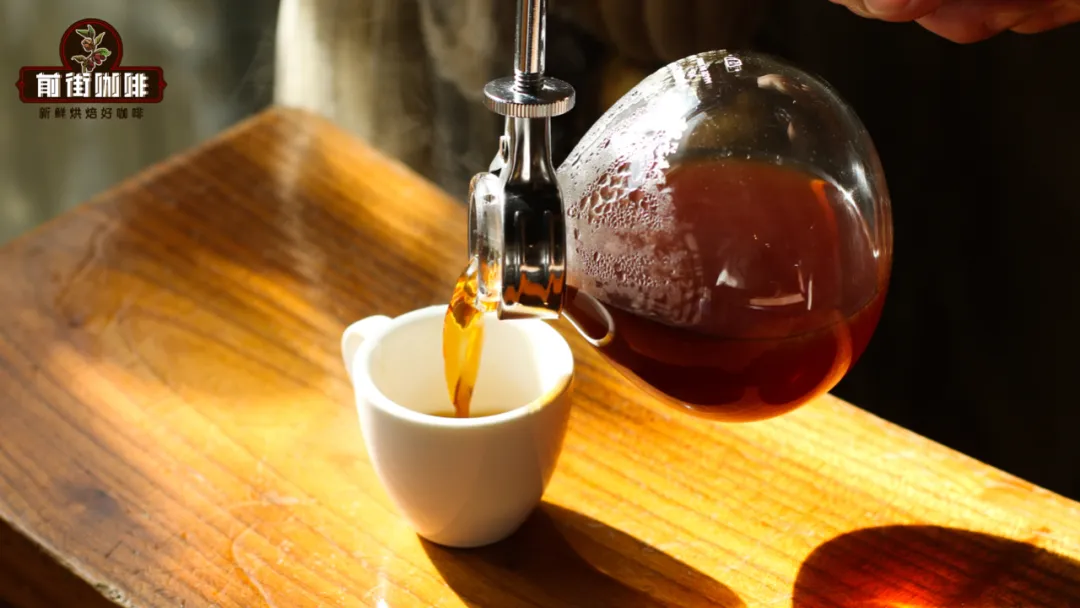
After the hot water is drawn up into the upper chamber, coffee grounds are added for immersion, and only then does extraction officially begin. So strictly speaking, the extraction method of siphon coffee should be classified as "immersion." By allowing water and coffee grounds to fully immerse, the flavor compounds in the grounds are extracted.
The above content is compiled by CoffeeHunters, a coffee news website.


