







Search Results for: Espresso roast level
Should you choose a dark roast or light roast for espresso beans? Analyzing the roast level differences in espresso blends
Should espresso beans be dark roasted or light roasted? This is a question many friends who are preparing to open a coffee shop or have just been introduced to espresso often ask. This article draws on the practical daily experience of Front Street Coffee to answer core questions such as which beans are recommended for espresso, how medium and light roasts affect espresso extraction, and how coffee roast levels are defined. It introduces in detail the formulation approach and flavor performance of Front Street Coffee's Sunflower Warm Sun espresso blend, helping readers understand why espresso blends generally use medium or darker roasts, and the problems of thinness and sharp acidity that light-roasted beans may encounter when used for espresso, providing coffee lovers with a practical reference for choosing beans. [more…]
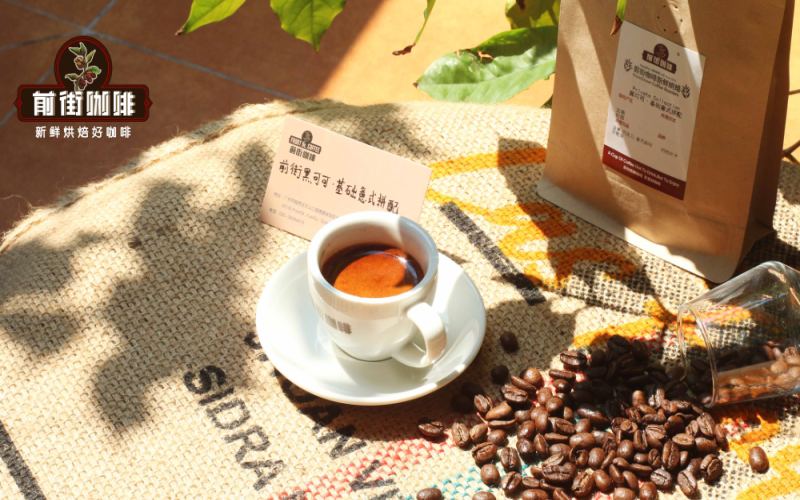
In-Depth Analysis of Espresso Blend Coffee Beans: Blending Logic, Roast Level, and Five Front Street Coffee Recipe Recommendations
Espresso is the soul of a latte, and behind a delicious latte there is often a carefully crafted espresso blend. Why blend? How do different origins and roast levels affect flavor? This article starts from the purpose of blending, origin selection, and roast level to systematically sort out the logic of espresso blend combinations, and shares the recipe characteristics and suitable scenarios of five Front Street espresso blends, covering rich and mellow, floral and fruity, nutty, commercial-style, and entry-level basic options, helping coffee lovers more clearly understand the thinking behind selecting espresso beans. [more…]
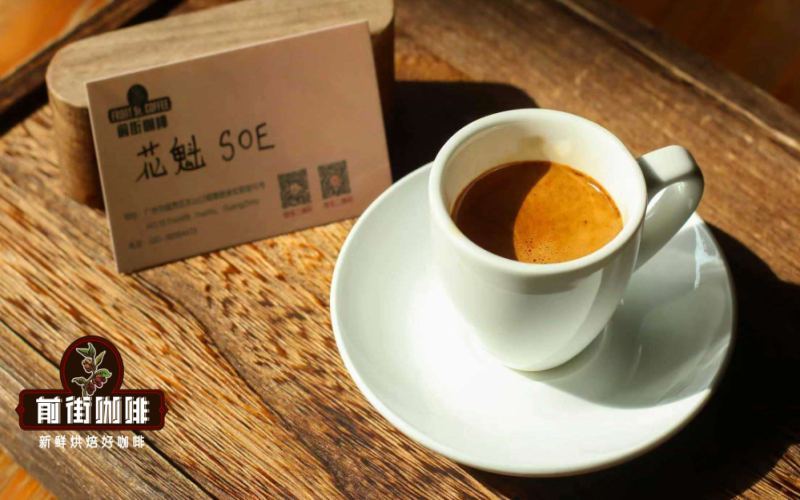
How to Choose SOE Espresso Beans? Weighing Regional Flavors Through Roast Level and Crema Performance
SOE is short for "Single Origin Espresso," referring to espresso made from a single-origin coffee. Its core idea is to amplify the distinctive flavors of a particular region through the espresso format. However, not all coffee beans are suitable for SOE—the roast level directly affects the richness of the crema and the flavor direction. This article compares three everyday beans: a light-roast Yirgacheffe, a medium-roast Brazil, and a dark-roast Mandheling, observing differences in crema performance under identical extraction parameters. This will help you understand why medium to medium-dark roasted beans are more recommended for everyday espresso making, and what kind of people light-roast SOE suits. We will also discuss the limitations of SOE and the value of blend options. [more…]
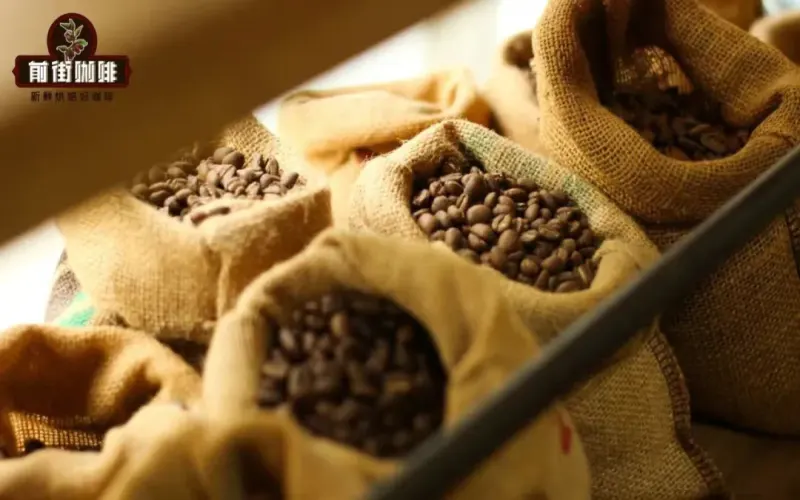
What Are the Differences Between Espresso and Pour-Over Coffee Beans? A Comprehensive Analysis from Roast Level and Extraction Method to Single-Origin and Blends
Friends who are new to coffee often feel overwhelmed by the dazzling array of bean labels and don't know how to choose the coffee beans that suit them. In fact, the differences between espresso beans and pour-over beans are not as complicated as imagined. The core difference lies mainly in the roast level—espresso beans tend to be dark-roasted, while pour-over beans tend to be light-roasted, and this difference stems from the different extraction methods. Once you understand the characteristics of pressure extraction and drip extraction, you'll see why some beans are better suited for espresso and others for pour-over. This article will also clarify common misconceptions about single-origin versus blends, and explain the quality logic behind price differences, helping you make more suitable choices under different extraction methods. [more…]
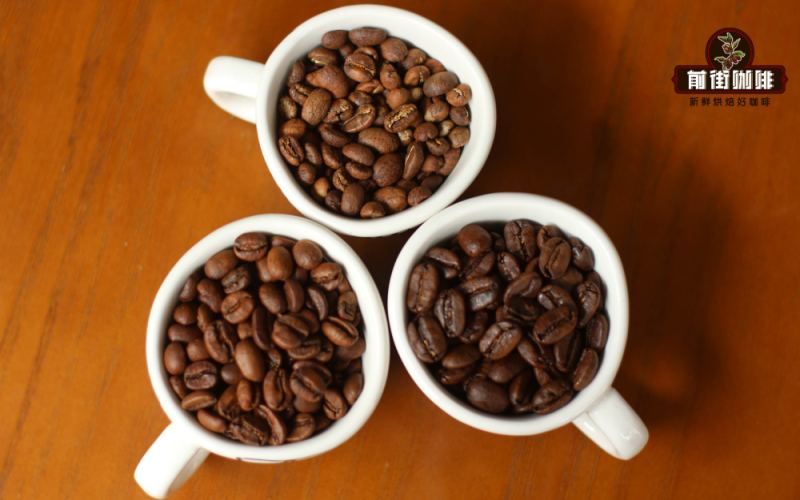
Espresso Blend Coffee Bean Roast Level | Are Espresso Beans Suitable for Pour-Over Coffee? Espresso Blend Philosophy and Roast Curve Reference
For more specialty coffee knowledge, please follow: Front Street Coffee (Frontsteet Coffee). The roast level of coffee largely determines the flavor direction of the coffee. When we buy coffee, the label will indicate what roast level it is, such as light roast or dark roast—these are fine. [more…]
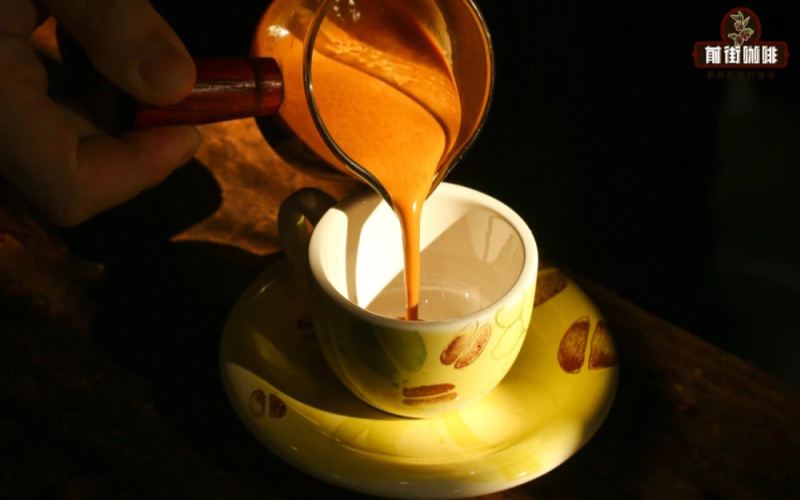
What roast level should you choose for espresso beans? A full analysis of crema and flavor when extracting dark roast beans at home
To make a cup of espresso with golden, dense crema at home, choosing the right roast level for your coffee beans is key. Espresso machines extract coffee under high temperature and pressure, which amplifies the beans' character. Light-roasted beans tend to develop sharp acidity, while medium-dark roasts can develop richer caramelized aromas and ample carbon dioxide, forming a fine brown foam during extraction. This article focuses on the Italian roasting style, outlining the relationship between roast level and flavor, and compiles five popular espresso blends of the year, covering different needs such as rich and mellow, fruity and tangy, nutty notes, commercial use for cafés, and high cost-effectiveness, helping home enthusiasts find a suitable everyday bean. [more…]
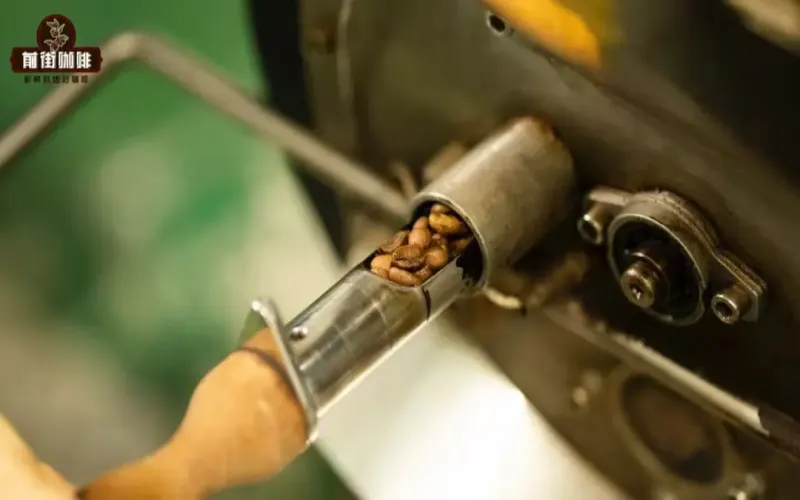
Why Do Espresso and Pour-Over Coffee Beans Have Different Resting Periods? Analyzing Degassing Time Differences from Roast Level and Extraction Method
Should you brew coffee beans immediately after buying them? Why can filter coffee beans be used after resting for three to five days, while espresso beans need to wait a few more days? Behind this are multiple factors involving carbon dioxide release, roast level, and extraction method. This article starts with the basic principles of the resting period, then explains one by one the two main reasons espresso coffee beans need a longer resting time: first, espresso beans are generally roasted darker, so they accumulate more carbon dioxide inside; second, espresso uses pressure extraction, with an extremely fine grind and very short time, so insufficient degassing will noticeably amplify its interference with the extraction result. The article also combines specific beans such as Front Street Coffee Huakui to give resting recommendations for different uses, helping you brew consistently delicious coffee at home. [more…]

Espresso Coffee Bean Buying Guide: Blends vs. Single Origins, Roast Levels, and Answers to Common Questions
Espresso is both a brewing method and the name of a coffee beverage, making it one of the most familiar coffee types among the general public. However, precisely because of its popularity, beginners often have many questions: How do you select and store espresso beans? Which is more suitable for espresso, a blend or a single origin? How does the roast level affect the final cup? Does an espresso blend count as specialty coffee? Is sourness in espresso normal? This article will address these common questions one by one, drawing on Front Street Coffee's store experience and product examples to help coffee lovers build a clear framework for understanding espresso beans, offering practical guidance from bean selection and storage to controlling extraction consistency. [more…]
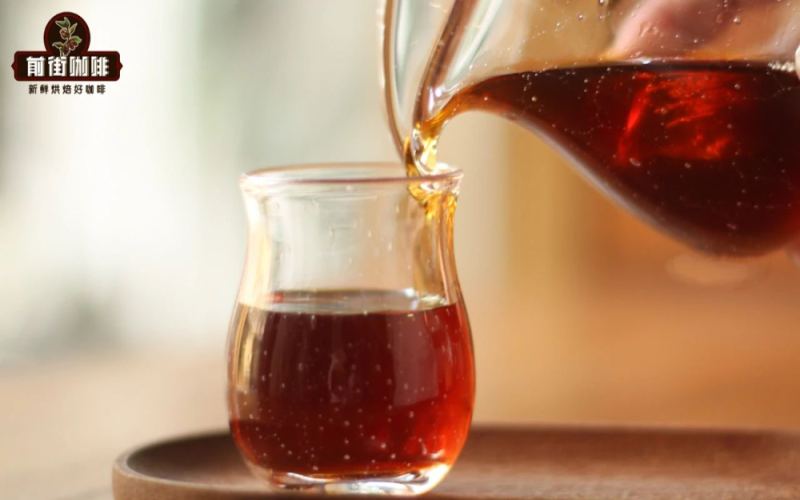
Flavor Differences of Espresso Made from Coffee Beans of Different Roast Levels and Analysis of Why Blends Produce Rich Crema
The final expression of a cup of coffee is the result of the combined effects of origin, variety, processing method, roasting, and brewing, among which the roast level directly affects the balance of acidity and bitterness as well as the flavor direction. In the context of espresso, the three roast levels—light, medium, and dark—bring about distinctly different extraction performances: light-roasted beans retain more origin flavors and organic acids, but are difficult to extract and produce thin crema; medium-roasted beans balance acidity and bitterness, making them suitable for those seeking a harmonious taste; dark-roasted beans, with their high body and rich crema, become the ideal choice for espresso. This article takes several Front Street Coffee beans as examples, using actual extraction parameters and flavor descriptions to systematically analyze the differences in how various roast levels perform in espresso, and explains the principle behind why blended coffee has richer crema. [more…]
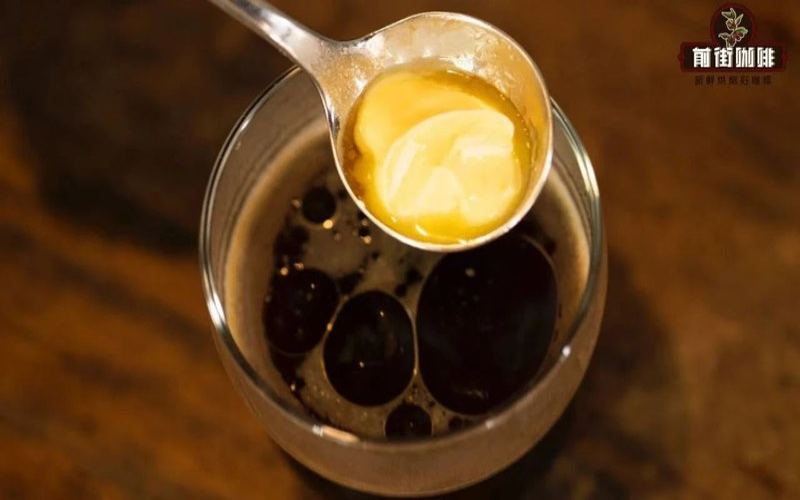
Choosing the Roast Level for Espresso Beans: How to Drink Light, Medium, and Dark Roasts
The roast level of espresso beans determines whether the espresso tastes more like fruit, caramel, or dark chocolate. It also affects the body of the coffee liquid, its sweetness, and how it blends with milk. When choosing, you can first look at whether the package says light, medium, or dark roast, then consider whether you usually drink espresso, Americano, or latte, and the range will [more…]
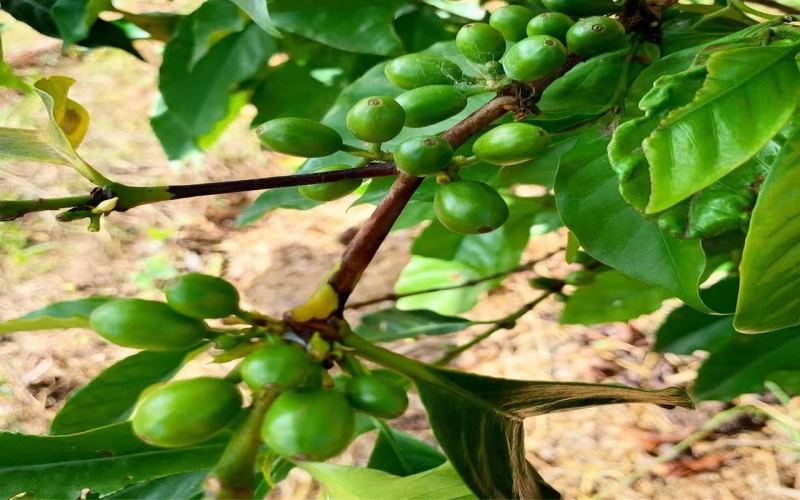
Making Espresso More Palatable: How to Judge the Roast Level of Espresso Beans
The roast level of espresso beans directly affects the acidity, sweetness, bitterness, aroma, and body of the shot. When faced with labels like light roast, medium roast, and dark roast, first think about the cup of coffee you usually drink: do you want bright fruity acidity and clear aroma, or do you prefer a cocoa-like richness and smoothness? Then decide on the roast direction for the beans. Light [more…]
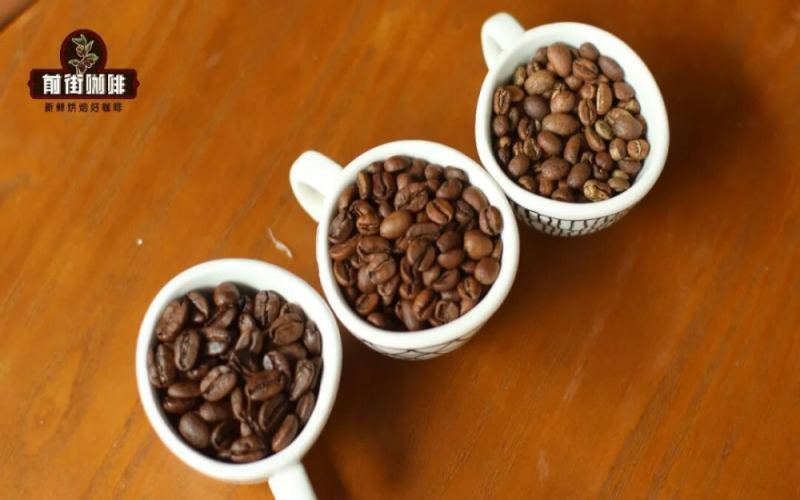
How Does Roast Level Determine SOE Performance? Why Light and Dark Roasts Are Unsuitable for Espresso
Roast level is one of the key variables affecting the direction of coffee flavor. From green beans to the cup, the roasting stage determines roughly thirty percent of the final taste. From the perspective of Front Street, this article sorts out the Maillard reaction and caramelization reaction that occur in coffee beans during roasting, explains the flavor characteristics presented by light, medium, and dark roasts, and focuses on answering a common question: why are both light-roasted and dark-roasted beans considered not quite suitable for SOE? At the same time, drawing on several specific Front Street products, it offers bean types and extraction suggestions suitable for making single-origin espresso, helping coffee enthusiasts more clearly understand the matching relationship between roast level and espresso. [more…]
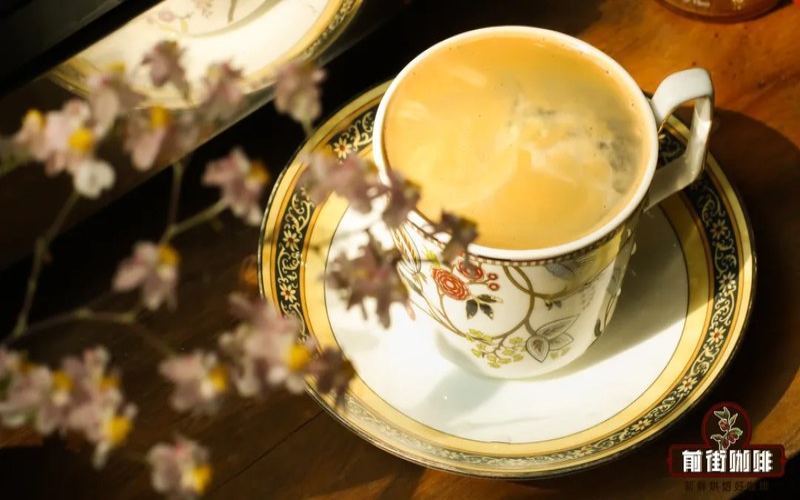
Choosing Espresso Beans by Roast Level: From Fruity to Cocoa Flavors
To make smooth espresso at home, you can start by looking at the roast level when choosing beans. It affects the aroma profile, body, and extraction speed of the coffee liquid, and also determines whether the beans can maintain a clear flavor when used in espresso, Americano, or latte. Whether you like bright fruity notes or prefer rich cocoa, you can usually find what you're looking for on the roast label. [more…]
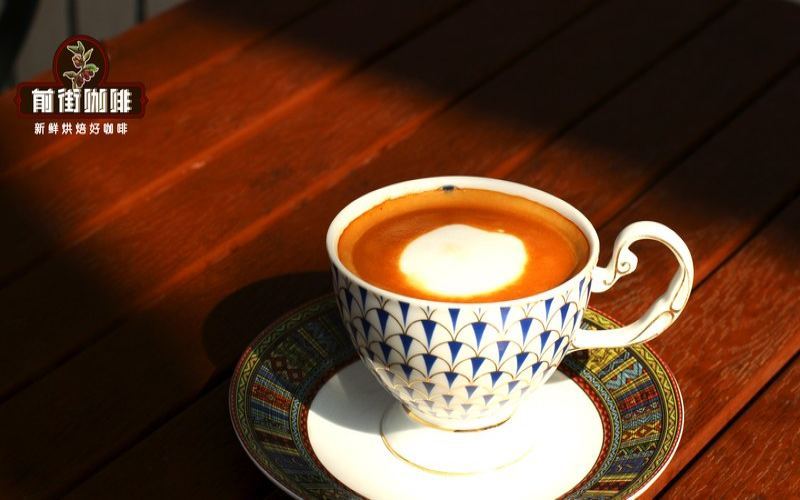
How to choose the roast level for espresso beans: espresso and milk coffee each have their own answer
The roast level of espresso beans determines whether the espresso leans closer to fruit juice, caramel, or dark chocolate on the palate, and it also affects how the coffee performs once milk is added. Light, medium, and dark roasts are not inherently superior or inferior to one another—what matters is the texture you want the coffee liquid to have, and whether you usually drink Americano, espresso, or latte. Light [more…]
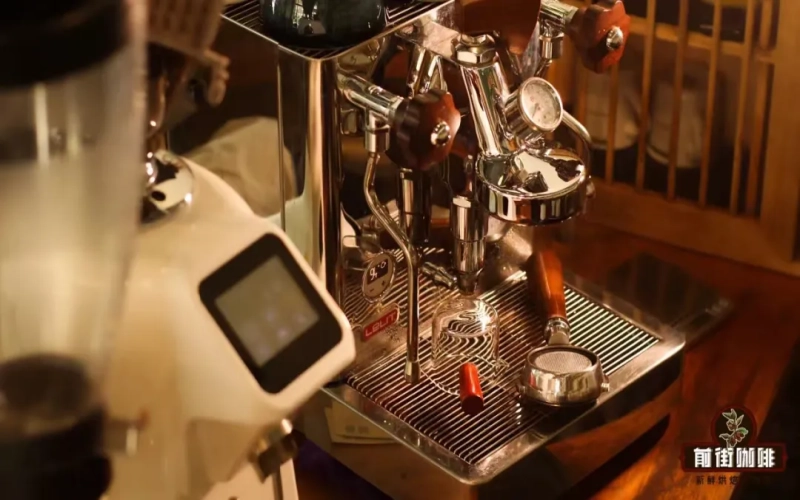
What coffee beans go with espresso? From roast level to blend choices, Front Street Coffee recommends four medium-dark roast beans.
To make a delicious espresso at home with a steam espresso machine, choosing the beans is the first step. Espresso is especially sensitive to the roast level; lightly roasted beans tend to taste sour, astringent, and thin under high pressure, so cafes generally use medium-to-dark roasted blend beans. Why are blend beans better suited for espresso? How do single-origin beans and blend beans each perform when made into espresso? Front Street Coffee, based on popular tastes, has launched four medium-to-dark roasted espresso blends—Warm Sun, Specialty, Commercial, and Dark Cocoa—covering different styles such as winey, nutty, full-bodied, and slightly acidic. This article will also share reference parameters of 20g of grounds extracted to 40g of liquid in 25-30 seconds, as well as a little trick for judging the extraction state by the color of the crema, to help you find an espresso recipe suited to your own machine. [more…]
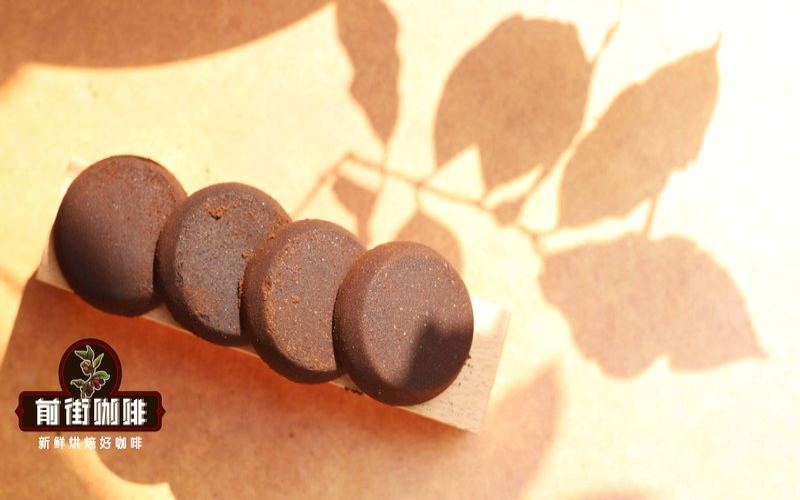
How to choose espresso beans by roast level
Even with the same espresso, light-roast beans can produce bright fruity notes, medium roasts are more likely to deliver caramel-like sweetness, and dark roasts bring cocoa, nuts, and a fuller body. When choosing beans, look at the roast level first, then picture how they will taste as espresso, americano, or milk coffee—this is usually more reliable for finding a match than focusing only on the region name. [more…]

How to Choose Between Espresso Blends and SOE: Judging Flavor and Brewing Method by Roast Level
When comparing espresso blends and SOEs side by side, you can't just look at the labels "blend" or "single origin"—the roast level often determines the character of the cup more quickly. Also used for espresso machines, a light roast tends toward bright fruit acidity, a medium roast emphasizes sweetness and balance, and a dark roast brings cocoa, nuts, and a fuller mouthfeel. [more…]
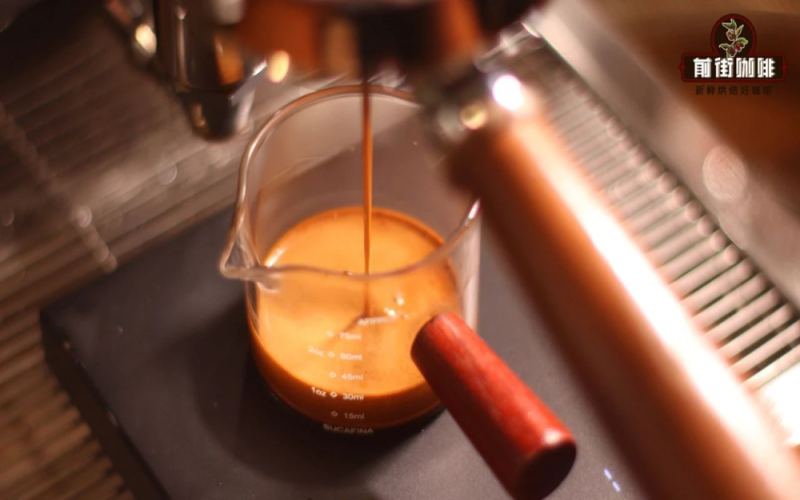
Can espresso blend beans be used for pour-over? Analysis of dark roast coffee flavor characteristics and Front Street Warm Sun blend
Many coffee enthusiasts encounter a question when selecting beans: Are coffee beans labeled as espresso blends and dark roast actually suitable for pour-over? To answer this question, we need to start with the classification of coffee roast levels. What exactly do terms like French roast, Italian roast, and City roast represent? What flavor characteristics correspond to different roast levels? From the perspective of Front Street Coffee, this article systematically sorts out the Agtron color values and drop timing for each roasting stage, and shares the development ideas, roasting curves, and espresso extraction plans for Front Street Sunflower Warm Sun Blend, helping you understand the differences in performance of dark-roasted beans in both pour-over and espresso scenarios. [more…]
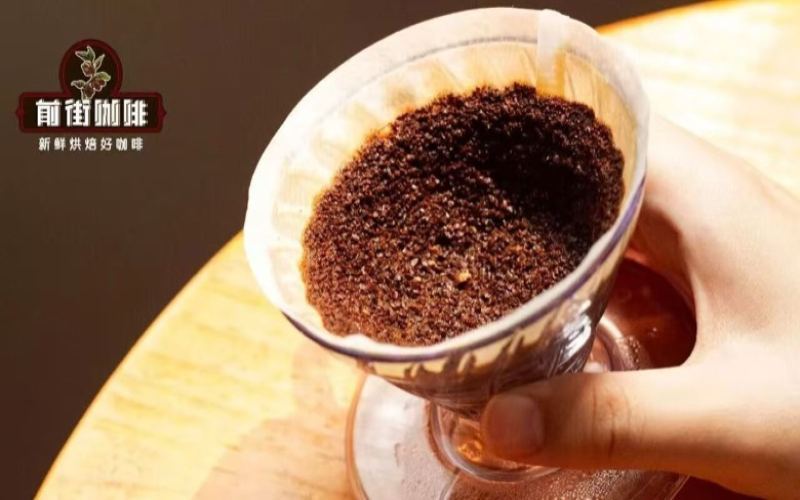
Choosing Espresso Beans by Roast Level: A Buying Guide from Light and Refreshing to Rich and Intense
Italian coffee beans do not correspond to just one flavor; when the roast level changes, the acidity, sweetness, aroma, texture, and aftertaste in the espresso all shift their emphasis. Those who enjoy short espresso shots may care about the impact on the first sip; when making a latte or cappuccino, the focus is more on whether the coffee still has a presence after passing through the milk. Before buying, first think clearly about the cup [more…]
Choosing Espresso Blend Beans by Roast Level: From Bright Acidity to Full-Bodied Richness
When making espresso, the roast level of a blend directly affects the flavor, texture, and suitable drinking occasions of the shot. Light roasts more easily preserve bright acidity and fruity notes, medium roasts bring sweetness, aroma, and body to a more balanced position, while medium-dark and dark roasts lean closer to nutty, cocoa, and roasted tones. For those just getting into espresso, [more…]