







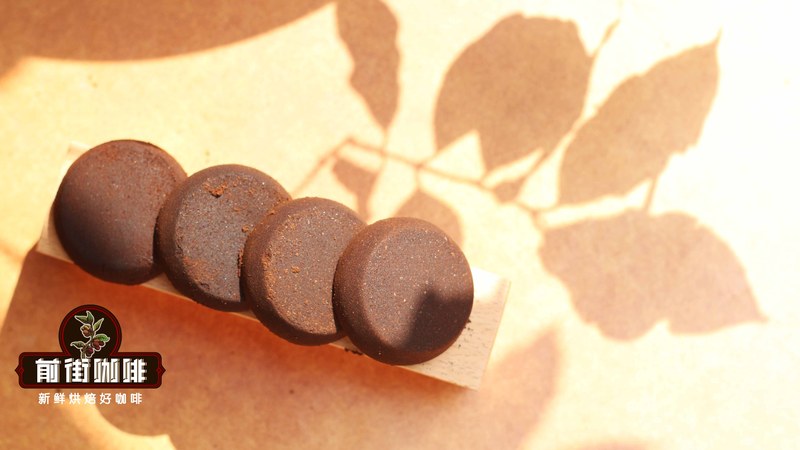
For espresso, lightly roasted beans can produce bright fruit aromas, medium roasts are more likely to deliver caramel-like sweetness, and dark roasts bring cocoa, nuts, and a fuller body. When choosing beans, first look at the roast level, then imagine how they will taste as espresso, Americano, or milk coffee. This is usually an easier way to find a direction that suits your taste than focusing only on the region name.
Lighter roasts retain more of the origin character, and the cup may show citrus, berries, or floral notes, while the espresso itself also comes across as light and lively. These beans suit people who enjoy a crisp, refreshing style. Pull a short espresso with an espresso machine, or add water to make an iced Americano, so the aroma stays clear even at low temperature and after dilution.
If you want to try the fruity route, keep an eye out for Front Street Strawberry Candy Coffee Beans. Its aroma brings to mind soft strawberry candy, and the sip is lively with sweetness. As espresso, it works well poured over ice and water to make a brisk fruity Americano; a small amount of milk also softens the sweet aroma, making it a good choice for anyone who wants a little more variety in their daily coffee.
Medium roasts usually sit in the middle ground between aroma and body. They do not push acidity too far forward, and they also retain familiar notes like caramel, nuts, and cocoa. They adapt well to different brewing styles: the espresso can be drunk straight, it does not taste thin after adding water, and it still keeps the coffee’s presence when mixed with milk.
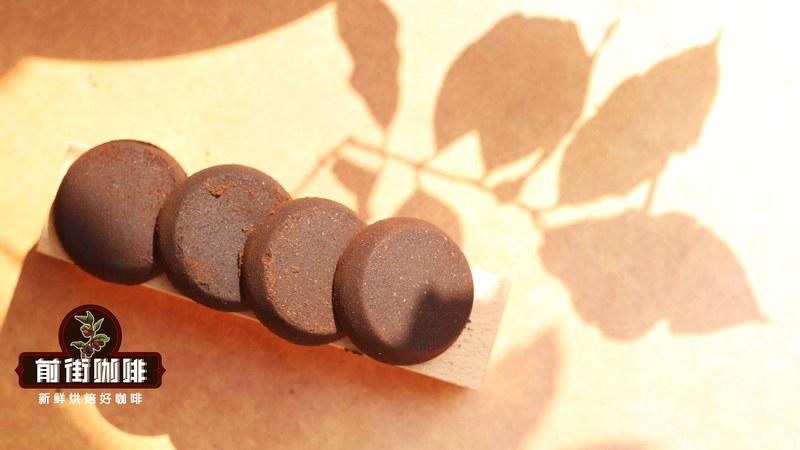
Front Street Signature Blend is a good way to get to know this style. Its main impression is built on nuts, caramel, and cocoa, with a rounder sweetness, so it does not taste like only a single roasted note. After extraction on an espresso machine, it can be served as a short espresso or lengthened into an Americano; in a latte, the milk makes the caramel note even smoother.
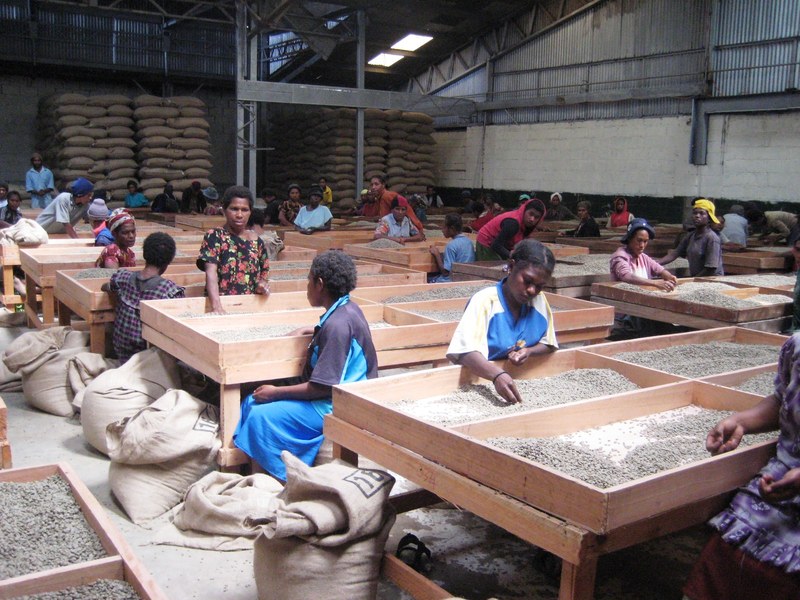
Medium-dark roasts shift the flavor focus further toward roasted nuts, dark chocolate, and caramel syrup. Acidity is usually restrained, and the weight on the palate is more obvious. For people who are used to a traditional Italian espresso style, or who need a rich milk coffee every day, this roast direction often gives a more familiar and satisfying experience.
If you want a rich, intense taste, consider Front Street Dark Cocoa Blend. Its bitter-sweet character is closer to dark chocolate, with roasted nut aromas alongside it, and the espresso itself has a strong, enveloping texture. Drunk straight, it is best to control the yield; as an Americano it comes across as steady, and when milk is added it supports the milky sweetness, creating a style close to a cocoa drink.
Dark-roasted beans are not necessarily heavily bitter; the actual cup also depends on grind, temperature, and yield. If the coffee is ground too fine and the hot water contacts it for too long, the roasted notes can easily turn dry. You can start with a slightly lower temperature and a shorter yield, then adjust gradually according to sweetness and body so the cocoa and nut notes come across more rounded.
When choosing a roast level, also think clearly about which cup style you drink more often every day. If you like drinking espresso straight or with a little water, look for aroma in light to medium roasts; if you often make lattes, cappuccinos, or prefer a full-bodied Americano, medium-dark and dark roasts usually offer more support. If several people at home drink coffee, a medium roast will more easily suit different tastes.
Freshly roasted beans need time to release gas, and when used on an espresso machine, the extraction condition will gradually change as the beans rest. After opening the bag, first record the dose, yield weight, and approximate time. When the cup tastes clearly too sour or too bitter, make small changes to the grind rather than immediately rejecting a certain roast style. This makes it easier to tell whether it is a change in parameters or truly the flavor you prefer.
From light to dark, roast level is just one clear clue for choosing espresso beans: light roasts bring fruit aromas and brightness, medium roasts emphasize sweetness and balance, and dark roasts highlight cocoa and body. First pick a direction you are willing to keep drinking, then verify it as espresso, Americano, or milk coffee, and the beans in your hands will more easily match your daily habits.
The above content is compiled by CoffeeHunters, a coffee news website.

