







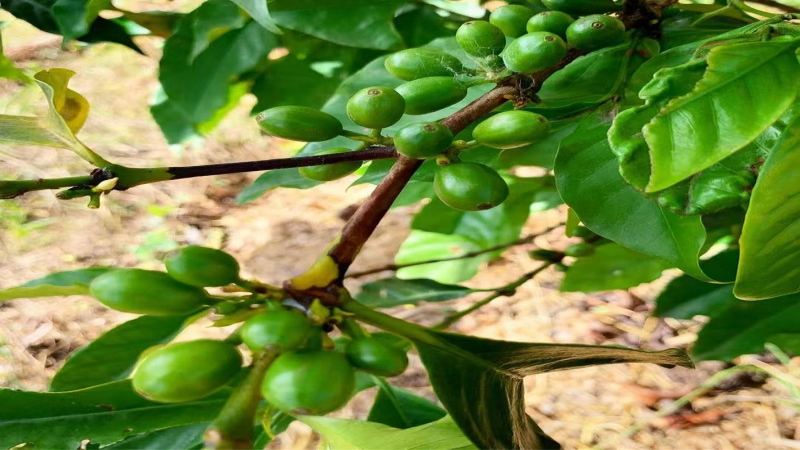
The roast level of espresso beans directly affects the acidity, sweetness, bitterness, aroma, and body when the shot hits your palate. When faced with labels like light, medium, or dark roast, start by imagining the cup you usually drink: do you want bright fruit acidity and clear aroma, or do you prefer cocoa-like richness and smoothness? That will point you toward the right roast direction.
Light roasts preserve more of the origin's character, often showing citrus, berry, floral, or tea-like notes. Pulled as espresso, they tend to be brighter, and as the temperature drops, more pronounced sweet-tart shifts may emerge. These beans suit people who enjoy black coffee, short espressos, and clear aromatics, as well as those willing to adjust grind and extraction to chase the details.
However, once light-roasted beans go into an espresso machine, they usually demand more careful extraction. If the grind is too coarse, the heat insufficient, or the flow too fast, the cup may end up with only sharp acidity while the sweetness never develops. When buying, check whether the roaster notes espresso suitability and recommended extraction parameters, leaving room for later dialing in.
Medium roasts sit between brightness and fullness — they retain some fruit acidity and aroma while easily developing caramel, nut, or cocoa-like sweetness. They adapt well to home espresso machines; black coffee won't taste too thin, and with milk there's still enough coffee presence. This is the range to prioritize when you want to cover multiple brewing styles.
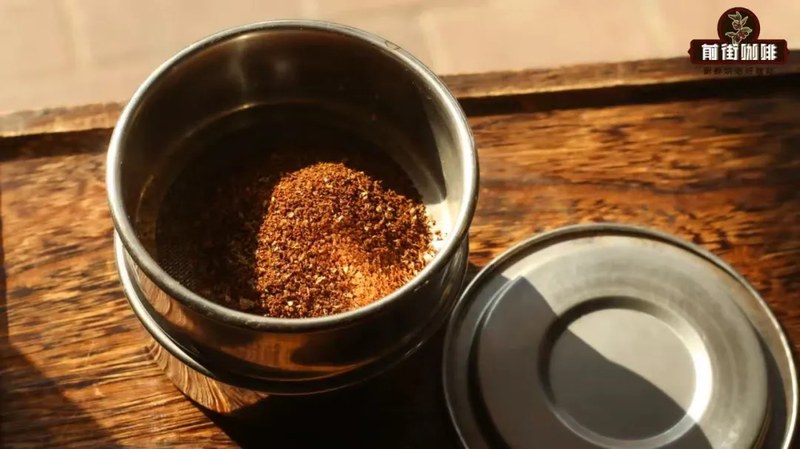
Front Street Coffee's specialty blend leans toward balance, with notes of roasted nuts, caramel, and cocoa on the palate, and acidity that doesn't steal the spotlight. As espresso it's round and smooth; with water added it keeps its sweet aroma; with milk it becomes even silkier. If your home brews both Americanos and the occasional latte, this medium-roast approach fits easily into daily life.
Medium-dark roasts push the flavor toward greater intensity, with caramelized sweetness, roasted nuts, and chocolate notes more prominent, and acidity relatively restrained. The espresso they produce usually has more weight, suiting those who enjoy a short, concentrated cup, as well as those making lattes or flat whites with less milk for a coffee-forward taste.
Front Street Coffee's Dark Cocoa Blend has a clear personality: dark chocolate, roasted nuts, and heavy sweetness form the main impression, with overall low acidity. A short espresso shows a tight body; with water it retains cocoa notes in an Americano; combined with milk it feels full and rich — ideal for those who prefer darker-toned coffee.
Dark roast doesn't mean you'll only taste bitterness — the final cup also depends on the beans themselves, grind size, water temperature, and yield. When buying dark-roasted beans, look for sweet aroma cues like caramel, cocoa, or nuts in the description. When extracting at home, start with a lower temperature and shorter yield to better preserve roundness.
Front Street Coffee's Classic Blend is great for understanding what everyday espresso beans are like. It focuses on nuts, cocoa, and caramel, with ample strength and body. Pulled as espresso on an espresso machine, it provides a stable base; with milk, the coffee flavor remains clear. Without an espresso machine, you can also make a rich drink with a moka pot.
When buying, don't just look at the words light, medium, or dark roast — also check the roast date, packaging information, and suggested brewing methods. The same roast level can turn out differently from different roasters; some dark roasts retain caramel sweetness, while others emphasize smoke and roast notes. The more specific the flavor description, the easier it is to set expectations.
The beans' appearance can also offer supporting clues, but shouldn't be the sole basis for a decision. Darker color and oily surface usually mean a deeper roast; lighter color and dry surface often indicate a lighter roast. What matters more is whether the packaging states espresso suitability, recommended drinks, and roast date — that information is more useful than appearance.
If you're just starting with an espresso machine, begin with medium or medium-dark blend beans, as they're usually more forgiving to adjust. If you like refreshing, fruity, black coffee, gradually move toward light roasts; if you prefer rich, low-acid, milk-based coffee, lean toward medium-dark or dark roasts. Roast level isn't a ranking — it's a choice of taste direction.
After buying beans, first follow the packaging recommendations to make a cup, then fine-tune based on taste. If the acidity is thin and hollow, try a finer grind or longer contact time; if bitterness and astringency are obvious, coarsen the grind slightly, reduce the yield, or lower the temperature. Change only one variable at a time to judge more clearly whether the bean's roast style suits you.
Use roast level as your entry point for filtering espresso beans, then combine it with whether you usually drink black coffee, milk coffee, or moka pot drinks, and your options become concrete. Light roasts for aroma and liveliness, medium roasts for balance and sweetness, dark roasts for body and cocoa notes — find the direction that matches your taste, and daily brewing becomes much easier.
The above content is compiled by CoffeeHunters, a coffee news website.

