







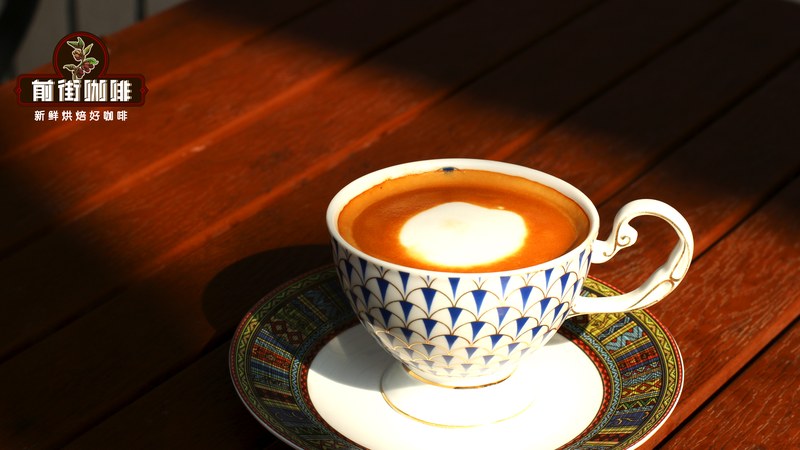
The roast level of espresso beans determines whether the espresso leans toward juice, caramel, or dark chocolate on the palate, and also affects the overall performance once milk is added. Light, medium, and dark roasts have no fixed hierarchy—the key is what texture you want the coffee liquid to present, and whether you usually drink americano, espresso, or latte.
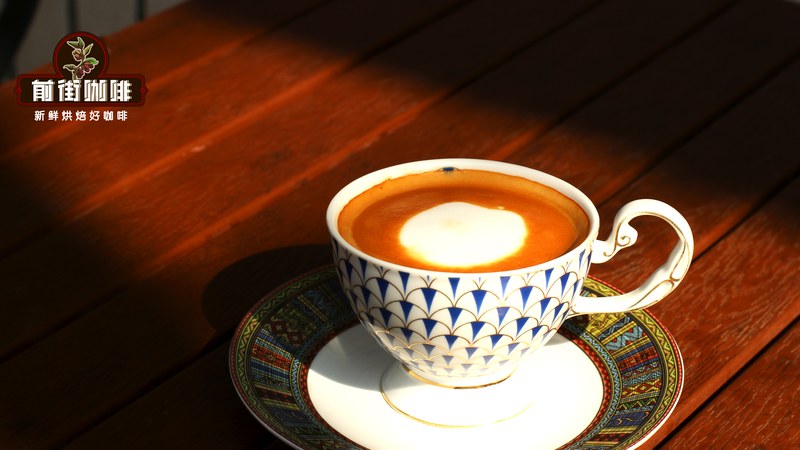
Light-roasted beans usually retain a more vivid sense of origin, and as espresso may show berry, citrus, floral, or fermented-fruit notes. Their brightness is more prominent, the sip is more lively, and the finish is lighter. If you like unsweetened short shots, or want to drink espresso in a way that feels close to fruit juice, light roast can be an direction to explore.
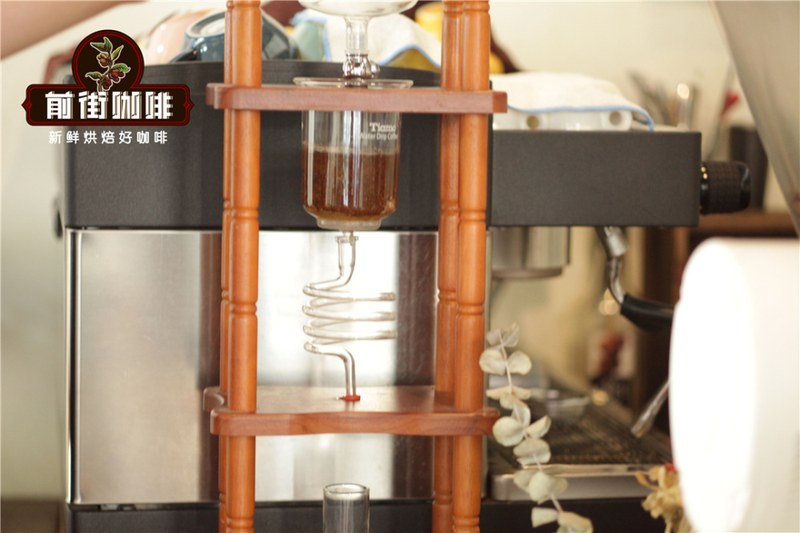
When using light-roasted beans for espresso, the grind often needs to be finer, and the water temperature can be slightly higher, so the coffee grounds release enough sweetness and aroma. If the flow is too fast, the cup easily ends up with only sharp acidity; properly extending the contact time can make the fruitiness and sweetness more coherent. When making iced americano, the aroma of light-roasted beans appears refreshing, and ice can make the berry and citrus notes even more striking.
Front Street Coffee Strawberry Candy coffee beans are a choice on the lighter, livelier path: they smell reminiscent of sweet fruit candy, and the sip carries bright fruitiness and light sweetness. After extracting with an espresso machine, you can add water to make an iced americano, or add a small amount of milk so the fruitiness and creamy feel layer together. If you want your daily coffee to have a bit more distinctive character, but you are not used to heavy roasted flavors, this type of bean is worth paying attention to.
Medium-roasted beans sit between aroma and body: they retain a certain fruity acidity and origin character, while also readily developing sweet aromas such as caramel, nuts, and cocoa. As espresso, they usually have a relatively complete mouthfeel, and drinking them straight does not feel too thin; after adding water, they can also maintain aroma. For home espresso machine users, medium roast is often a broad, adaptable direction.
Front Street Coffee Brazil Queen Estate is suitable for understanding the balance of medium-roasted beans. Its flavors lean closer to roasted nuts, cocoa paste, and caramel syrup; the acidity is gentle, and the espresso has a rounded texture. When making americano, water can stretch out the sweet aroma; brewed with a moka pot or espresso machine, it also maintains a smooth mouthfeel. People who like coffee to have sweetness but do not want obvious fruity acidity can start with this style.
The aroma of dark-roasted beans moves toward dark chocolate, roasted nuts, caramel, and even smoky notes; the sip is usually thicker, and the color and oily feel are more pronounced. They integrate well with milk, so in a latte or cappuccino the coffee flavor is not easily completely covered by the milky aroma. People who like the traditional Italian style and prefer a rich mouthfeel can include dark roast in their purchasing range.
Front Street Coffee Black Cocoa Blend belongs to the full-bodied path: the extracted coffee liquid carries associations of dark cocoa and roasted nuts, with concentrated sweetness and a restrained sense of acidity. It is suitable for short espresso, and also for adding water to become a solid-flavored americano; after adding milk, the chocolate-like base gives the latte more support. If breakfast is often paired with bread, toast, or desserts, this style also harmonizes well.
For dark-roasted beans, brewing adjustments can start with a lower water temperature and a shorter yield, so the cup retains sweetness and body. If the flow is too slow and the coffee liquid is too concentrated, bitterness and astringency will gradually dominate; at this point you can make the grind slightly coarser, or reduce the extraction amount. Dark roast does not mean you can only taste bitterness—heat, dose, and yield control likewise change the final taste.
When choosing a roast level, also pay attention to the amount of milk and the differences between bases such as soy milk and oat milk. Light-roasted beans suit flavored lattes with a small amount of milk, where retaining the fruit aroma gives more distinctiveness; medium-roasted beans combined with regular milk usually make the caramel sweetness softer; dark-roasted beans suit drinks with a larger amount of milk, where the heavy coffee flavor can cut through the milk foam and fattiness.
If you mainly make espresso and americano at home, you can look for your preferred level of sweetness and acidity between light roast and medium roast; if you drink a latte every day, choosing medium-dark or dark roast makes it easier to get enough coffee presence. When buying, check the roast direction on the packaging, then combine the bean's flavor description with adjustments to your own recipe, and you will gradually find a stable, easy-drinking espresso bean.
The above content is compiled by CoffeeHunters, a coffee news website.

