







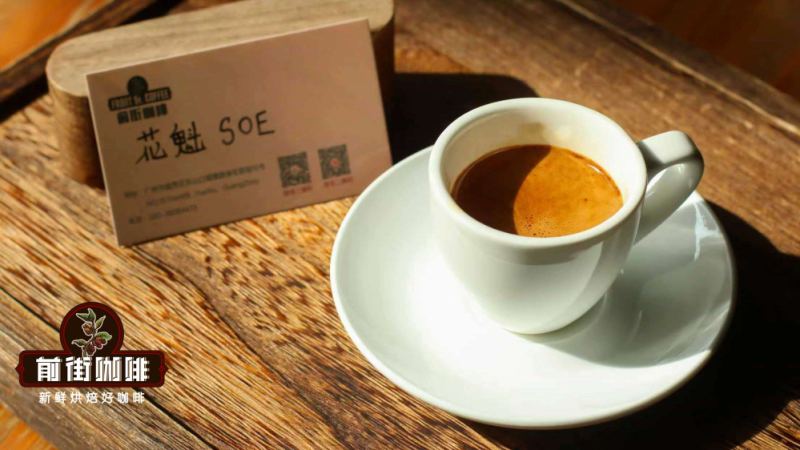
How do you pick SOE espresso beans for daily use?
SOE stands for Single Origin Espresso, espresso pulled from one origin to highlight that region's character. Not every bean suits it. A comparison of light-roasted Yirgacheffe, medium-roasted Brazil, and dark-roasted Mandheling under identical extraction parameters showed that medium to medium-dark beans give richer crema and are more reliable for daily espresso, especially when milk is added.
Espresso compresses extraction into twenty to thirty seconds, so crema quality matters. The golden layer traps carbon dioxide released by freshly roasted beans, and dissolved flavor compounds ride along with it, which is why roast level shapes the result. Light-roast SOE suits drinkers who want prominent acidity and origin character; blends remain the steadier option for consistency.
SOE is short for "Single Origin Espresso," referring to espresso made from a single-origin coffee, with the core idea of amplifying the unique flavors of a particular region through the espresso format. However, not all coffee beans are suitable for SOE—the roast level directly affects the richness of the crema and the direction of the taste. This article compares three everyday beans: light-roasted Yirgacheffe, medium-roasted Brazil, and dark-roasted Mandheling, observing the differences in crema performance under identical extraction parameters, to help you understand why medium to medium-dark roasted beans are more recommended for daily espresso making, and what kind of people light-roast SOE suits. It will also touch on the limitations of SOE and the value of blend solutions.
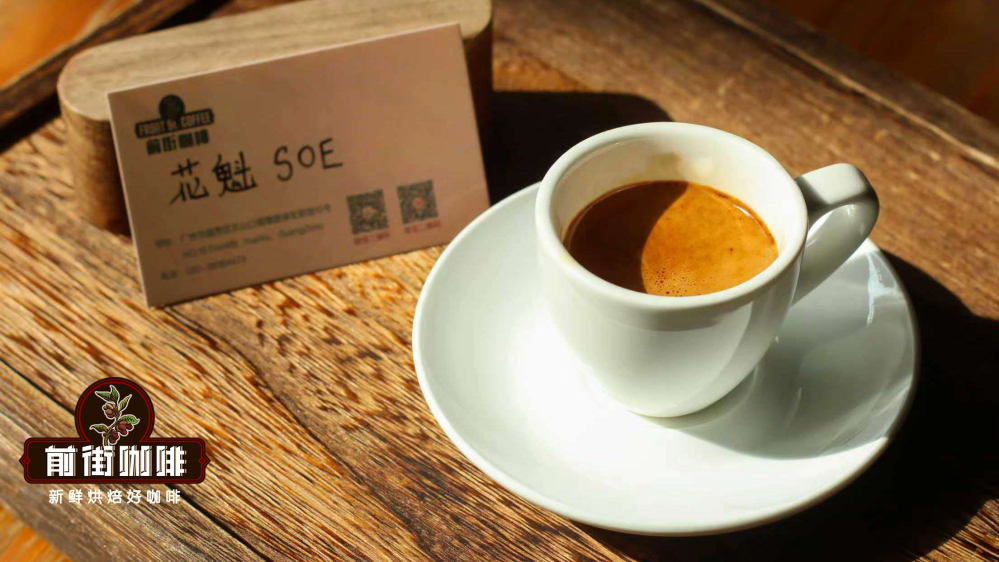
After the concept of "specialty coffee" became widespread, the signature flavors of various regions gradually became familiar to coffee enthusiasts, and SOE has grown increasingly popular in the coffee market. So, how do you choose a suitable SOE coffee bean?
SOE
SOE stands for "Single Origin Espresso," which translates to "single-origin espresso." It emphasizes amplifying the flavor characteristics of a specific origin, essentially using the espresso extraction method to express the personality of single-origin beans.
Since its emergence, SOE has carried the label of "prominent regional flavors," which means the beans selected need to have highly recognizable, memorable origin characteristics.
Espresso as a serving format, on one hand, amplifies the flavor characteristics of the region, making the aroma more concentrated, and on the other hand, it enhances the perceived intensity of acidity. Additionally, for most people, the purpose of making espresso is to pair it with milk, so the demand for crema becomes crucial.
Unlike pour-over and other drip methods, espresso needs to release most of its aroma compounds within just twenty to thirty seconds. The golden layer of Crema on the surface of the espresso—what we commonly call crema—besides the oils from the coffee beans themselves, also contains carbon dioxide released by freshly roasted beans.
The essence of crema is that the insoluble oils in the coffee beans trap carbon dioxide, and within that carbon dioxide, a large amount of flavor compounds is dissolved. Therefore, the richness of the crema determines, to a certain extent, the fullness of the espresso's flavor—sufficient crema is needed to support the flavor expression of a cup of espresso. This is also why freshly roasted beans show more prominent crema.
In other words, espresso typically requires a certain level of acidity, along with sufficiently good crema performance. So, setting flavor aside, what roast level of coffee beans is more suitable for making SOE espresso?
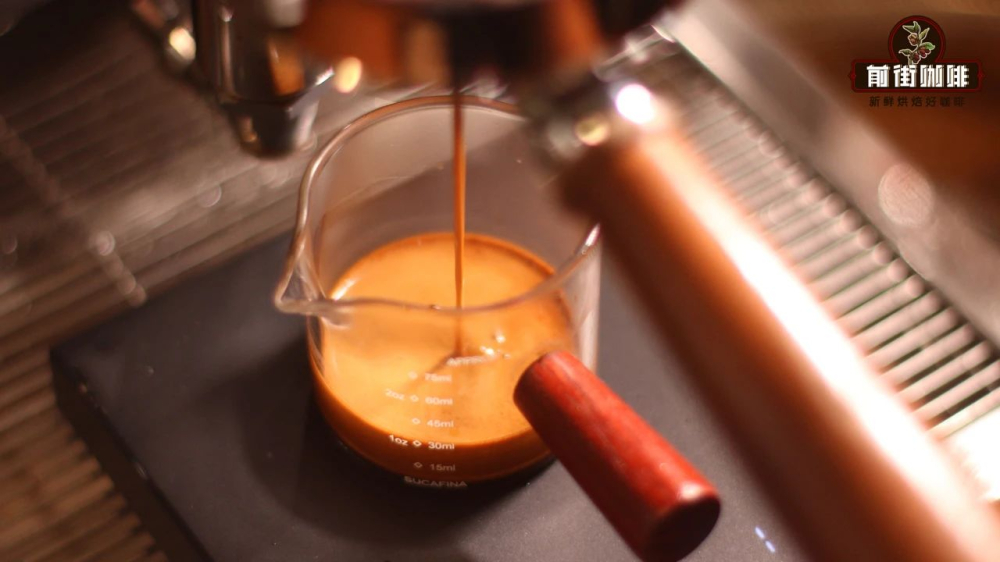
Here we use the standard espresso extraction recipe as a reference: extra-fine ground coffee, a dose-to-yield ratio controlled between 1:1.9 and 1:2, water temperature of 94°C, pressure of 9 bar, with the coffee liquid extracted within 25 to 35 seconds as the comparison baseline.
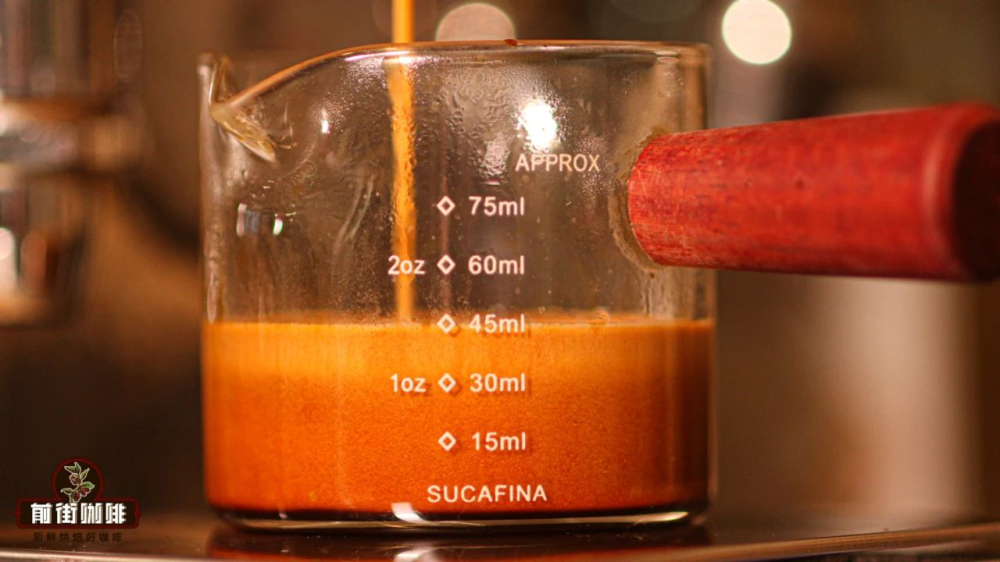
Front Street Coffee tested three everyday beans of different roast levels: light-roasted Yirgacheffe, medium-roasted Brazil, and dark-roasted Mandheling, each made into a standard espresso, comparing the crema richness at different roast levels.
From the results, under identical extraction parameters, the light-roasted Yirgacheffe had noticeably less crema than the medium-roasted Brazil and Mandheling, and a lighter color as well; the medium-roasted Brazil also had slightly less crema than the Mandheling. The ranking of crema richness was: Yirgacheffe < Brazil < Mandheling. This also explains why we tend to prefer medium or medium-dark roasted coffee beans when choosing beans for espresso in our daily routine.
Of course, this is a trade-off made from the perspective of crema requirements. Returning to the taste level, the light-roasted Yirgacheffe delivers a distinct citric acidity on the palate, but it dissipates quickly, with a short finish and a relatively thin mouthfeel.
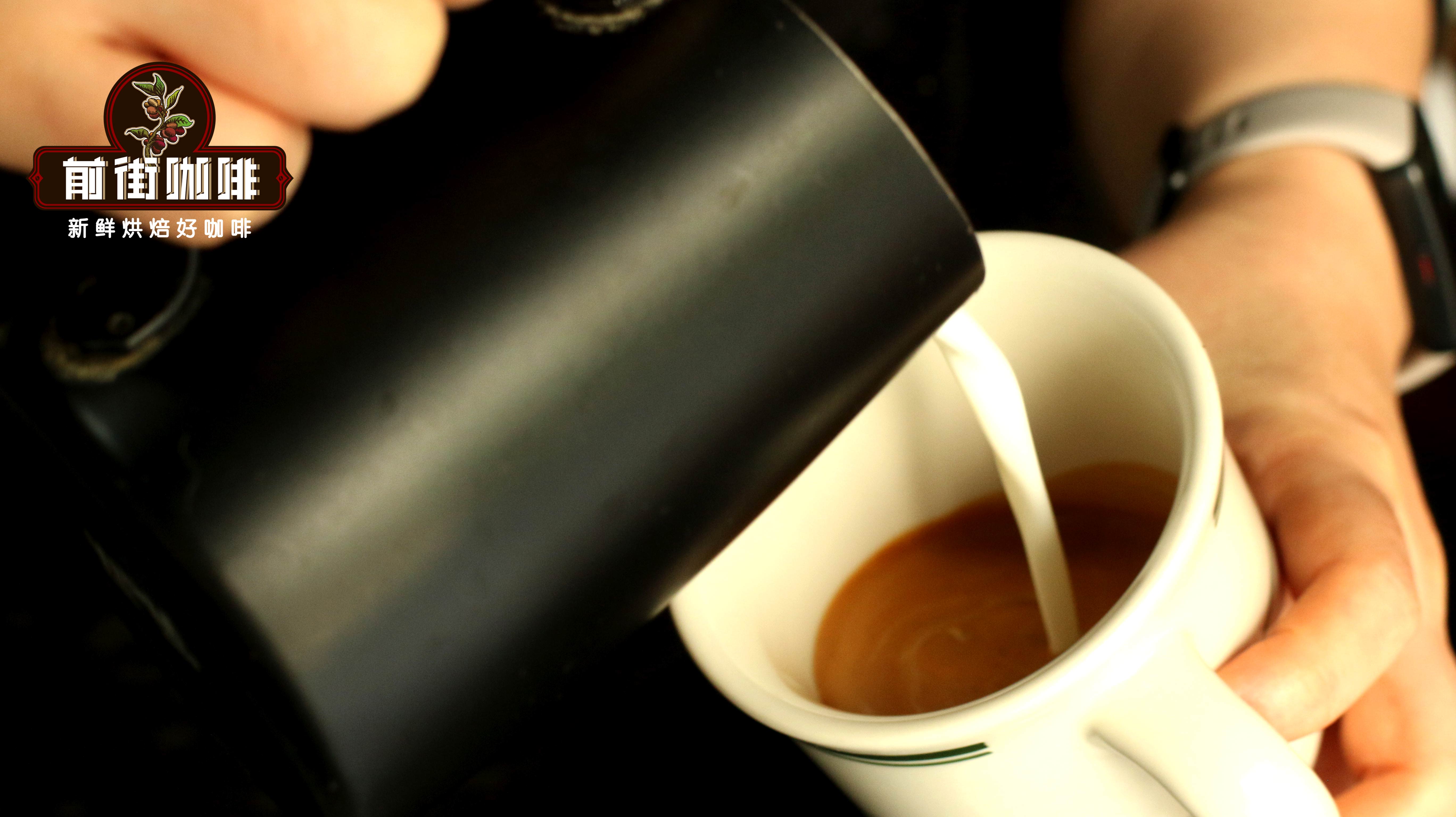
The medium and dark roasted Brazil and Mandheling, on the other hand, are overall more bitter, with a rich nutty-chocolate tone, more sweetness, a smooth and full mouthfeel, and a lingering sweet aftertaste. By comparison, Mandheling also has a hint of herbal notes in the tail end.
The light-roasted Yirgacheffe indeed doesn't have an advantage in terms of crema, but if what you're after is the acidity of espresso, then using light-roasted beans to make SOE is also perfectly fine. However, if you want a cup of SOE with rich crema and a smooth, full mouthfeel, Front Street's recommendation remains to use medium to medium-dark roasted coffee beans.
Although a high-quality SOE can present the taste of a single origin very well, its shortcoming lies precisely in that it can only reflect the flavor of a single region. For example, the light-roasted Front Street Yirgacheffe mentioned above—if you like its acidity and delicate floral notes but find it lacking in body and too thin in mouthfeel. If the roaster adjusts the roast profile according to your feedback to increase the body, then some of the fruity acidity and floral notes will be lost. And "blending" is precisely the most cost-effective way to resolve such contradictions—complementing and pairing flavor characteristics from different regions to achieve a more balanced taste.
The above is just a comparison using everyday beans with basic flavors. In actual practice, we tend to choose higher-priced single-origin specialty coffee beans as SOE options, such as the Front Street Sidra with grape and passion fruit flavors. These single-origin beans already possess outstanding aroma, and when presented through espresso, setting aside the crema requirements, most beans will perform quite impressively—the only downside being... too expensive!!!
If you want to go even more extreme, skipping everyday beans and even going beyond the scope of SOE to directly make a Geisha blend, the result is predictable. For example, Front Street's Costa Rica Blend Mirasu, medium-roasted to satisfy crema requirements, composed of outstanding specialty beans, presents a candy-like aroma under espresso extraction—not surprising at all.
Therefore, this article only approaches the topic from the angle of how roast level affects crema performance, making it clear that crema is a basic reference point, so as to understand why medium and medium-dark roasted coffee beans are recommended for espresso. And if you want a stronger acidity while being able to accept an SOE with less-than-ideal crema performance, then light-roasted beans might also meet your expectations.
The above content is compiled by CoffeeHunters, a coffee news website.


