







Search Results for: English expressions
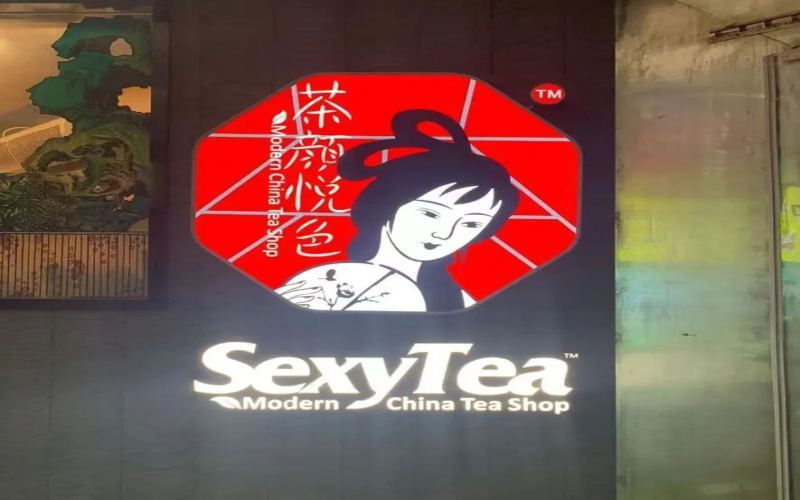
SexyTea, the English logo of Chayan Yuese, Sparks Controversy Again: An Expression of Charm or a Marketing Misstep?
Recently, Nanjing's third Chayan Yuese store sparked widespread discussion online for using "SexyTea" as its English signage. Some people believe the term clashes with the brand's classical and gentle tone, and may even be disrespectful to women; others feel that "Sexy" inherently means charming and attractive, and there's no need to overinterpret it. In fact, this is not the first time Chayan Yuese has fallen into controversy over its copy or signage. Previously, the "picking up scraps" cup copy prompted an apology for objectifying women. This article sorts out the sequence of events, various viewpoints, and regulatory responses, and includes professional coffee information channels for coffee enthusiasts and brand observers to reference. [more…]
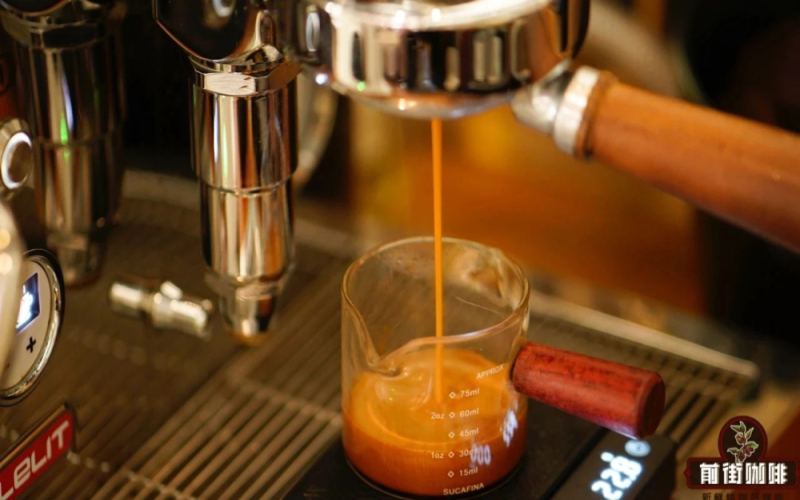
A Complete Collection of Coffee Names in Chinese and English: From Espresso to Iced Americano, Master Common Coffee Expressions in One Article
Walking into a coffee shop, do you often feel confused by the dazzling array of coffee names on the menu? Espresso, Cappuccino, CafeLatte, Americano... these seemingly familiar words—what coffee flavors do they actually correspond to? This article systematically compiles the Chinese and English names of common types of coffee, covering multiple categories such as Italian classics, French drip, iced coffee series, flavored cappuccino, Americano variations, single-origin coffees, and specialty blended coffees, totaling dozens of Chinese-English coffee comparisons. Whether you are a coffee enthusiast just starting out or a seasoned drinker looking to expand your knowledge, this list can help you quickly build a complete cognitive framework of coffee names. The article also specially includes product recommendations from Front Street Coffee, making it convenient for you, after learning the names, to find the corresponding good beans and experience them yourself. [more…]
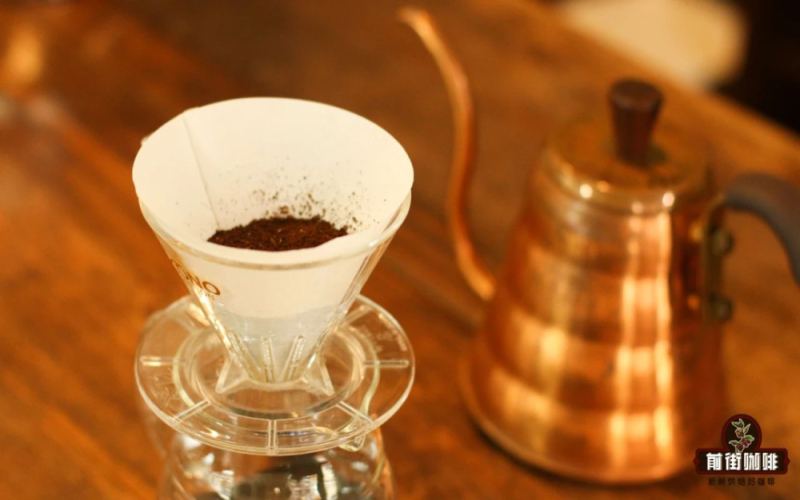
A Guide to Clarifying English Expressions for Pour-Over Coffee and Buying Entry-Level Single-Origin Beans
Pour-over coffee is one of the most common brewing methods in the specialty coffee world, yet its English name has several variations—pour over, hand drip, and filter coffee each have their own origins. This article begins with the origins of pour-over coffee, sorts out the differences between these English expressions, and then systematically introduces the equipment setup and brewing essentials for pour-over, including key parameters such as coffee-to-water ratio, grind size, and water temperature. At the same time, for enthusiasts who are just getting into pour-over, it compiles a beginner-friendly single-origin coffee bean recommendation list provided by Front Street Coffee, covering producing regions such as Brazil, Ethiopia, Panama, Costa Rica, and Colombia, helping novices find a flavor direction that suits them at a reasonable cost. [more…]
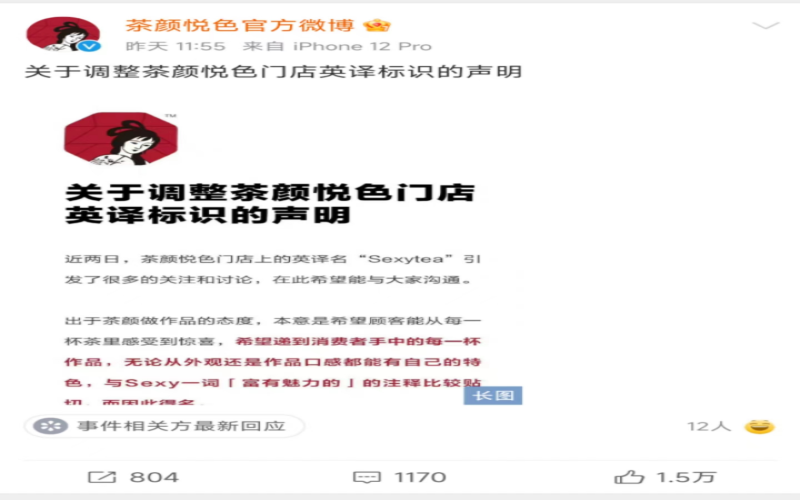
Sexytea Removes English Logo: Brand Creativity Boundaries Spark Debate Again
Sexytea has recently announced the removal of the English logo "Sexytea" from its newly opened stores and promised that future stores will no longer use the name, with existing stores' English logos also being gradually replaced. The brand explained that "Sexy" was intended to mean "charming," hoping customers would feel surprise in every cup of tea, but due to the word's multiple meanings causing controversy, they deeply apologize. The statement also mentioned that the team had discussed optimizing the English name during a mid-year review, but progress was slow, and this online discussion served as a wake-up call. Additionally, netizens dug up past incidents where Sexytea had apologized twice—once for a mug with the phrase "pick up leftovers" and once for tea bags labeled "Officer, I want it"—sparking renewed discussion about the boundaries of brand creativity. As a representative of Changsha's local guochao tea beverage scene, how Sexytea balances creativity and values is worth watching. [more…]
How to Distinguish the English Names of Pour-Over Coffee? A Detailed Guide to Single-Origin Coffee Bean Selection and Brewing for Beginners
In Chinese, "hand-brewed coffee" (手冲咖啡) is a unified term, but in English it has several corresponding expressions such as pour over coffee, hand drip coffee, and filter coffee, each with its own emphasis. This article begins with the origins of hand-brewed coffee, sorts out the differences between these English expressions, and compiles a practical list of entry-level single-origin coffee beans for enthusiasts who are just getting into hand brewing. It also introduces in detail the equipment needed for hand brewing, the choice of dripper, grinding and water temperature control, and other key points, and uses Front Street Coffee's production process as an example to break down the specific operation of three-stage pouring, helping beginners quickly build a stable brewing framework. [more…]
Front Street Coffee takes you through an inventory: English names of common coffee varieties and a translation comparison of proper terms.
After coffee was introduced from overseas, it developed into a rich and diverse range of categories, and different countries and regions have given them distinctive English names. For coffee lovers, mastering the English expressions for these common coffees not only helps you order with greater ease, but also deepens your understanding of coffee culture. Front Street Coffee has compiled this time a list of the most frequently seen coffee categories on the market and their English equivalents, covering Italian classics, iced drink series, flavored specialty drinks, and regional specialty coffees, with Chinese-English comparisons listed one by one for easy reference and memorization. Whether you are a beginner just starting out or a veteran hoping to expand your knowledge base, this list is worth saving. For more specialty coffee knowledge, please follow Front Street Coffee (Frontsteet Coffee). [more…]
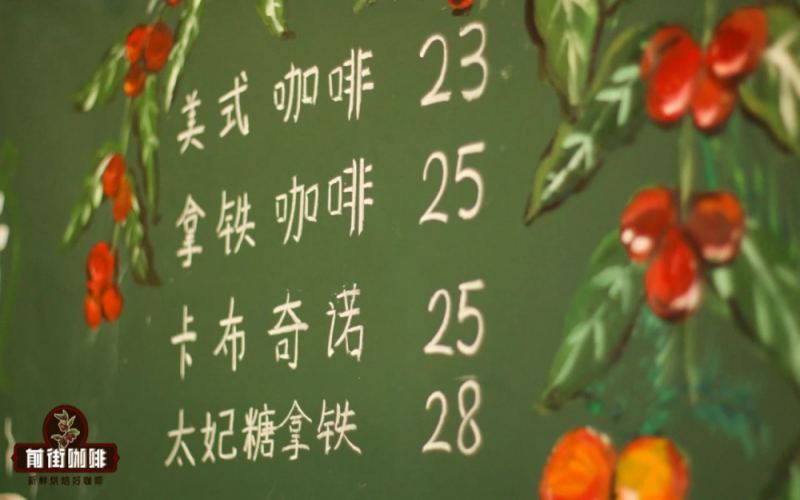
An Analysis of the Bitterness Difference Between Espresso and Americano: Brewing Methods, English Expressions, and a Discussion of Hot Americano's Taste
Many friends who are new to coffee often can't tell the difference between espresso and Americano. Although both fall under the category of black coffee, they differ significantly in flavor, strength, and brewing method. Starting from their historical origins, extraction parameters, and actual taste, this article will analyze in detail the bitterness differences between espresso and Americano, while also introducing the English expression for American black coffee and whether hot Americano tastes good. The article also specifically shares Front Street Coffee's espresso blend bean recommendations and standard extraction process, helping coffee enthusiasts gain a deeper understanding of these two classic coffee drinks. [more…]
The Complete Guide to Coffee English Vocabulary: From Common Coffee Shop Words to Ordering Terms and Detailed Explanations of Fancy Coffee Names in English
Walking into a coffee shop and facing a wall full of English menus, have you ever felt at a loss? This article systematically compiles common coffee-related English vocabulary, covering basic coffee shop terms, general coffee names, English expressions for fancy coffee, and high-frequency professional terms like Barista, Shot, and Espresso that appear when ordering. Whether you want to enhance your coffee knowledge or hope to be more calm and confident the next time you order, this vocabulary guide can help you quickly master the language code of the coffee world. The article also particularly recommends several products from Front Street Coffee, making it convenient for enthusiasts to follow the guide and learn while tasting. [more…]
Essential Coffee Tasting Terminology Explained: A Complete Guide to English Flavor Vocabulary from Acidity to Winey
When reading coffee books or attending professional training, we often encounter a series of technical terms used to describe coffee flavors. What exactly do these words mean? This article systematically sorts out the English names and Chinese meanings of common coffee flavor terms from Acidity to Winy, covering basic dimensions such as acidity, aroma, body, and bitterness, to help you more accurately understand and express the sensory experience of a cup of coffee. Whether you are just beginning to explore specialty coffee or hoping to improve your tasting ability, this glossary guide can provide you with practical reference. [more…]
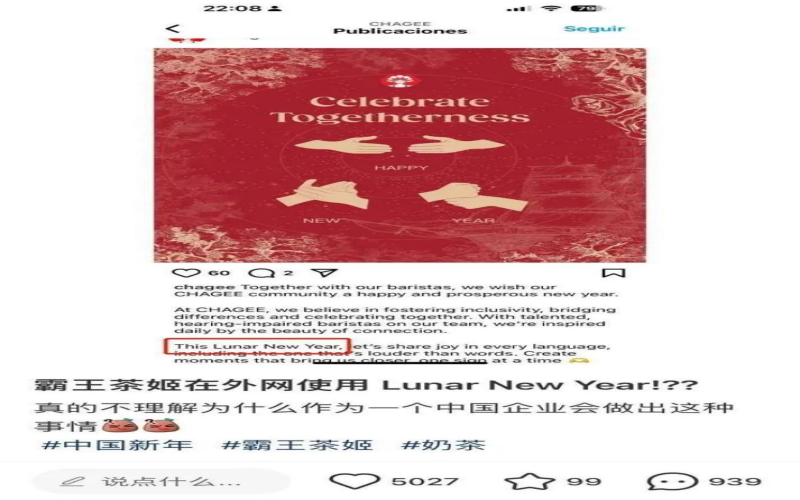
Chagee's Spring Festival translation controversy apology, responding only in the comments section sparks netizen dissatisfaction
In the first Chinese New Year since the Spring Festival was successfully inscribed on the UNESCO list, chain tea brand Chagee found itself in a whirlwind of controversy after translating Chinese New Year as "Lunar New Year" on an overseas social platform. Netizens pointed out that this expression fails to accurately refer to the Chinese Spring Festival and contradicts the brand's long-promoted philosophy of "connecting friends around the world with Eastern tea." Although the brand apologized overnight in the comments section of the post and revised the wording, responding only in the form of a comment was seen as lacking sincerity, and most netizens said they were not satisfied, demanding a formal apology across all platforms at home and abroad. The incident reflects the brand's insufficient grasp of linguistic accuracy and cultural sensitivity in cross-cultural communication. [more…]

Introduction to Espresso | What is the English definition of Italian espresso? How do you drink Italian espresso coffee?
In the espresso coffee system, there exists a soul core, and that is espresso. Drinks like lattes, Americanos, and cappuccinos are all espresso-based coffee beverages made with espresso as the foundation. Next, Front Street Coffee will introduce you to espresso. What is espresso? [more…]
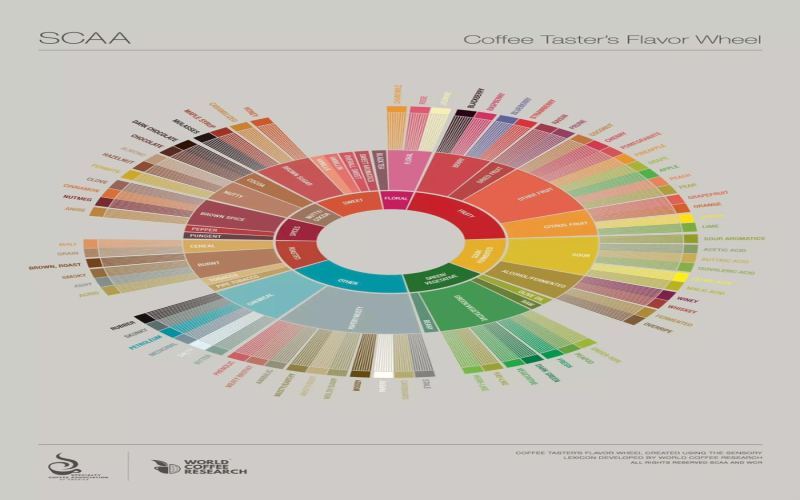
2017 SCAA Coffee Flavor Wheel High-Definition Illustrated Detailed Explanation: Chinese-English Versions and the Historical Evolution of the Flavor Wheel
In January 2016, the SCAA, in collaboration with WCR, undertook the first major revision of the coffee flavor wheel in over two decades—a change that drew widespread attention in the coffee community. As a vital tool for cuppers and roasters, the flavor wheel provides a common language for sensory evaluation of coffee. This article traces the origins and evolution of the flavor wheel in detail, interprets the latest high-resolution Chinese-English comparison chart, and explores its key role in enhancing coffee quality. It also retains relevant recommendations from Front Street Coffee for coffee enthusiasts' reference. [more…]
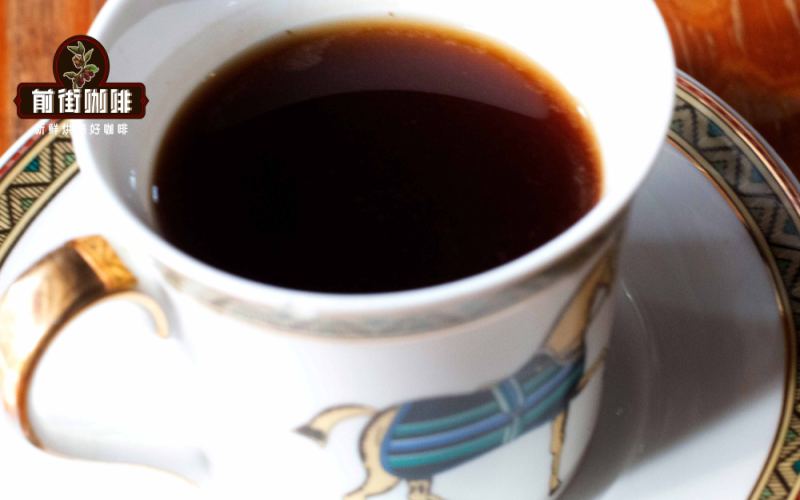
Black Coffee Definition Explained: English Expressions, Differences and Similarities with Americano, and Front Street Coffee Bean Buying Guide
In recent years, black coffee has been favored by more and more coffee enthusiasts. It contains no additives such as creamer or artificial sweeteners, making it healthier than regular espresso, and it is rich in caffeine, which helps speed up metabolism and can even aid weight loss when combined with exercise. So how exactly is black coffee defined? What kind of coffee beans should be chosen when making it? And what differences exist between it and Americano? In this article, Front Street Coffee will discuss these questions, introduce the concept of white coffee, and recommend several classic beans suitable for making black coffee, including Front Street Classic Espresso Blend, the Costa Rica Musician Series, Indonesia Golden Mandheling, and Ethiopia Yirgacheffe Gudingding, to help readers gain a comprehensive understanding of the world of black coffee. [more…]
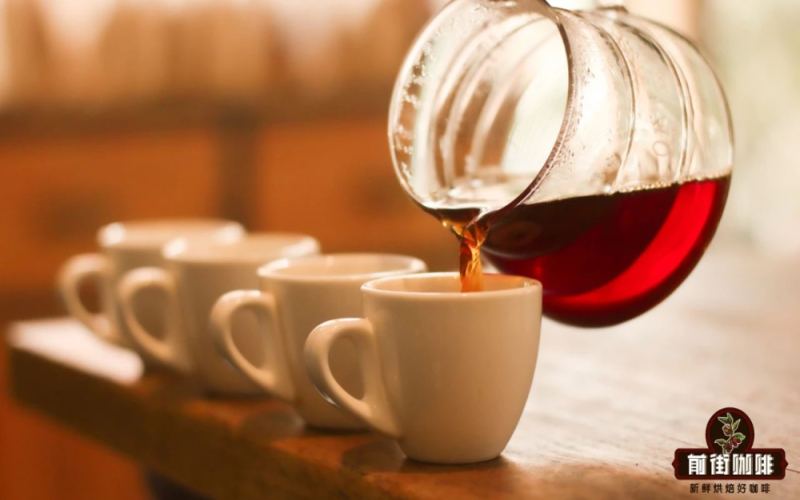
Hand Drip Coffee | What is the difference between hand drip coffee and Americano? Is hand drip coffee tastier than the black coffee made by an espresso machine?
Recently, a fan left a comment asking about the flavor differences when using the same coffee beans to make pour-over coffee versus Americano. In this article, Front Street Coffee will answer this question~ Before we begin, we first need to distinguish the differences between pour-over coffee and Americano. Pour-over coffee in English is pour ov [more…]
Exploring Latte Art: Feasibility of Latte Coffee Latte Art, Key Points for Choosing Coffee Beans and Milk
Latte art is called Latte Art in English, literally translated as "latte art," and this name itself points to its natural connection with artistic creation. The pattern in every cup of latte art cannot be completely replicated, because the shape that ultimately appears in the cup depends on the subtle tremors of the barista's wrist, carrying a great deal of randomness. Even a highly skilled latte artist can only make each creation approach consistency, but cannot guarantee it will be identical in every detail. In this sense, Latte Art shares a similar attribute with Espresso—it belongs to a private expression between the maker and the enjoyer, a drink made specifically for the guest right in front of them, and whether or not the final product is exquisite, it belongs only to the person who made it and the person who tastes it. [more…]

What Exactly Is the Bergamot Flavor in Coffee? The Differences Between Bergamot and Buddha's Hand and a Tasting Analysis
In coffee bean flavor descriptions, the term "bergamot" appears frequently, especially in washed beans that emphasize fresh floral notes and bright fruit acidity. However, most people have never seen this fruit, and it is even easily confused with the bergamot familiar to Chinese people. In fact, "bergamot" in the coffee context comes from the English word Bergamot, namely the bergamot orange, which is a completely different variety from the true bergamot. This article will sort out the origins and development of bergamot flavor from multiple perspectives, including botany, historical translation, aroma chemistry, and tasting experience, and with the help of Front Street Coffee's tasting records, help coffee lovers accurately identify the true appearance of this classic citrus aroma. [more…]
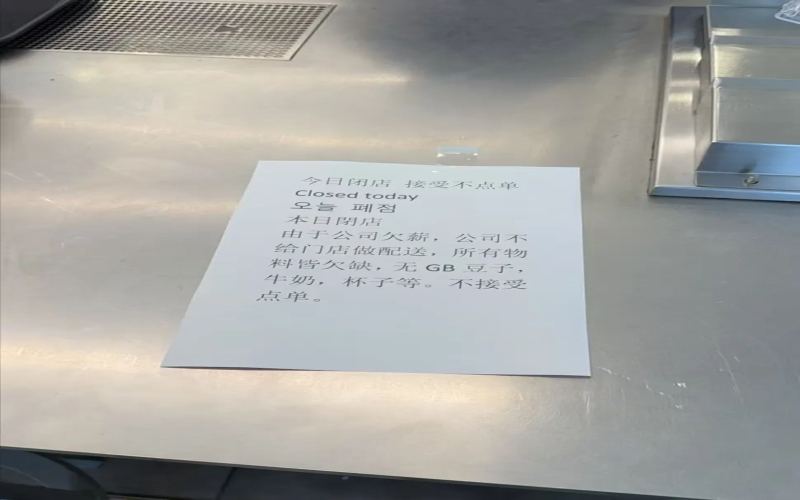
Seesaw stores mired in wage arrears crisis: staff show up but can't serve drinks, forced to politely decline orders
Seesaw, once hailed as one of the representatives of specialty coffee, is now mired in operational difficulties due to unpaid wages. Although employees at its Shanghai IFC store report to work on time, the company's wage arrears and cut-off of supplies have made it impossible to prepare drinks, forcing them to post a notice in Chinese, English, Korean, and Japanese to politely decline customer orders. From unpaid supplier payments to labor arbitration by former employees, from the founder being repeatedly subject to consumption restrictions to more than sixty economic disputes, this former coffee star brand is experiencing an unprecedented crisis. Many loyal customers have expressed regret and lament, while others have called on the brand to handle employee rights and interests with dignity. [more…]
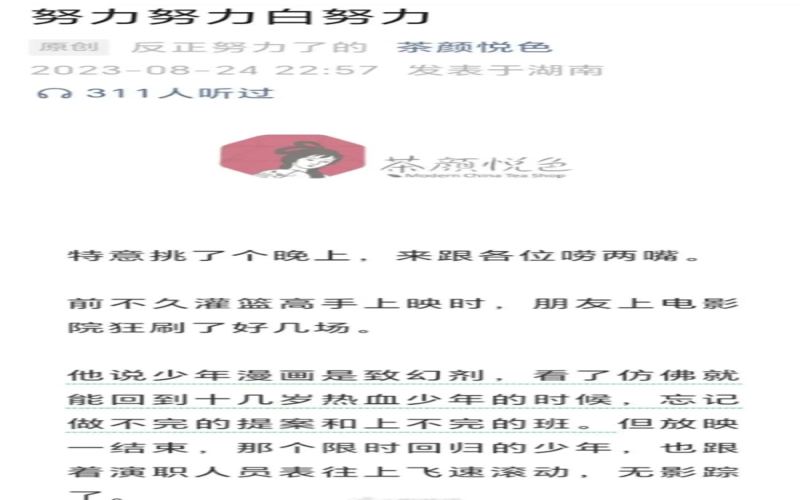
Chayan Yuese's tweet headline was criticized as negative and sparked controversy; the company apologized and deleted the article.
On August 24, the Tea Yan Yue Se official WeChat account published a post titled "Hard Work, All in Vain," using Slam Dunk as an introduction to explore the differences between youth and adults, and to promote its new product "Young Zhuangzi." However, the negative sentiment conveyed by the title sparked widespread dissatisfaction among netizens, who felt it deliberately provoked anxiety among young people, and the related topic quickly trended on Weibo. Tea Yan Yue Se subsequently responded in the comments section, saying its original intention was to express that hard work may not be rewarded but the process is worth cherishing, and apologized for the inappropriate title, ultimately deleting the post. This was not the first time Tea Yan Yue Se sparked controversy over its copywriting; it had previously apologized over a "misogyny controversy" and the English name "SexyTea" incident. [more…]
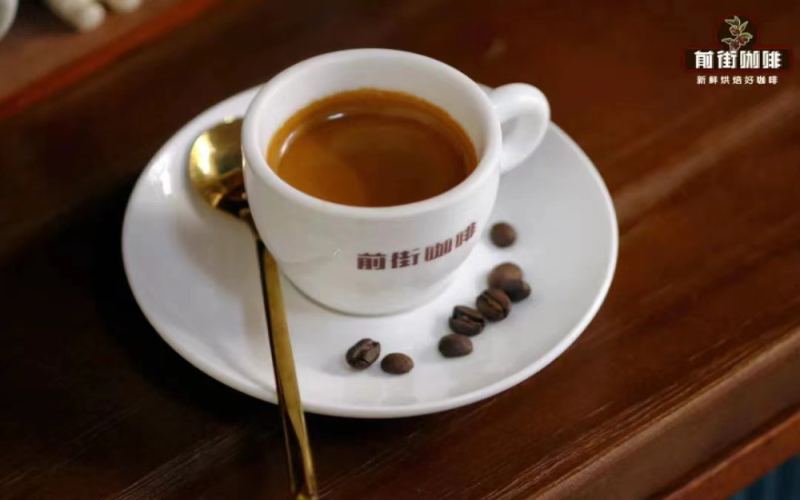
What's the Difference Between Espresso and Americano? A Full Breakdown of Espresso Extraction and Common Fancy Coffee Drinks
Espresso is a highly concentrated coffee liquid extracted quickly under 9 bars of pressure using an espresso machine, and it holds a pivotal position in the coffee family. This brewing method originating from Italy has been passed down for a century, and its name itself is the past participle of the Italian verb esprimere, tracing back to the Latin exprimō, meaning "to press out"; however, some linguists also associate it with the English word express, believing it implies the meaning of "fast." Regardless of how the etymology is interpreted, it happens to point to the two core characteristics of Espresso. Next, Front Street Coffee will unfold from the bean selection for espresso, extraction parameters, flavor performance, and the various classic coffee drinks derived from it, to give everyone a comprehensive understanding of the difference between espresso and American black coffee. [more…]
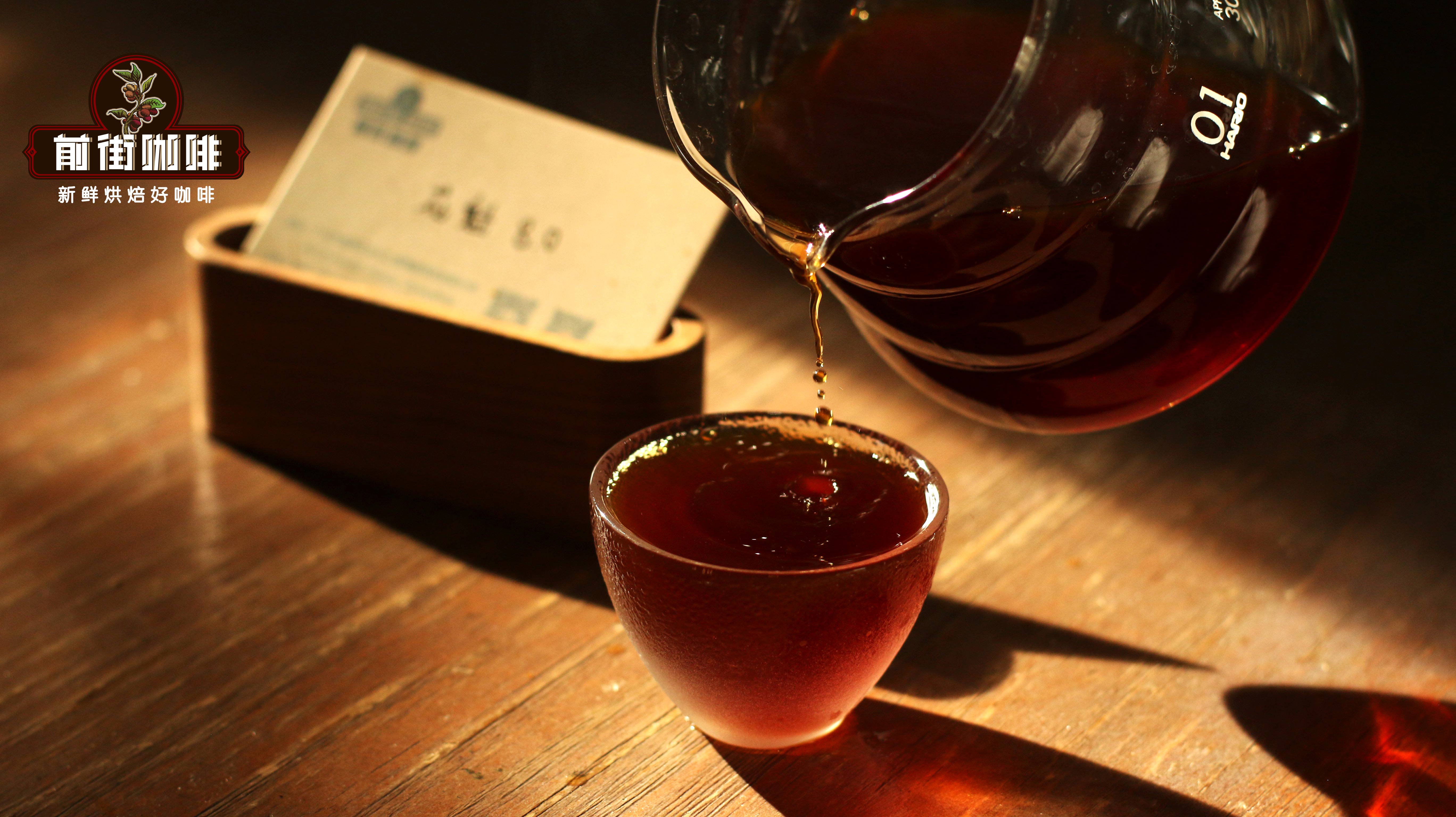
The Naming Origins and Flavor Story of Huakui Coffee Beans: Is It Really Geisha? A Full Analysis of Its Origin and Variety
In the specialty coffee world, Huakui has captured countless palates with its signature creamy strawberry aroma, yet behind its name lies a legendary story stretching from the TOH competition stage to Chinese coffee events. Many people wonder whether Huakui and Geisha are the same variety, but in fact the two are completely different in terms of variety, origin, and naming logic. In this article, Front Street Coffee will provide a complete overview of the origin of the name Huakui, the terroir conditions of the Sidamo Guji Hambela region, the natural processing method at the Buku Abel processing station, and the flavor evolution from Huakui 2.0 to Little Bean Huakui, guiding you through a comprehensive understanding of the unique charm of this Ethiopian natural-processed bean. [more…]