







What the SexyTea debate says about bias coffee and branding
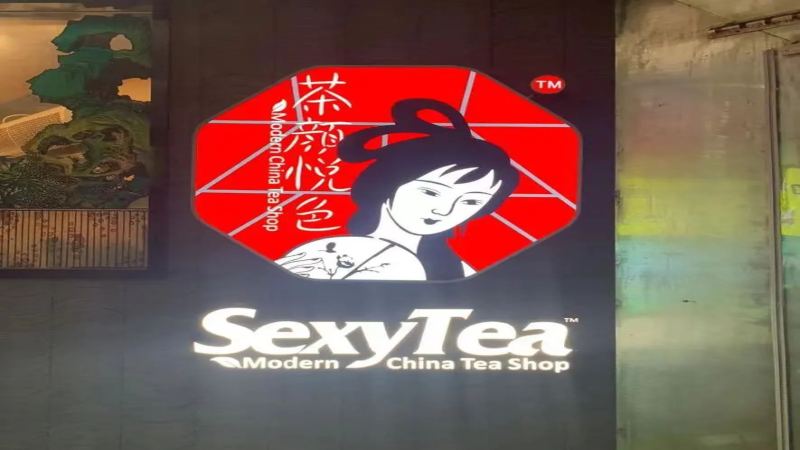
Nanjing's third Chayan Yuese store drew widespread discussion online for using "SexyTea" as its English signboard. Critics say the term clashes with the brand's classical, gentle image and may read as disrespectful toward women; others argue "sexy" simply carries connotations of charm. The brand had previously apologized over cup copy that was seen as objectifying women.
The episode follows the brand's Chengdu launch, where a cup of milk tea was hyped to 200 yuan and trended on social media less than a month earlier. Observers note that "sexy" has several meanings in English, but brand naming depends on fit, and many alternatives express attractiveness. The case is often discussed alongside bias coffee debates about how brands handle gender-related language.
Recently, Nanjing's third Tea Yanyuese store sparked widespread discussion online for using "SexyTea" as its English signboard. Some believe the term clashes with the brand's classical and gentle tone, and may even show disrespect toward women; others feel that "Sexy" inherently carries connotations of charm and attractiveness, and that there is no need to overinterpret it. In fact, this is not the first time Tea Yanyuese has found itself in a public opinion storm over its copy or signage—previously, the "picking up a deal" cup copy drew an apology for objectifying women. This article sorts out the sequence of events, the views of various parties, and the regulatory response, and includes a professional coffee information channel for coffee enthusiasts and brand observers.
For professional coffee knowledge exchange and more coffee bean information, please follow Coffee Workshop (WeChat public account: cafe_style)
For more specialty coffee beans, please add the private WeChat of Front Street Coffee (FrontStreet Coffee), WeChat ID: qjcoffeex
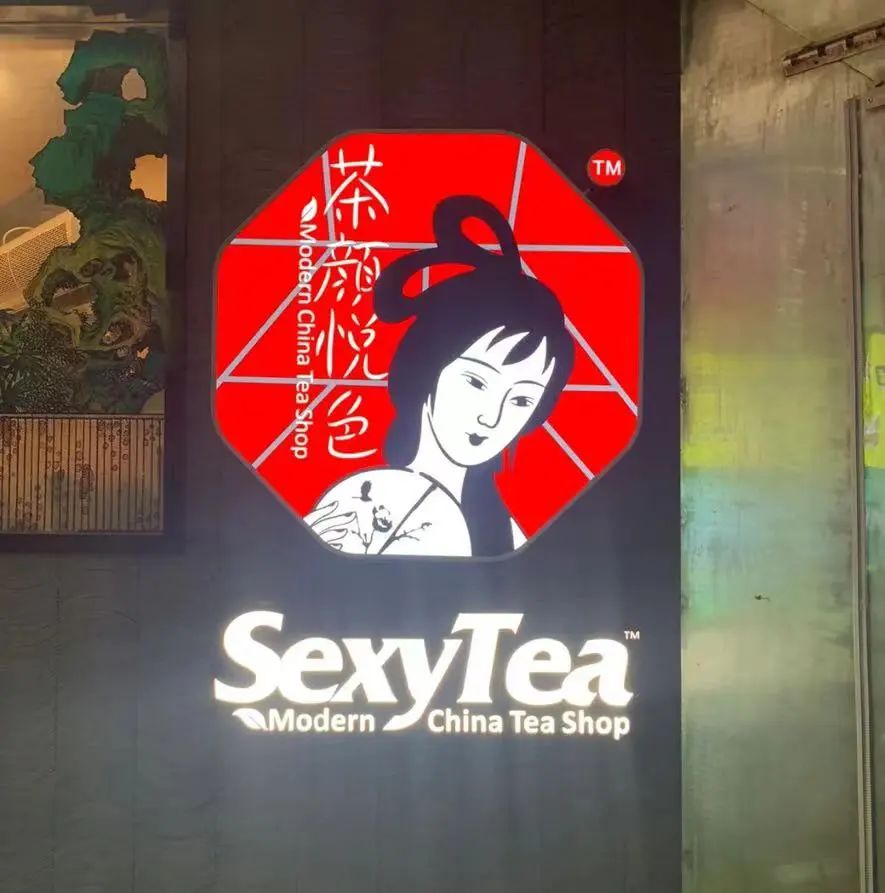
Recently, Nanjing's third Tea Yanyuese store quickly became a hot topic online for using the English words "SexyTea" on its signboard.
Many netizens raised questions: Tea Yanyuese's logo is an image of a classical Chinese woman, while "Sexy" in "Sexytea" is often translated into Chinese as "性感的" (sexy). Using it as the brand's English name not only appears disrespectful to women, but also clashes with the gentle feminine image the brand conveys and the store's classical Chinese interior style.
Not long ago, when Tea Yanyuese first entered the Chengdu market, a cup of milk tea was once hyped to 200 yuan and trended on social media. Less than a month later, it again sparked intense discussion over the "SexyTea" English signboard—truly one wave has not yet subsided before another rises.
"Sexy" actually has rich meanings in English, and translating it as "性感" is not inherently pejorative, but for a brand, appropriateness is key. In consumers' minds, Tea Yanyuese is often regarded as a representative of Chinese-style milk tea, full of classical charm, so using the English expression "SexyTea" does indeed seem somewhat incongruous.
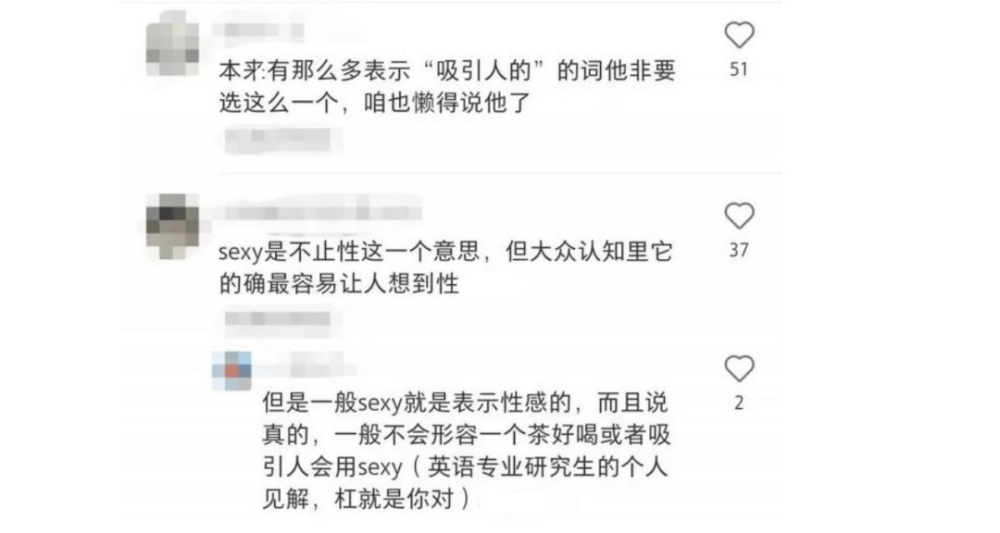
Some netizens commented: Although "Sexy" has multiple interpretations, there are also many English words that can express "attractive," so why insist on choosing one that is not closely related to the brand's characteristics and is also likely to cause misunderstanding? Previously, no store used an English name as a signboard. Suddenly adopting an English name this time inevitably makes people suspect it was done deliberately.
However, quite a few netizens held a different view, believing there was nothing wrong with Tea Yanyuese's move. They pointed out that Sexy is not a derogatory term; besides sexy, it can also be understood as charming, attractive, and fascinating.
Moreover, Tea Yanyuese has been using this signboard all along, and it has also appeared at stores in other regions. At the same time, the signboard bears the TM mark, indicating that it enjoys prior use rights when applying for trademark registration, so the English signboard itself is not a problem.
According to a search on Tianyancha, someone once applied to register the "SEXYTEA" trademark, but the trademark is currently in "invalid trademark" status.
The decision of the China National Intellectual Property Administration on the review of the rejection of that trademark shows that "SEXY" is translated as "sexy, pornographic," has unhealthy connotations, and is not of high taste; if designated for use on review service items such as teahouses, it could easily cause adverse social impact and violate the provisions of the Trademark Law. At the same time, no record was found showing that any affiliated company under Tea Yanyuese had registered the "SexyTea" trademark.
On September 14, a media reporter consulted staff at Nanjing's market regulation department, who said that in actual law enforcement it is difficult to determine whether an advertisement or trademark used by a merchant is non-compliant. If the images or wording of an advertisement or trademark are slightly vulgar, or easily give consumers an uncivilized impression, and there is suspicion of bordering on the inappropriate, the merchant should make rectifications.
In February 2021, Tea Yanyuese also sparked controversy over its packaging copy. At that time, the product packaging bore the sentence: "There are many pretty girls buying milk tea. If you happen to know one, you can quietly tell our staff—I picked up a deal," which was accused of objectifying women.
Subsequently, Tea Yanyuese issued an apology statement on its official Weibo, apologizing for the poor impression caused by the inappropriate wording "picking up a deal" on the Changsha dialect-themed cup, and said it would immediately recall this batch of Changsha dialect-themed mugs, and would seriously reflect on the reasons behind the incident and improve across all stages, including creative standards, creative management, and product management.
Regarding this use of the English name, Tea Yanyuese customer service responded that the store name means charming. The Qinhuai District Market Supervision Bureau responded that it is neutral and not biased.
When brands carry out promotional marketing, they all have a theme they want to express, but advertising is aimed at the public, so naturally the feelings of the vast majority of people must be taken into account.
One cannot ignore the possible social impact for the sake of promotional effect. Being creative in marketing is normal, but the bottom line must not be crossed. Obeying the law and complying with regulations and respecting public order are both a red line and the bottom line.
Image source: Weibo
The above content is compiled by CoffeeHunters, a coffee news website.


