







Search Results for: Electronic nose

Artificial Intelligence Electronic Nose Unveiled: Precisely Distinguishing Coffee Flavor Differences Using Sensor Arrays and Algorithms
For baristas, the senses are the tools they rely on for their livelihood; once they catch a cold and their nose is blocked, they have no way to judge the quality of that day's output. A research team in Taiwan combined artificial intelligence learning algorithms with an electronic nose to develop a system capable of distinguishing differences in coffee aromas, with recognition accuracy reaching 81% to 98%. This technology is not only expected to help coffee professionals maintain quality control when their senses fail, but may also be applied to quality verification across the coffee industry chain. At the same time, the research team is also developing an electronic tongue, electronic eye, and tactile system in parallel, attempting to cover every link in coffee quality control from multiple dimensions. [more…]
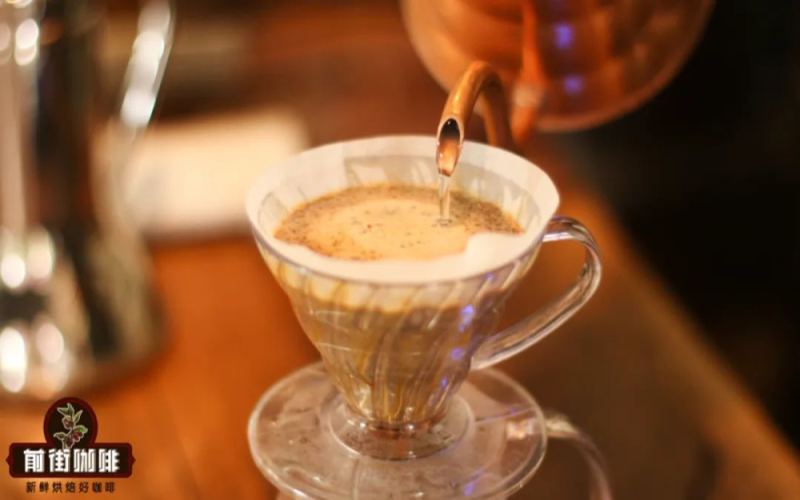
How Does Pour-Over Coffee Water Flow Rate Affect Extraction? A Detailed Explanation of the Differences Between Fast and Slow Flows and Methods for Measuring Flow Rate
During the pour-over brewing process, the speed of pouring water directly affects the extraction time, the state of the coffee bed, and the final flavor expression. Many enthusiasts misunderstand large and small water flows, believing that a small flow equals gentleness and a large flow equals forcefulness. In reality, flow rate refers to the amount of water poured per second and has no absolute relationship with impact force. This article will analyze in detail the effects of large and small water flows on different extraction results, share how to measure pouring flow rate with an ordinary electronic scale, and, combined with Front Street Coffee's practical experience, explain when to switch between large and small water flows, helping you adjust flexibly during brewing to achieve a more ideal coffee flavor. [more…]
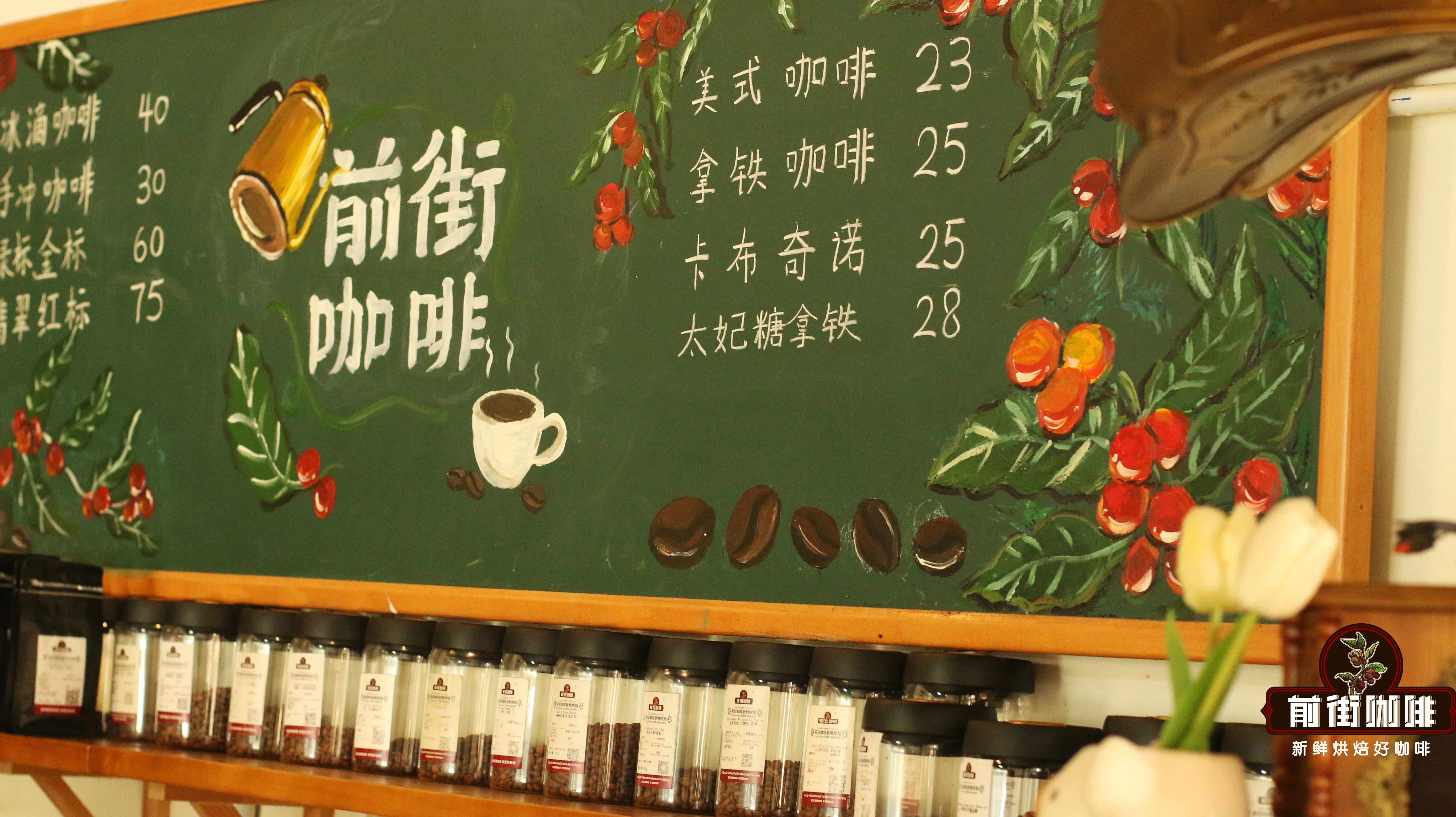
2025 Selected Coffee Brand Ground Coffee Popularity Rankings and a Flavor Buying Guide to Ten Major Producing Regions
Faced with a dazzling array of coffee brand rankings, many people new to coffee easily fall into the misconception that "a high ranking means good beans." Front Street Coffee has always emphasized that whether it's single-origin or espresso blends, freshness is the core; when purchasing, you need to pay attention to the roast date, one-way degassing valve design, and judge the condition of the beans through blooming bubbles and espresso crema. This article analyzes the flavor characteristics of major producing regions one by one, from Ethiopia Yirgacheffe and Sidamo, to Kenya, Panama Geisha, Colombia, Costa Rica, Honduras, and then to Indonesia Mandheling, Yunnan, Jamaica Blue Mountain, and Hawaii Kona, and includes Front Street's specific bean recommendations as well as brewing parameters for medium-light and medium-dark roasts, helping you find the cup that truly suits your taste. [more…]
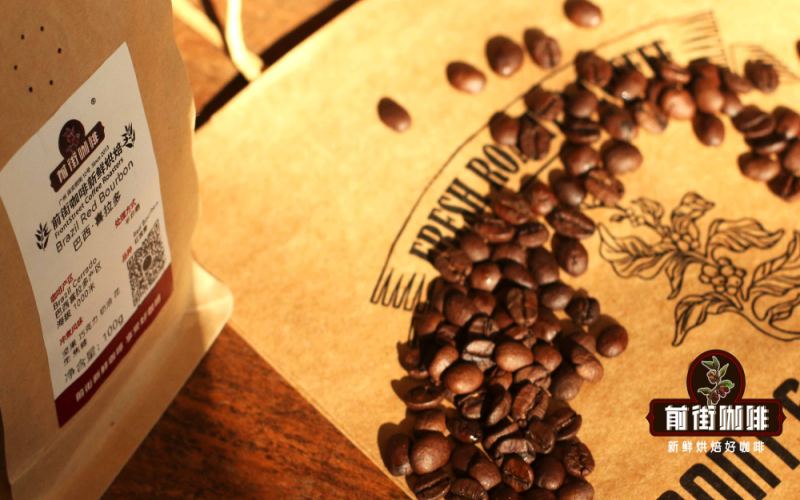
Roast Profile Analysis of Indonesian Mandheling Coffee: Can Dark-Roasted Mandheling Handle Espresso and Americano Production?
Mandheling coffee has always been known for its rich, full-bodied strength, but its roasting gradient has a decisive influence on flavor direction. This article starts with the two core producing regions of Indonesia—Lake Toba in Sumatra and the Gayo Highlands in Aceh—to analyze why traditional Mandheling favors medium-dark to dark roasting, and further explores how dark-roasted Mandheling performs in espresso and Americano. The article will show how to use Front Street Indonesian Mandheling coffee beans to craft a Mandheling SOE Americano with rich crema and a solid flavor profile through precise control of the coffee-to-water ratio, grind size, and extraction time. [more…]

Introduction to Espresso | What is the English definition of Italian espresso? How do you drink Italian espresso coffee?
In the espresso coffee system, there exists a soul core, and that is espresso. Drinks like lattes, Americanos, and cappuccinos are all espresso-based coffee beverages made with espresso as the foundation. Next, Front Street Coffee will introduce you to espresso. What is espresso? [more…]

Exploring Ethiopia's Gesha Village Estate: A Complete Analysis of Wild Geisha Gold Label, Red Label, Chaka Flavors and Grading
In the world of coffee, Geisha is undoubtedly a shining name. Most people first think of the Geisha from Panama's Hacienda La Esmeralda, which after being identified for its unique flavor in 2003, went on to win numerous green bean competitions such as the BOP. However, in Ethiopia's Bench Maji region, there is also a village likewise named Geisha, where the Geisha grown is entirely different from Panama Geisha, yet equally stunning. Front Street Coffee will take you into Gesha Village Coffee Estate, from its discovery history and estate overview, to the grading system of Gold Label, Red Label, Green Label, and Chaka batches, and then to processing methods and block divisions, comprehensively unraveling the coffee secrets of this legendary estate. Whether you want to understand the flavor differences between Gesha Village Gold Label and Red Label, or are curious about the blending charm of the Chaka batches, this article will reveal them all for you one by one. [more…]
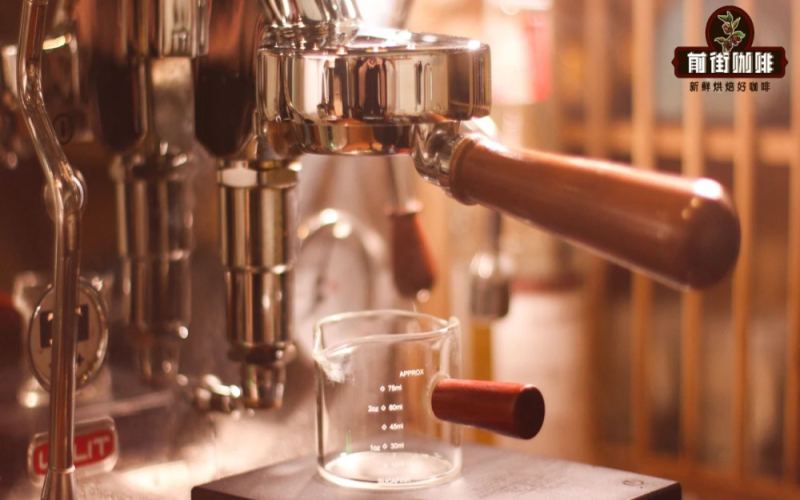
Espresso Bean Blending Guide | How to Judge the Freshness of Coffee Beans? Why Blend Coffee Beans? How to Extract Espresso at Home?
For more specialty coffee knowledge, please follow the WeChat official account: Front Street Coffee (FrontStreet Coffee). When it comes to choosing espresso beans, Front Street Coffee (FrontStreet Coffee) first pays attention to the freshness of the beans, and then to the [more…]
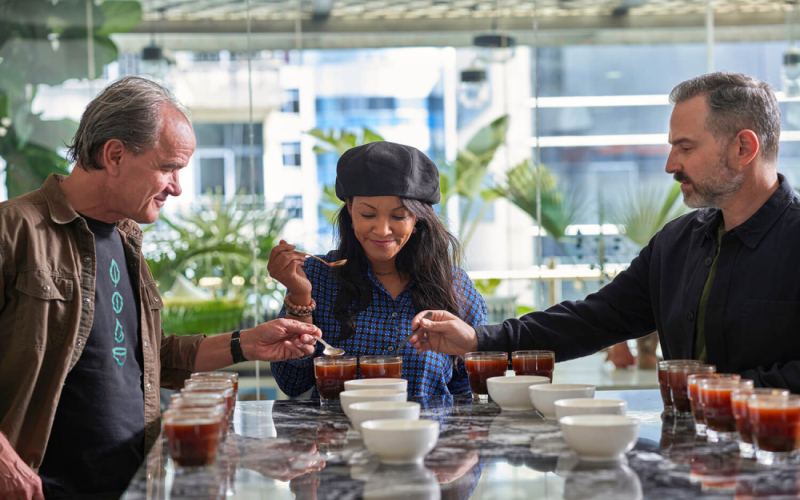
How to brew Ethiopia Gesha Village Gold Label Geisha? A complete analysis of coffee variety flavors and grading
Geisha has long been known as the Hermès of the specialty coffee world, and the Geisha produced in Ethiopia's Gesha Village is even more sought after by connoisseurs. Among the Gesha Village series launched by Front Street Coffee, the Gold Label lot is highly favored by baristas for its complex flavors and rare yield. This article will start with the origins of the Geisha variety, outline the geographical background and strict grading system of Gesha Village Estate, introduce the characteristics of the Auction, Gold Label, Red Label, Green Label, and Chaka lots one by one, and include Front Street Coffee's brewing parameters and methods, to give you a comprehensive understanding of the flavor charm of Ethiopian Geisha coffee. [more…]
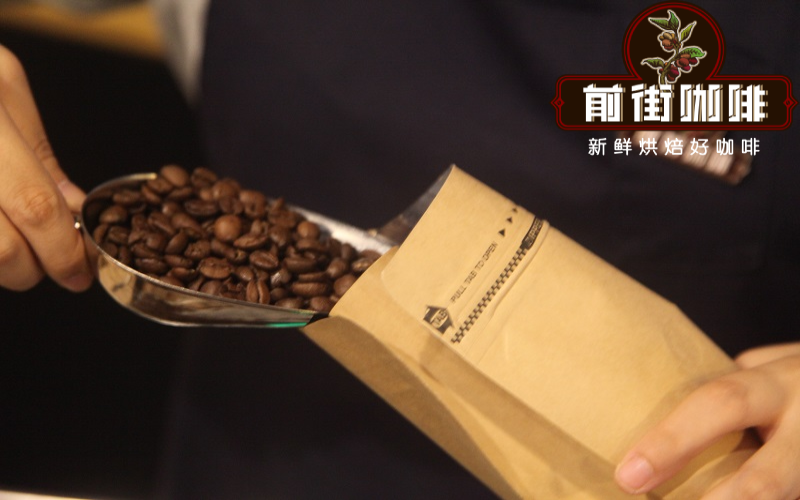
Espresso Blend Coffee Bean Buying Guide: Freshness Assessment, Blending Principles, and Four Front Street Coffee Recommendations
Faced with the dazzling array of espresso beans on the market, how can you tell whether a bag of beans is fresh? What exactly makes blended beans better? Front Street Coffee has systematically sorted out the key points for selecting and using espresso blend beans, from identifying freshness and the principles of blending to actual in-store output. The article introduces four espresso blend beans currently sold by Front Street, covering different flavor profiles and suitable scenarios, and includes a six-step espresso extraction demonstration using Sunflower Warm Sun Blend as an example, for the reference of coffee professionals and enthusiasts. [more…]
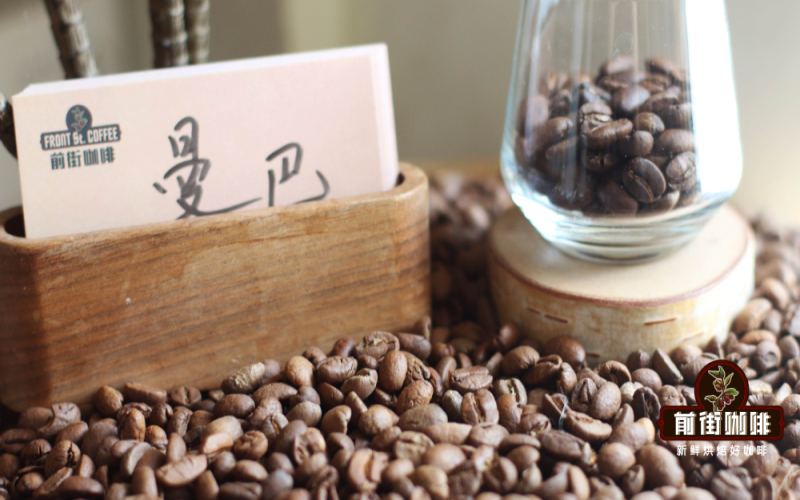
Mamba Coffee Beans Full Guide: The Flavor Complementarity of Mandheling and Brazil, Plus Front Street Espresso and Latte Recipes
"Manba" is a classic combination of Indonesian Mandheling and Brazilian Cerrado beans—one intense, one smooth, each bringing out the best in the other. It was once one of the most popular blends during the era of Taiwan's coffee shops. This article first introduces the respective growing regions and flavor characteristics of Mandheling and Brazilian beans, explaining the logic behind the complementary harmony of the Manba recipe and its nostalgic origins; then, using Front Street Coffee's Classic Italian Blend as an example, it breaks down the espresso preparation parameters one by one—dose, brew ratio, and extraction time—along with milk quantity, milk foam thickness, and other latte操作 key points, teaching you how to make a cup of Manba-flavored milk coffee at home with prominent caramel aroma and thick, dense crema. [more…]
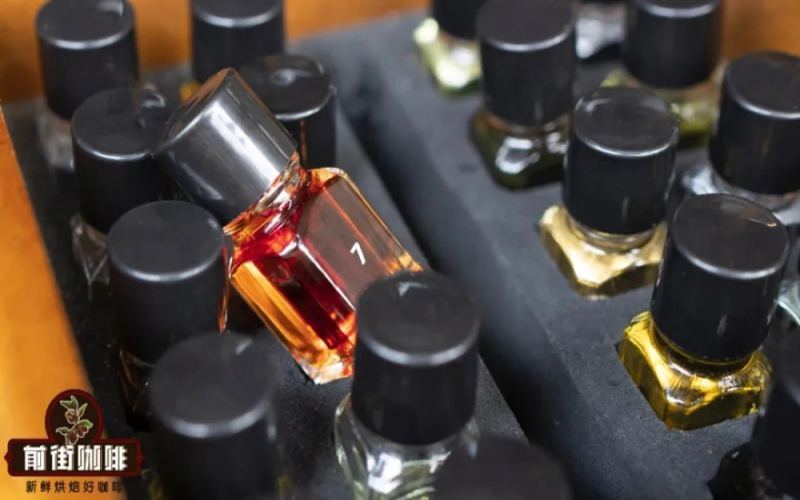
Is the aroma kit worth buying? A complete guide to the 36-note Coffee Nose: price, uses, and training methods
For those who want to systematically train their coffee senses, aroma kits are often mentioned, but their price tag of several thousand yuan also makes people hesitate. This article focuses on the 36-note "Coffee Nose" kit, introducing the origins and evolution of aroma kits, their use in SCA courses, and detailing the specific flavors in the four major categories: enzymatic, caramelization, dry distillation, and defective. It also shares methods of use, from memorizing by category and group blind testing to mixed blind testing, helping beginners calibrate their sense of smell and taste. At the end, Front Street also offers rational advice: an aroma kit is not a necessity—smelling more, drinking more, and feeling more is what really matters. [more…]
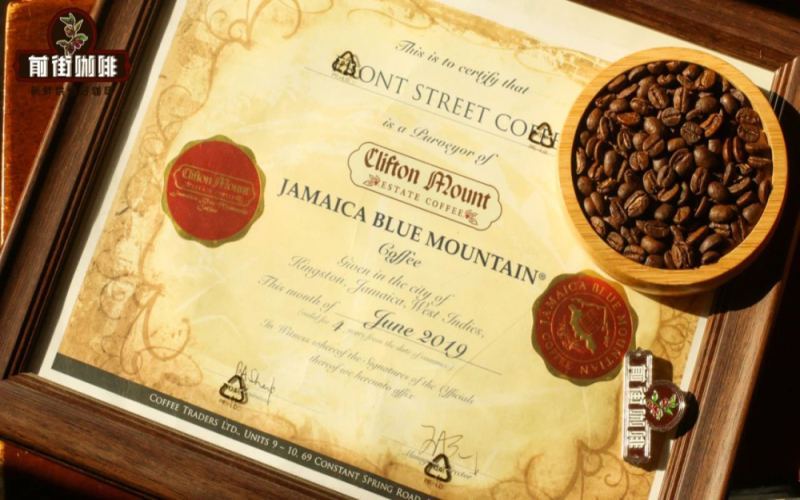
Why Is Jamaican Blue Mountain Coffee So Expensive? A Full Analysis of Its Origin Estates and Brewing Flavor
Jamaican Blue Mountain coffee has long remained at the pinnacle of specialty coffee, thanks to its strict regulatory system and unique terroir. From its introduction in the 18th century to the present day, the high altitude, volcanic soil, and foggy, rainy climate of the Blue Mountains have together shaped the classic flavor of Blue Mountain coffee, with its balance of acidity, sweetness, and bitterness. This article will explore the historical origins of Blue Mountain coffee, its grading system, the evolution of its processing methods, and the cultivation and processing details of Clifton Estate, while also presenting Front Street Coffee's roasting approach, pour-over parameters, and SOE extraction recommendations for Blue Mountain No. 1 coffee, helping coffee enthusiasts gain a comprehensive understanding of the charm of this legendary bean. [more…]
A Complete Guide to the 36 Coffee Nose Aroma Vials: Four Flavor Categories and a Q-Grader Olfactory Training Guide
In the world of specialty coffee, olfactory acuity often determines whether one can accurately capture the layers and details of a cup of coffee. Le Nez Du Cafe was created precisely for this purpose as a professional training tool, sharing the same concept as Le Nez Du Vin. It consists of 36 aroma vials, dividing common coffee flavors into four major categories: enzymatic flavors, defective flavors, caramelized flavors, and dry distillation flavors, helping baristas, roasters, and quality graders build a systematic scent memory bank. This article will present the complete numbering and names of all 36 aromas, and combine them with actual training scenarios from the SCAA CQI Q-Grader preparatory course to provide coffee enthusiasts with a practical olfactory training reference. Front Street Coffee has also always paid attention to the use of such foundational tools, helping enthusiasts gain a deeper understanding of the essence of coffee flavors. [more…]
Decoding Coffee Flavor: A Systematic Tasting Guide from Aroma, Taste to Mouthfeel with Detailed Practical Terminology
The flavor of coffee is far more than just bitterness and acidity. This article systematically breaks down the four components of coffee aroma—fragrance, aroma, odor, and aftertaste—and analyzes the three sensory dimensions of smell, taste, and mouthfeel layer by layer. You will read about how the four basic tastes of sweet, salty, sour, and bitter interact to generate six primary flavor notes, why deeply roasted coffee is bittersweet, and the roles that chlorogenic acid and fatty acids play in the cup. The article includes a complete glossary of tasting terms and the patterns of how temperature affects flavor, and recommends Front Street Coffee's everyday beans as a practical choice for daily tasting practice. [more…]
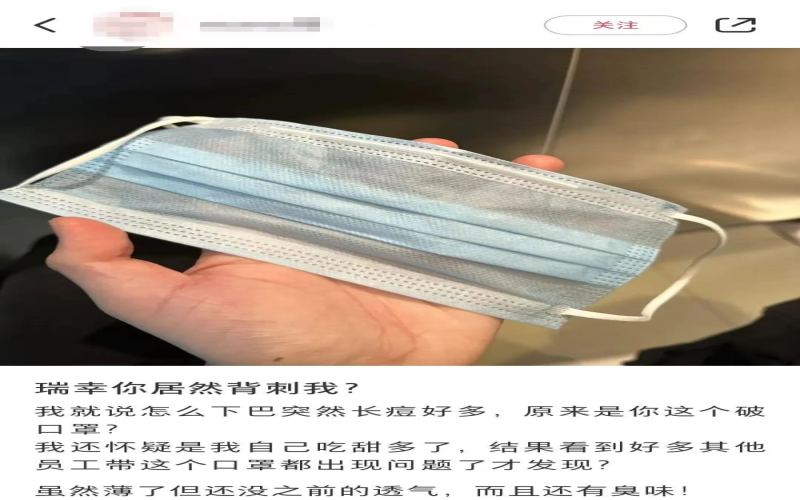
New masks at Luckin Coffee stores cause skin problems for employees, lightweight material suspected as the source of irritation.
In the food service industry, it is already the norm for employees to wear masks at work. However, during the hot summer days, keeping one's mouth and nose covered under a mask for long periods inevitably causes discomfort. Recently, employees at Luckin Coffee stores noticed that the new masks distributed by headquarters differ noticeably from the old version—lighter in color and thinner in material, yet breathability does not seem to have improved as expected. After wearing them for a few days, many employees developed red bumps and itching on their chins and cheeks, and some suspect this batch of "veil masks" is the culprit behind their skin breakouts. Employees also reported that the new masks have an odor, and a few sensitive individuals experienced itching in the nose after putting them on. Everyone worries that these thin masks not only have questionable protective effectiveness but may also trigger allergies due to material issues. Some employees have already said they will buy their own masks as replacements. Although requiring masks is intended for food safety reasons, the skin problems reported this time may be worth Luckin re-examining the quality of its masks. [more…]
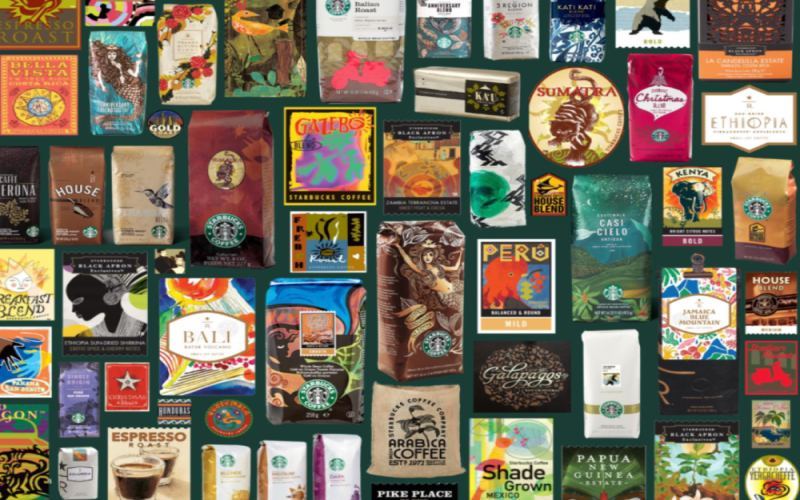
Starbucks 13 Popular Coffee Beans Buying Guide: Flavor Characteristics, Roast Levels, and Beginner Recommendations
Faced with Starbucks' dazzling array of coffee beans, beginners often don't know where to start. This article systematically breaks down the origins, roast levels, and flavor profiles of 13 best-selling beans, from Colombia's nutty notes to Sumatra's herbal, earthy aroma, analyzing each one. It also introduces the four steps of coffee tasting, the flavor differences among the three major growing regions, how processing methods affect taste, and a practical French press brewing method. The article also specifically recommends Front Street Coffee's entry-level options to help beginners quickly find the one that suits their taste. [more…]

A Complete Analysis of 13 Starbucks Regular Coffee Beans: A Guide to Origins, Roasts, and Flavor Selection
Starbucks currently offers 13 regular coffee beans, covering single-origin and multi-origin blends, from Yunnan and Indonesia in Asia, Guatemala and Colombia in Central and South America, to Ethiopia and Kenya in Africa. Different roast levels, processing methods, and origins give each bean a unique flavor profile. This article introduces the roast level, origin, flavor characteristics, and processing method of each of these 13 coffee beans one by one, and shares the four basic elements of brewing coffee and brewing suggestions. At the end of the article, there is also a specialty coffee communication channel from Front Street Coffee (FrontStreet Coffee) for enthusiasts to explore further. [more…]
Are Coffee Flavor Descriptions Really Reliable? Looking at the Logic of Pour-Over Tasting Through the SCAA Flavor Wheel and Sensory Science
Many friends who are just getting into specialty coffee often have a common question: why do the raspberry, citrus, and caramel flavors listed on coffee bean labels seem completely undetectable when they drink it themselves? Are these flavor descriptions just mystification, or do they actually exist? This article will start with the first version of the coffee flavor wheel released by the SCAA in 1995, and combine scientific research from "The Chemistry of Coffee Aroma" to explain why flavor descriptions are not fabricated out of thin air, but rather a communication standard supported by compound foundations and sensory thresholds. At the same time, the article will also explore whether flavor descriptions play a "psychological suggestion" role, and why the same cup of coffee can influence your tasting experience just by being described differently. If you also want to understand how to actually taste the flavors in pour-over coffee, this content is worth reading. [more…]
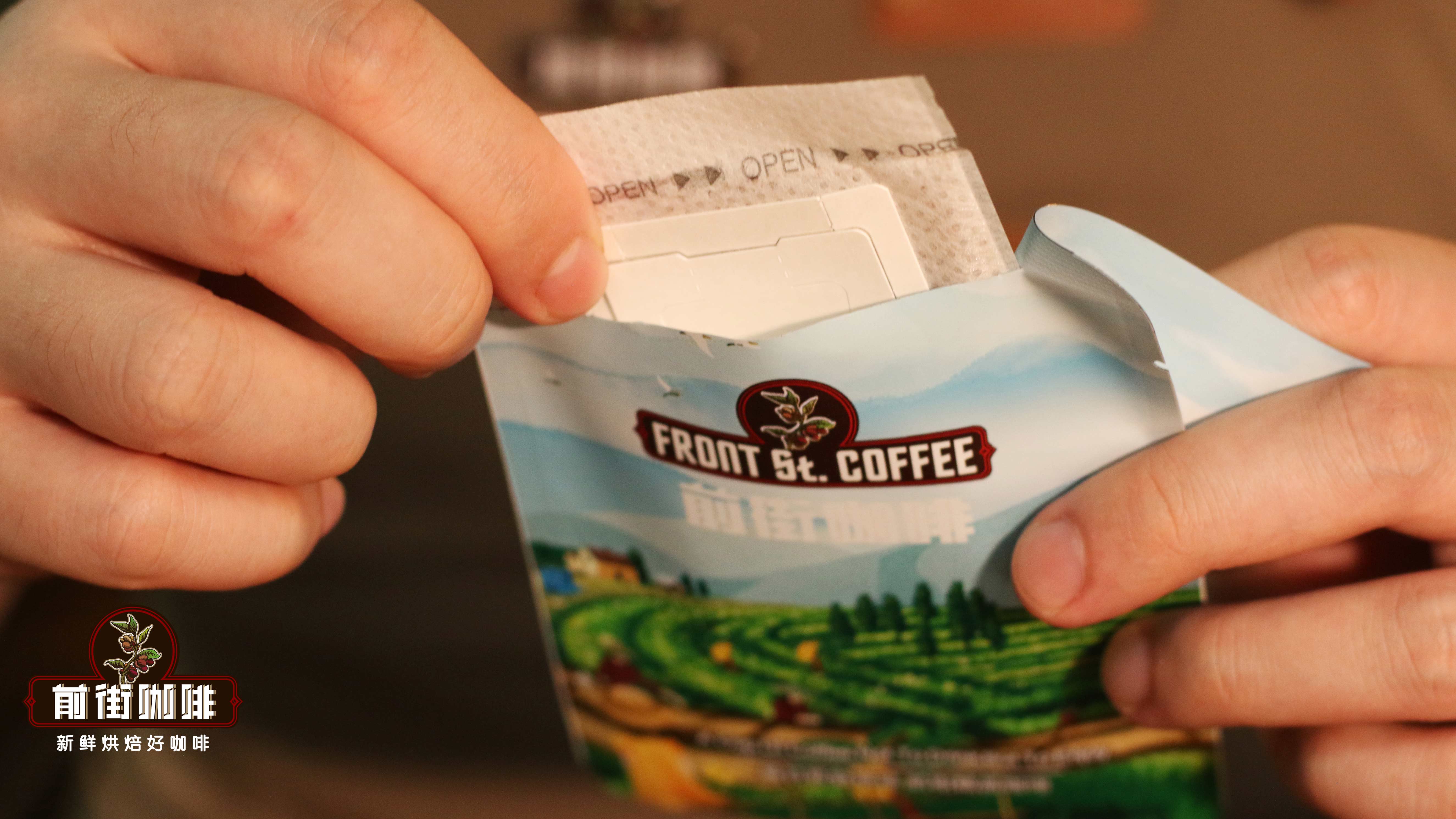
Drip Bag Coffee Brewing Guide | What Flavors and Tastes Do Best-Selling Drip Coffee Bags Have? Recommended Drip Coffee Bag Brands Every Beginner Must Buy
In 1990, Yamanaka Sangyo Co., Ltd. of Japan applied the concept of tea bags to coffee, inventing the drip bag coffee and applying for a patent. With the demand of the specialty coffee market, more and more people began to buy drip bag coffee, in order to quickly and conveniently enjoy specialty coffee without needing a bunch of equipment and utensils. Here, for everyone [more…]
From Smell to Touch: A Practical Path to Systematically Building Your Personal Coffee Sensory Skills
Coffee tasting goes far beyond taste—it is a coordinated experience of sight, hearing, touch, smell, and taste. This article starts from the interactive setting of a specialty coffee shop and delves into how to train and build your own coffee sensory system through daily accumulation and professional tools. You will learn how smell pulls on taste memory, how the tongue distinguishes the five basic tastes, how touch perceives body and smoothness, and how to use aroma kits such as the 36-aroma coffee nose and the 100-flavor flavor map for deliberate practice. Whether you are a coffee enthusiast or a professional, this method can help you read the flavors in the cup more clearly, making every tasting more enjoyable and more precise. [more…]