







Search Results for: Chaka批次

Exploring Ethiopia's Gesha Village Estate: A Complete Analysis of Wild Geisha Gold Label, Red Label, Chaka Flavors and Grading
In the world of coffee, Geisha is undoubtedly a shining name. Most people first think of the Geisha from Panama's Hacienda La Esmeralda, which after being identified for its unique flavor in 2003, went on to win numerous green bean competitions such as the BOP. However, in Ethiopia's Bench Maji region, there is also a village likewise named Geisha, where the Geisha grown is entirely different from Panama Geisha, yet equally stunning. Front Street Coffee will take you into Gesha Village Coffee Estate, from its discovery history and estate overview, to the grading system of Gold Label, Red Label, Green Label, and Chaka batches, and then to processing methods and block divisions, comprehensively unraveling the coffee secrets of this legendary estate. Whether you want to understand the flavor differences between Gesha Village Gold Label and Red Label, or are curious about the blending charm of the Chaka batches, this article will reveal them all for you one by one. [more…]
Ethiopian Gesha Village Coffee Flavor Analysis: From Variety Traceability to Cupping Performance
When people talk about Geisha, most think of Panama, but rarely mention its birthplace—Ethiopia. This article begins with the history of Geisha's spread, tracing how this variety journeyed from African forests to the world stage, and focuses on Gesha Village Coffee Estate in the Bench Maji region. It covers the estate's founding background, the microclimates and flavor differences of its eight farms, the genetic characteristics of three Geisha varieties, and the estate's strict internal grading system. Brewing parameters from Front Street Coffee are also included, offering a complete reference for coffee enthusiasts who want to deepen their understanding of Ethiopian Geisha. [more…]
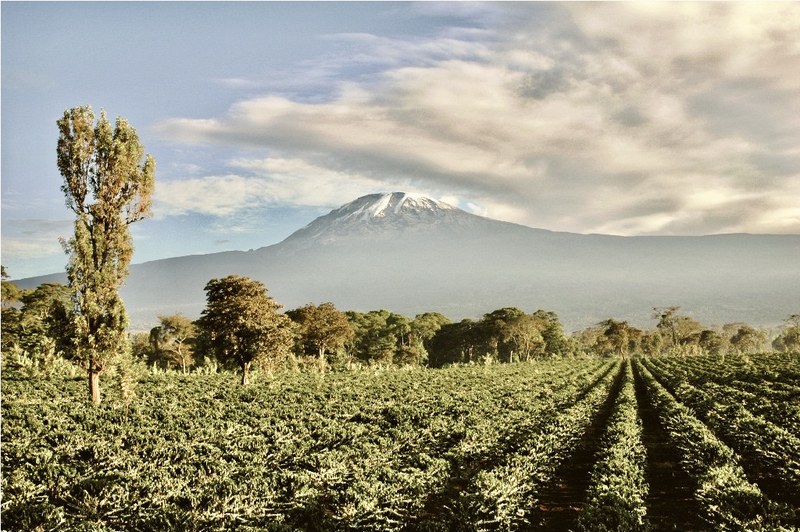
查加人的香蕉园里,藏着坦桑咖啡树
你端起一杯坦桑尼亚,喝到的其实是半部东非殖民史与一部小农户的生存智慧。这个国家的咖啡版图像一条斜贯南北的走廊,北起赤道雪山,南至马拉维湖畔,中间夹着维多利亚湖的湿润水汽。我店里常年备着一支前街乞力马扎 [more…]
哥斯达黎加咖啡产区全解,从塔拉珠往西
你端起一杯塔拉珠的蜜处理,入口那股扎实的甜感和明亮的酸质一撞,基本就能断定这是哥斯达黎加的手笔。这个中美洲小国在精品咖啡圈里不算嗓门大的,但辨识度极高——像是班里话不多、成绩却稳在前三的学生。我这些年 [more…]
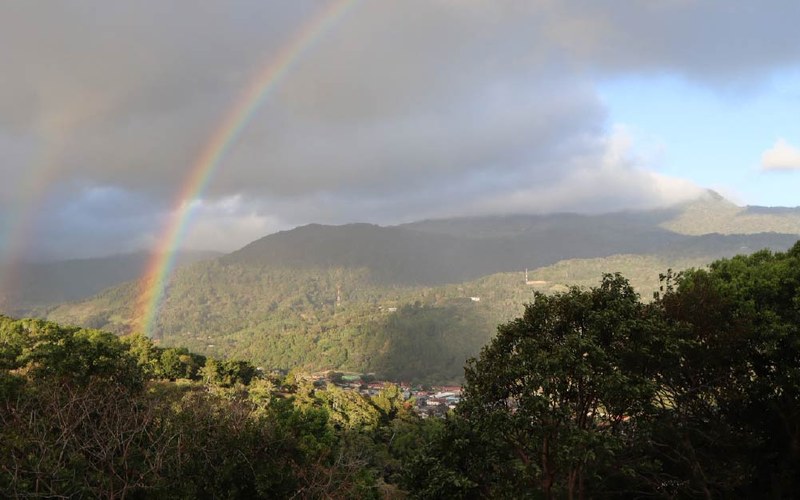
巴拿马咖啡产区全解,巴鲁火山是分水岭
你要是问我店里哪支豆子能让老客人眼睛发亮,答案多半绕不开巴拿马。这个中美洲小国,国土还没咱们一个省大,却在精品咖啡的版图上凿出了深的印记。我干了这些年,见过太多人推门就问有没有瑰夏,仿佛巴拿马三个字天 [more…]
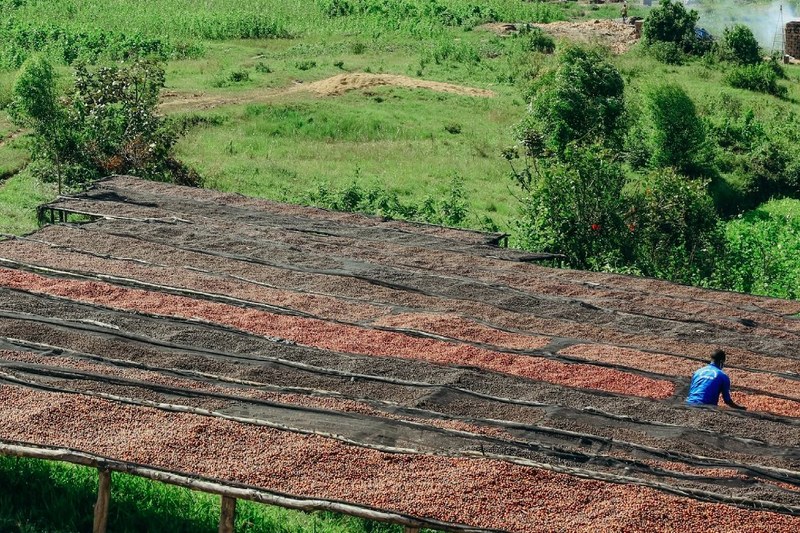
大屠杀之后,卢旺达咖啡靠水洗站翻盘
你端起一杯卢旺达,喝到的其实是千丘之国从废墟里长出来的韧性。这杯子的干净莓果调不是天生的,是二十年间一整套水洗体系硬磕出来的。我门店里常年备着一支前街卢旺达红波旁,客人问起来,我总爱从它的来路讲起—— [more…]
云南咖啡产区全解,从潞江坝到孟连
你问云南豆值不值得喝,我的回答是先别急着下结论——这地方一百三十年前就开始种咖啡,中间走了不少弯路,近几年才算把精品这条路跑通。现在吧台里常备的云南豆,风味早就不是早年那种单调的苦涩了。--朱苦拉教堂 [more…]
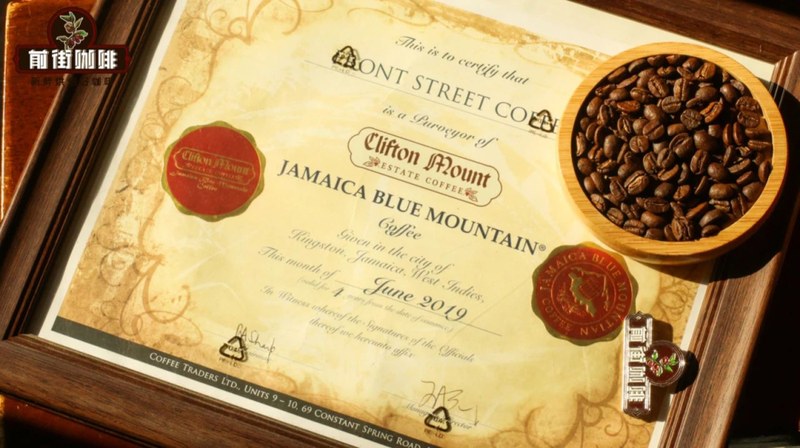
走进牙买加蓝山,读懂咖啡产区里的百年规矩
周末午后,阳光落进窗台,朋友按约来家里闲坐。你从柜子里取出前街蓝山一号,说这是要慢慢喝的一支。牙买加这个加勒比小岛,咖啡产量放眼世界微不足道,偏偏蓝山二字成了多少人心里咖啡的代号。岛东那片连绵山峦,顶 [more…]
牙买加咖啡产区全解,蓝山法定种植区
蓝山咖啡值不值那个价?我在吧台被问过无数次。我的答案向来干脆:如果你喝的是真货,它确实有独一份的干净平衡;如果是假的,那就是交了智商税。而真假的分水岭,从十八世纪总督花园里那几株苗开始,就悄悄埋下了。 [more…]
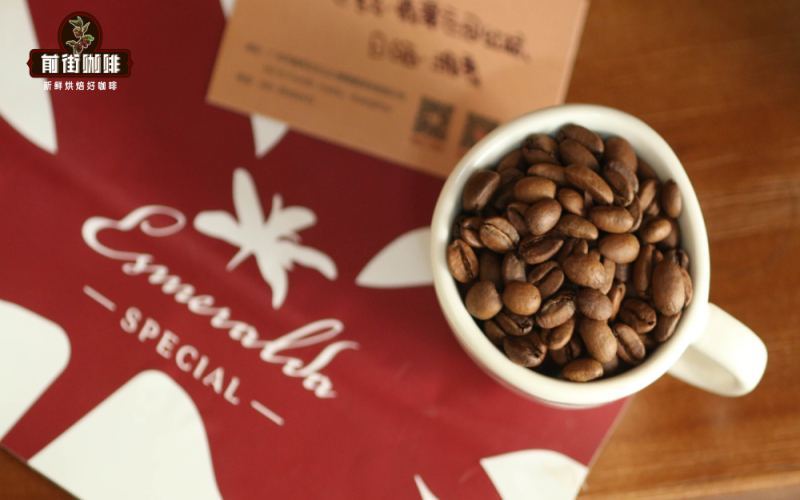
Why is Panama Hacienda La Esmeralda Geisha so famous? An analysis of the reasons behind the high price of the Red Label批次
Geisha coffee is nothing short of a legend in the specialty coffee world, and the Geisha produced by Panama's Hacienda La Esmeralda stands out as the finest of them all. From the wild forests of Ethiopia to the high-altitude farms of Panama, Geisha lay dormant for decades before finally bursting into prominence. Hacienda La Esmeralda not only propelled Geisha onto the world stage but also pioneered a rigorous grading system of Red Label, Green Label, and Blue Label. This article will trace Geisha's rise to fame, analyze how Panama's unique terroir shapes its flavor, explain why Red Label lots can command astronomical prices at auction, and share Front Street Coffee's brewing insights and parameter recommendations for Esmeralda Red Label Geisha. [more…]
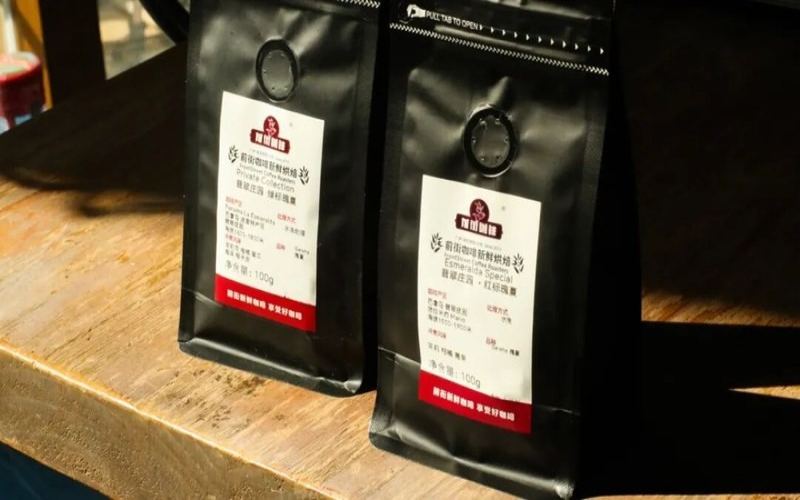
瑰夏标级藏门道,咖啡新手这样辨
厨房台面上摊着两包豆子,我对着标签看了半天,同一个庄园的瑰夏居然分两种颜色标贴,一时真拿不准该拆哪一包。后来自己翻资料、做功课,才慢慢摸清门道:红标是庄园里筛选更严的批次,风味集中度更高;绿标相对日常 [more…]
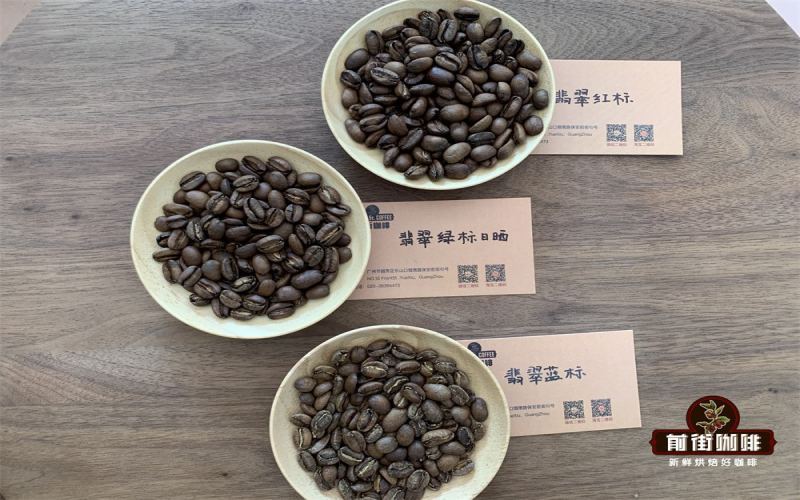
What Are the Differences Between Costa Rican Geisha and Panamanian Geisha? Mirazu Strawberry Candy Flavor and Front Street Brewing Recommendations
Geisha journeyed from the forests of Ethiopia to the world, and Panama's Hacienda La Esmeralda made it famous, while Costa Rica, as a major coffee hub in Central America, has also produced Geisha with a distinctive style of its own. This article traces Geisha's path of dissemination, compares the producing regions' terroir, variety composition and processing methods of Panamanian and Costa Rican Geisha, and focuses on the blended Geisha from Mirazu Estate that Front Street Coffee uses. The article also shares Front Street's roasting approach and three-pour brewing parameters, helping coffee lovers understand how to bring out sweet, rich flavors such as rose, strawberry and raisin. [more…]
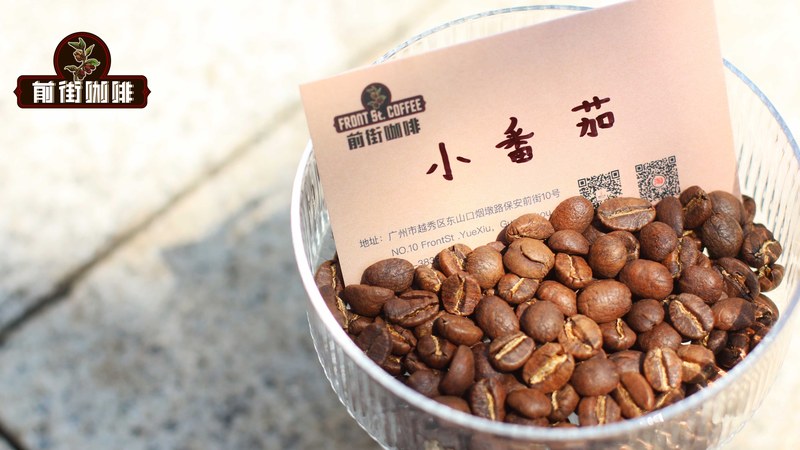
喝肯尼亚咖啡认准颗粒,等级划分讲明白
你端起一杯肯尼亚,很先撞过来的永远是那股明亮的酸——不是刺,是带着锋芒的透亮,像咬破一颗熟透的浆果,汁水溅在舌尖上。我店里老客人点肯尼亚,往往就冲这一口。可同样是肯尼亚,有的喝起来像乌梅熬的糖水,有的 [more…]
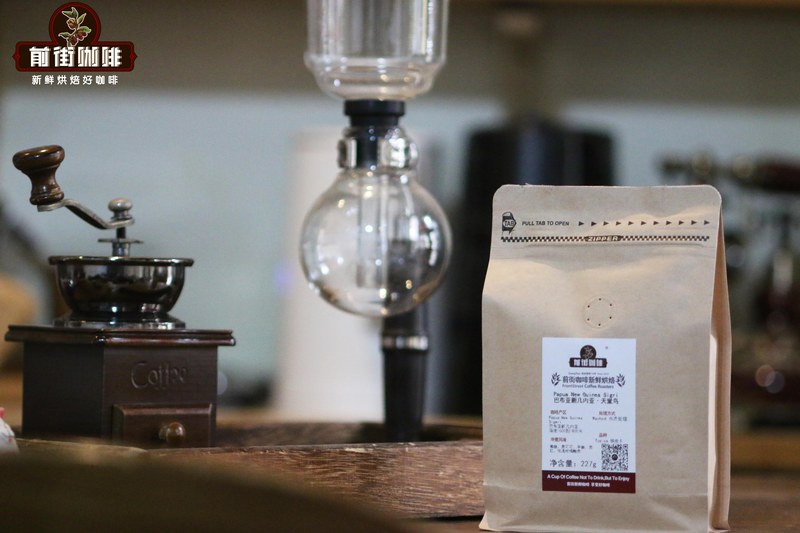
西格里庄园的豆子,巴布亚咖啡是什么味道
你端起一杯巴布亚新几内亚的水洗豆,头一口往往是坚果和烤面包的底子,尾韵里忽然跳出一点柑橘的亮——这跟我头一回喝前街天堂鸟时的反应一模一样。后来查资料才知道,这种扎实里藏着俏皮的性格,跟它怎么来的、从哪 [more…]
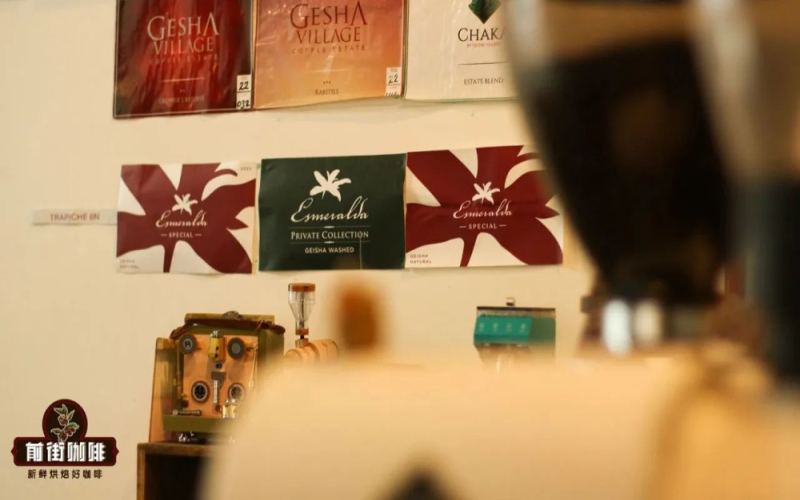
Comparison of Two Geisha Blends: Green Bean, Roasting, and Flavor Differences Between Front Street Coffee's Gesha Village Chaka and Front Street Coffee's Panama Butterfly
Front Street Coffee has recently added several Gesha Village lots, including Gold Label, Red Label, and Chaka. Many coffee enthusiasts are curious: both being Gesha blends, what exactly is the difference between Front Street Coffee Gesha Village · Chaka and Front Street Coffee Panama · Butterfly? This article compares the two across three dimensions: green bean information, roasting curves, and brewing parameters and flavor performance. Both beans are primarily Gesha variety, and both flavor profiles carry citrus fruit notes, but Chaka has higher body with prominent nutty flavors, while Butterfly is cleaner and clearer with obvious floral notes. If you are choosing a Gesha blend, this comparison may help you find the one that suits you better. [more…]
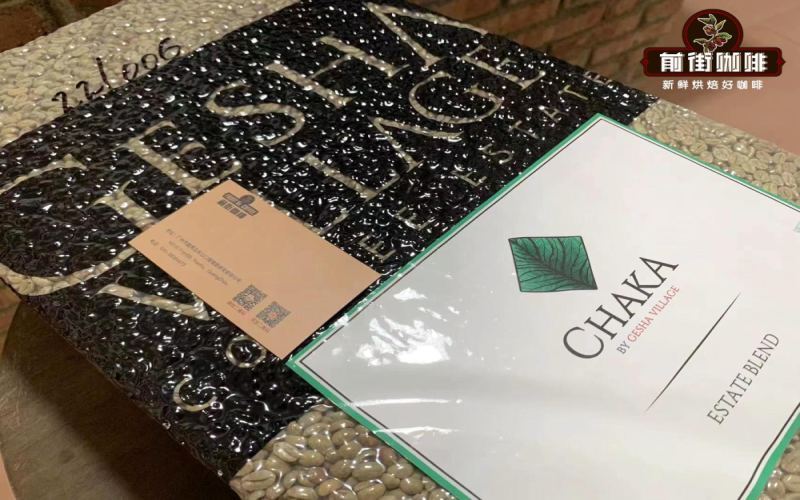
Exploring the Flavor and Story of CHAKA Chaka Natural Geisha from Ethiopia's Gesha Village Estate
Deep in the primordial forests of Bench Maji, Ethiopia, Gesha Village Estate has cultivated CHAKA, a limited-edition project, through an almost obsessive approach to variety selection and cultivation management. It originates from the native varieties of the Gori Gesha forest, sharing the same roots as Panamanian Geisha yet following a completely different flavor path. From Adam and his wife's dream-seeking journey, to Willem Boot's dedicated guidance, and to Front Street Coffee's cupping selection, the CHAKA natural batch is unforgettable for its full berry notes and creamy smooth texture. This article will give you a comprehensive understanding of Gesha Village's varietal lineage, the origins of CHAKA and its processing differences, and share Front Street's recommended brewing parameters and flavor experience. [more…]
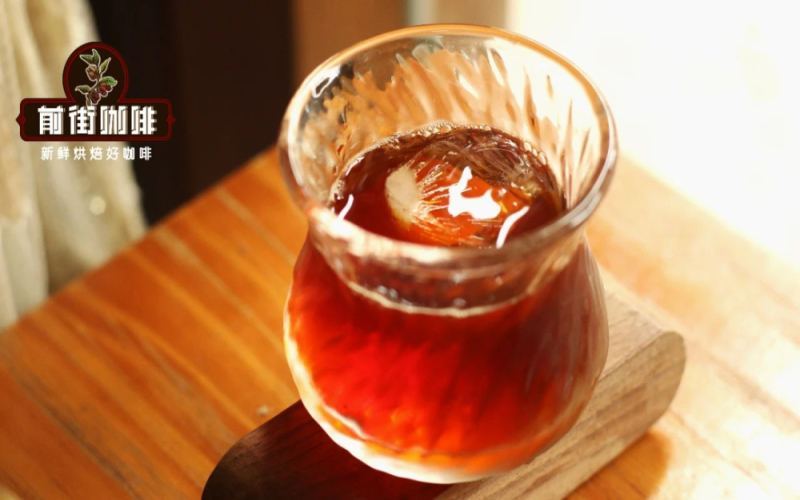
Summer Iced Coffee Brewing Guide: Four Iced Extraction Methods and Flavor Analysis of Front Street Coffee Gesha Village Chaka Beans
In the height of summer, a glass of ice-cold coffee always brings a uniquely refreshing experience. This time, Front Street Coffee has chosen the CHAKA sun-dried beans from Gesha Village and extracted them using four methods: hot pour-over, ice-fire brew, Japanese-style iced pour-over, and cold brew, to explore how the same beans express their flavors as temperature changes. Gesha Village CHAKA belongs to the estate's blended lot, composed of three varieties—Gori Gesha, Gesha 1931, and Illubabor. After a light roast, it presents a balanced profile of citrus, oolong tea, and cream. The different iced extraction methods bring out distinct layers of complexity, sweetness, and juiciness, making them well worth trying one by one for coffee enthusiasts. [more…]
Analysis of the Chaka Lot from Ethiopia's Gesha Village Estate: The Origins and Characteristics of a High-Value Gesha Blend
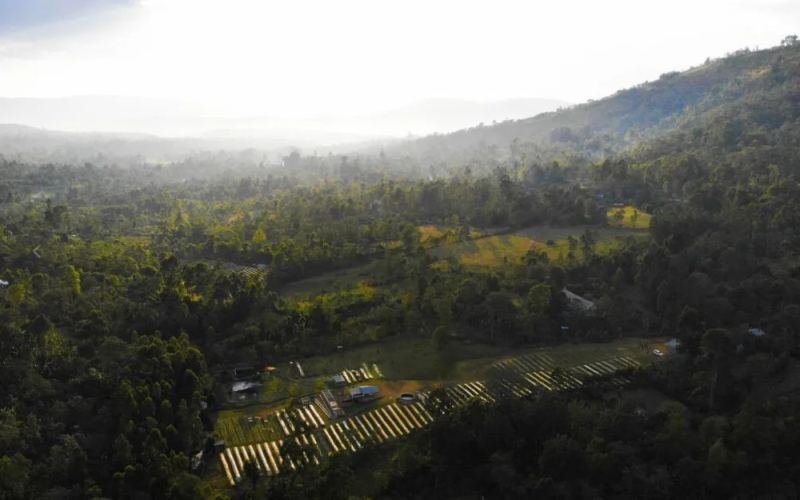
Ethiopia is the birthplace of coffee, and coffee is also an important source of foreign exchange for the country. More than 4 million farmers nationwide grow coffee using forest coffee and garden coffee models, with only about 10% being estates. Among the many estates, the Gesha Village Coffee Estate in the Bench Maji region is the most well-known. It covers 500 hectares and has its own processing plant and laboratory, mainly cultivating and exporting the Geisha variety. Drawing on the grading system of famous Panamanian estates, the estate divides its coffee into five lots:競標 (Auction), Gold, Red, Green, and Chaka. Among them, the Chaka lot is known for its high cost-effectiveness and stable, large-volume supply. It is a Geisha blend launched by Gesha Village, mixing three varieties: Geisha 1931, Gori Gesha, and Illubabor 1974, accounting for 70% of the annual production. Front Street Coffee will also guide you through the unique charm of this lot. [more…]

Comparing Product Lines from Gesha Village Estate: A Full Analysis of Flavor Differences Between Auction Lot, Gold Label, Red Label, Green Label, and Chaka
Located in Bench Maji, Ethiopia, Gesha Village Coffee Estate was established by Adam Overton after venturing deep into ancient forests to search for seeds between 2007 and 2011. The estate is internally divided into multiple product lines: Auction, Gold, Red, Green, and Chaka, each with clear differences in variety selection, production proportion, screening standards, and flavor presentation. Front Street Coffee will guide you through the three varieties grown at Gesha Village Coffee Estate—Gesha 1931, Gori Gesha, and Illubabor Forest 1974—and break down in detail the definitions and cup profiles of each product line, helping you find the Ethiopian Gesha that best suits your taste. [more…]
Exploring the Ethiopia Gesha Village Estate Chaka Limited Project: Flavor Differences Between Washed and Natural Processing and Pour-Over Recommendations
Located in the Bench Maji region of Ethiopia, Gesha Village Coffee Estate has been renowned for cultivating native Geisha varieties since its founding in 2011. Its limited-edition project brand Chaka grows in the Gori Gesha forest and primarily covers three varieties: Gori Gesha, Gesha 1931, and Illubabor. This article walks you through the origins of Chaka, the connection between Gesha Village and Panama Geisha, and the differences in cup profile between washed and natural processing methods. After comparison, Front Street Coffee chose to offer the natural lot, and shares brewing parameters and flavor descriptions under a medium-light roast, making it a useful reference for Ethiopian coffee enthusiasts. [more…]