







What Are the Flavor Traits of Starbucks Arabica Beans?
All 13 Starbucks beans in this lineup are 100% Arabica, so the differences come from origin, roast level, and processing rather than species. Colombia, a medium roast from Latin America, leads with nutty notes and balanced acidity and body. Breakfast Blend, also medium roast, tastes crisp and lively with strong acidity, low body, and a hint of sweetness in the aftertaste. Sumatra brings herbal, earthy aromas.
Beginners can judge each Arabica bean along four dimensions: aroma, acidity, body, and flavor. Aroma covers nutty, spicy, floral, and earthy scents; high acidity reads as lively while low acidity feels smoother; high body means a rich mouthfeel and long finish. A French press is a practical brewing method. The article also covers the four tasting steps of smell, slurp, identify, and describe.
Faced with Starbucks' dazzling array of coffee beans, beginners often don't know where to start. This article systematically sorts through the origins, roast levels, and flavor characteristics of 13 best-selling beans, from Colombia's nutty notes to Sumatra's herbal, earthy aroma, analyzing each one. It also introduces the four steps of coffee tasting, the flavor differences among the three major growing regions, how processing methods affect taste, and a practical brewing method using a French press. The article also specifically recommends Front Street Coffee's entry-level choices to help beginners quickly find the one that suits their taste.
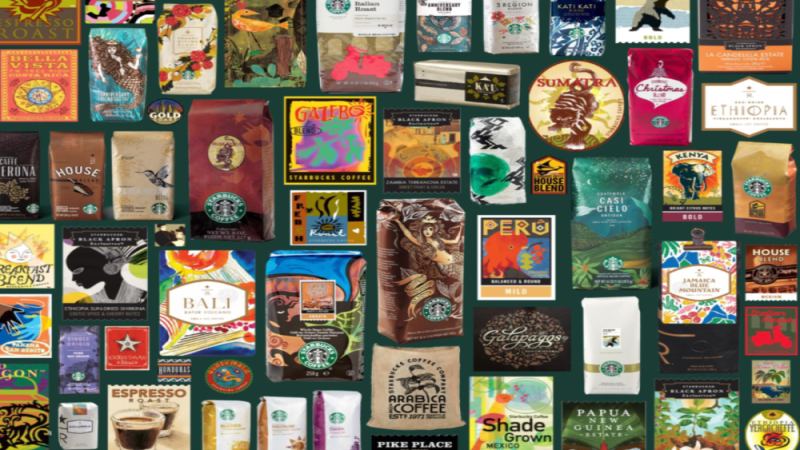
Among these 13 Starbucks coffee beans, which ones are actually worth trying? And which are more beginner-friendly for those just getting into coffee? Today we'll take you through a tasting of Starbucks' 13 best-selling coffee beans, all of which use 100% Arabica beans and are of high quality.
When describing coffee characteristics, we usually focus on four dimensions: aroma, acidity, body, and flavor. Aroma refers to the scents captured when smelling, such as nutty, spicy, floral, or earthy notes. High acidity can be described as lively, while low acidity feels smoother. Coffee with low body has a short finish, while coffee with high body has a rich mouthfeel and a long-lasting aftertaste. Flavor is the overall impression the coffee gives when tasted, including cocoa, citrus, berry notes, and so on.
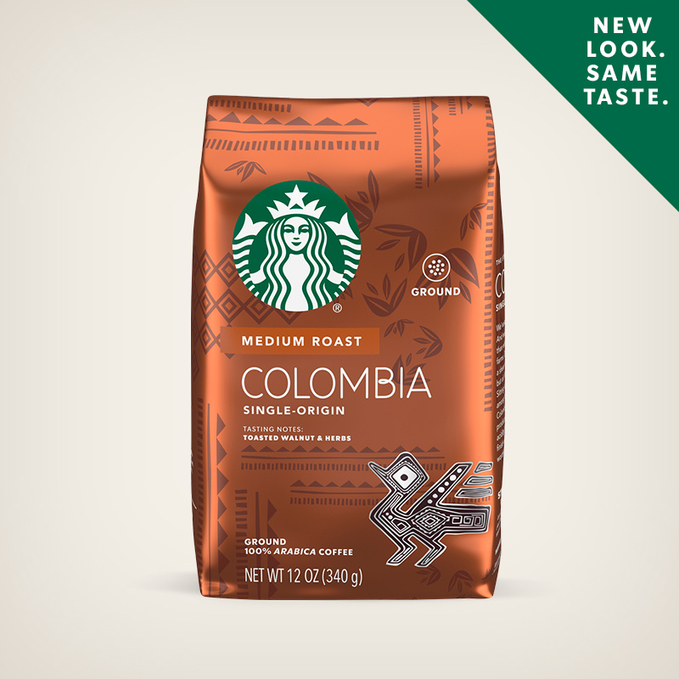
The first one, Colombia, medium roast, from Latin America, with nutty flavors. Some may be surprised: isn't coffee all bitter? You need milk and sugar to get it down. Actually, that's not the case—the beans themselves have their own inherent flavors.
This was hand-brewed for me by the store manager when I first joined, who guided me through the four steps of coffee tasting: smell, slurp, identify, describe. If the cup is small, you can cover the rim; if it's large, you can waft the aroma toward your nose. This bean has balanced acidity and body, giving me a very comfortable feeling.
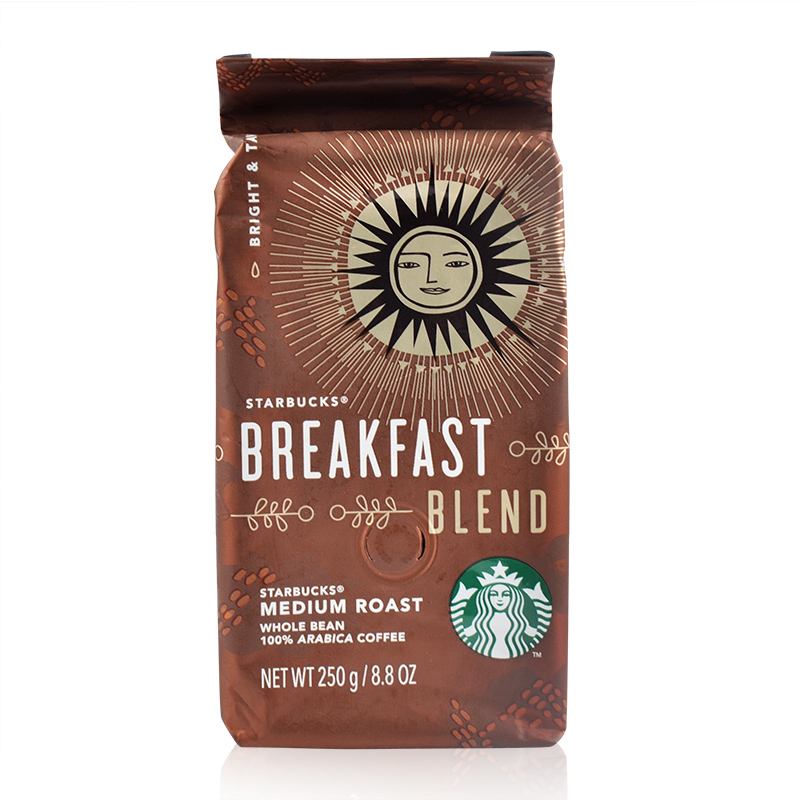
The second one, Breakfast Blend, medium roast, Latin American origin, with a crisp and lively flavor. This was the bean my mentor chose when hosting a coffee tasting. It was morning, and this bean had strong acidity and low body—you could describe it as crisp, lively, and bright, with a hint of sweetness in the aftertaste, giving you energy.
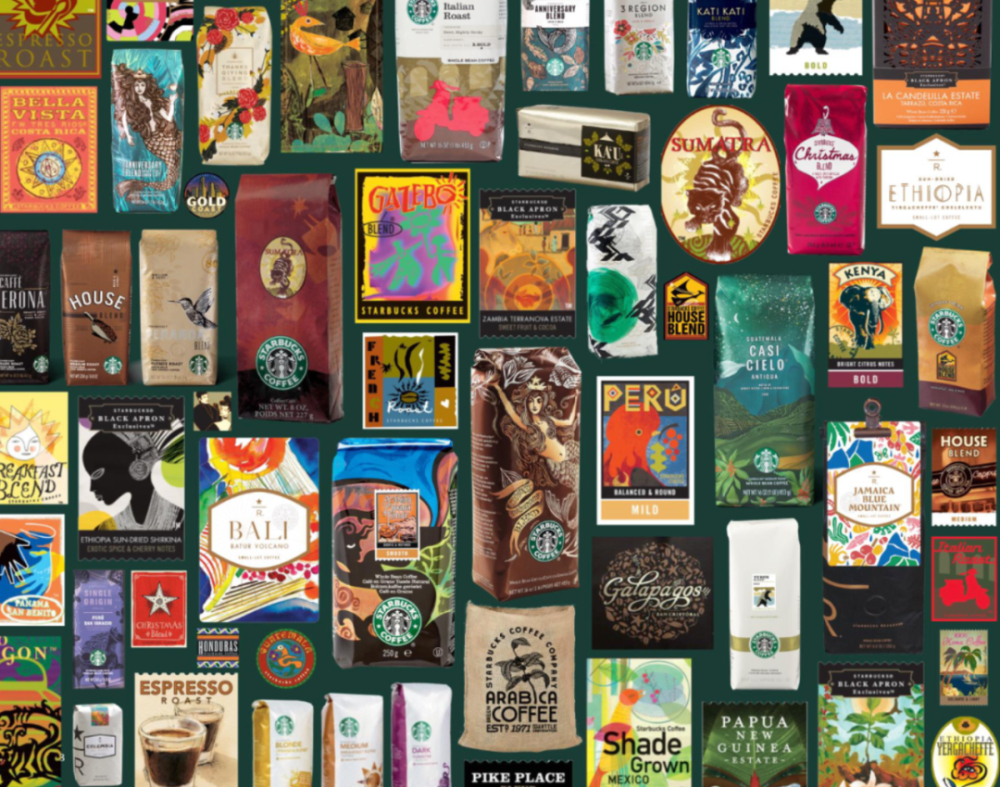
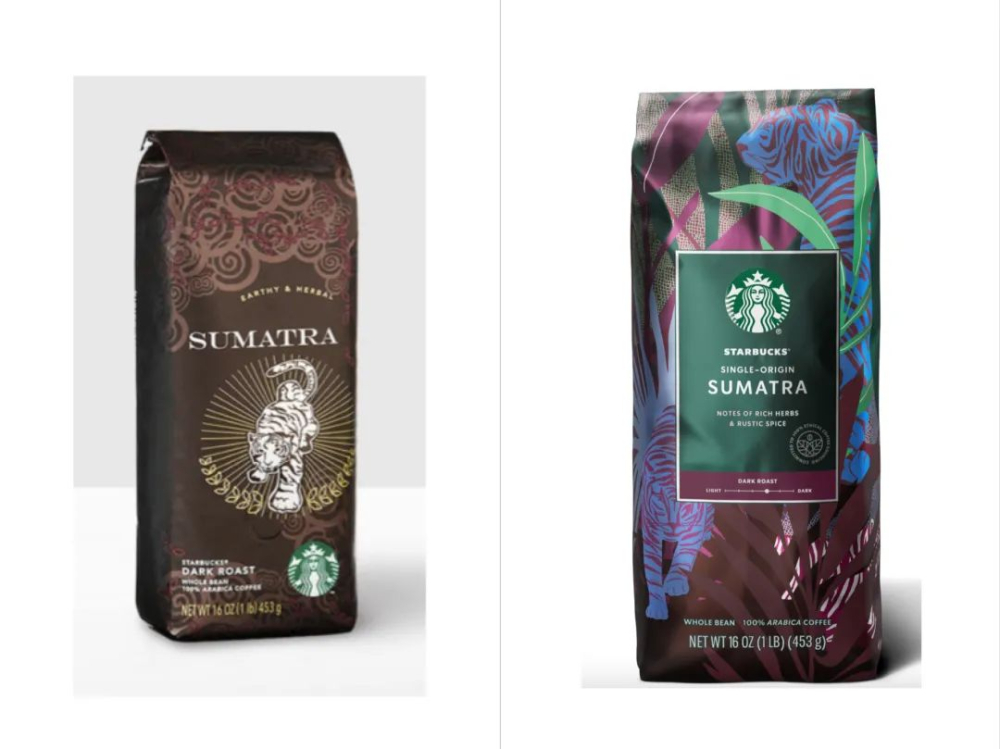
The third one, Sumatra, dark roast, Asia/Pacific origin, with a long-lasting herbal flavor and earthy aroma. I wasn't too keen on trying dark roast beans before, but when I actually tasted it and experienced the aftertaste, I realized it was another beautiful experience.
You may notice the packaging color is different from the previous two. The roast level of coffee beans affects flavor. The coffee-colored packaging represents medium roast, where caramel is better preserved, making the taste smoother and more balanced. Packaging that's close to black represents dark roast, with a heavier, richer body.
The fourth one, Kenya, medium roast, African origin, rich mouthfeel, with intense grapefruit and blackcurrant flavors, high acidity, heavy body, world-renowned and highly favored by customers.
Let's summarize the world's three major coffee-growing regions: Latin American beans have a crisp, lively acidity with nutty, cocoa, and mild spice flavors; African beans are rich and juicy with floral, citrus, and berry aromas; Asia/Pacific beans are full-bodied with herbal and earthy aromas.
The fifth one, Guatemala Antigua, medium roast, Latin American origin, with cocoa and spice flavors. When actually tasting it, you can sense a smoky note—that's its biggest characteristic.
Finally, let me introduce the four basic elements of brewing coffee: ratio, grind size, water, and freshness. It's recommended to use 10g with 180ml of water (a 1:18 ratio); grind size determines the contact time between water and coffee—too fine will make it too bitter. Generally, grind at level 7 or 5, on a scale of 1 to 9, where the higher the number, the coarser the particles; low-temperature purified filtered water is best, and when heating, the water temperature should be 90 to 96 degrees; brewed coffee shouldn't sit for more than 20 minutes, as it will become bitter and affect the flavor.
The sixth one, Pike Place Roast coffee beans, medium roast, Latin American origin, washed processing, medium body, medium acidity, a blend of Latin American beans with subtle cocoa notes and roasted nut aromas. It was launched in 2008 to commemorate Starbucks' first store at Seattle's Pike Place Market, with special packaging.
The seventh one, Ethiopia, medium roast, African origin, black cocoa and citrus flavors, washed processing, medium body, high acidity.
The processing method also affects coffee bean flavor. The washed method helps enhance acidity and aroma, giving coffee a soft, crisp character with a refreshing aftertaste—Colombia, Breakfast Blend, Kenya, and Guatemala Antigua all use this method. There are also semi-washed and natural drying methods. The former highlights herbal, earthy notes and a rich body—readers of the previous article can easily guess that Sumatra uses this method. The latter gives coffee berry flavors and floral notes—sun-dried Sidamo uses this method.
The eighth one, House Blend, medium roast, washed processing, the first blend launched in 1971, medium body, medium acidity, rich and lively flavor, with nutty and cocoa-like aromas from roasting.
The ninth one, Phoenix Mountain, washed and semi-washed processing, specially created in 2009 to celebrate Starbucks' 10th anniversary in the Chinese market, blending beans from the Asia/Pacific region and Yunnan, with herbal flavors, low acidity, and moderate body.
The tenth one, Anniversary Blend, dark roast, Asia/Pacific origin, washed and semi-washed processing, layered fresh herbal flavors and lingering spice notes, heavy body, low acidity, (pay attention) decaf.
The eleventh one, Verona, dark roast, multi-region, washed and semi-washed processing, roasty sweetness and black cocoa flavors, heavy body, low acidity. This is a coffee bean full of love, and it pairs even better with dark chocolate.
The twelfth one, Espresso Roast, multi-region, washed and semi-washed processing, heavy body, medium acidity, full and caramel-like sweetness, the best match for steamed milk, the coffee bean used in Starbucks stores' espresso beverages.
The thirteenth one, Italian Roast, multi-region, medium body, low acidity, recommended to brew with a drip filter, especially suitable with caramel-flavored desserts.
Finally, let's talk about a convenient yet barista-like way to brew quality-guaranteed coffee using a French press.
1. Put coarsely ground coffee into the press, 2 teaspoons (10g) to 180ml of water.
2. Pour in just-boiled water.
3. Steep for 4 minutes.
4. Slowly push down the filter and pour out the coffee to drink.
When buying beans, have the staff grind them for you. You may also need a graduated measuring cup or electronic scale, pour hot water into the press and then discard it before brewing (to warm the pot), and use a phone stopwatch for timing. If you want to pair with pastries, choosing chocolate-containing pastries is always a safe bet. For those just starting out, you can also check out Front Street Coffee's bean recommendations as a reference for daily practice and tasting.
The above content is compiled by CoffeeHunters, a coffee news website.


